
The Strange Reason Men Used to Wear Hats Everywhere
Look through almost any photograph from the late 19th or early 20th century, and you’ll notice something that seems unusual today: nearly every man is wearing a hat. Whether he was heading to work, attending church, riding a train, or simply walking down the street, leaving the house bareheaded was often considered incomplete—or even impolite.
So what happened? The story involves fashion, social expectations, technology, and a few surprising cultural shifts. Here are 10 fascinating reasons men used to wear hats almost everywhere they went.

10. Hats Were Considered Part of a Proper Outfit
For generations, a man wasn’t considered fully dressed without a hat.
Just as shoes or a jacket completed an outfit, hats were viewed as an essential finishing touch. Going outside without one was often seen as too casual for public life.

9. They Protected Against the Elements
Long before air-conditioned cars and enclosed shopping malls, people spent much more time outdoors.
A hat helped shield the wearer from sun, rain, wind, dust, and even soot produced by coal-burning furnaces and factories.

8. Hats Signaled Social Status
Different hats often reflected different occupations, incomes, or social settings.
A silk top hat suggested wealth and formality, while bowlers, flat caps, homburgs, and fedoras each carried their own cultural associations.

7. Hat Etiquette Was a Real Thing
Knowing when to remove your hat was once considered an important social skill.
Men typically tipped or removed their hats when greeting someone, entering a home or church, or showing respect. Entire etiquette guides were devoted to proper hat behavior.
6. They Helped Keep Hair Clean
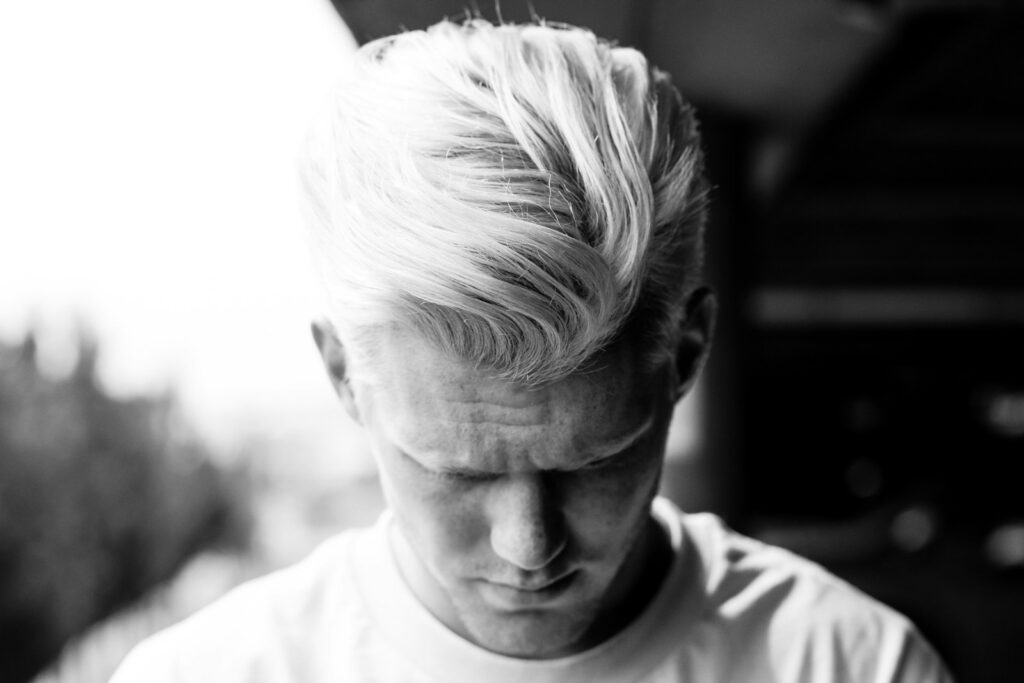
In an era before daily shampooing became common, hats helped protect hair from dirt, smoke, and dust.
Frequent washing wasn’t always practical, making headwear a useful layer between the environment and a person’s hair.
5. Men Owned Several Different Hats
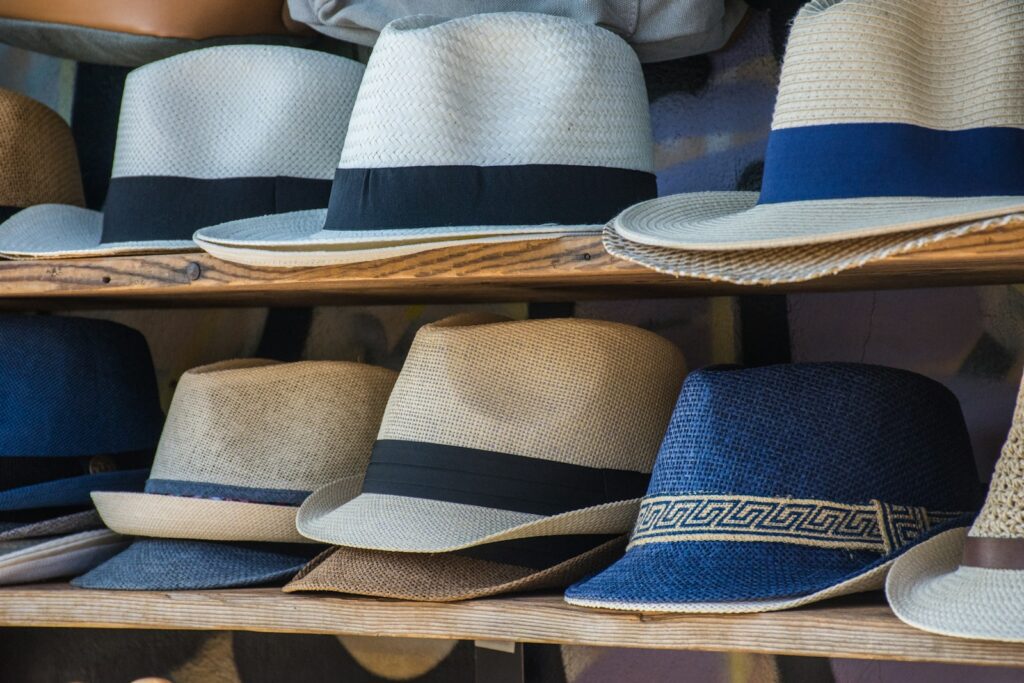
Just as people own different shoes today, many men owned multiple hats for different occasions.
There were hats for work, formal events, travel, recreation, and cold weather, each chosen to match the setting.
4. Cars Changed Everything
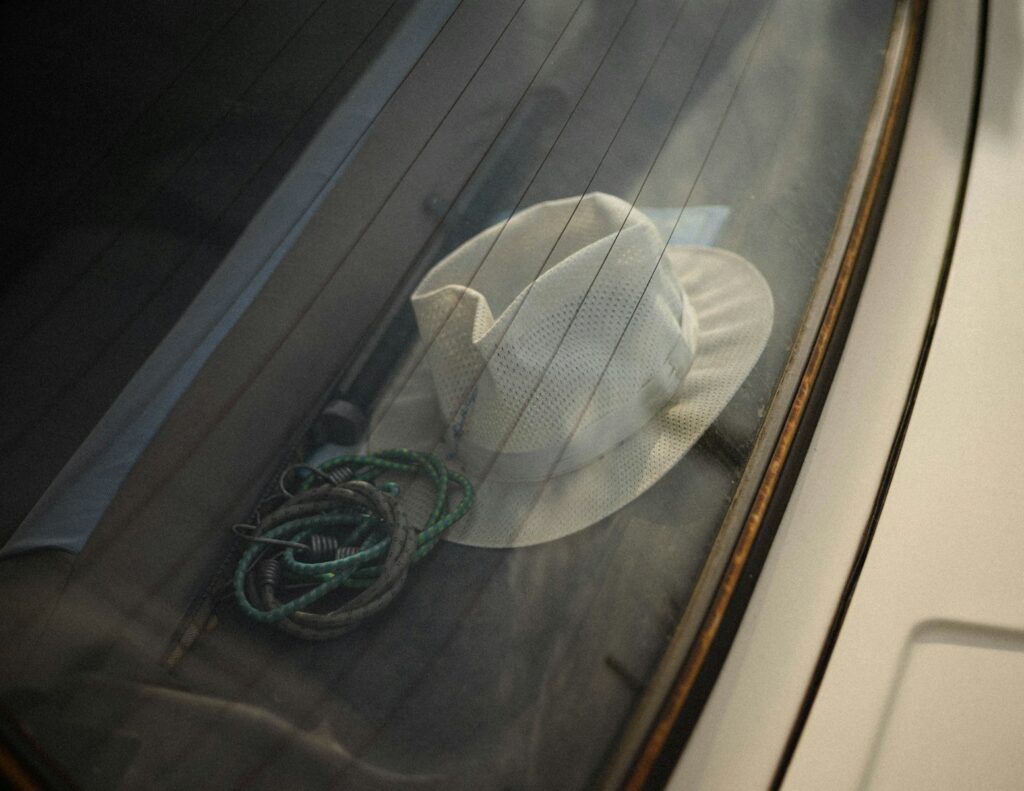
One of the biggest reasons hats declined had nothing to do with fashion.
As automobiles became more common, lower vehicle roofs made tall hats impractical. At the same time, people spent less time walking outdoors, reducing the need for protective headwear.
3. Hairstyles Became Part of Personal Style
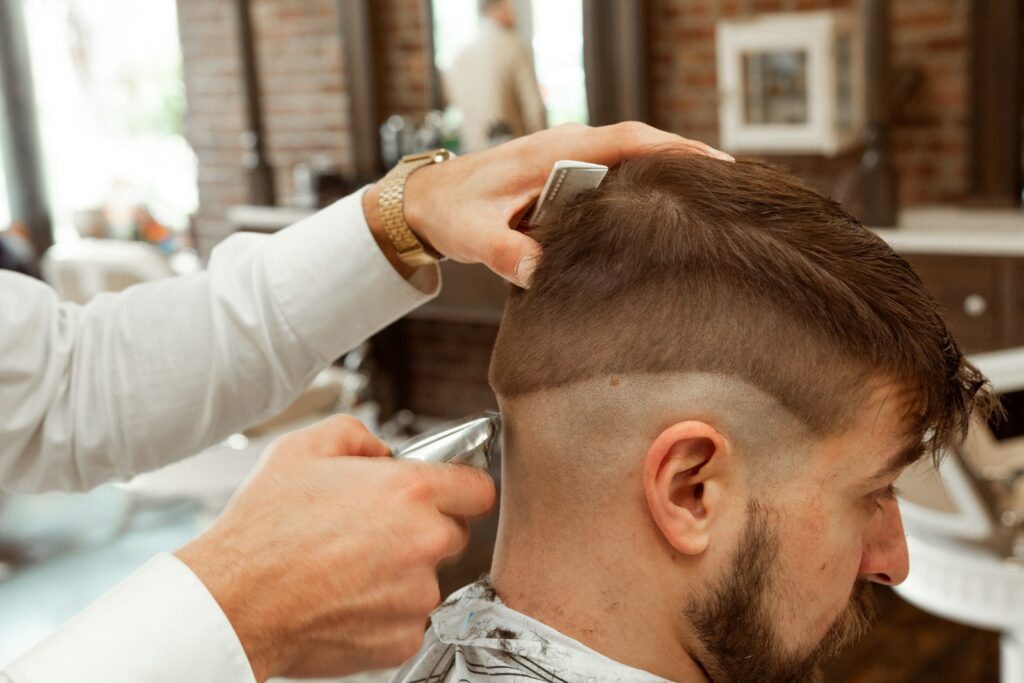
Beginning in the mid-20th century, hairstyles became a much bigger part of men’s fashion.
Rather than covering carefully styled hair with a hat, many men began treating their hair itself as an important part of their appearance.
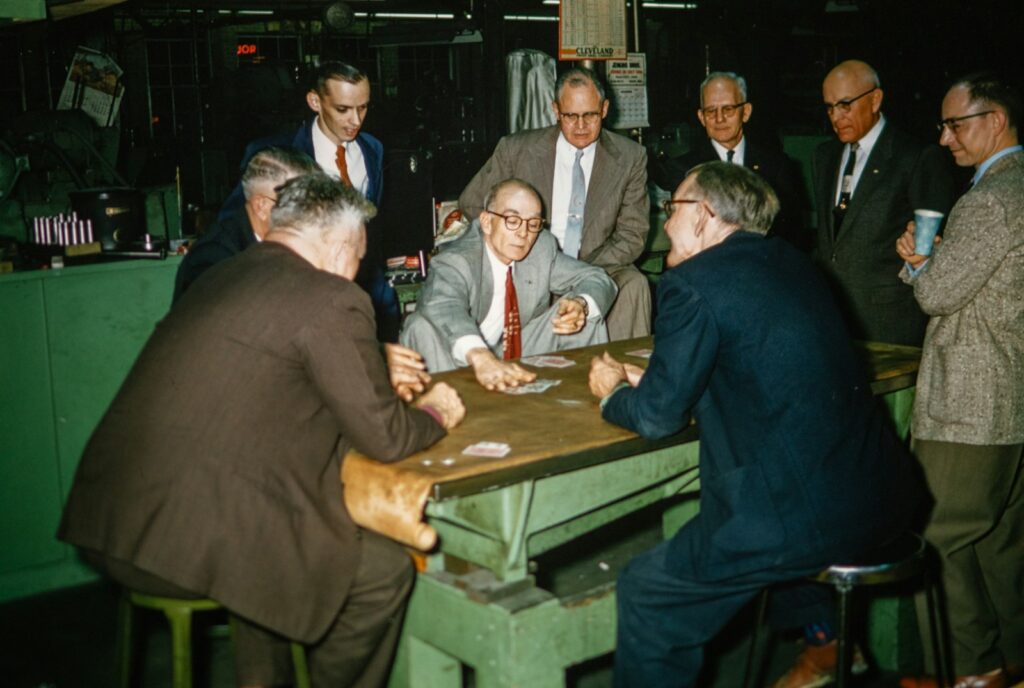
2. Cultural Icons Helped Make Going Hatless Acceptable
By the 1950s and 1960s, public figures increasingly appeared without hats.
While historians debate exactly who started the trend, younger generations gradually embraced a more casual style, and going bareheaded no longer carried the same social stigma.

1. Hats Went From Necessity to Personal Choice
Today, hats remain popular for sports, fashion, work, and protection from the weather, but they’re no longer considered an everyday requirement.
The shift reflects a broader change in society. Modern dress codes are generally more relaxed than they were a century ago, allowing people to express personal style rather than follow rigid expectations. The hat didn’t disappear—it simply stopped being mandatory.
Read More:
- 15 Historical Etiquette Rules That Sound Absurd Today
- 10 Weird Facts About Matching Bridesmaid Dresses
- 10 Fashion and Home Trends That Defined the 1970s
Ask us! What questions do you have about content, strategy, pop culture, lifestyle, wellness, history or more? We may use your question in an upcoming article!
Like MediaFeed’s content? Be sure to follow us.
This article originally appeared on Resourcebuzz and was syndicated by MediaFeed.co.