The Longevity Kitchen: 10 Foods That May Help You Live Longer
What if some of the most powerful tools for healthy aging were already sitting in your kitchen? While no single food can guarantee a long life, research consistently shows that certain dietary patterns are associated with greater longevity, lower rates of chronic disease, and better quality of life as we age.
Many of these foods are staples in the world’s “Blue Zones,” regions where people routinely live into their 90s and even 100s while maintaining active, independent lifestyles. The secret isn’t a miracle ingredient. It’s a steady focus on nutrient-dense foods that support heart health, reduce inflammation, and nourish the body for the long haul.

10. Beans and Lentils
Beans, lentils, and chickpeas are among the most common foods found in long-lived populations around the world.
They’re packed with fiber, plant protein, minerals, and slow-digesting carbohydrates that help stabilize blood sugar and support digestive health. They’re also inexpensive, versatile, and incredibly filling.
Many longevity researchers consider legumes one of the most important foods for healthy aging.

9. Leafy Greens
Spinach, kale, Swiss chard, collards, and other leafy greens deliver an impressive amount of nutrition for very few calories.
They’re rich in vitamins A, C, and K, along with antioxidants that help protect cells from damage. Regular consumption of leafy greens has been associated with improved cardiovascular and cognitive health.

8. Berries
Blueberries, blackberries, raspberries, and strawberries are loaded with antioxidants called anthocyanins.
These compounds may help protect the brain, support heart health, and reduce inflammation throughout the body. Berries are one of the easiest ways to add longevity-supporting nutrients to your diet.

7. Extra-Virgin Olive Oil
A cornerstone of the Mediterranean diet, extra-virgin olive oil provides healthy monounsaturated fats and powerful antioxidant compounds.
Research has linked olive oil consumption to improved heart health, reduced inflammation, and lower risk of certain chronic diseases. It’s one of the most studied longevity foods in the world.

6. Nuts
Almonds, walnuts, pistachios, pecans, and other nuts provide healthy fats, protein, fiber, and minerals.
Studies consistently show that people who regularly consume nuts tend to have lower rates of cardiovascular disease and better overall health outcomes. A small handful each day may provide meaningful benefits.
5. Fatty Fish
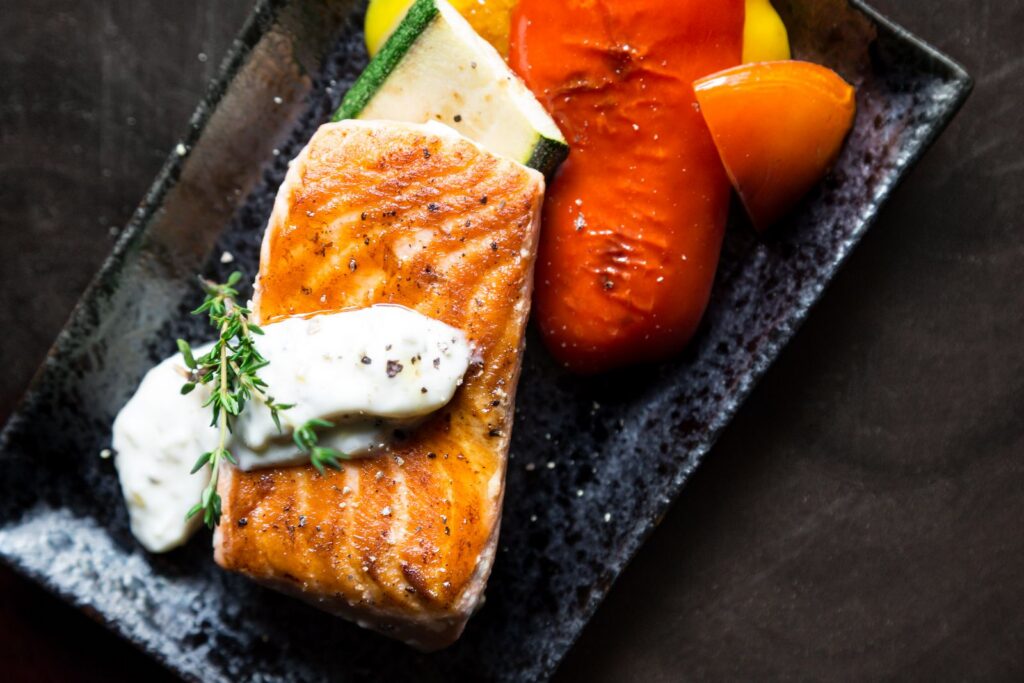
Salmon, sardines, mackerel, herring, and trout are rich in omega-3 fatty acids.
Omega-3s help support heart health, brain function, joint comfort, and healthy inflammation levels. Many experts recommend eating fatty fish at least twice per week as part of a longevity-focused eating pattern.
4. Whole Grains
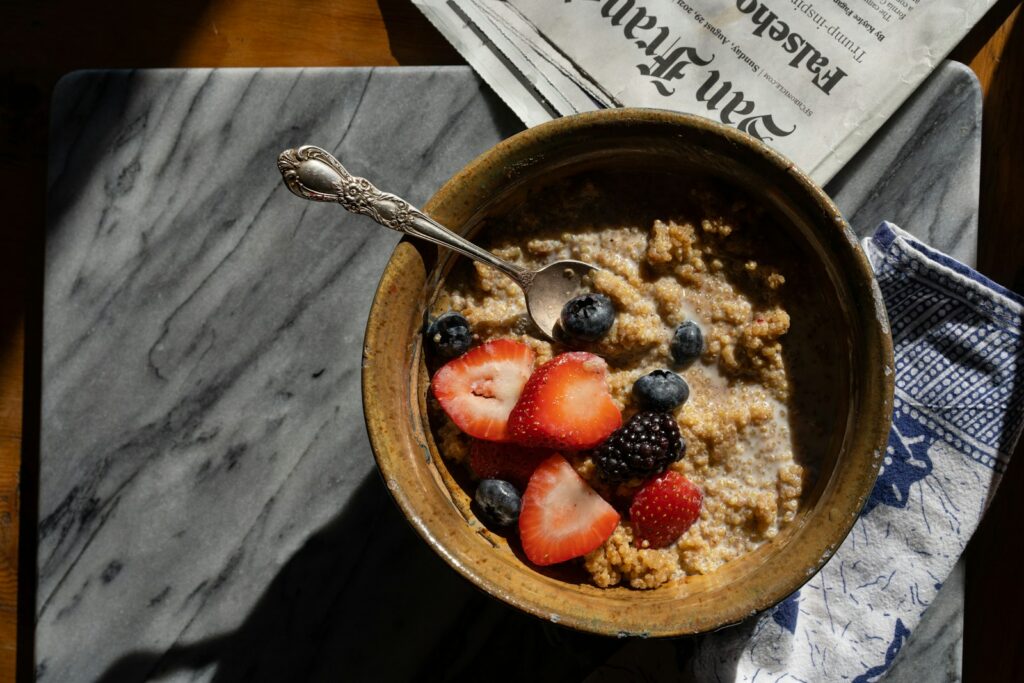
Whole grains like oats, quinoa, barley, brown rice, and farro provide fiber, vitamins, minerals, and plant compounds that support long-term health.
Unlike refined grains, whole grains retain their nutrient-rich outer layers and help support steady energy, digestive health, and cardiovascular wellness.
3. Fermented Foods
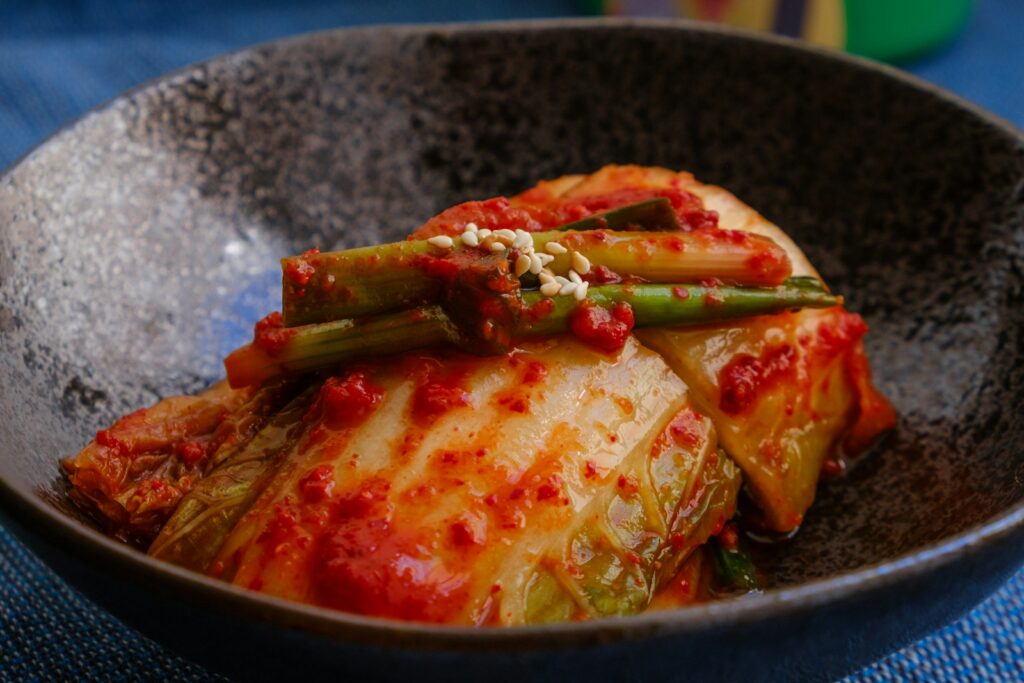
Yogurt, kefir, kimchi, sauerkraut, miso, and other fermented foods support the gut microbiome.
A healthy gut plays a role in digestion, immunity, nutrient absorption, and even mood regulation. Adding small amounts of fermented foods to your diet may help support overall resilience and well-being.
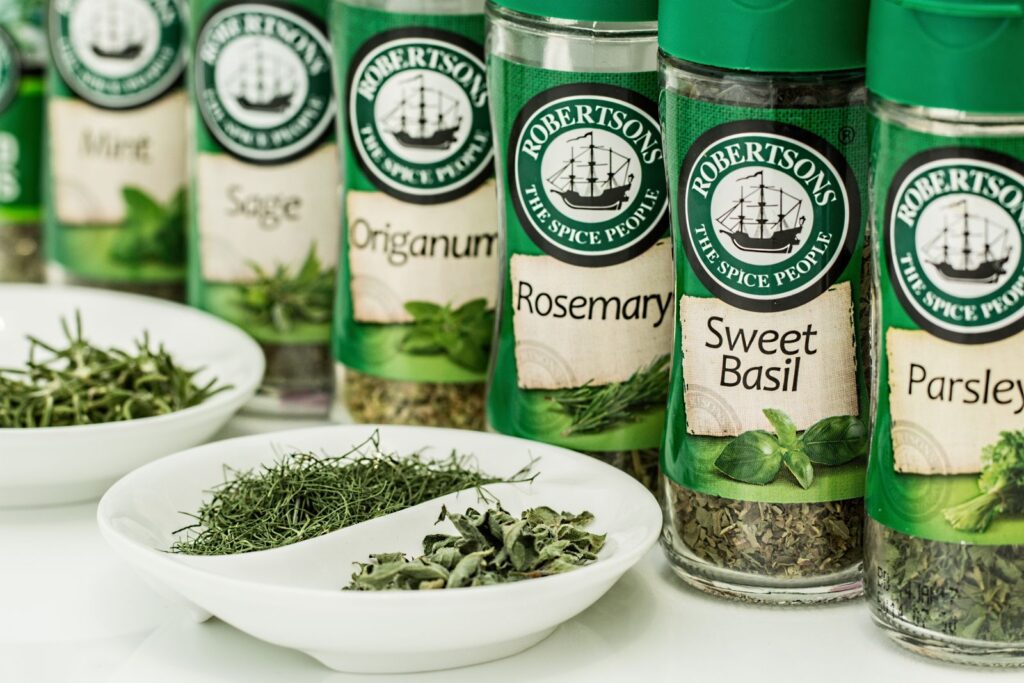
2. Herbs and Spices
Many traditional longevity-focused cuisines rely heavily on herbs and spices for both flavor and health benefits.
Turmeric, garlic, rosemary, oregano, cinnamon, and ginger contain compounds that may help combat oxidative stress and inflammation. They’re an easy way to add both flavor and nutrition without adding extra calories.
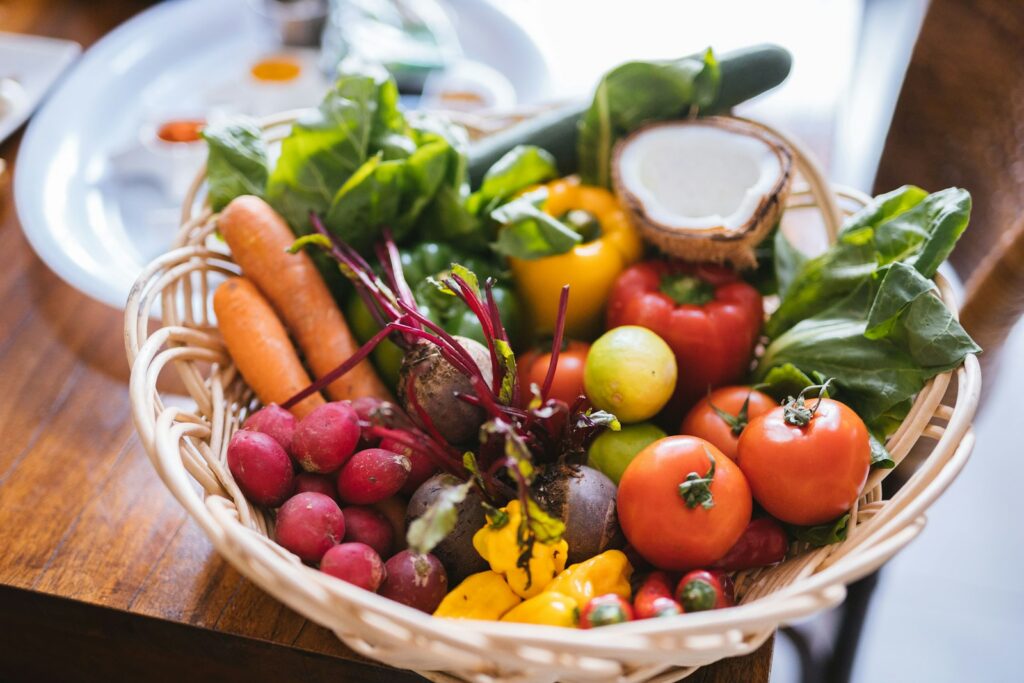
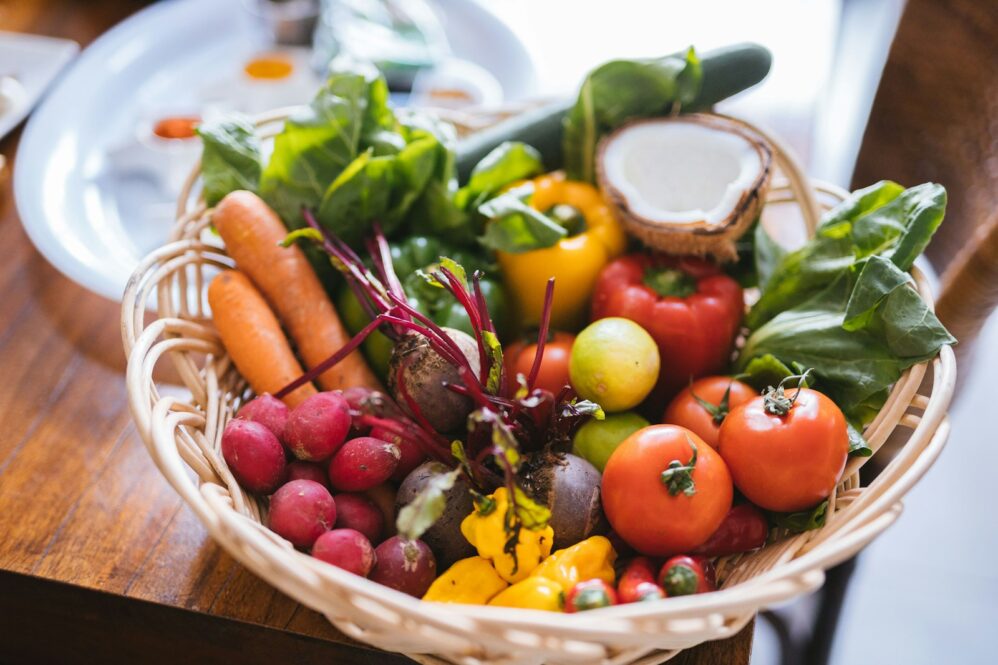
1. Colorful Vegetables
The common thread running through nearly every longevity-focused eating pattern is a high intake of vegetables.
Brightly colored vegetables like bell peppers, tomatoes, carrots, broccoli, squash, cabbage, and beets provide a wide range of vitamins, minerals, antioxidants, and fiber. The more variety and color you include on your plate, the broader the range of beneficial nutrients you’ll receive.
People living in Blue Zones don’t follow complicated diets or obsess over superfoods. Instead, they consistently eat simple, nutrient-dense meals built around plants, healthy fats, legumes, and minimally processed foods. Longevity isn’t usually about one magical ingredient—it’s about creating daily eating habits that nourish your body year after year.
Read More:
- 15 Foods That Seem Healthy but Often Aren’t
- These 15 “Healthy” Foods Are Way More Popular Than They Are Tasty
- 10 Common Foods That May Help Reduce Inflammation
Ask us! What questions do you have about content, strategy, pop culture, lifestyle, wellness, history or more? We may use your question in an upcoming article!
Like MediaFeed’s content? Be sure to follow us.
This article originally appeared on Resourcebuzz and was syndicated by MediaFeed.co.