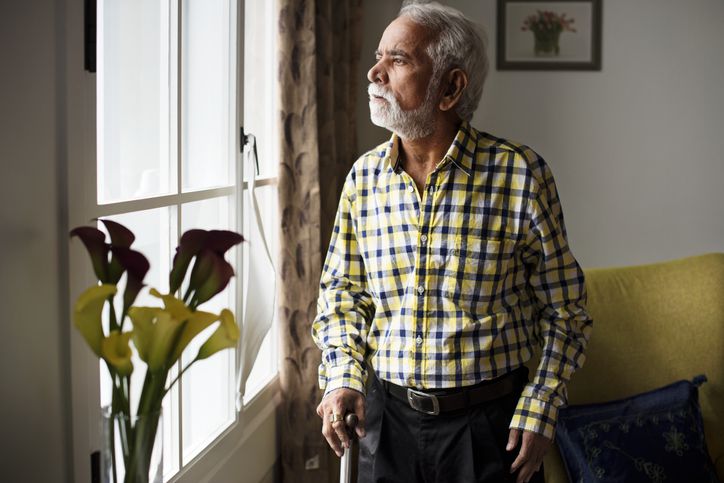
The loneliness epidemic hitting Boomers harder than any generation before
Wait, that’s not entirely true. Gen Z reports the highest loneliness rates at 79 percent, compared to just 45 percent of Baby Boomers. But here’s the twist: while younger generations experience higher loneliness levels, the detrimental effects are greater for older Americans, who experience a significant decrease in vitality scores. Gen Z feels lonelier, but Boomers suffer more from it.
The numbers tell a complicated story
More than half of Americans are lonely, with 57% reporting feeling lonely. Younger generations report higher rates than Gen X and Baby Boomers. Altogether, 54 percent of baby boomers said they had not felt lonely over the past year, compared to only 15 percent of Gen Z.
Why Boomers’ loneliness hits different
Lonely baby boomers report worse health outcomes than their non-lonely peers dramatically. Only about a third describe their health as excellent or very good, compared to 73 percent of non-lonely boomers. The physical effects of social isolation are comparable to smoking 15 cigarettes a day, according to the Surgeon General’s Advisory.
The retirement trap nobody warns you about
Retirement paradoxically increases loneliness. Wealth advisor True Tamplin notes clients regret downsizing social circles too drastically. When you leave work, you lose daily social interaction and a sense of purpose. If you also downsize your home and move, you’ve severed community ties built over decades.
Downsizing destroys more than you think
Selling your home can be traumatic, as it cuts ties with your community. Financial advisor Jim Davis warns that relocating means considering whether your new home supports vital social ties. Many retirees discover too late that friends and neighbors can’t be replaced by lower property taxes.
Social isolation increases dementia risk
Nearly one in four adults aged 65 and older is socially isolated, associated with a 50 percent increased risk of dementia. Chronically lonely older adults with heart failure are nearly four times more likely to die.
The widow/widower effect compounds everything
Death of a spouse, retirement, or loss of mobility compound loneliness risks. People who are socially engaged through cultural events experience less loneliness than those in other interventions.
Why Gen Z’s loneliness doesn’t apply to Boomers
Gen Z inherited different circumstances. Unaffordable housing, job insecurity, and social media comparisons drive their isolation. Societal expectations affect them at 16 percent, compared to 4 percent of boomers.
What actually helps Boomers combat loneliness
The solution differs across generations. Older adults can learn from younger generations by making time for relationships and pursuing interests. But Boomers need different tactics: maintaining existing community ties, staying physically active, and resisting withdrawal.
The downsizing paradox
Professional organizer Brenda Scott works with seniors who regret downsizing. The furniture they saved thousands for sells online for maybe $50. But the bigger loss isn’t necessarily financial; it’s more about the relationships severed when you leave a community. The network of neighbors, friends, and familiar faces can’t be replaced.
Impact matters more than prevalence
Gen Z is the loneliest generation by numbers. But Baby Boomers experience loneliness as a more dangerous health crisis. The combination of retirement, potential widowhood, declining mobility, and social network shrinkage creates a perfect storm. Younger people have time to rebuild. Boomers often don’t.
Ask us! What questions do you have about content, strategy, pop culture, lifestyle, wellness, history or more? We may use your question in an upcoming article!
Related:
Like MediaFeed’s content? Be sure to follow us.
This article was syndicated by MediaFeed.org.