
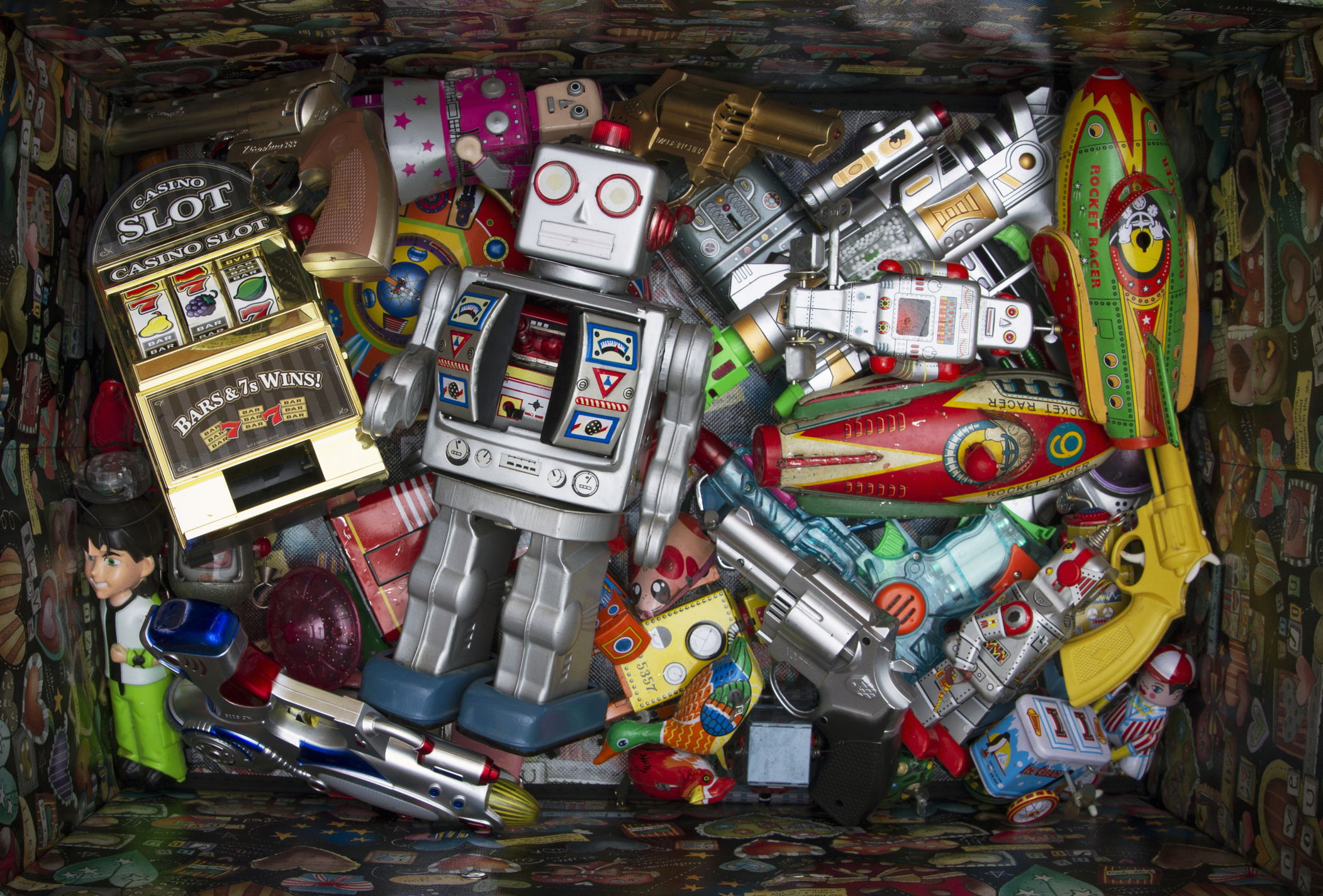
The can’t-miss Christmas toy from the decade you were born: From 1940 to 2000
Getting the He-Man action figure in the 1980s, or even a Thundercats toy, felt like discovering gold in your backyard. The most precious memento of those times we spent glued to the TV, entering a world of magical adventure where a televised fight between good and evil represented the highest risks in our lives.
Six decades of those toys follow.

1940s: The Slinky
Richard James discovered it by accident, watching a tension spring fall off a shelf and walk itself down a stack of books.
On November 27, 1945, he and his wife Betty took an initial run of 400 to Gimbel’s department store in Philadelphia and demonstrated it in person. They sold out within 90 minutes, and by year’s end they had moved more than 22,000.
A walking spring. No batteries, no instructions, no license.
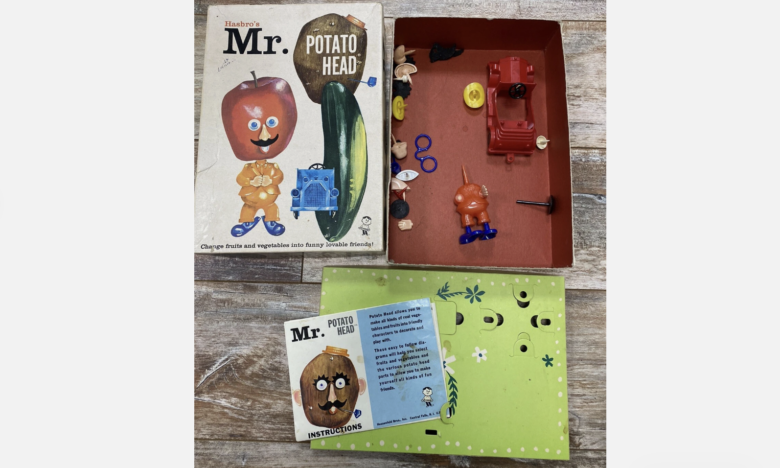
1950s: Mr. Potato Head
George Lerner’s idea was a set of plastic facial parts that children pushed into an actual kitchen potato. The Hassenfeld brothers, later Hasbro, bought the rights in 1952 and shipped 28 parts with a Styrofoam head.
It sold a million units in its first year, generated more than $4 million, and made history as the first toy ever advertised in its own television commercial. The catchphrase was “Can I have that? I want that!”
Which, in fairness, is exactly what happened.
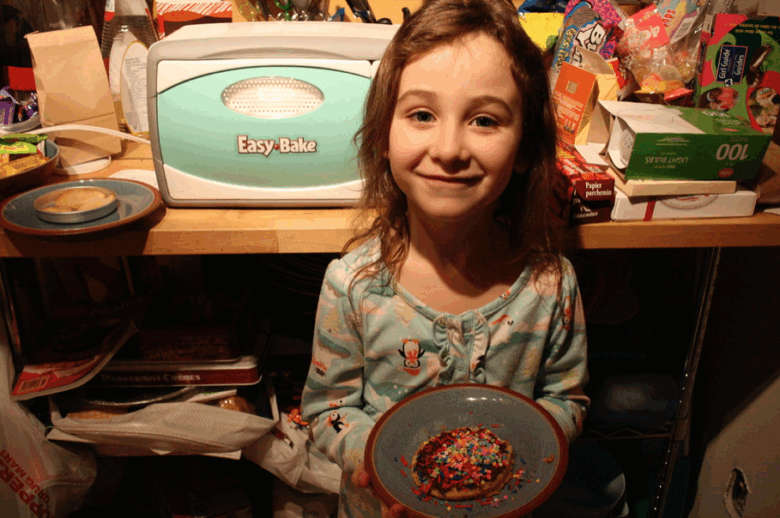
1960s: Etch A Sketch and the Easy-Bake Oven
Two breakout years, three years apart. Etch A Sketch moved 600,000 units in 1960, using aluminum powder and static charge, and was among the first toys inducted into the National Toy Hall of Fame alongside Barbie.
The Easy-Bake Oven followed in 1963 and sold half a million that year, baking brownies with two light bulbs.
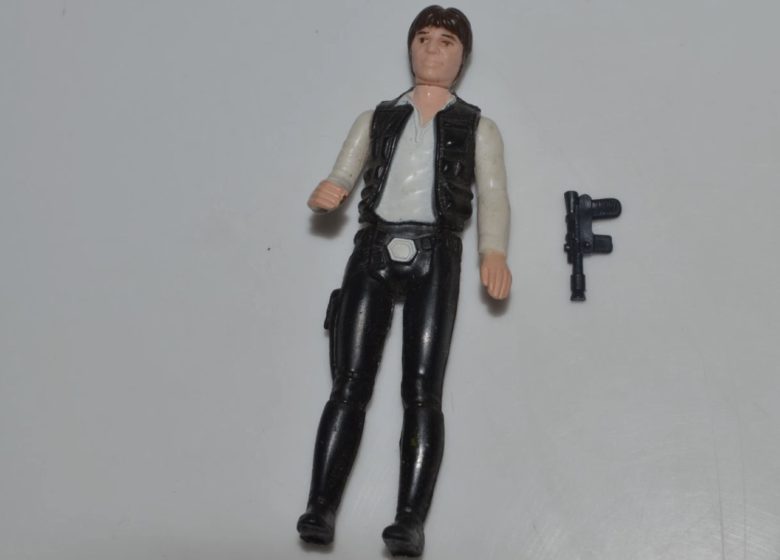
1970s: Kenner’s Star Wars action figures
The famous one, because Kenner got the timing badly wrong. The film opened in May 1977, and nobody at the company anticipated what was coming, so they had no figures to sell that Christmas.
Kenner’s solution was to sell children a certificate they could redeem later. The figures arrived in 1978 and moved 40 million units that year, with around 300 million sold between 1978 and 1985.
An empty box with an IOU in it was the hot Christmas gift of 1977. That is how badly people wanted these.
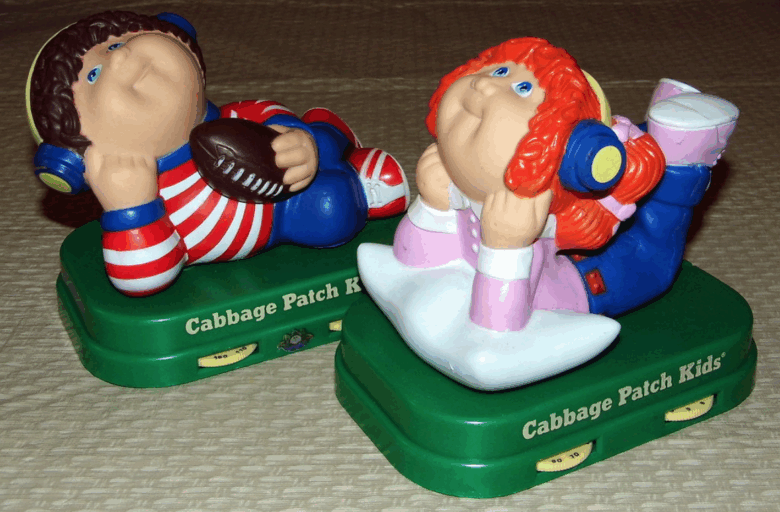
1980s: Cabbage Patch Kids
Coleco’s soft-bodied dolls had a name on the back, and you didn’t buy one; you adopted it. Three million were adopted in 1983, the first year.
People remember November 1983: crowded stores, limited stock, and parents behaving in ways they wouldn’t care to be reminded of.
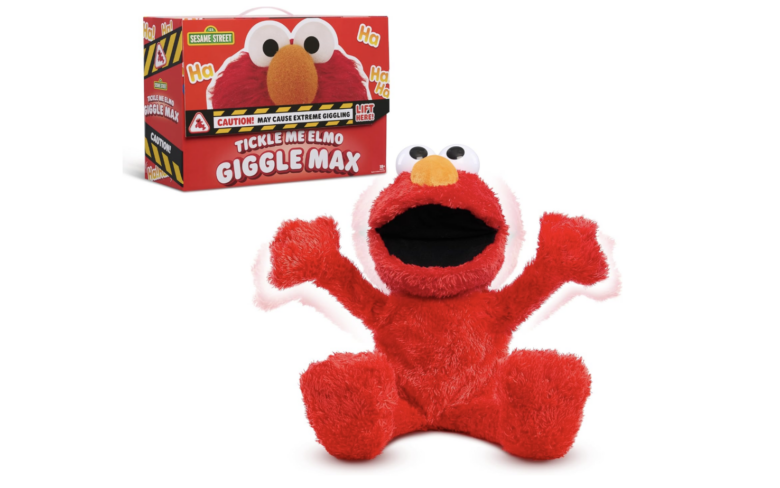
1990s: Tickle Me Elmo
Released quietly in July 1996 and not hard to find at first. Then demand arrived and didn’t let up.
It sold 1.2 million that year at a retail price of $28.99, and classified ads were asking as much as $1,500 for one.
The following year, Beanie Babies took over, and McDonald’s moved 100 million Teenie Beanies in two weeks.

The bottom line
The Jameses sold 400 Slinkys in 90 minutes at Gimbel’s in November 1945. Kenner’s Star Wars figures sold 40 million units in 1978, a year after the film that created the demand.
Ask us! What questions do you have about content, strategy, pop culture, lifestyle, wellness, history or more? We may use your question in an upcoming article!
Related:
- Vintage Christmas gifts that seemed genius at the time but didn’t age well.
- 20 songs from the 1960s that can reduce your stress instantly
Like MediaFeed’s content? Be sure to follow us.
This article was syndicated by MediaFeed.co.