Supplements That May Help—and the Ones to Think Twice About
The supplement industry is worth billions of dollars, and if you’ve ever wandered down the vitamin aisle, it’s easy to see why. Every bottle seems to promise better energy, stronger immunity, clearer thinking, improved sleep, or faster weight loss.
The reality is more complicated. Some supplements can be incredibly valuable when they address genuine deficiencies or specific health needs. Others have raced ahead of the science, backed more by clever marketing than solid evidence.
Before spending money on the latest wellness trend, it’s worth understanding which supplements are generally supported by research—and which ones deserve a little more skepticism.
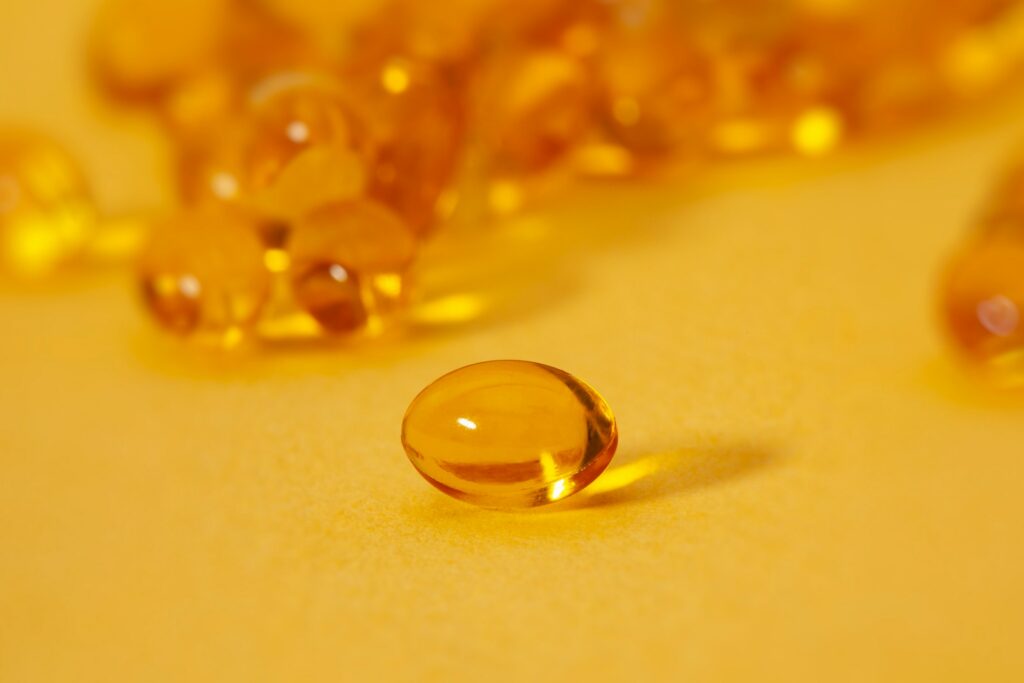
10. KEEP: Vitamin D
Vitamin D is one of the most common nutrient deficiencies worldwide.
It plays an important role in bone health, immune function, muscle strength, and mood regulation. People who live in northern climates, spend most of their time indoors, or have darker skin tones may be more likely to have low levels.
If blood testing confirms a deficiency, supplementation can be highly beneficial.

9. KEEP: Vitamin B12
Vitamin B12 is essential for nerve function, red blood cell production, and energy metabolism.
Because it’s found primarily in animal products, vegetarians, vegans, and some older adults are at higher risk for deficiency. Low B12 levels can contribute to fatigue, weakness, memory problems, and nerve issues.
For those who need it, supplementation is often highly effective.

8. KEEP: Magnesium
Many adults don’t consume enough magnesium through food alone.
This mineral supports hundreds of biological processes, including muscle function, sleep quality, blood sugar regulation, stress response, and nerve health.
Certain forms, such as magnesium glycinate and magnesium citrate, are commonly used to support relaxation and sleep.
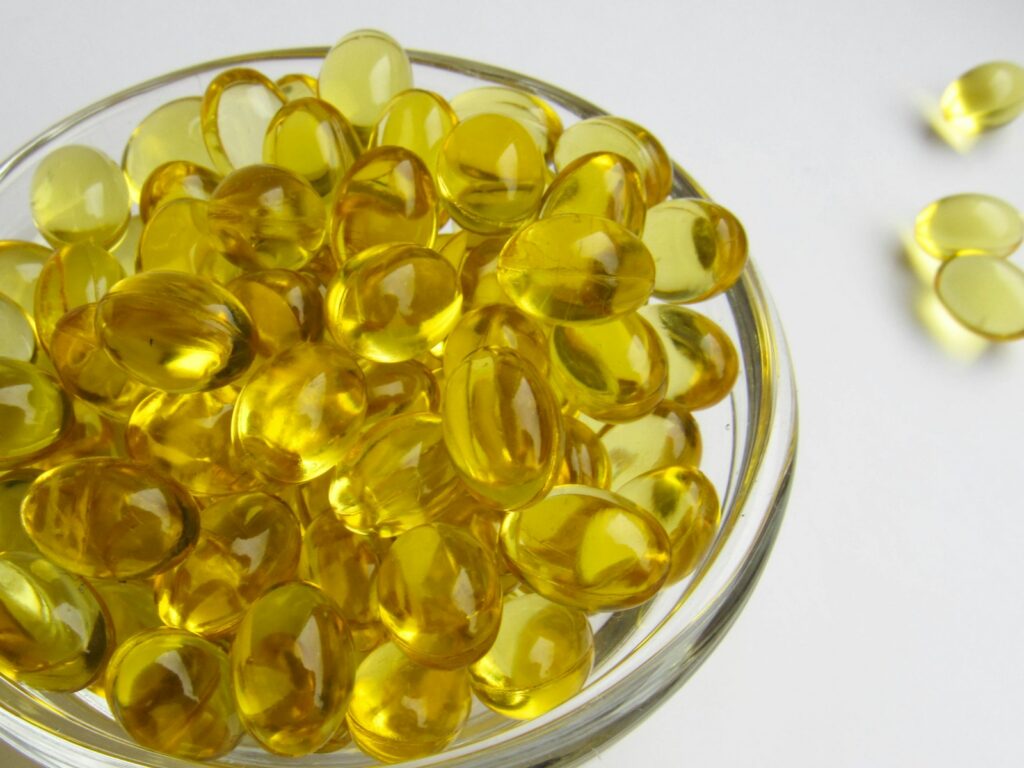
7. KEEP: Omega-3 Fatty Acids
If fatty fish rarely appear on your plate, an omega-3 supplement may be worth considering.
Omega-3s support heart health, brain function, and inflammation regulation. Fish oil and algae-based supplements can help fill nutritional gaps for people whose diets are low in these healthy fats.
They’re among the most extensively researched supplements available.

6. KEEP: Iron (When Needed)
Iron can be incredibly helpful—or potentially harmful.
For individuals with diagnosed iron deficiency or anemia, supplementation may significantly improve energy levels and overall health. However, excess iron can be dangerous, which is why testing and professional guidance are important before starting supplementation.
This is definitely not a “more is better” nutrient.

5. SKIP (FOR MOST PEOPLE): Fat Burners
Fat burners are among the most heavily marketed products in the supplement world.
Many contain stimulants that temporarily increase heart rate or suppress appetite without producing meaningful long-term weight loss. Others rely on ingredients with little scientific support.
In some cases, these products may increase the risk of side effects without delivering sustainable results.
4. SKIP: Detox and Cleanse Supplements
Your liver and kidneys already perform detoxification around the clock.
Most detox teas, cleanses, and purification supplements rely on laxatives, diuretics, or dramatic marketing claims rather than actual science. Any quick weight loss they produce is usually temporary water loss rather than meaningful health improvement.
Your body already has an excellent detox system built in.

3. SKIP (WITH CAUTION): Most “Brain Boosters”
The promise of sharper focus and better memory is understandably appealing.
While some ingredients show potential in early research, many nootropic blends combine dozens of compounds in proprietary formulas that haven’t been thoroughly studied. Long-term evidence supporting dramatic cognitive improvements remains limited.
That doesn’t mean all cognitive supplements are ineffective—it just means many claims exceed the available evidence.
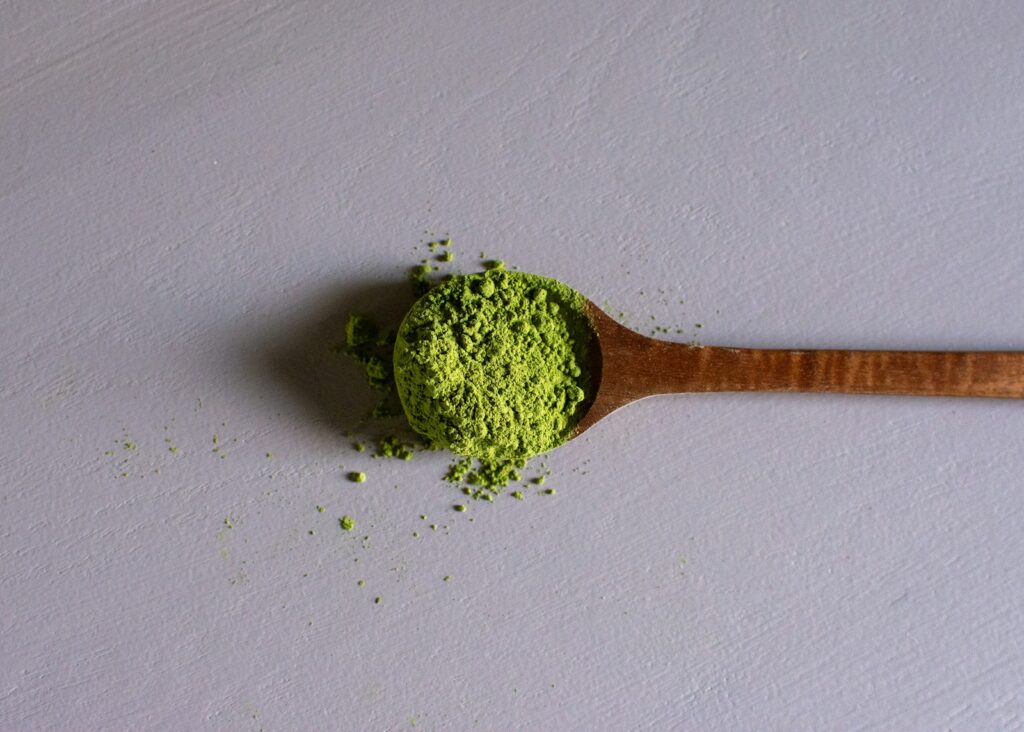
2. SKIP: Expensive Greens Powders as a Vegetable Replacement
Greens powders can provide vitamins, minerals, and plant compounds, but they’re often marketed as substitutes for eating vegetables.
That’s where the problem begins.
Whole fruits and vegetables provide fiber, water, antioxidants, and countless beneficial compounds that powders simply can’t replicate. Greens supplements may be useful as a backup, but they shouldn’t replace actual produce.
Think of them as supplements—not shortcuts.

1. SKIP (FOR MOST HEALTHY ADULTS): Mega-Dose Multivitamins
Multivitamins aren’t necessarily harmful, but many healthy adults don’t need high-dose formulas if they already eat a balanced diet.
In some cases, excessive intake of fat-soluble vitamins such as A, D, E, and K can create problems over time. More isn’t always better when it comes to nutrients.
Targeted supplementation based on actual needs is often more effective than taking a giant nutritional “just in case” pill every day.

Bonus: Collagen Falls Somewhere in the Middle
Collagen supplements deserve their own category.
Some research suggests they may modestly support skin hydration, elasticity, and joint comfort, but the evidence remains mixed. While many people swear by them, the benefits are generally less dramatic than marketing materials suggest.
A protein-rich diet, adequate vitamin C intake, and proper hydration may provide many of the same building blocks your body uses to produce collagen naturally.
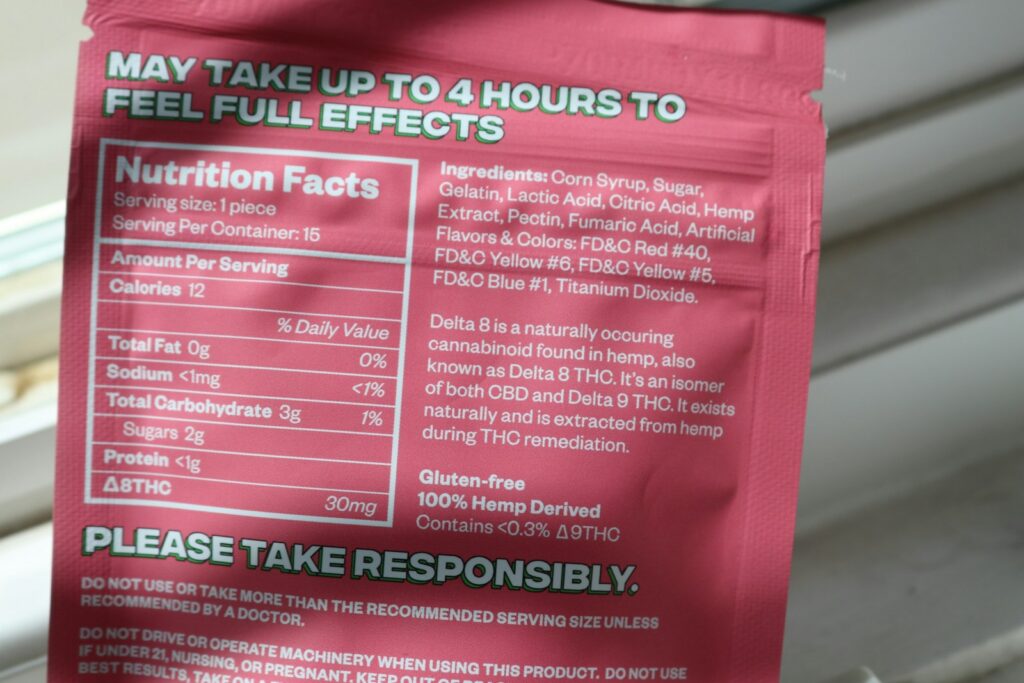
Read Labels Like a Skeptic
Before buying any supplement, ask yourself a few simple questions:
- Do I actually need this nutrient?
- Could I get it through food instead?
- Is there solid research supporting its use?
- Has the product been third-party tested?
- Am I taking it for a real health goal or a marketing promise?
The answers can save you a surprising amount of money.
Read More:
- Can’t Sleep? Here’s Why You Should Get Out of Bed
- 10 Sneaky Signs Stress Is Taking a Bigger Toll Than You Realize
- 15 Health Myths Medical Experts Wish Would Finally Go Away
Ask us! What questions do you have about content, strategy, pop culture, lifestyle, wellness, history or more? We may use your question in an upcoming article!
Like MediaFeed’s content? Be sure to follow us.
This article originally appeared on Resourcebuzz and was syndicated by MediaFeed.co.