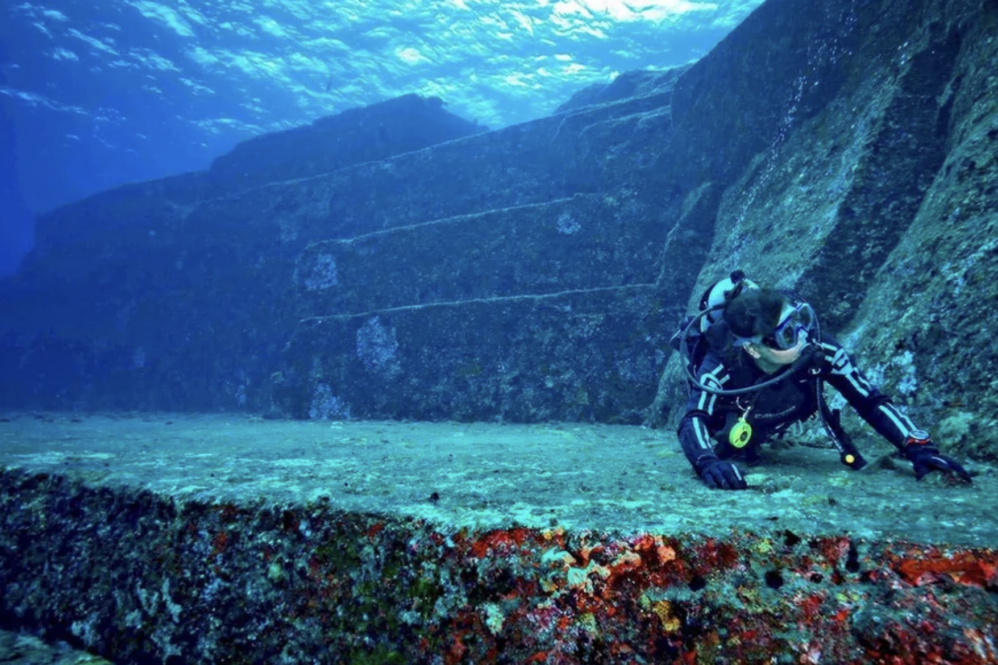
Strange underwater structures that scientists still can’t fully explain
Plato described a civilization swallowed by the sea over two thousand years ago, and the search for it never really stopped. Sonar and diving technology were supposed to settle the question eventually. Instead, they keep turning up formations strange enough to keep the search alive in a much more literal sense.
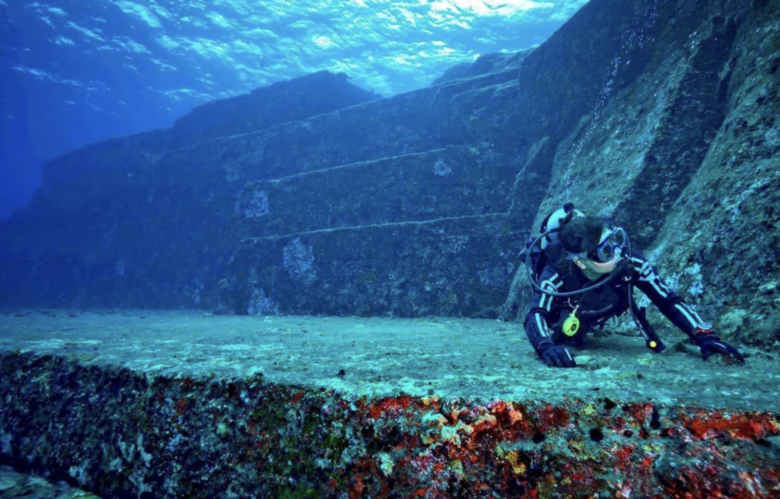
A rock formation off Japan looks like a staircase. Nobody agrees on who built it, or if anyone did.
The Yonaguni Monument stretches over 165 feet, with flat surfaces and sharp right angles carved into stone that either came from human hands or from sandstone fracturing exactly the way sandstone naturally fractures. Marine geologist Masaaki Kimura has argued for human construction for decades. Most geologists studying the site favor the natural explanation instead. No full excavation has ever settled it either way.
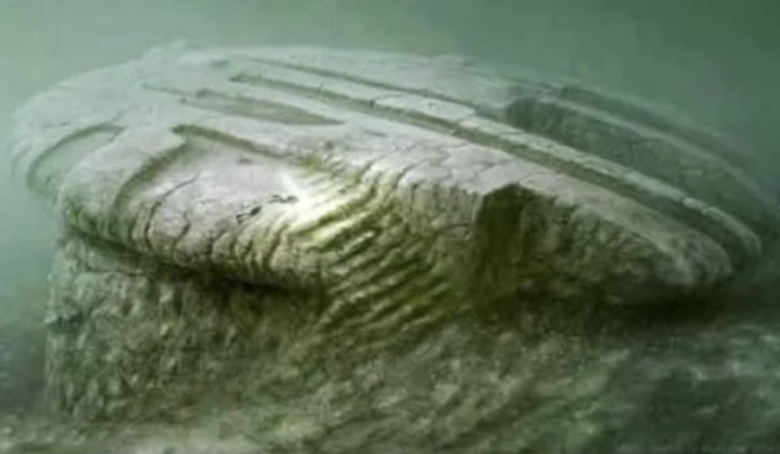
The Baltic Sea Anomaly
Two hundred feet across, disc-shaped, with something that looks like a runway leading up to it on sonar. Swedish treasure hunters found it in 2011, and the internet did the rest, sunken UFO theories stacked on top of Cold War military speculation. Most geologists point to a natural glacial deposit. Nobody’s run the follow-up survey that would actually close the file.
/ Reddit Forum / Reddit
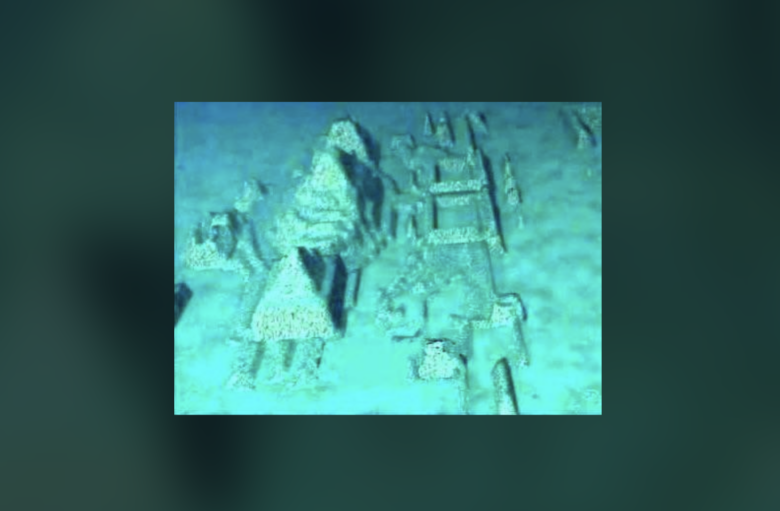
2,000 feet down, off the coast of Cuba, sonar picked up something shaped like pyramids
A marine geologist reviewing the 2001 images did the math on how long it would take stone structures to sink that deep naturally: roughly 50,000 years. No known human civilization existed that far back. The images sit filed as an anomaly, neither confirmed nor dismissed, because nobody’s gone back down to actually check.
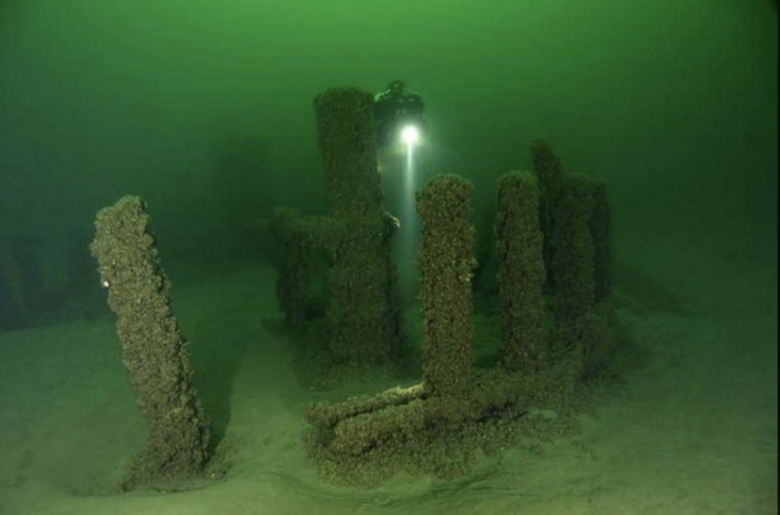
A ring of stones under Lake Michigan carries a carving of an animal extinct for 11,000 years
Divers found two concentric rings back in 2007, connected to a line of stones running over a mile across the lakebed. A 2025 sonar pass confirmed the detail that makes the whole site strange: one boulder shows a carved mastodon, an animal that vanished from North America millennia before any confirmed regional civilization existed to carve anything.
Dwarka
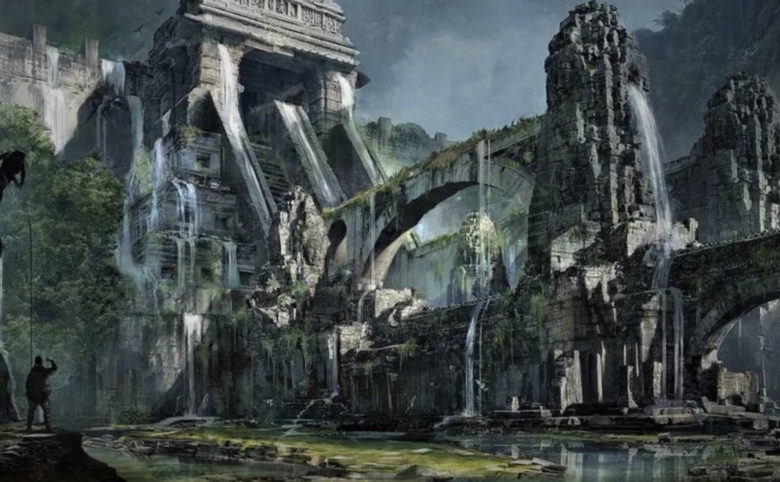
Sonar off India’s Gulf of Khambhat picked up geometric patterns and structural shapes in the early 2000s, alongside carbonized wood samples dated to roughly 9,500 years old. Skeptics call it natural rock misread by sonar. Believers say it could rewrite the settlement timeline for an entire region by thousands of years. Neither side has the data to force the other to back down.

The bottom line
Every structure here has real evidence attached to it, sonar, sediment, geology. None of it adds up to a conclusion everyone actually accepts, which is exactly the gap that keeps this particular question alive.
Ask us! What questions do you have about content, strategy, pop culture, lifestyle, wellness, history or more? We may use your question in an upcoming article!
Related:
- Historical “discoveries” that turned out to be elaborate hoaxes
- Some of the most surprising record deals in music history
Like MediaFeed’s content? Be sure to follow us.
This article was syndicated by MediaFeed.co.