Strange historical artifacts that science still can’t explain
Most archaeological mysteries eventually crack. A better dating method shows up, a related dig turns up context, and a decades-old puzzle resolves itself without much fanfare.
A handful haven’t. Not from lack of trying, and not because the researchers involved were fringe theorists chasing headlines. Here are a few of them.
The Voynich Manuscript
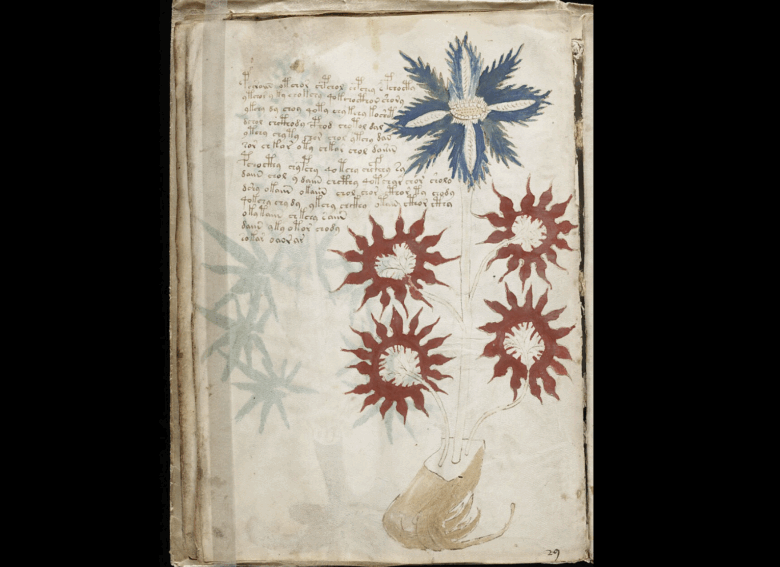
240 pages. Zero readable words. The manuscript is illustrated with plants that match no known species and diagrams nobody can categorize, all written in a script that has never been decoded. Carbon dating puts the vellum in the early 15th century. Codebreakers from both World Wars tried and failed, which is a strange kind of credential for a manuscript to hold.
The Phaistos Disc
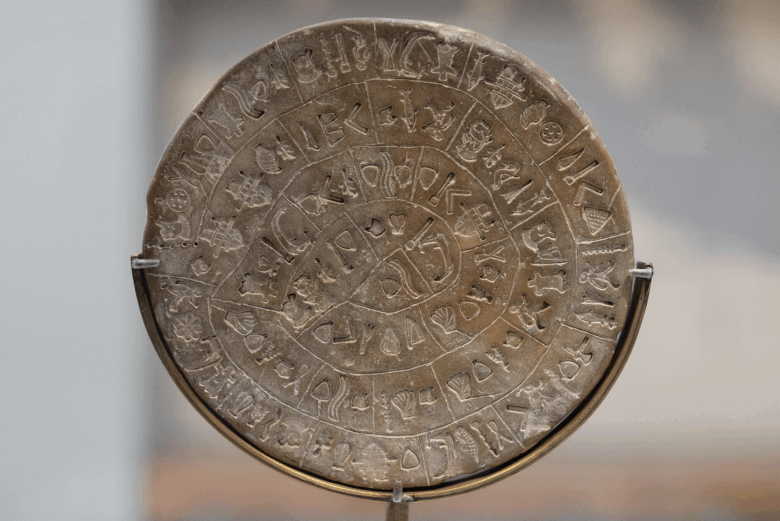
One disc. 241 symbols. No second example anywhere on Earth. Discovered on Crete in 1908, the disc was stamped, not carved, using a method highly unusual for its era, closer to a printing press than to hand engraving. Nothing else like it has ever surfaced, anywhere, which makes context nearly impossible to build.
The Antikythera Mechanism
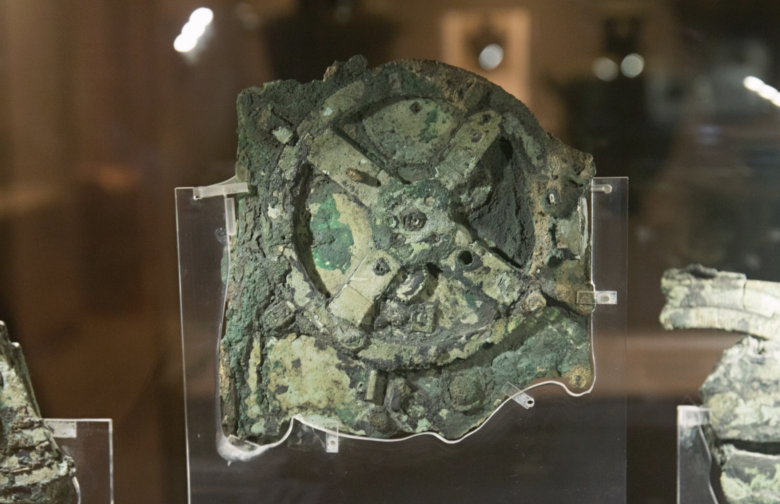
The device that shouldn’t have existed yet. Pulled from a Greek shipwreck in 1901, this bronze mechanism used over 30 interlocking gears to track eclipses and astronomical cycles with precision nothing else from antiquity comes close to matching. We understand how it works. What’s still missing is every intermediate technology that should have existed before something this advanced could get built.

The Baghdad Battery
A jar, a rod, and a genuine argument among archaeologists. Found near Baghdad, roughly 2,000 years old, this clay jar holds a copper cylinder and an iron rod, arranged in a way that could generate a weak charge if filled with acid. Battery or coincidence. Nobody’s settled it.
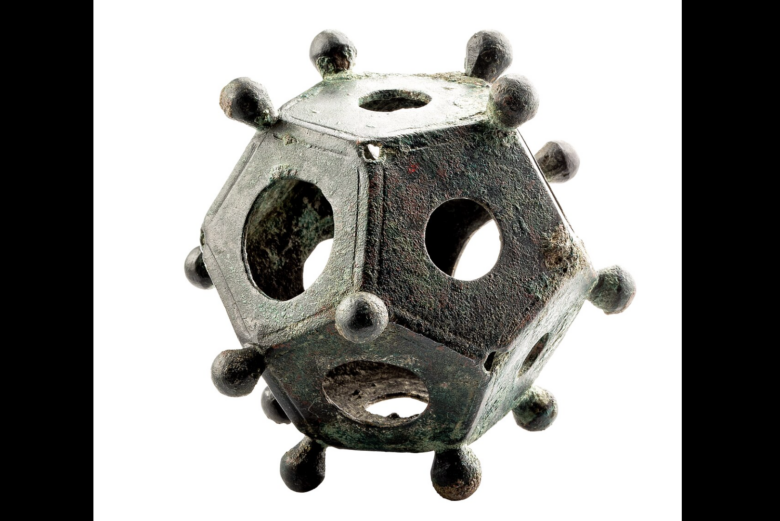
The Roman Dodecahedra
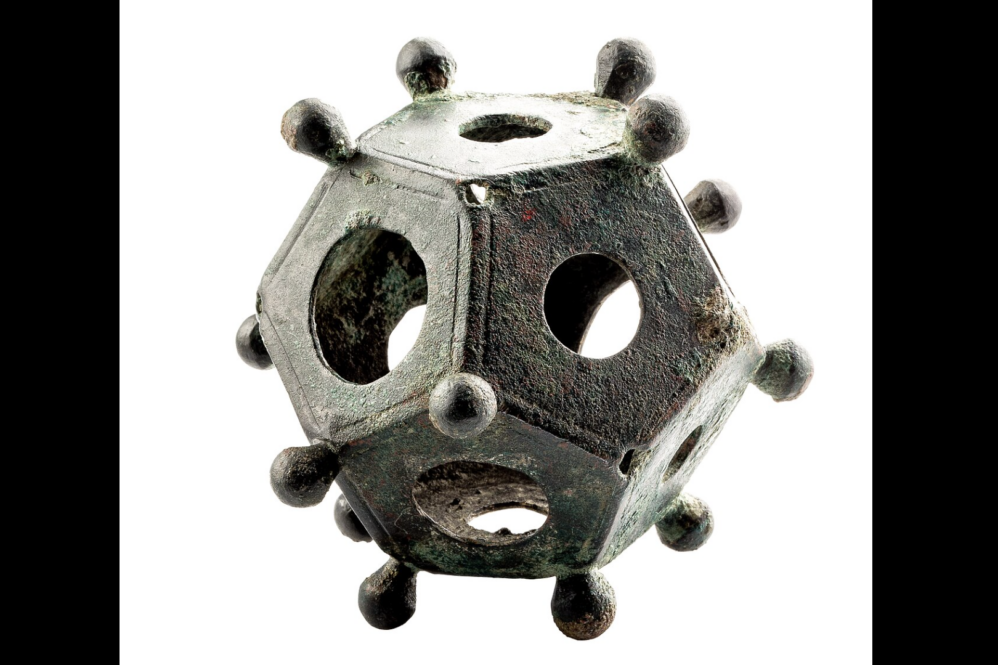
Over a hundred found. Zero ancient texts that mention them. These small, hollow, twelve-sided bronze objects, each face punched with a circular hole of a different size, are scattered across the former Roman Empire. No surviving Roman writing references them at all, so the purpose (measuring tool, religious object, knitting aid) is genuinely just a guess dressed up as a theory.
The bottom line
Real specialists, real methods, real dead ends. Some questions from far enough back in history simply don’t have enough surviving evidence left to answer, no matter how good the next round of researchers turns out to be.
Ask us! What questions do you have about content, strategy, pop culture, lifestyle, wellness, history or more? We may use your question in an upcoming article!
Related:
- Historical “discoveries” that turned out to be elaborate hoaxes
- Some of the most surprising record deals in music history
Like MediaFeed’s content? Be sure to follow us.
This article was syndicated by MediaFeed.co.