7 sleeping positions cats only use when they feel totally safe
Dogs make trust easy. Hand out affection generously enough, and most dogs will meet it halfway without much evaluation.
Cats run a longer application. Sleep is where the results of that application actually show up, since it’s the single most vulnerable state any animal enters, and a cat doesn’t drop its guard there for just anyone.
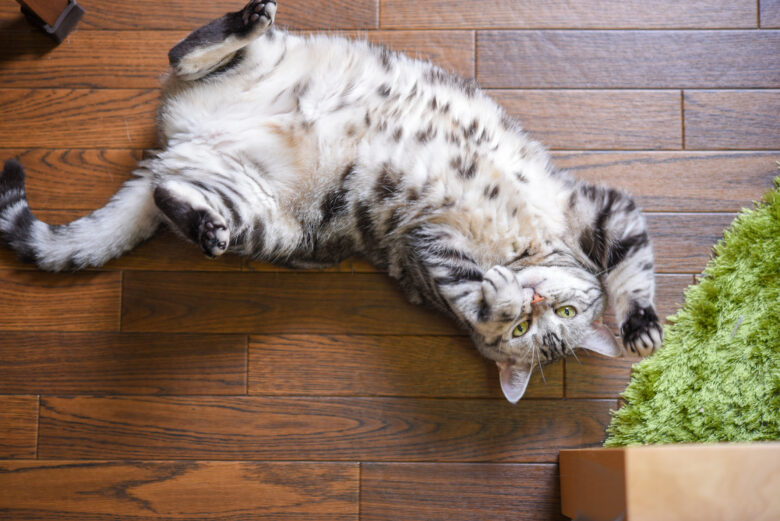
The belly, fully exposed, on purpose
Nothing on a cat’s body is less protected. Nothing gets guarded more instinctively, either. Sleeping flat on the back with the stomach fully exposed is about as close to a maximum trust signal as the species has, and plenty of comfortable, well-adjusted cats still never do it.
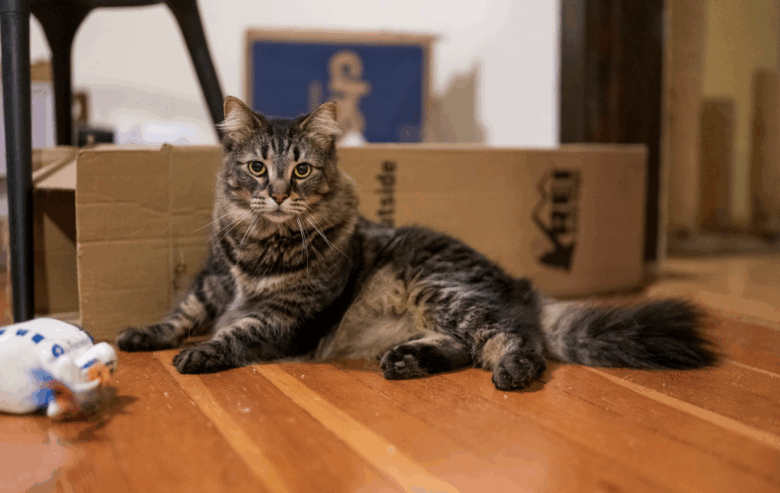
Legs extended. Guard down. Reaction time sacrificed.
The side sprawl is one notch below the full belly-up flop, but it’s still a real departure from instinct. Stretching out with legs straight rather than tucked leaves the belly partly open and slows down how fast a cat could spring up if startled. That tradeoff only gets made somewhere already proven safe.
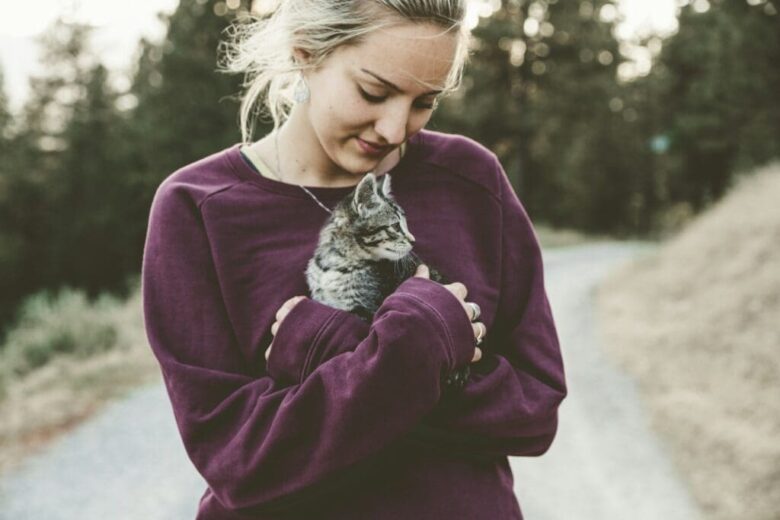
Pressed directly against you. Not near you. Against you.
Proximity during sleep isn’t casual for an animal built around solitary vigilance. A cat choosing to sleep touching a specific person runs the same instinct that has wild felines resting near trusted group members, treating a steady heartbeat and body heat as the permission slip to power down completely.
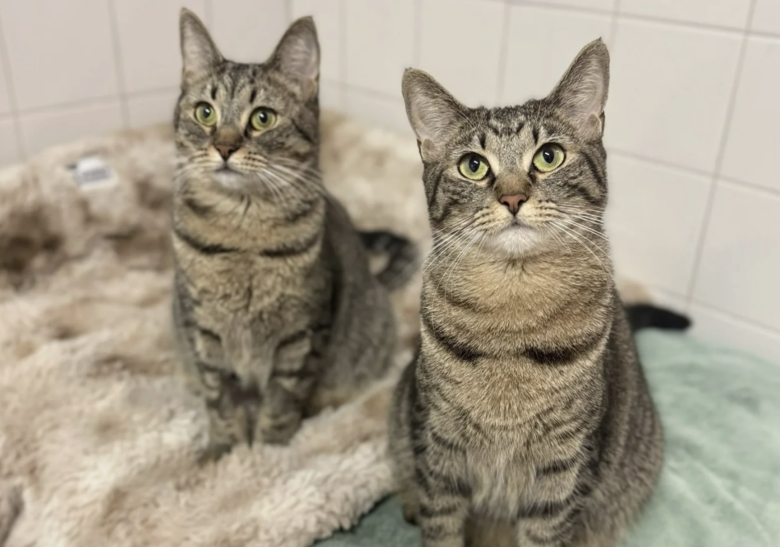
The old man pose
Sitting upright, tail wrapped neatly around the paws, looks alert. It partly is. It’s also a position that leaves the belly available for a quick groom, and it only gets adopted somewhere a cat already feels secure enough to relax into, even for the twenty minutes it usually lasts.
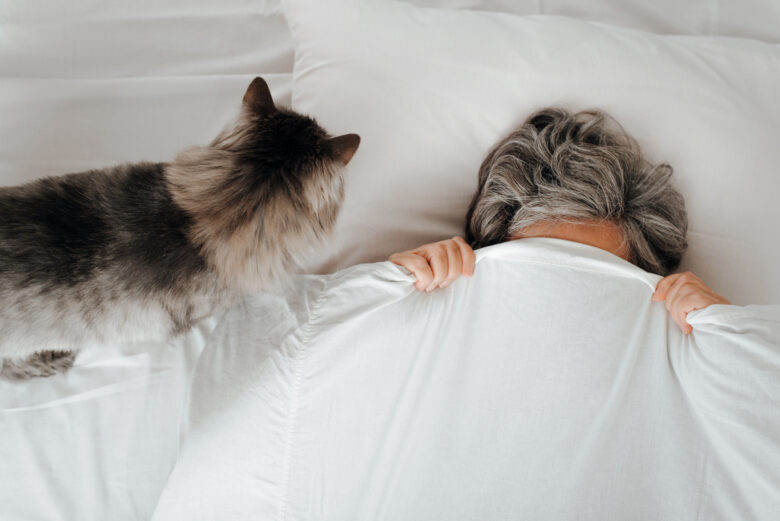
Sleeping on a chest, right over the heartbeat
This one echoes exactly what a kitten feels pressed against its mother. Cats that consistently choose a person’s chest over any other spot in the house have built a real bond with that specific human, and it ranks among the most affectionate positions a cat has available to it.
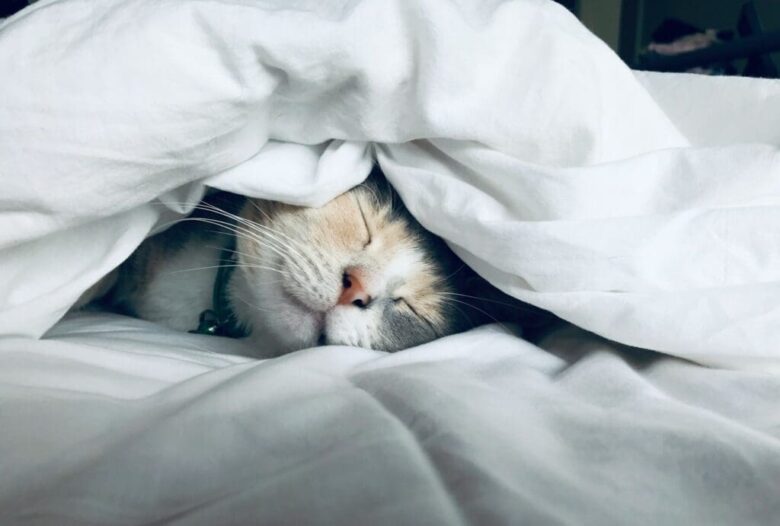
Twitching paws. Fluttering whiskers. Actual dreaming.
Reaching real REM sleep means dropping guard almost entirely, which most cats simply won’t do somewhere unfamiliar. A cat that only ever light-naps in new environments but drops into visibly twitching, deep sleep at home has crossed a line most predator-prey animals never cross outside their own territory.
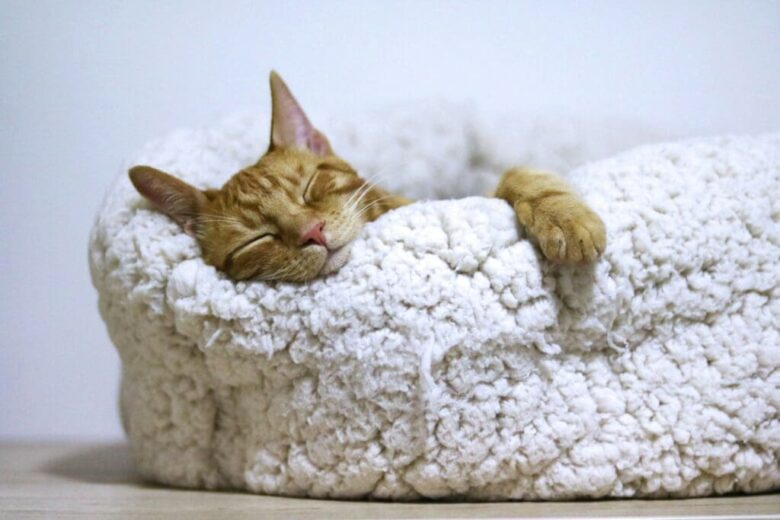
Sprawled out in the middle of the living room floor
Hiding is the default response to uncertainty. Choosing the open middle of a high-traffic room instead, in full view, with no nearby furniture cover, means the cat has already ruled out threats from the space itself, not just from the people standing in it.
The bottom line
Every position on this list costs a cat something: reaction time, protection, vigilance, whatever instinct usually demands. Paying that cost around one specific person or place is trust, expressed entirely through posture instead of anything resembling a word.
Ask us! What questions do you have about content, strategy, pop culture, lifestyle, wellness, history or more? We may use your question in an upcoming article!
Related:
Like MediaFeed’s content? Be sure to follow us.
This article was syndicated by MediaFeed.co.