
Smart pill dispensers and health monitors for peace of mind
Remember when managing your health meant keeping a single bottle of aspirin in the medicine cabinet alongside perhaps a bottle of vitamins and some cold remedy that lasted for years? Those simpler times have given way to complex prescription regimens where many adults juggle five, ten, or even fifteen different medications that must be taken at precise times, with specific foods, and never mixed with certain other drugs. The overwhelming complexity of modern healthcare management has created dangerous situations where missed doses, accidental double-dosing, and drug interactions threaten health outcomes that medications were supposed to improve.
Technology now offers solutions that act like having a trusted family member constantly watching over your medication routine and vital signs, providing security and support without sacrificing the independence that makes life worth living. Bright pill dispensers eliminate the confusion of multiple bottles while automated health monitors track vital signs that might indicate problems before they become emergencies. These devices represent a fundamental shift in how families can support aging parents or manage their own complex health needs while maintaining dignity and autonomy.
These innovations don’t replace your personal autonomy or decision-making ability; instead, they enhance it by ensuring you can manage your health confidently, while giving distant family members genuine peace of mind about your well-being. The right combination of smart devices creates safety nets that catch problems before they become crises, allowing everyone involved to worry less and live more fully while maintaining the independence that defines quality of life for people of all ages.
Hero Health: the comprehensive medication manager
Hero Health’s intelligent system sorts and dispenses multiple medications on precise schedules, sends automatic alerts to designated family members, and connects directly with pharmacies for seamless prescription refills, eliminating the need for any effort. The sleek device holds up to a 90-day supply of ten different medications, automatically dispensing the correct pills at the right times while tracking every dose for comprehensive medication management. Family members receive real-time notifications when medications are taken or missed, allowing adult children to stay connected to aging parents’ health routines without intrusive daily phone calls that can strain relationships.
The system prevents dangerous drug interactions by maintaining a complete medication profile that pharmacists can review before adding new prescriptions. In contrast, ensuring medications are taken at optimal times for maximum effectiveness, rather than simply whenever someone remembers, is crucial. The device eliminates confusion about which pills to take when, reducing the cognitive burden of managing complex medication schedules that can overwhelm even sharp minds dealing with multiple chronic conditions. Real-time adherence data enables doctors to understand actual medication compliance, rather than relying on patient memory during brief office visits, which leads to more accurate treatment adjustments and improved health outcomes.
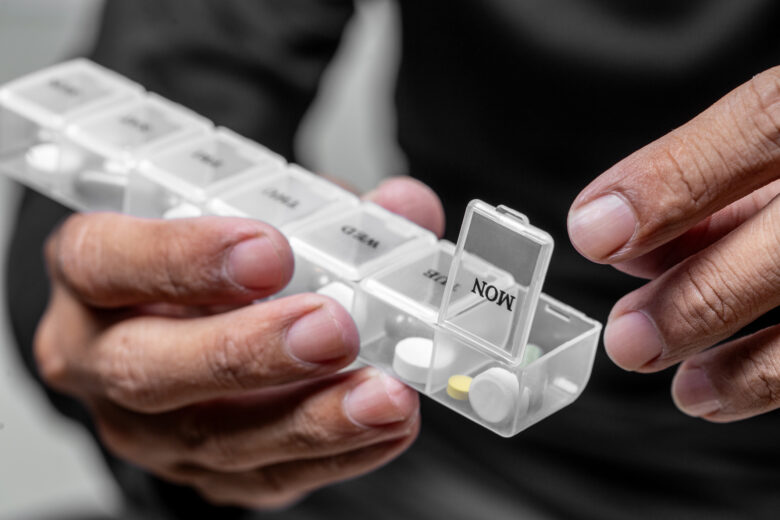
PillPack by Amazon Pharmacy: pre-sorted simplicity
PillPack delivers medications pre-sorted into clearly labeled packets, organized by date and time, eliminating the need to manage multiple prescription bottles that can lead to confusion and medication errors. Each individually sealed packet displays exactly what medications to take and when, with large, clear printing that’s easy to read without hunting for reading glasses or deciphering tiny pharmacy labels. The service automatically coordinates with doctors and insurance companies, handling refills and prior authorizations without requiring any effort from patients or family members, who previously spent hours navigating healthcare bureaucracy.
Family members can monitor medication adherence through smartphone apps that show when packets are opened, providing visibility into health routines without feeling intrusive or controlling. The system works particularly well for people traveling frequently or split their time between different residences, as the portable packets eliminate the need to transfer pills between containers or remember which medications have already been taken. Monthly deliveries arrive in discreet packaging that maintains privacy while ensuring no one ever runs out of critical medicines due to forgetting to call for refills or missing pharmacy trips during busy weeks.

TimerCap: smart bottle technology
TimerCap replaces regular prescription bottle caps with intelligent versions that automatically track when bottles are opened and send customizable reminders for missed doses through smartphone notifications. The simple LCD display on each cap shows exactly how long it’s been since the bottle was last opened, eliminating uncertainty about whether you already took your morning pills or just thought about it. This familiar format appeals to people who prefer keeping medications in original pharmacy bottles rather than transferring pills to unfamiliar dispensing devices that can feel institutional or impersonal.
The objective medication adherence data generated by Bright Caps helps healthcare providers make more informed treatment decisions based on actual compliance patterns rather than patient estimates that often prove inaccurate during medical appointments. Doctors can see whether medications aren’t working due to the drugs themselves or simply because patients struggle to remember doses, leading to more appropriate treatment adjustments. The caps are compatible with any standard prescription bottle, making them easy additions to existing medication routines without requiring complete system overhauls that might overwhelm individuals already struggling with health management complexity.
E-pill MedSmart PLUS: voice-guided assistance
The e-pill MedSmart PLUS combines flashing lights, loud alarms, and clear voice instructions to ensure medications are never forgotten, even by people with hearing or vision impairments that make subtle reminders ineffective. The lockable design prevents accidental overdoses while maintaining easy access for authorized users, particularly important in households where curious grandchildren visit regularly. The device handles up to fourteen different medications with completely independent timing for each, making it perfect for managing the complex prescription regimens that often become necessary when dealing with multiple chronic conditions that require different dosing schedules.
The audio-visual alert system proves especially valuable for people who might sleep through quiet phone alerts or forget to check visual reminders during busy days filled with activities and appointments. Large, clearly labeled compartments make it easy to load medications correctly, while the voice guidance walks users through each dose to prevent taking pills from the wrong compartment. The system maintains detailed logs of medication adherence that can be printed or emailed to healthcare providers, creating objective records that support insurance claims and help doctors understand why treatments may not be producing expected results.
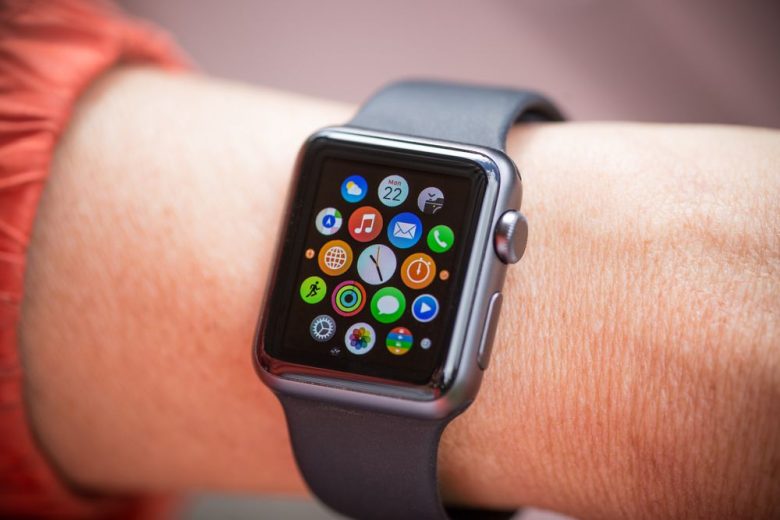
Apple Watch Series: the wrist-worn guardian
Apple Watch’s fall detection technology automatically senses hard falls. It initiates emergency calls if the wearer doesn’t respond within sixty seconds, providing crucial protection for people living alone who might be injured and unable to call for help for hours. The watch continuously monitors heart rate patterns throughout the day and night, detecting irregular rhythms that might indicate atrial fibrillation or other cardiac issues requiring medical attention. Emergency SOS functionality provides one-button access to emergency services with automatic location sharing, while designated emergency contacts receive immediate notifications that help might be needed.
The FDA-cleared heart rhythm analysis can detect atrial fibrillation with accuracy comparable to traditional EKG machines, catching potentially life-threatening conditions before they cause strokes or other serious complications. Activity tracking encourages healthy movement patterns while fall risk assessments help identify when someone might benefit from physical therapy or home safety modifications. The device integrates seamlessly with iPhone health apps that consolidate medical information, making it easy to share comprehensive health data with doctors during appointments or emergencies.
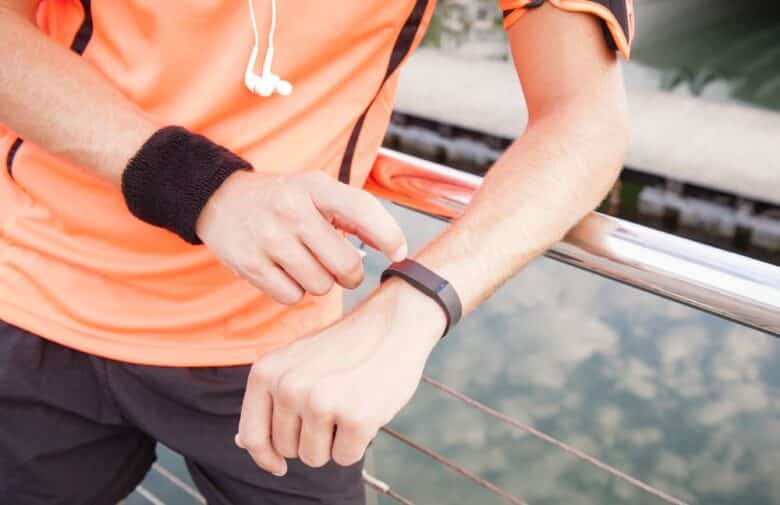
Fitbit Sense: stress and heart health focus
The Fitbit Sense monitors stress levels through electrodermal activity sensors that detect minute changes in skin conductance, providing guided breathing exercises and meditation prompts when elevated stress levels threaten health. The continuous heart rhythm analysis detects irregular heartbeats that might indicate cardiac issues, generating detailed reports that can be shared directly with cardiologists through the app. Advanced sleep tracking monitors sleep stages throughout the night, providing insights about rest quality that prove crucial for overall health maintenance and recovery from illness.
The device’s stress management tools prove particularly valuable for people dealing with chronic conditions where anxiety and stress can trigger symptom flares or interfere with healing processes. Detailed activity tracking helps users maintain movement goals tailored to their fitness levels, while the device’s long battery life enables continuous health monitoring for days without requiring removal for charging. The simplified interface makes it accessible for people who might be intimidated by complex technology, while family sharing features allow trusted relatives to check on activity levels without being intrusive.
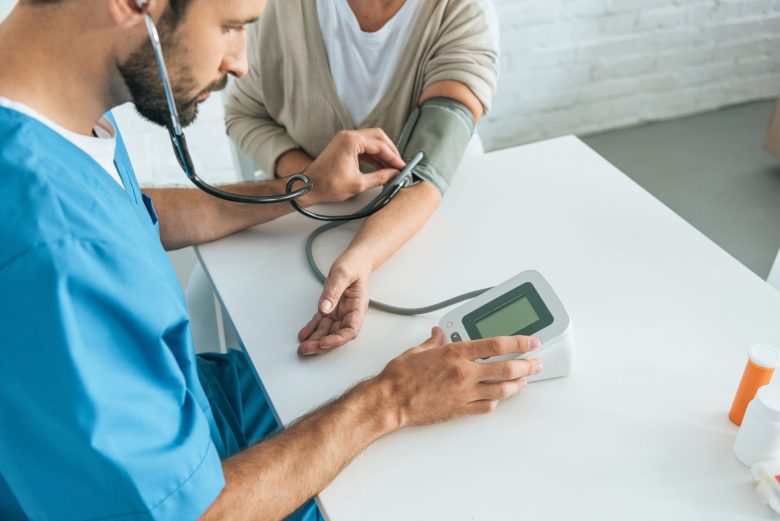
Omron HeartGuide: blood pressure on your wrist
Omron HeartGuide provides the first wearable blood pressure monitor with clinical-grade accuracy, eliminating the need for separate cuff devices that many people forget to use regularly. The device continuously monitors blood pressure patterns throughout normal daily activities, identifying specific triggers like stress, certain foods, or particular situations that cause dangerous spikes. Trend tracking reveals how blood pressure changes throughout the day, enabling doctors to determine the optimal timing for medications that may work better when taken at specific times.
The detailed reports generated by continuous monitoring enable healthcare providers to make more informed decisions about blood pressure medication adjustments, based on real-world data rather than single measurements taken during brief office visits. The device captures white coat hypertension and other measurement anomalies that can lead to incorrect diagnoses or inappropriate medication changes. Automatic data syncing with smartphone apps creates comprehensive records that can be easily shared with healthcare teams. At the same time, alert features warn users about potentially dangerous readings that may require immediate medical attention.
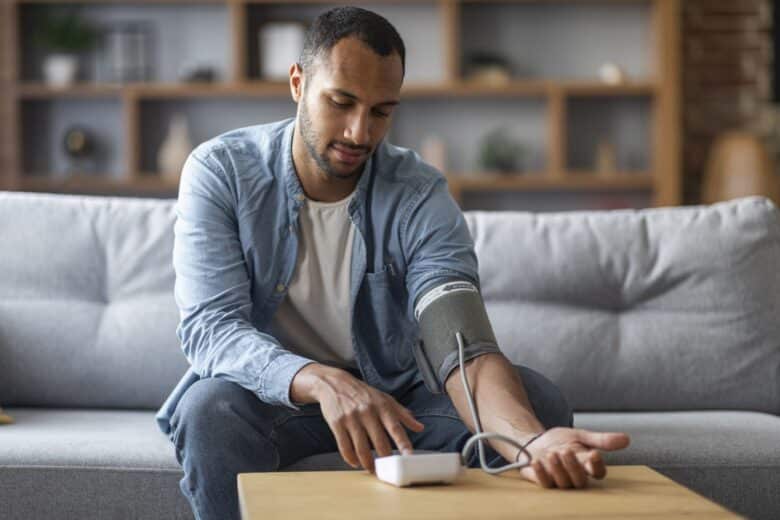
Dexcom G7: continuous glucose monitoring
The Dexcom G7 provides real-time blood sugar readings every minute, eliminating the need for painful finger pricks, and reveals glucose trends and patterns that are invisible when using traditional spot-check testing methods. Predictive alerts warn about dangerous blood sugar changes before they become medical emergencies, often preventing hospitalizations that result from undetected hypoglycemia or severe hyperglycemia. Family sharing features enable trusted relatives to remotely monitor glucose levels, providing a safety net for individuals living alone without requiring constant phone calls that can feel intrusive.
The continuous data stream reveals how specific foods, activities, medications, and stress levels affect blood sugar throughout the day, enabling more precise diabetes management than ever before possible. Users learn which foods cause unexpected spikes, how exercise affects glucose levels hours later, and when medication timing needs adjustment for optimal control. The small, discreet sensor can be worn during all normal activities, including showering and swimming, making diabetes management far less disruptive to daily life than traditional testing methods that require multiple finger pricks throughout the day.

Conclusion
These devices enhance rather than diminish personal autonomy by providing the safety nets needed to remain independent longer while managing complex health conditions that might otherwise require assisted living arrangements. The objective health data reduces worry and potential family conflict by eliminating arguments about whether someone is taking medications properly or monitoring their health adequately. Better health outcomes result from continuous monitoring and proper medication management, which lead to fewer emergencies, more effective treatments, and a higher quality of life for everyone involved in care management.
Innovative health technology represents a fundamental shift in how families can support aging relatives or manage their own complex medical needs while preserving the dignity and independence that make life worth living. The peace of mind these systems provide allows everyone to focus on enjoying life rather than constantly worrying about health crises that might be developing unnoticed. Explore our other health technology and wellness management articles here at MediaFeed, where we continue exploring how modern innovations help people maintain independence, improve health outcomes, and enjoy a better quality of life throughout every stage of aging.
Related:
- 10-minute, science-backed daily routines that can clear brain fog
- 10 expert-backed ways to grow thicker hair
Like MediaFeed’s content? Be sure to follow us.
This article was syndicated by MediaFeed.org.