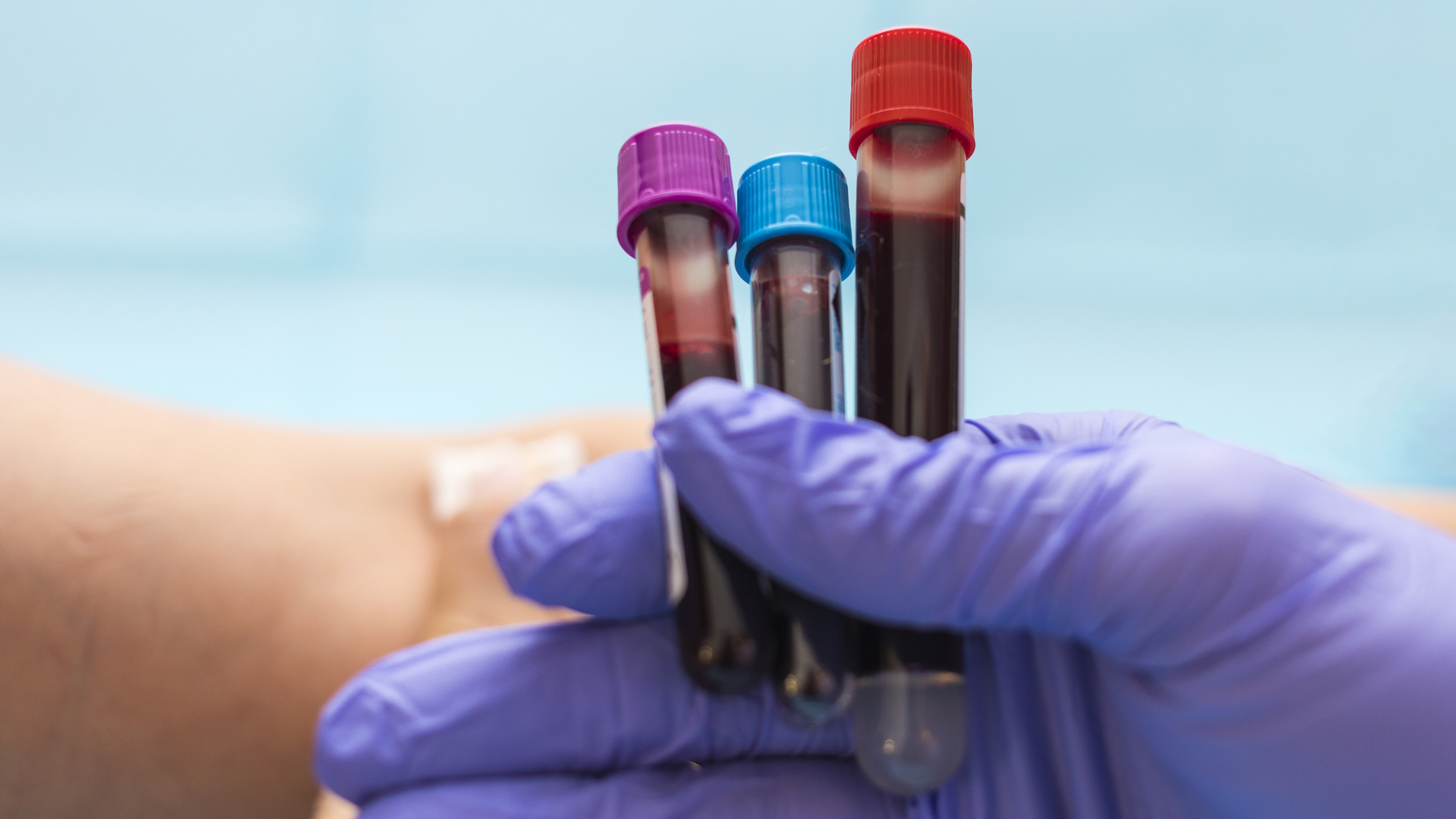
We have written before about which blood tests seniors should get and why routine testing changes outcomes. But what about the tests that do not appear on a standard order?
Strong peer-reviewed evidence supports them, but most primary care doctors never think to add them. Knowing their names before your next appointment is the most direct way to close that gap.
Apolipoprotein B
The standard lipid panel reports LDL cholesterol as a concentration, which measures how much cholesterol is in those particles. What it cannot tell you is how many particles are circulating in your bloodstream. That number is what ApoB measures. A 2024 study found that ApoB is a more precise marker for assessing cardiovascular risk than LDL or HDL, and that patients with low LDL but high ApoB still show significantly elevated plaque risk. Roughly half of adults with elevated ApoB have no idea because their standard cholesterol panel looks fine.
Lipoprotein(a)
Lp(a) is a cholesterol particle with a largely genetic origin. Lifestyle changes barely affect it. The 2026 ACC/AHA dyslipidemia guidelines now recommend measuring it at least once in adulthood, yet most primary care panels never include it. Elevated Lp(a) raises heart attack and stroke risk independently of LDL, meaning a patient with a clean lipid panel and high Lp(a) is carrying a risk their doctor cannot see. Research from 2024 found that cardiovascular disease risk was highest when Lp(a), homocysteine, and high-sensitivity CRP were elevated together, reinforcing that each biomarker catches something the others miss.
Homocysteine
Elevated homocysteine, an amino acid that rises when B vitamin metabolism is impaired, damages arterial walls and promotes clot formation. The same 2024 research found that elevated homocysteine was independently associated with both coronary heart disease and stroke risk. It is highly modifiable: B6, B12, and folate supplementation can significantly reduce levels. The test is inexpensive and rarely ordered unless a doctor decides to ask for it specifically.
High-sensitivity CRP
Standard CRP tests detect acute infection and inflammation. High-sensitivity CRP (hs-CRP) detects low-grade chronic inflammation associated with cardiovascular disease before any event occurs. An hs-CRP above 2 mg/L is considered elevated for cardiovascular risk purposes. It is not the same test as the CRP that might appear on a basic panel. When requesting it, ask for hs-CRP by name.
Ferritin
Ferritin measures iron stores, but it also rises significantly with inflammation, liver stress, and metabolic syndrome. A ferritin result in the normal range can mask true iron deficiency if inflammation is driving it upward, while a very high ferritin in an older adult can signal non-alcoholic fatty liver disease or other metabolic problems that a standard panel would not catch. Clinical guidance recommends interpreting ferritin alongside CBC results and hs-CRP rather than reading it in isolation.
Wrap up
None of these tests is exotic. All are available through standard labs and covered by most insurance when there is documented risk. Bring the names to your next appointment.
Ask us! What questions do you have about content, strategy, pop culture, lifestyle, wellness, history or more? We may use your question in an upcoming article!
Related:
Like MediaFeed’s content? Be sure to follow us.
This article was syndicated by MediaFeed.org.