Pigmentation removal: What actually works for age spots
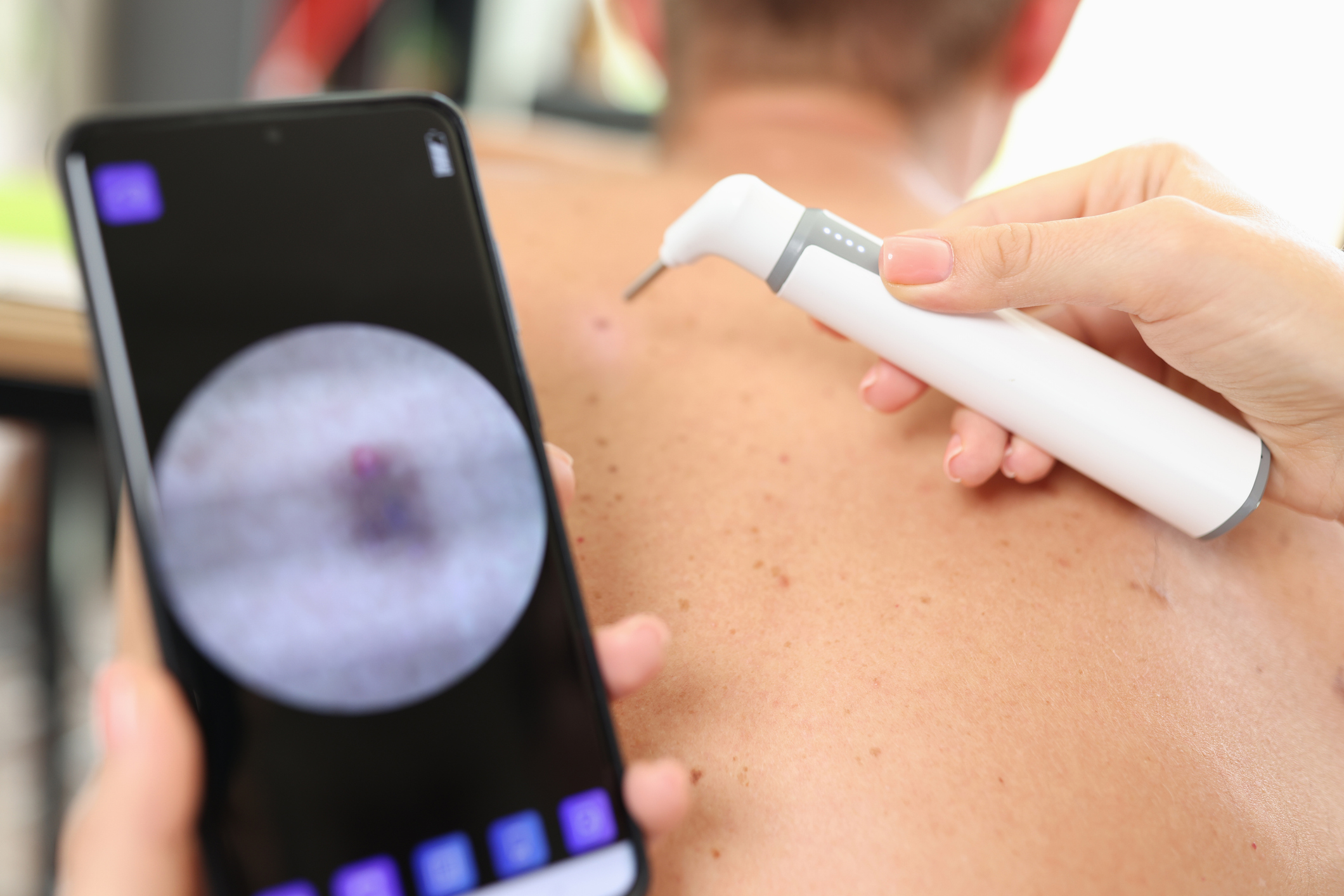
Age spots, medically referred to as solar lentigines, are areas of increased pigmentation caused by long-term exposure to ultraviolet light. The primary cause of age spots is cumulative UV radiation exposure, which over time triggers excess melanin production that clusters in certain areas of the skin. If you want your age spots to be less noticeable, treatments are available to lighten or remove them.

Prescription creams work but take months
Applying prescription bleaching creams like hydroquinone alone or with retinoids and a mild steroid might gradually fade the spots over several months. Hydroquinone is a bleaching agent that can interrupt melanin formation, though it’s important to use the cream as directed. Overusing hydroquinone can actually worsen hyperpigmentation through a process called ochronosis.

Over-the-counter options provide modest results
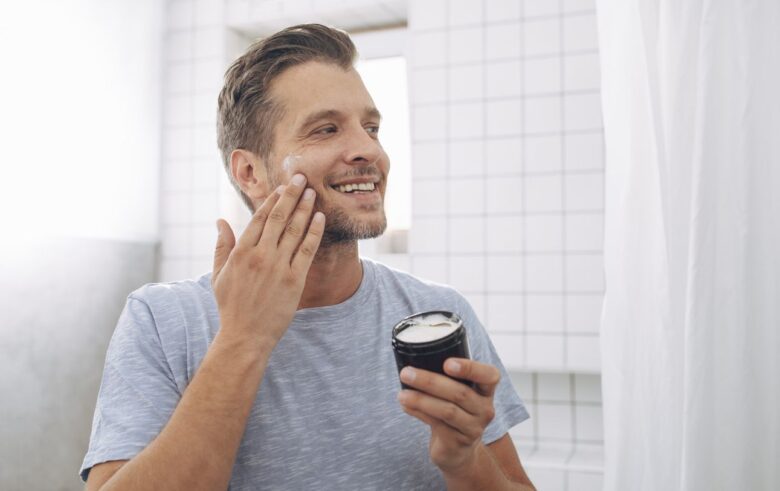
If you want to try an over-the-counter face cream, choose one that contains hydroquinone, glycolic acid or kojic acid. Kojic acid blocks tyrosinase, an enzyme involved in pigment formation, while niacinamide reduces inflammation and evens tone. Best for those with mild spots and lighter skin tones, visible fading occurs in 4 to 12 weeks with daily use, but results are modest.

Chemical peels exfoliate pigmented layers
Chemical peels use acids to exfoliate the top skin layers, removing pigmented cells and revealing fresher skin beneath. Light peels using glycolic acid treat surface spots, while medium peels using TCA address deeper ones. The Melanage Skin Lightening System is the most effective chemical peel for the reduction of unwanted skin pigment. Expect 3 to 6 sessions spaced 4 to 6 weeks apart, with 3 to 7 days of redness and peeling.

Laser treatments offer the fastest results
Laser age spot treatment targets melanin with focused energy, breaking it down for natural elimination by the body. The Candela Gentlelase Alexandrite laser is the most effective treatment option for individual brown spots, with just 1 to 3 treatments performed 4 to 6 weeks apart, providing desired results. A single Fraxel treatment can improve the skin up to 50 percent, with one treatment costing around $1,500 to $2,000.

Q-switched lasers shatter pigmentation precisely
Q-switching refers to how the laser’s energy is delivered, with the pulse width being a billionth of a second. This is much faster than other non-Q-switched lasers. For a Q-switched laser, the ultra-short pulses deliver a photo-mechanical shockwave that shatters the pigment and stimulates remodeling in the upper layers of the skin. Treating one or two areas of the face with deep sun damage will cost around $800 to $1,500.
IPL treats broad areas but less precisely
Intense pulsed light treatment, commonly referred to as IPL, delivers high-intensity light into the skin to destroy both vascular and pigmented lesions. It is performed as a field treatment rather than focally on individual brown spots. If you choose to have the whole face treated with IPL laser, that can cost about $600 or more. IPL is a great option when immediate improvement in overall skin clarity is desired.

Cryotherapy provides a budget-friendly option
Freezing or cryotherapy treats the spot by using a cotton-tipped swab to apply liquid nitrogen for five seconds or less. If you have individual spots treated with just cryotherapy or liquid nitrogen, that can be fairly inexpensive, with the cost around $200 or so. This procedure is best for small numbers of isolated spots rather than widespread discoloration.

Long-term costs favor professional treatments
If you purchase retinol cream every two months and a hydroquinone cream four times a year, between age 21 and 56 you will end up spending $14,627, which is more than $8,000 more than four Fraxel laser treatments. Unlike creams and serums that provide temporary results, laser treatment targets the root of the problem by breaking down the pigments that cause the dark spots. This means that the results can last for years.

Takeaway
There is no permanent solution for pigmentation reduction, as pigment cells will continue to produce pigment as we age in response to hormones and sun exposure. However, topical medical-grade creams, oral prescriptions, laser treatments or other cosmetic procedures can reduce or remove pigmentation effectively.
Ask us! What questions do you have about content, strategy, pop culture, lifestyle, wellness, history or more? We may use your question in an upcoming article!
Related:
- Functional vs. conventional blood testing: Which is right for you?
- The most important labs for men at every age
Like MediaFeed’s content? Be sure to follow us.
This article was syndicated by MediaFeed.org.