Osteoporosis at 65: The bone density test your doctor forgot to order
You turned 65, got your Medicare card, and scheduled your annual checkup. But there’s a screening many doctors forget to mention, even though every woman 65 and older should have one. The bone density test sits in that frustrating category of preventive care that’s recommended but somehow slips through the cracks. By the time most people learn they have osteoporosis, they’ve already suffered a preventable fracture.
The screening guidelines are crystal clear
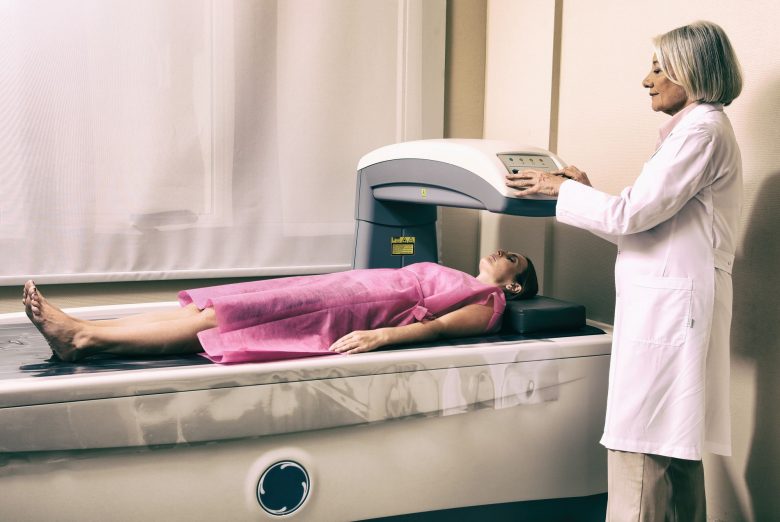
The US Preventive Services Task Force recommends screening for all women aged 65 and older. The test, called a DEXA scan, takes about 10 minutes and uses less radiation than a cross-country flight. It’s covered by Medicare. Yet many women sail past their 65th birthday without anyone mentioning it.

The stakes are higher than you think
Osteoporosis affects 27.1 percent of women 65 and older. The condition causes bones to become thin and brittle. Only 40 to 60 percent of people who experience a hip fracture ever recover their prefracture mobility.

Most fractures happen in people without diagnosed osteoporosis
The condition is called a silent disease because bone loss progresses without symptoms until something breaks. Early detection through screening lets you address bone loss before it reaches crisis levels. Treatment options work best when started early, before bones become severely weakened.

The test itself couldn’t be simpler
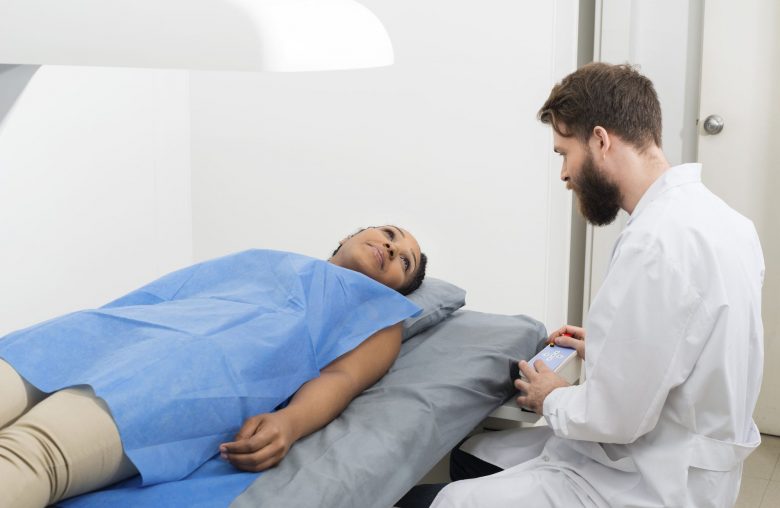
During a DEXA scan, you lie on a padded table while a scanning machine passes over your body. You can usually keep your clothes on. The technician scans your lower spine, hip, or wrist to measure bone density. Results come as T-scores that compare your bone density to that of healthy young adults.

Understanding your results matters
A T-score of -1 or higher means normal bone density. Between -1 and -2.5 indicates osteopenia. A T-score of -2.5 or lower means osteoporosis. The lower your score, the higher your fracture risk. Your doctor uses these numbers to determine whether you need treatment.

Treatment exists and actually works
If your scan shows low bone density, your provider will recommend steps to prevent further bone loss. These include weight-bearing exercise, ensuring adequate calcium and vitamin D, and potentially prescription medications. Treatment works much better before you’ve already broken something.

Why doctors forget to order the test
Screening guidelines don’t always translate to clinical practice. Doctors juggle dozens of recommendations for preventive care. According to medical quality measures, bone density testing competes with blood pressure checks and cancer screenings. Some providers assume patients will request the test. Others simply forget.
You need to ask for it specifically
Don’t wait for your doctor to remember. At your next appointment, say explicitly that you want a bone density test. Medicare covers it.

Wrap up
Treatment takes time to show results, usually at least 18 months. The earlier you catch bone loss, the better your options work. The test your doctor forgot isn’t optional—it’s essential care that could save you from life-altering fractures.
Ask us! What questions do you have about content, strategy, pop culture, lifestyle, wellness, history or more? We may use your question in an upcoming article!
Related:
Like MediaFeed’s content? Be sure to follow us.
This article was syndicated by MediaFeed.org.