Only people who grew up in 1962 can name all of these household objects
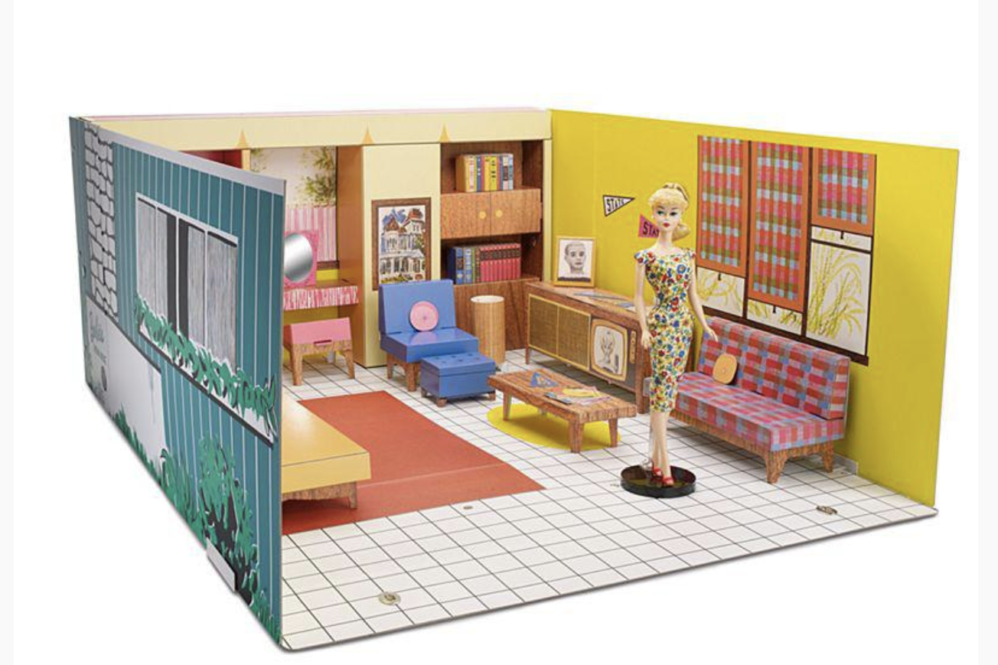
Barbie got a house in 1962, and it was made of cardboard.
Some of what follows arrived that year. Some had existed for a while and only reached the whole country in 1962, and we say which is which.
Seven objects, and where each one came from.
The Arco lamp
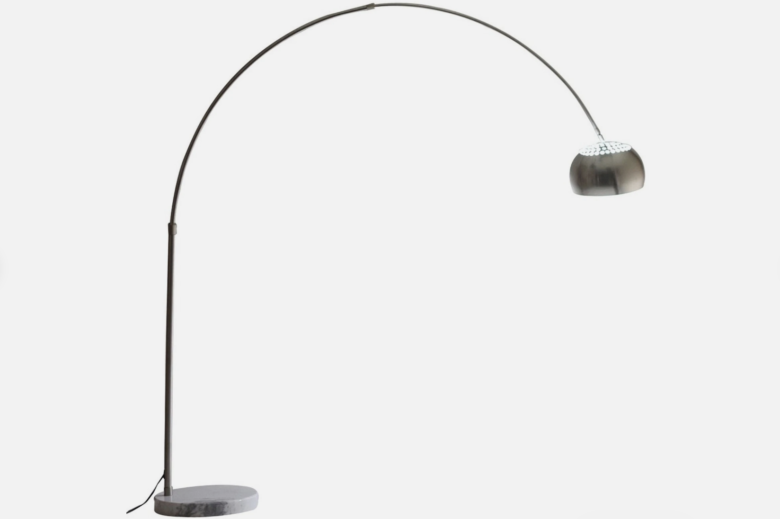
Achille and Pier Giacomo Castiglioni designed it for Flos in 1962, inspired by a streetlight. They wanted light over a dining table without drilling the ceiling, so they built a stainless steel arc that reaches about two meters from a Carrara marble block.
The base weighs enough that they drilled a hole through it, so two people could thread a broom handle through and carry it. The whole lamp weighs about 65 kilos.
Worth saying plainly: almost nobody’s parents owned one. It was an expensive Italian design object, and it has been in continuous production ever since.
Mold-A-Rama
The machines showed up at the 1962 Seattle World’s Fair, and you fed one 50 cents and watched it mold a waxy plastic Space Needle, monorail, or Buddha in front of you. About 200 machines were built between 1962 and 1969.
The souvenir came out warm. That was the whole appeal.
The Pets and Pals Thermos
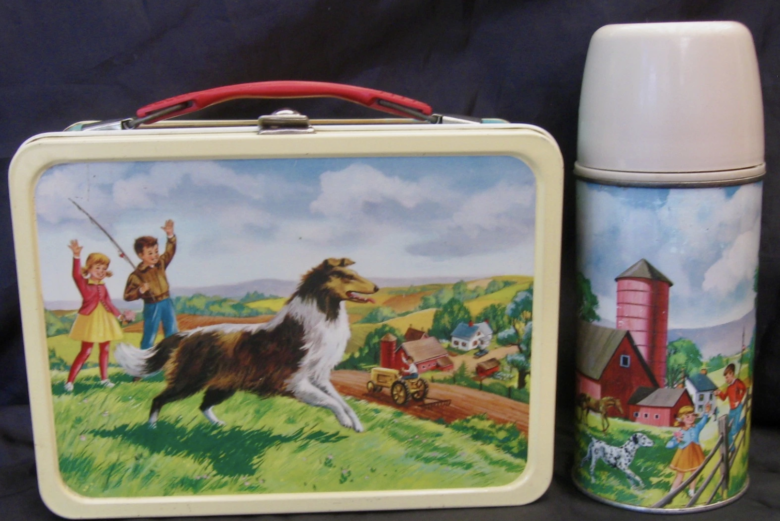
The Smithsonian’s National Museum of American History holds one, dated 1962, cataloged in plastic and glass under number 2001.3087.11.02. It was a farm-animal design on a child’s vacuum bottle, the kind that rode in a metal lunch box.
A national museum keeps a kid’s thermos. That tells you something about what these objects came to mean.
The first Barbie Dreamhouse
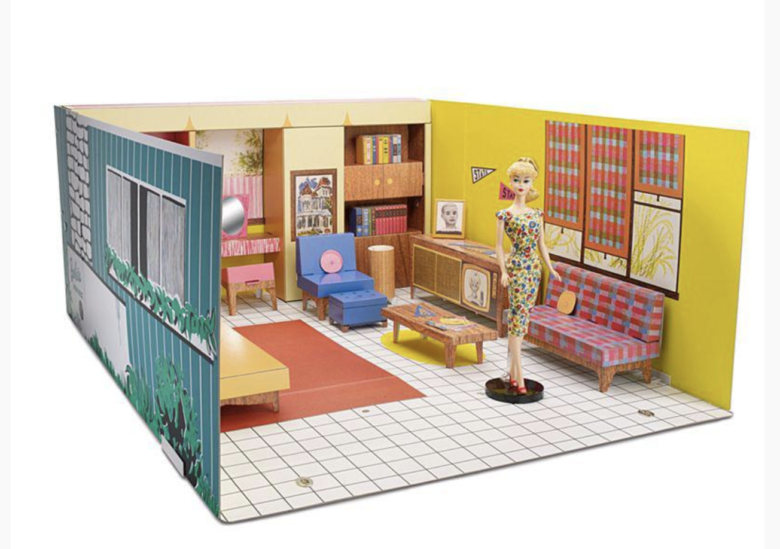
Mattel’s original Dreamhouse folded into a carrying case. Inside were a bed, a television, bookshelves, and a closet with plastic hangers. Mid-century modern, flat-packed, and priced for a child’s birthday.
Barbie owned a house before most of the women buying it could get a mortgage in their own name.
Fizzies, now sold coast to coast
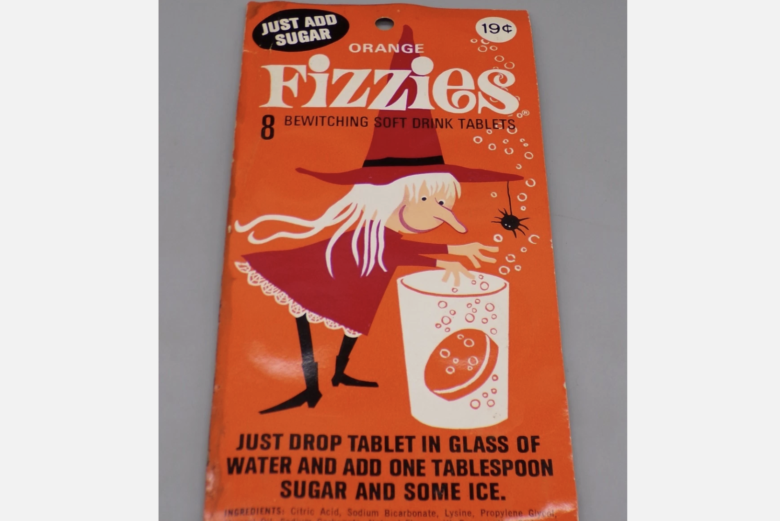
Here the year needs a small correction. Fizzies were invented at the Emerson Drug Company, which also made Bromo-Seltzer, and launched regionally in July 1957. The 1962 date is the year Warner-Lambert acquired Emerson and took the tablets national.
They used sodium bicarbonate and citric acid, which produce carbon dioxide when they contact water. By 1968, they were outselling Kool-Aid by more than two to one.
Then the FDA banned cyclamate, the sweetener holding the whole thing together, and the company couldn’t reformulate.
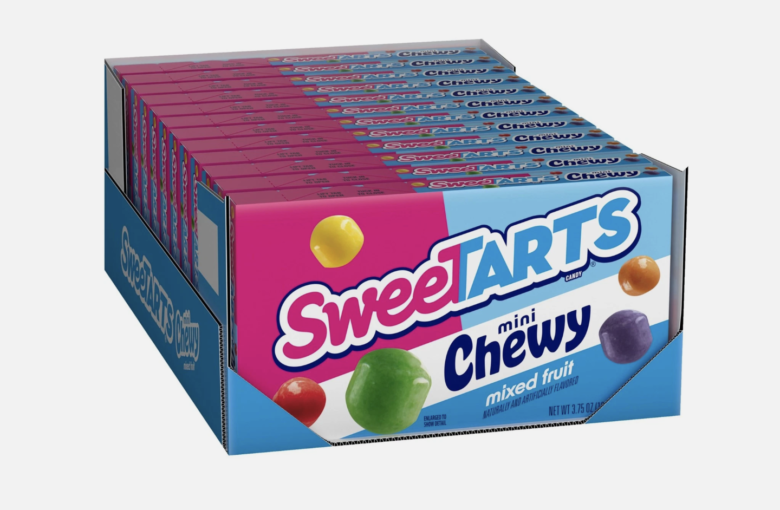
SweeTarts
Credited to Menlo F. Smith at Sunline Inc., and built from the same recipe as Pixy Stix and Lik-M-Aid. Most sources date them to 1962, though at least one says the first flavors, cherry, grape, lemon, lime and orange, reached shelves in 1963.
Smith’s father had noticed children eating a drink powder straight out of the packet. That observation produced three separate candy empires.
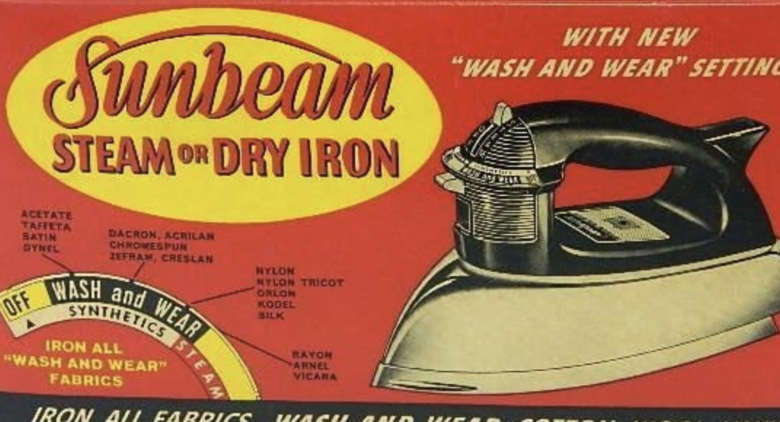
The steam-and-dry iron
Proctor and Silex merged on March 1, 1960, to form Proctor-Silex, and by 1962 a steam-and-dry iron with a fabric dial and seventeen steam vents was ordinary equipment in an American laundry room. Steam irons reached the mass market only in the 1950s.
We found no record of a specific 1962 model, so treat any catalog number you see with caution.

The bottom line
Fizzies launched regionally in July 1957, went national in 1962, and by 1968 outsold Kool-Aid. The Smithsonian holds a 1962 Pets and Pals thermos.
Ask us! What questions do you have about content, strategy, pop culture, lifestyle, wellness, history or more? We may use your question in an upcoming article!
Related:
- Household rules from the ’40s that sound unbelievable now
- 8 places and discoveries where exploration has limits
Like MediaFeed’s content? Be sure to follow us.
This article was syndicated by MediaFeed.co.