
Only kids who grew up in the ’80s remember begging for these Christmas morning toys
Nothing better than waking up on Christmas morning and finding your favorite Thundercats there, wrapped in paper, waiting for you. Or the He-Man sword. Or a SilverHawks toy waiting for you to fly them all over the place.
Those are the pleasures of ruminating about the past. What is strange, looking at the numbers now, is how deliberately engineered that feeling was.
Eight follow, with what each one actually did in the market.
He-Man and the Masters of the Universe
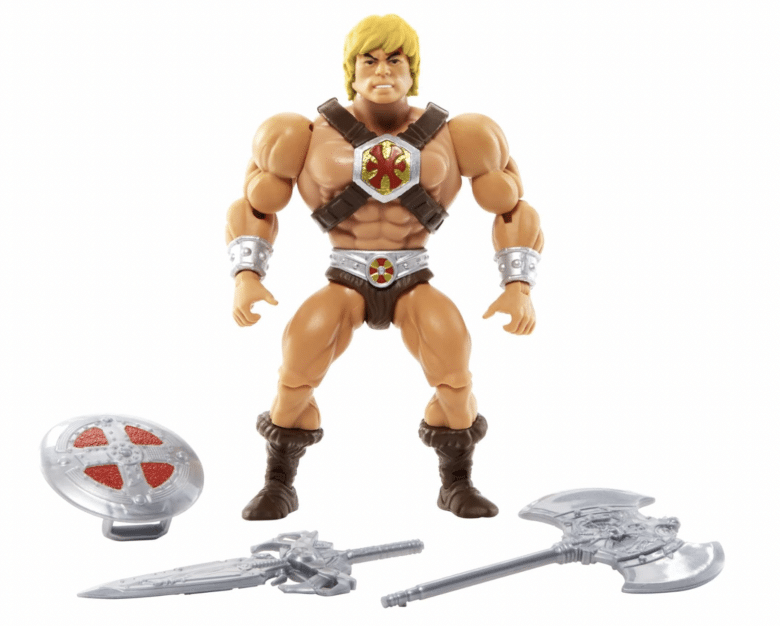
Mattel put these on shelves in 1982, and the growth curve is remarkable. The first wave took $38 million in the United States between May and December 1982. The second wave did $80 million. The third, $111 million. By 1986, the fifth wave was doing $400 million.
TIME reported in the mid-1980s that Mattel had sold some 125 million of them, which the magazine worked out to about eleven figures for every American boy between five and ten.
Mattel also did the sequence backward. The toys came first in 1982, and the Filmation cartoon followed in 1983, making it the first syndicated series built on an existing toy line.
Thundercats
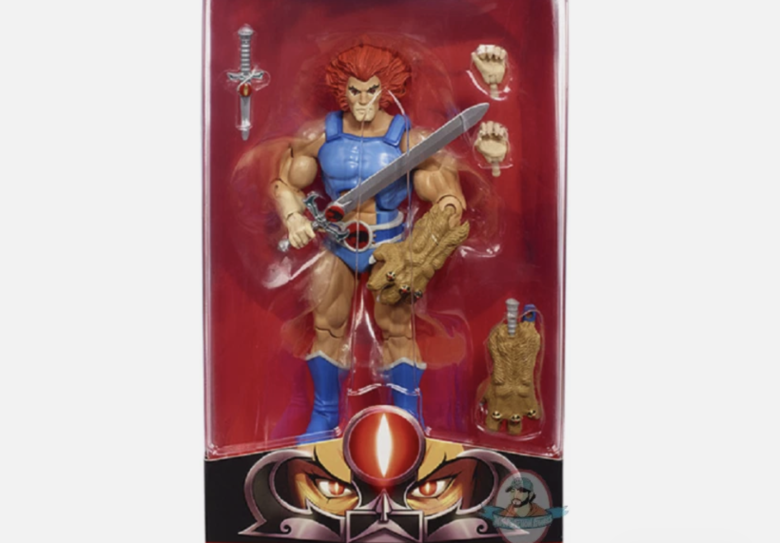
LJN Toys made the figures starting in 1985, alongside the Rankin/Bass series. TIME named them among the “red-hot” challengers to He-Man that season.
Lion-O, Mumm-Ra, the ThunderTank and the Cats Lair playset are what collectors chase now. Figures that still have their action features and original accessories command the most.
SilverHawks
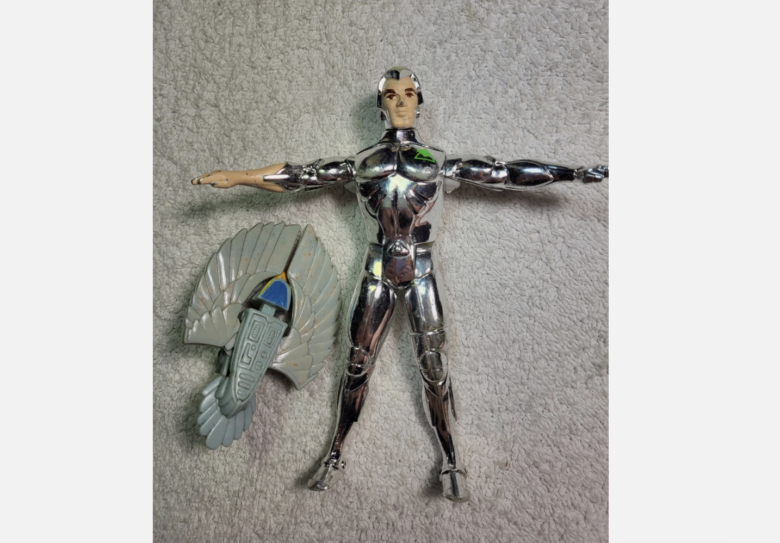
Partly metal, partly real. The same creative lineage as Thundercats, built around characters who flew.
We couldn’t confirm the manufacturer or release year from a reliable source, so take any date you see with caution. The toys existed, and plenty of people remember them.
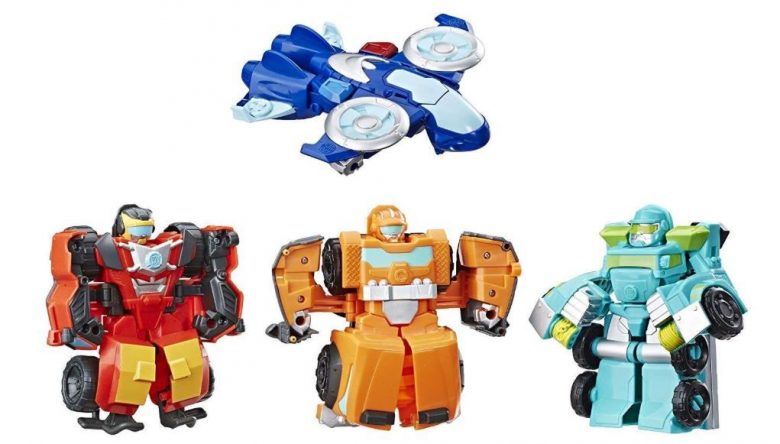
Transformers
Hasbro launched the line in 1984, using many of the first-wave molds Takara had already sold in Japan under the Diaclone and Microman names. The first lineup ran to 28 characters.
TIME put Transformers at $114 million in 1985, against nearly $100 million for Tonka’s rival GoBots. Convertible robots were, in the magazine’s phrase, the surprise success of 1984.
Collectors want Optimus Prime in good condition, partly because the transformation mechanism was complex enough that most broke.
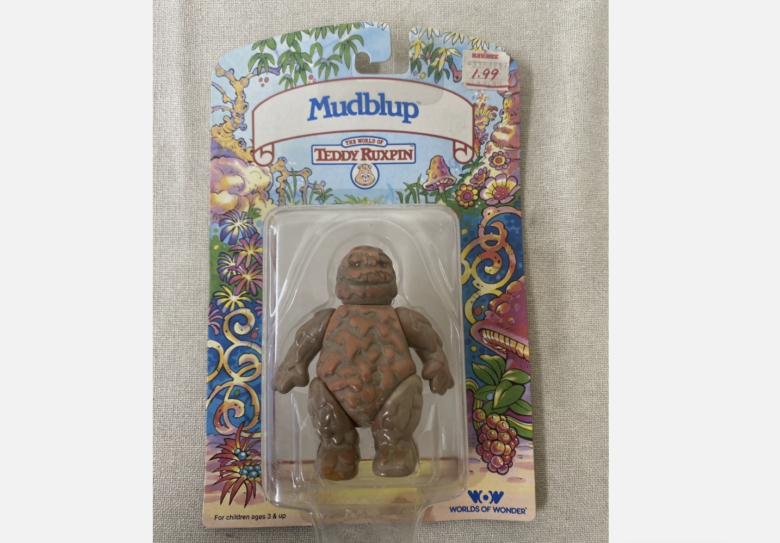
Teddy Ruxpin
The best-selling toy of both 1985 and 1986, with roughly $93 million in first-year sales.
The engineering is genuinely clever. A standard cassette deck sat in his back; the left channel carried the story, the right channel carried control data, and that data drove small motors that moved his mouth and eyes in time with the words.
Don Kingsborough, formerly of Atari, founded Worlds of Wonder in Fremont, California, specifically to build him. He retailed for $60 to $80, stood 20 inches, and came with a caterpillar called Grubby that you could wire to him so the two could talk.
When the batteries ran low, his voice slowed down, which every child who owned one remembers vividly and not fondly.

Cabbage Patch Kids
Coleco’s dolls arrived in 1983, and three million were adopted that first year. The scenes in stores in November 1983 are the reason this one gets cited in every history of toy crazes.
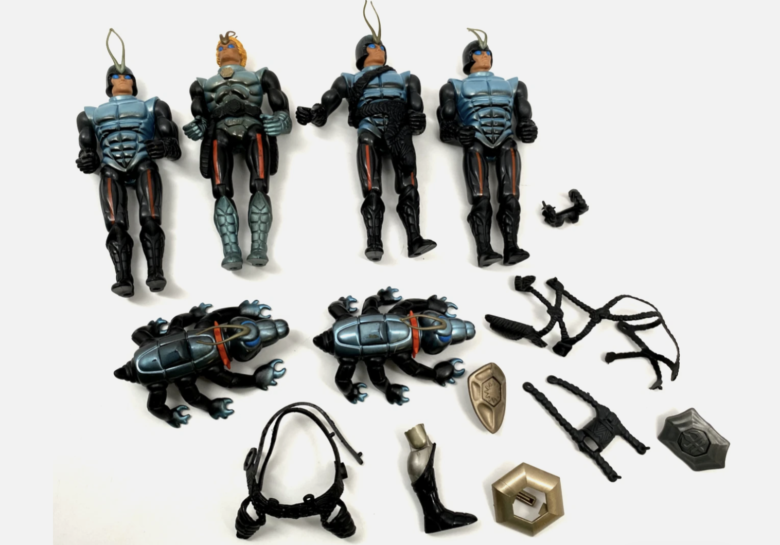
Sectaurs
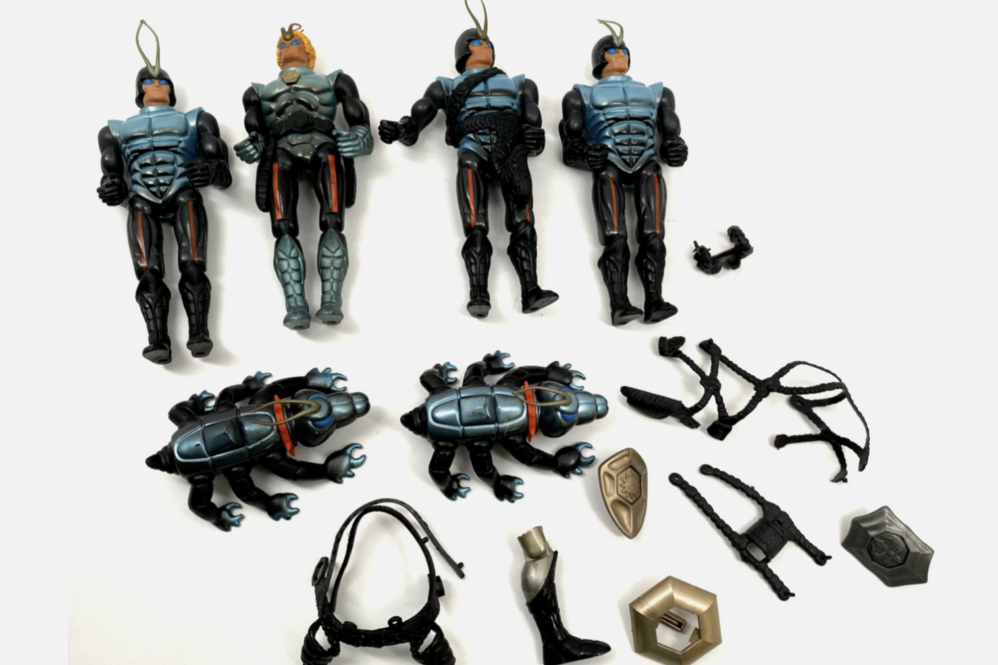
A footnote now, a real contender then. Coleco’s insect warriors were positioned directly against He-Man, and TIME listed them alongside Thundercats as the toughest competition Mattel faced that year.
Almost nobody remembers them, which is its own kind of answer about what lasts.
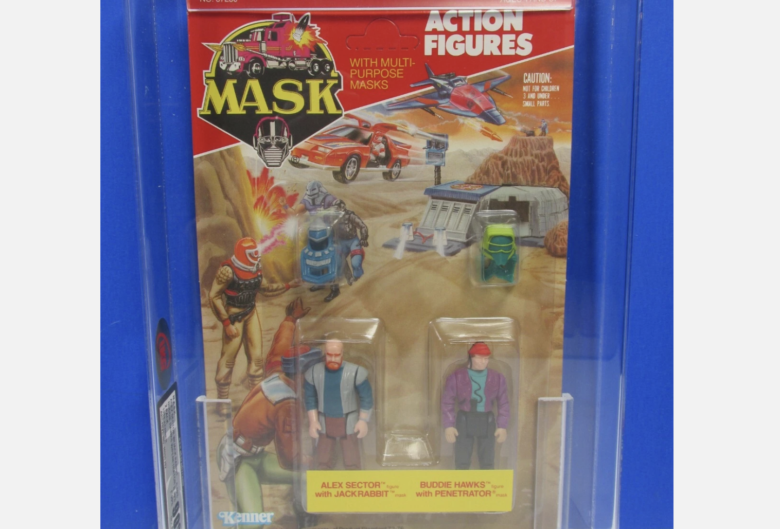
M.A.S.K.
Kenner’s entry, and a smart one: seven ordinary-looking vehicles that bristled with hidden weapons. A car that was also a jet, which is a proposition no eight-year-old could refuse.

The bottom line
Masters of the Universe went from $38 million in 1982 to $400 million by 1986. Teddy Ruxpin generated about $93 million in its first year and was the best-selling toy in 1985 and 1986.
Ask us! What questions do you have about content, strategy, pop culture, lifestyle, wellness, history or more? We may use your question in an upcoming article!
Related:
- Vintage Christmas gifts that seemed genius at the time but didn’t age well.
- 20 songs from the 1960s that can reduce your stress instantly
Like MediaFeed’s content? Be sure to follow us.
This article was syndicated by MediaFeed.co.