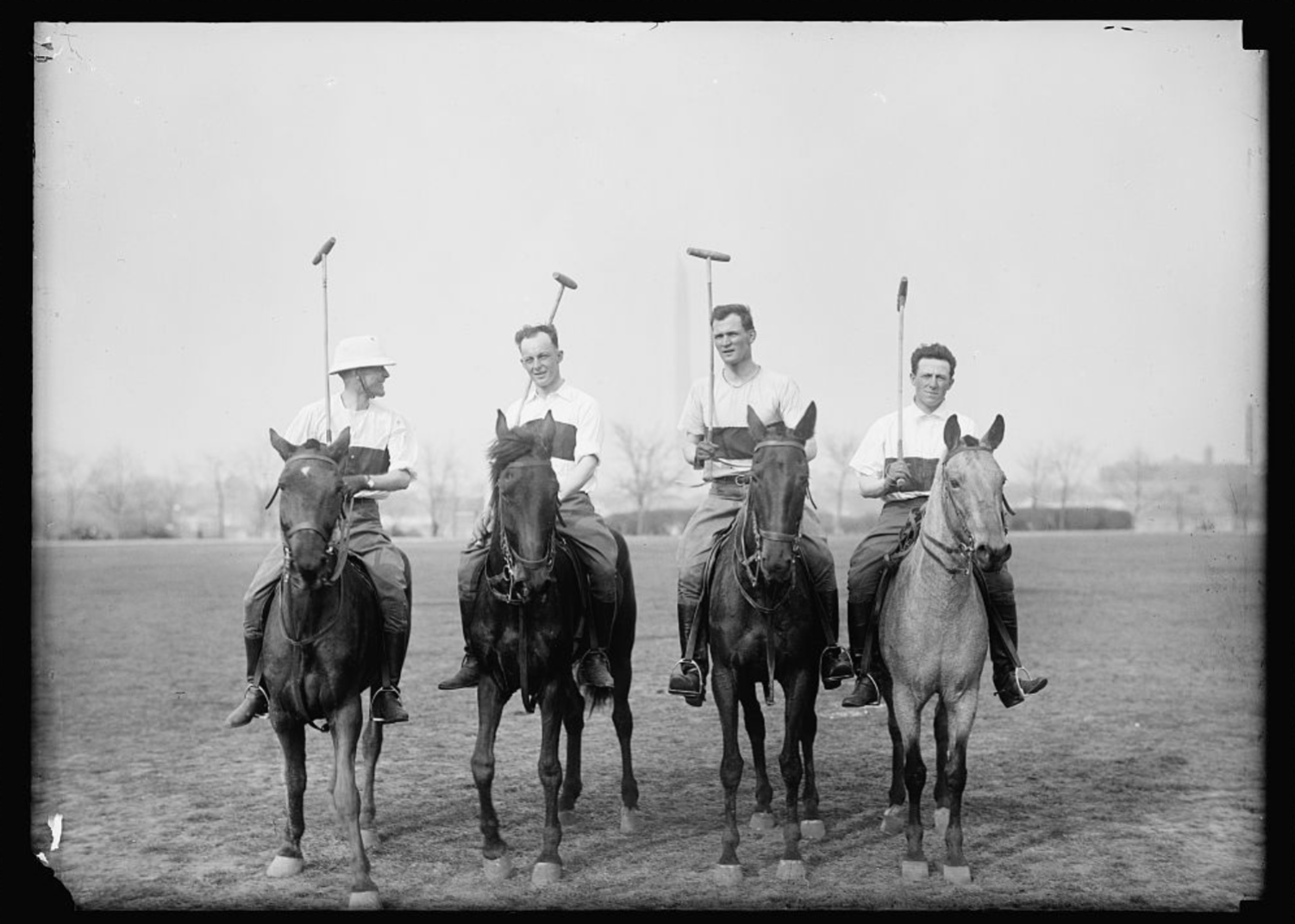
January 1, 1977, marks one of the more peculiar moments in American sports governance: the United States Polo Association (USPA) formally reinforced its ban on left-handed play in polo. While it may sound like discrimination against left-handed athletes, the rule was rooted less in handedness itself and more in tradition, safety, and the unusual demands of a fast-moving equestrian sport.
Polo is almost unique among modern sports in that players are required to use their right hand to hold the mallet, regardless of whether they are naturally right- or left-handed. This convention dates back to the sport’s codification in the 19th century, when standardized rules were developed to manage what can otherwise be a chaotic and dangerous game. Horses gallop at high speed, players swing long mallets, and opposing teams pass within inches of one another. Uniformity in how the mallet is held reduces the risk of collisions and injuries.
By the mid-20th century, nearly all polo-playing nations followed the right-hand-only rule. However, in the United States during the 1970s, the issue resurfaced amid broader cultural conversations about fairness, inclusion, and accommodation. Some left-handed players argued that forcing them to play right-handed put them at a disadvantage and was out of step with modern sports norms, which generally allow athletes to compete using their dominant hand.
In response, American polo officials briefly considered relaxing the rule. The idea quickly proved controversial. Allowing left-handed mallets would fundamentally change the angles of play, increasing the risk of mallet clashes and horse-to-horse contact. Because polo involves tight formations and standardized right-side positioning, introducing left-handed swings would make the game more unpredictable—and potentially more dangerous.
As a result, on January 1, 1977, the USPA reaffirmed its adherence to the traditional rule: all players must use their right hand. Importantly, this was not a ban on left-handed people participating in polo. Left-handed players were (and still are) welcome to compete, provided they adapt to playing right-handed. Many have done so successfully at the highest levels of the sport.
The decision aligned U.S. polo more closely with international standards, helping ensure consistency in competition and rules enforcement. Safety remained the central justification. In polo, even small deviations from expected movement patterns can have serious consequences for both riders and horses. Standardizing mallet use allows players to anticipate each other’s actions and reduces the likelihood of accidents.
Outside the polo world, the rule struck many observers as odd, even archaic. By the late 1970s, most sports had moved away from restrictions tied to handedness. Baseball pitchers, tennis players, and boxers often gain advantages precisely because they are left-handed. Polo’s insistence on uniformity made it an outlier—and an easy target for “weird rules” lists and trivia.
Yet the ban has endured. Nearly half a century later, polo remains firmly right-handed, a reminder that some sports prioritize tradition and safety over individual accommodation. The 1977 USPA decision stands as a fascinating example of how even in modern athletics, centuries-old customs can still dictate how the game is played—down to which hand you’re allowed to use.
Like MediaFeed’s content? Be sure to follow us.
This article was syndicated by MediaFeed.org.