Odd dashboard options car buyers actually paid extra for
Some ideas showed up decades before the technology could support them; others were just novelties, sold to buyers willing to pay real money to feel like they were driving the future.
Five that actually made it to a dealership floor.
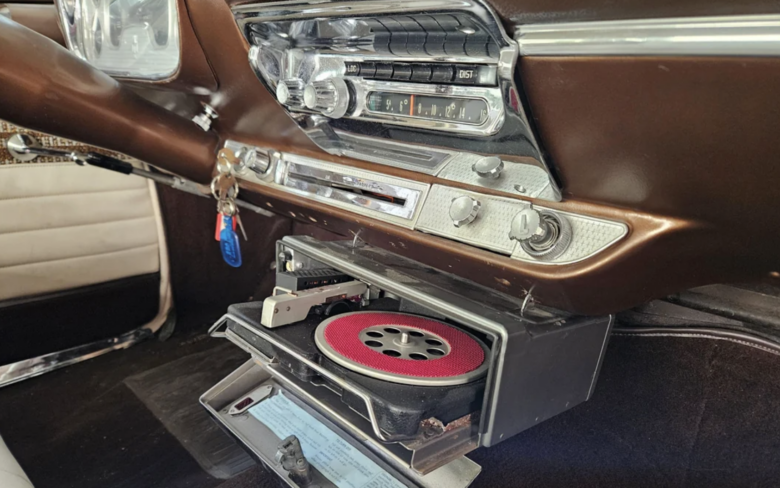
Chrysler’s Highway Hi-Fi record player
For $200 in 1956, roughly $1,800 today, buyers got a shock-mounted phonograph playing special 7-inch records at a nonstandard speed. It tested beautifully. Real roads told a different story, and warranty claims piled up fast enough that Chrysler killed the option after three model years.
Rare Classic Cars & Automotive History / YouTube
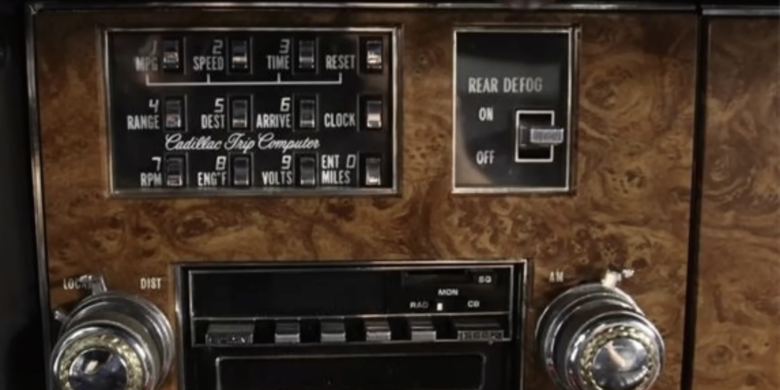
Cadillac’s Tripmaster digital trip computer
For $920, you could buy a Cadillac that could calculate its own arrival time. The 1978 Seville’s optional “Tripmaster” replaced analog gauges with digital readouts for speed, remaining fuel, and a destination estimate the driver had to program by hand. It made the Seville the first American car with full electronic instrumentation, arriving years before digital dashboards became standard anywhere else.
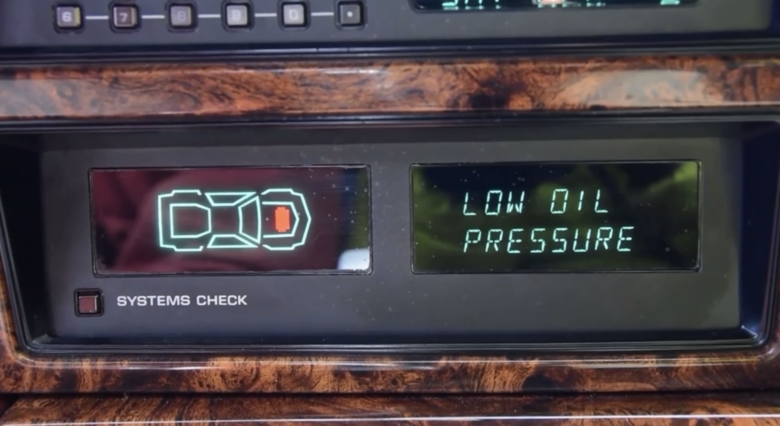
Chrysler’s Electronic Voice Alert
A New Yorker that announced its own problems out loud. Introduced in 1983, this option used Texas Instruments speech-synthesis technology, the same chips behind the Speak & Spell, to deliver eleven different spoken warnings about doors left ajar, low fuel, or an overheating engine. Buyers paid extra for a car that talked back, and it stuck around on Chrysler’s lineup until 1988.
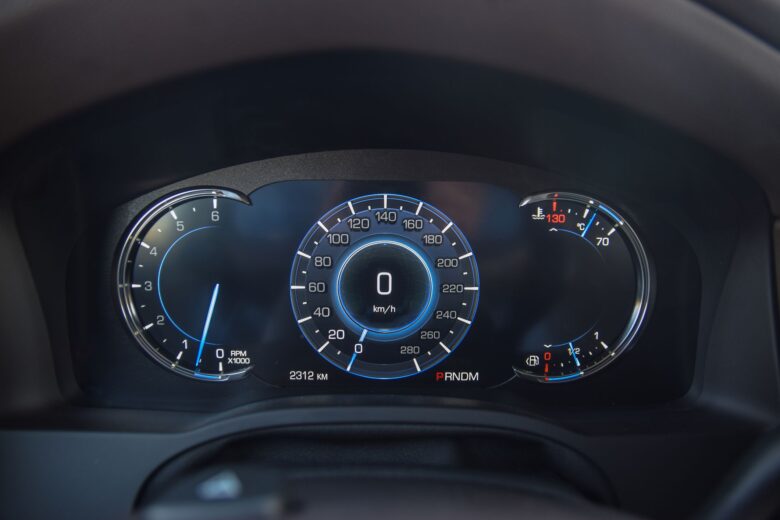
Early digital instrument clusters
Digital dashboards looked incredible and died fast. Green and red glowing numbers replaced needles across GM, Ford, and eventually European brands through the early 1980s, following Cadillac’s lead. The failure rate on those early units was notorious, with cold solder joints on the circuit boards cracking after years of heat cycling and vibration. Buyers paid a premium up front, then watched the whole cluster go dark within a few years, which is a strange kind of expensive.
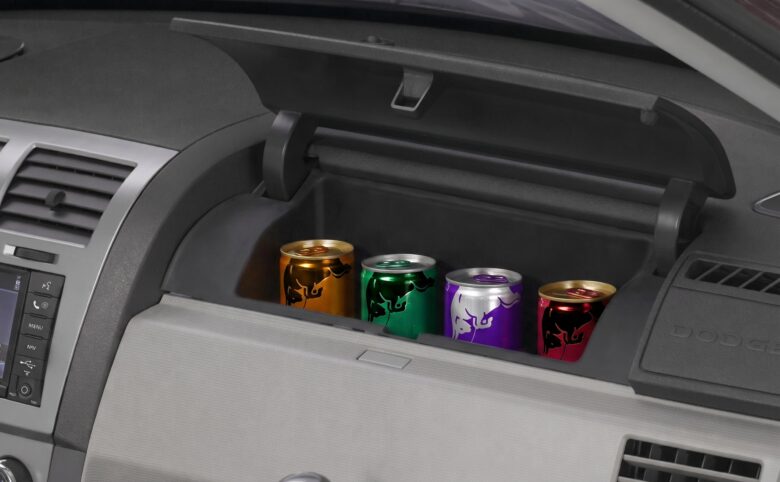
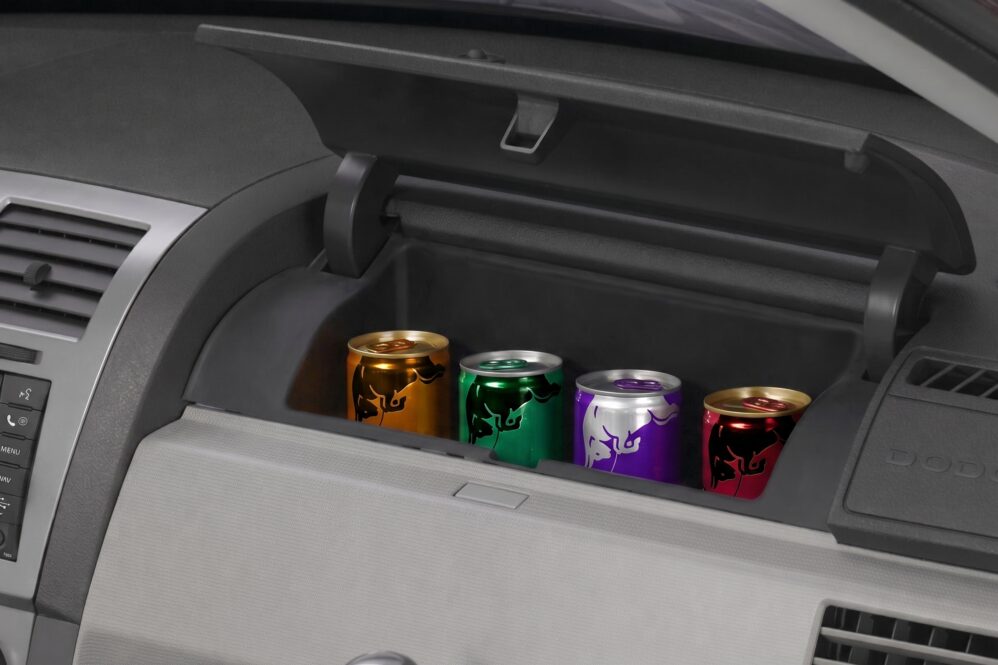
Dodge’s refrigerated glove compartment
Cold air, routed straight into the glove box. Dodge’s “Chill Zone” option refrigerated the glove compartment itself, cool enough to keep drinks and snacks cold on long drives, one of the more genuinely practical novelties to ever show up as a dashboard option rather than just a gimmick.
The bottom line
Every option here was someone’s bet on where cars were headed next. A couple of them, mostly by accident, guessed right.
Ask us! What questions do you have about content, strategy, pop culture, lifestyle, wellness, history or more? We may use your question in an upcoming article!
Related:
Like MediaFeed’s content? Be sure to follow us.
This article was syndicated by MediaFeed.co.