

10 Ways Volunteering Can Help You Land Your Next Job
When people think about volunteering, they often focus on giving back to their communities. While that’s certainly a major benefit, volunteering can also be one of the smartest career moves you’ll ever make.
Whether you’re entering the workforce, changing careers, returning after a break, or simply looking to gain new skills, volunteer work provides valuable experience that employers notice. From building your resume to expanding your professional network, volunteering can help bridge the gap between where you are today and where you want your career to go.
Here are 10 ways volunteering can serve as a stepping stone to employment.

10. It Gives You Real-World Experience
One of the biggest challenges job seekers face is the classic catch-22: employers want experience, but you need a job to gain experience.
Volunteering helps solve that problem. Whether you’re organizing events, helping customers, managing social media, fundraising, or supporting community programs, you’re developing practical skills in a real-world setting.
Experience is experience, whether you earn a paycheck or not.

9. It Helps You Build Transferable Skills
Many volunteer roles teach the same skills employers look for in paid employees.
You may develop:
- Communication skills
- Leadership abilities
- Teamwork experience
- Time management
- Problem-solving skills
- Project coordination
These transferable skills can strengthen applications across a wide range of industries and career paths.

8. It Strengthens Your Resume
Volunteer work can make a resume stand out, especially when you’re early in your career or transitioning into a new field.
Employers often view volunteer experience as evidence of initiative, reliability, and commitment. It shows you’re actively developing yourself rather than waiting for opportunities to appear.
A strong volunteer section can often help fill experience gaps and demonstrate career readiness.

7. It Lets You Explore Different Careers
Not sure what kind of work you want to do?
Volunteering provides a low-risk way to test different industries and roles before committing to a career path. You can gain exposure to healthcare, education, nonprofit management, environmental work, technology, animal care, community outreach, and countless other fields.
Sometimes the fastest way to discover what you love is simply trying it.

6. It Builds Professional Confidence
For many people, the workplace can feel intimidating at first.
Volunteering helps you become comfortable interacting with coworkers, supervisors, customers, clients, and community members. It provides opportunities to practice professional communication, teamwork, and leadership in a supportive environment.
That confidence often carries directly into job interviews and future employment.
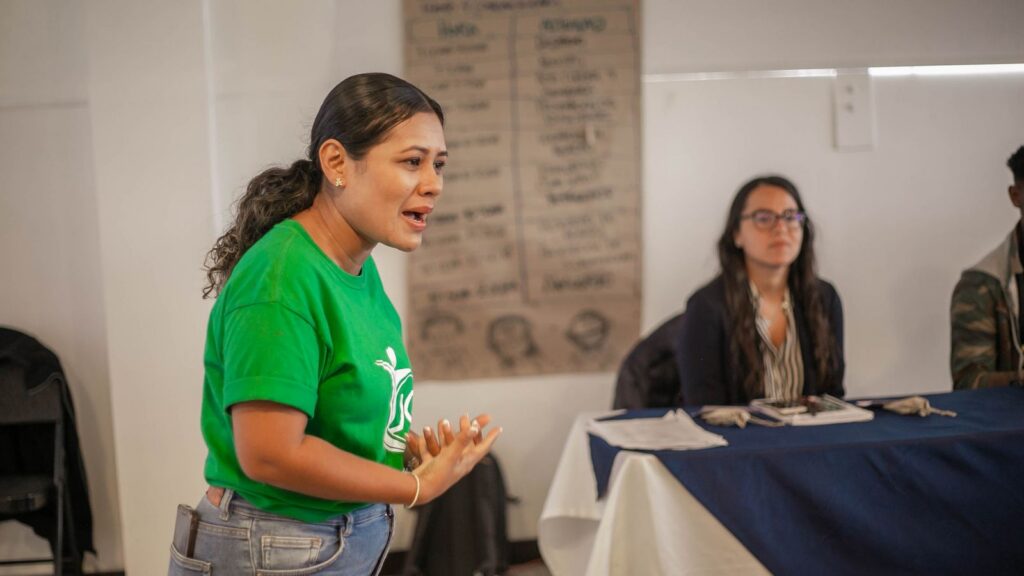
5. It Creates Valuable Networking Opportunities
Many jobs are filled through relationships rather than job boards.
Volunteering introduces you to professionals, community leaders, nonprofit directors, business owners, and fellow volunteers who may become valuable contacts.
The connections you make while serving others can sometimes lead to unexpected career opportunities down the road.

4. It Can Lead Directly to Job Offers
Many organizations hire from within their volunteer programs.
When employers already know your work ethic, reliability, and skills, hiring becomes much less risky. Volunteers who consistently show up, contribute positively, and demonstrate initiative often find themselves first in line when openings become available.
In some cases, volunteer positions naturally evolve into part-time or full-time employment.

3. It Provides Strong References
References matter, especially when you have limited work experience.
Volunteer supervisors can often provide professional recommendations that speak to your character, reliability, communication skills, and ability to work with others.
A strong reference from someone who’s seen your contributions firsthand can make a significant difference during the hiring process.
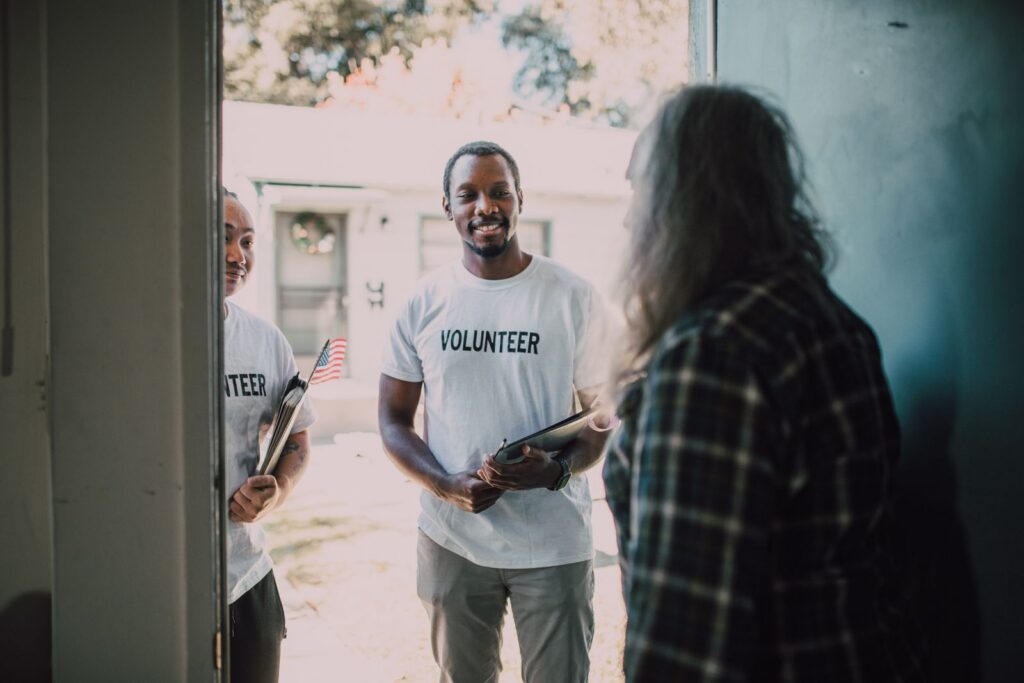
2. It Demonstrates Initiative and Work Ethic
Employers pay attention to how people spend their time.
Volunteering shows you’re willing to learn, contribute, and take responsibility even when there isn’t a paycheck involved. It signals motivation, maturity, and a desire for personal growth.
Those qualities are often just as important as technical qualifications.
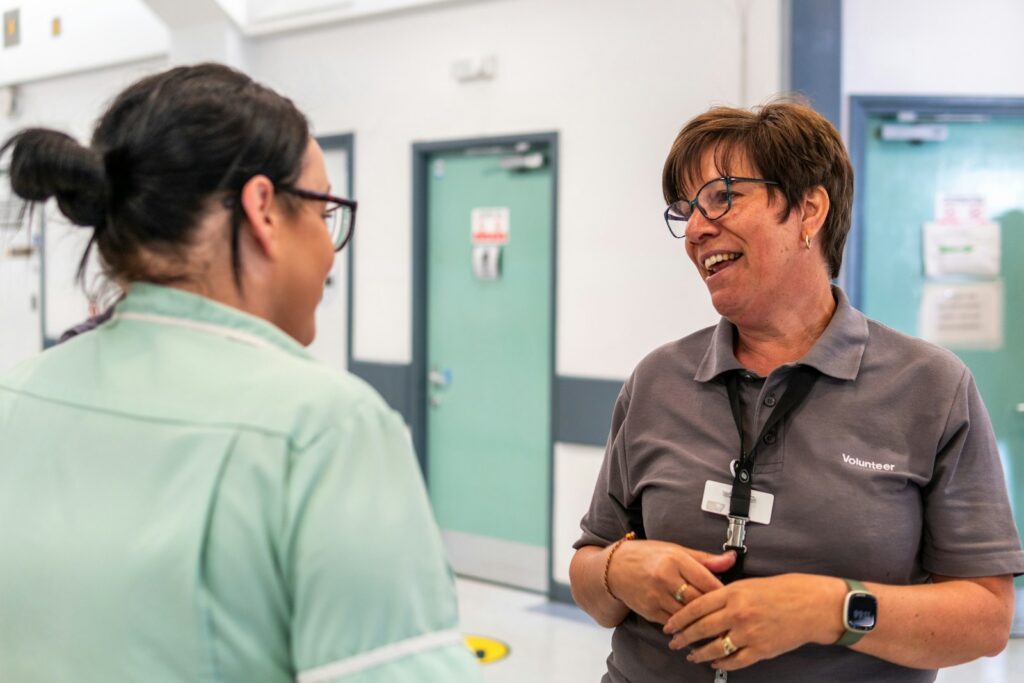
1. It Helps You Stand Out From Other Candidates
When hiring managers review similar resumes, volunteer experience can become a deciding factor.
It provides stories, accomplishments, and examples that help distinguish you from other applicants. Instead of simply listing skills, you can demonstrate how you’ve used them to solve problems, support organizations, and make a meaningful impact.
That kind of experience often makes interviews more compelling and memorable.
Volunteering isn’t just about helping others—it’s also an investment in your own future. The skills, confidence, connections, and experience you gain can strengthen your resume and create opportunities that might never appear otherwise.
Whether you’re starting your career, changing directions, or looking to expand your professional network, volunteering offers a practical and meaningful path toward employment. Sometimes the best way to get your foot in the door is by first offering a helping hand.
Read More:
- 13 Tech Skills Employers Can’t Get Enough Of
- Is the Five-Day Work Week Becoming Obsolete?
- Why Gen Z Is Frustrating Employers (And Changing Work Forever)
Ask us! What questions do you have about content, strategy, pop culture, lifestyle, wellness, history or more? We may use your question in an upcoming article!
Like MediaFeed’s content? Be sure to follow us.
This article originally appeared on Resourcebuzz and was syndicated by MediaFeed.co.



