
10 Ways Micro-Credentials Are Changing How Companies Hire
For decades, the path to a good job was fairly straightforward: earn a degree, build a resume, and start applying. But hiring is changing. Employers increasingly care less about where candidates went to school and more about whether they can actually do the job.
Enter micro-credentials. These short, focused certifications validate specific skills and can often be completed in weeks rather than years. From technology and healthcare to marketing and project management, micro-credentials are helping job seekers prove their abilities while giving employers a faster, more practical way to identify talent.
Here are 10 ways micro-credentials are transforming hiring practices.

10. They Focus on Specific Skills Instead of Broad Degrees
Traditional degrees often cover a wide range of topics, many of which may never be used in a particular job.
Micro-credentials focus on individual skills employers actually need, whether that’s cloud computing, project management, data analytics, cybersecurity, or digital marketing. This allows candidates to demonstrate targeted expertise rather than relying on a general academic credential.
For employers, that’s often a more useful indicator of job readiness.

9. They Can Be Earned Much Faster
A bachelor’s degree typically requires four years of study.
Many micro-credentials can be completed in a matter of weeks or months, allowing workers to quickly gain new skills or pivot into emerging industries. This speed benefits both job seekers and employers trying to fill talent shortages.
In rapidly changing fields, waiting four years for new talent isn’t always practical.

8. They Make Career Changes More Accessible
Micro-credentials have become a popular tool for career changers.
Someone moving from retail into digital marketing doesn’t necessarily need another four-year degree. A certification in search engine optimization, social media marketing, or analytics can provide the foundational skills needed to enter a new field.
This creates more opportunities for workers while expanding talent pools for employers.
7. Employers Can Verify Skills More Easily
Digital credentials often include detailed information about what a learner completed and what competencies were assessed.
Many certifications are stored through digital credentialing platforms that allow employers to verify achievements instantly. Some even use blockchain technology to prevent tampering and fraud.
That makes it much harder to exaggerate qualifications on a resume.

6. Technology Companies Are Leading the Charge
Some of the world’s largest employers helped push micro-credentials into the mainstream.
Companies like Google, Microsoft, IBM, Salesforce, and Amazon have developed certification programs designed to teach job-ready skills. These credentials often align closely with real-world workplace needs.
In some cases, hiring managers actively seek candidates who hold these certifications.

5. Hiring Is Becoming More Skills-Based
More organizations are adopting skills-based hiring practices rather than relying heavily on educational requirements.
Instead of asking, “Do you have a degree?” employers increasingly ask, “Can you perform the work?”
This shift opens doors for talented candidates who may have gained skills through certifications, bootcamps, apprenticeships, military service, or self-directed learning.

4. Entire Industries Are Embracing Alternative Credentials
Technology isn’t the only sector using micro-credentials.
Healthcare organizations offer certifications for medical support roles. Financial institutions recognize specialized credentials in areas like financial analysis and compliance. Marketing professionals use certifications from platforms like HubSpot and Google to demonstrate expertise.
The trend continues to expand into new industries every year.
3. Universities Are Adapting to the Trend
Colleges aren’t ignoring the rise of micro-credentials.
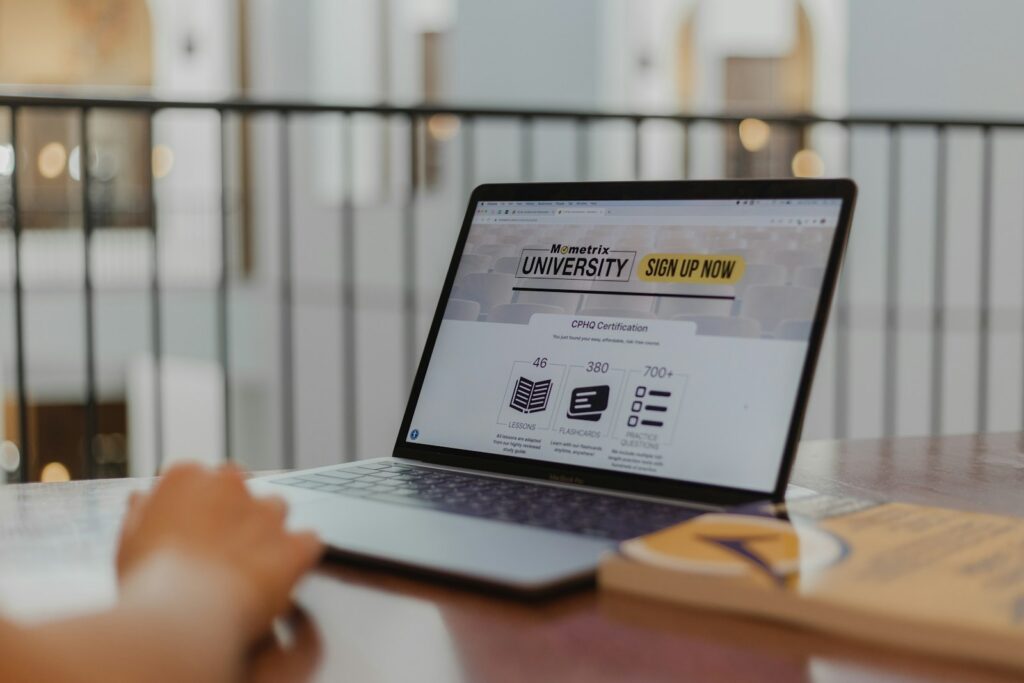
Many universities now offer professional certificates, executive education programs, and specialized online credentials designed to complement traditional degrees. These programs provide focused training while leveraging the reputation of established academic institutions.
Rather than competing with micro-credentials, many schools are incorporating them into their offerings.

2. Companies Are Removing Degree Requirements
Some major employers have eliminated degree requirements for large portions of their workforce.
Organizations across technology, manufacturing, healthcare, and business services increasingly evaluate candidates based on demonstrated skills rather than academic credentials alone.
This doesn’t mean degrees have become irrelevant. It simply means they are no longer the only pathway to opportunity.

1. Lifelong Learning Is Becoming the New Standard
Perhaps the biggest shift is that careers are no longer built on a single credential earned at age 22.
As technology and industries evolve, workers are expected to continually update their knowledge. Micro-credentials support this reality by allowing professionals to learn new skills throughout their careers without returning to school full-time.
In many ways, the future of hiring may depend less on what you studied years ago and more on what you’re learning right now.
Micro-credentials aren’t replacing college degrees entirely, but they are changing the way employers evaluate talent. By focusing on practical skills, faster training, and verifiable expertise, these certifications offer a flexible alternative for workers and businesses alike.
As skills-based hiring continues to grow, the ability to demonstrate what you can do may matter just as much as where you learned it.
Read More:
- 10 Networking Tips for People Who Hate Networking
- How to Build a Resume Without Job Experience
- 10 Soft Skills Every Student Needs Before Entering the Workforce
Ask us! What questions do you have about content, strategy, pop culture, lifestyle, wellness, history or more? We may use your question in an upcoming article!
Like MediaFeed’s content? Be sure to follow us.
This article originally appeared on Resourcebuzz and was syndicated by MediaFeed.co.