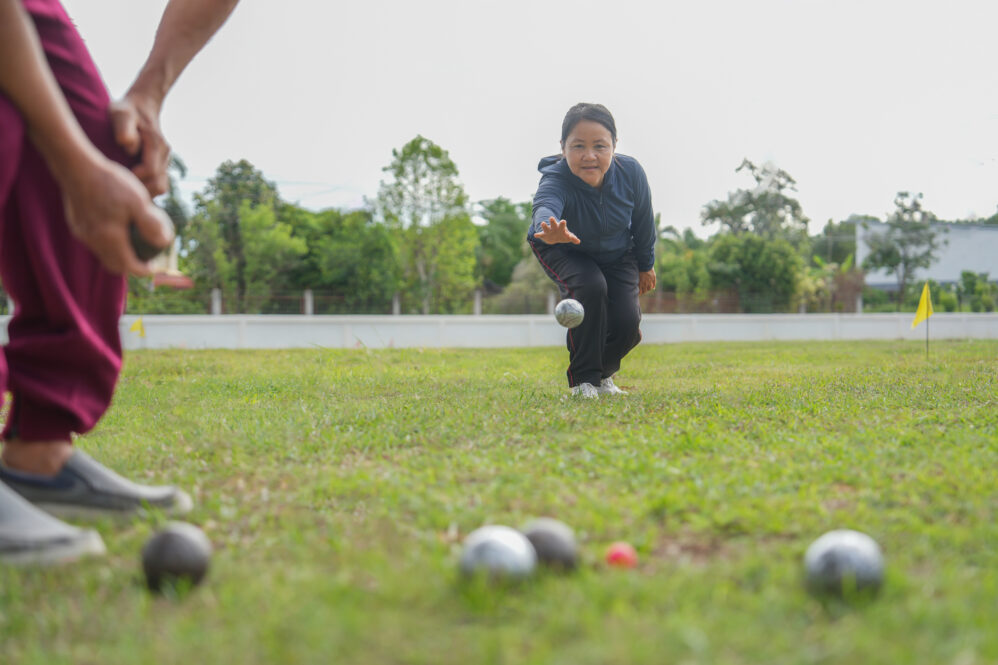
Nostalgic lawn games perfect for the Fourth of July
At some point on the Fourth of July, the food is ready and nobody has figured out what to do for the next three hours. This is a problem as old as the holiday itself. The answer has always been the same: you put something in someone’s hand and give them a target. Mallets, horseshoes, a shuttlecock that is going to end up in the hedge within fifteen minutes. These games did not become traditions because someone decided they should be. They survived because nothing better replaced them.
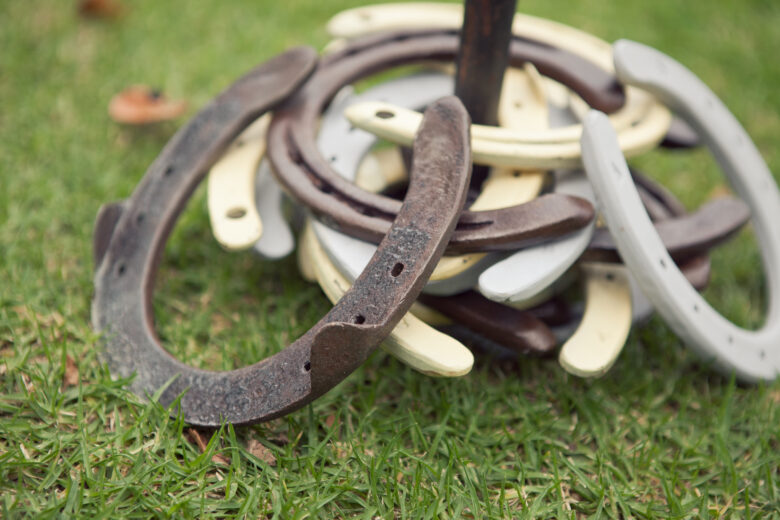
Horseshoes
English settlers brought some version of this to colonial America, and Britannica documents the National Horseshoe Pitchers Association taking over governance in 1926, which tells you everything about how seriously this country has always taken throwing iron at a stake. Two stakes, four horseshoes, forty feet. Somebody at your party is going to take this way too seriously. That person will also be the most fun to watch.
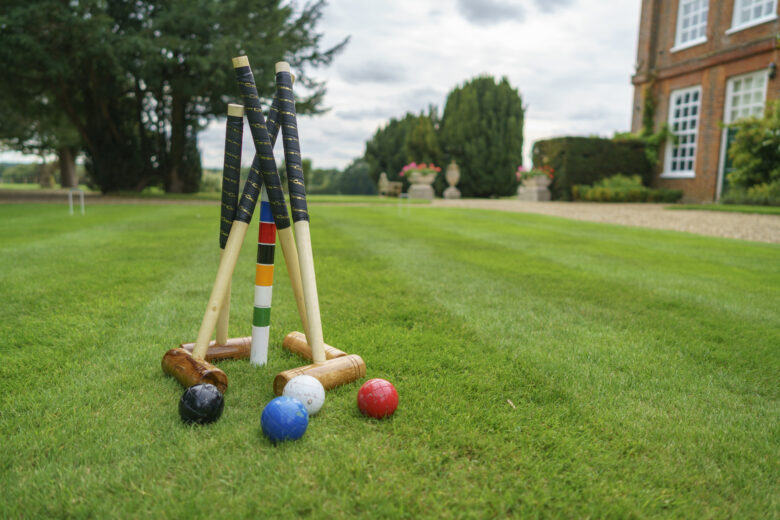
Croquet
It originated in 11th-century France, where it was called jeu de mail, and Smithsonian documents how it surged through Victorian England before crossing the Atlantic. Nine wire hoops, two wooden stakes, one mallet per player. The game rewards patience over athleticism, which means the oldest person at the party and the youngest have approximately equal chances of winning. Rarer than it sounds.
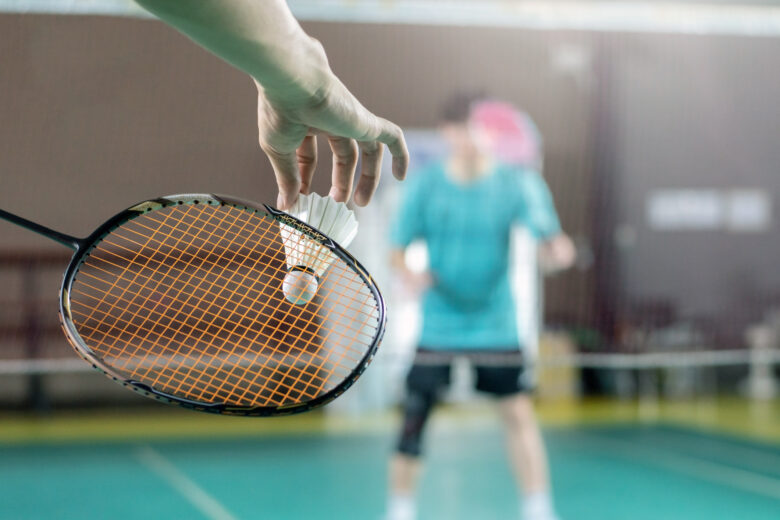
Badminton
British army officers in occupied India were the first people to play what we’d recognize as modern badminton. It got its name from an English village where the ninth Duke of Beaufort hosted guests in the 1870s, per Mental Floss’s history of playground games. Professional badminton moved indoors because the shuttlecock is so light that wind makes it unplayable at a competitive level. Backyard badminton has never cared about that. The wind is part of the game. So is the moment, twenty minutes in, when everyone realizes this is considerably more aerobic than it looked while setting up the net.

Lawn darts
Large pointed metal darts thrown toward plastic rings, popular from the 1950s through the early 1980s. Mental Floss documents the Consumer Product Safety Commission banning them in 1988 after a father whose daughter was killed by one spent years lobbying the government to act. The modern version uses blunted foam tips. Some things retired for good reason. Worth knowing before going looking for a vintage set in someone’s garage.

Bocce ball
Older than the United States by a significant margin. Italian immigrants brought it to America, and it took root so quietly that it’s now one of the most played lawn games in the country without anyone making a big deal about it. Britannica traces this family of target games back to Roman soldiers throwing rings at pegs in occupied Britain. Eight balls, one pallino, any flat surface. Scales from completely casual to intensely competitive depending on who you’re playing with. Usually both in the same afternoon.
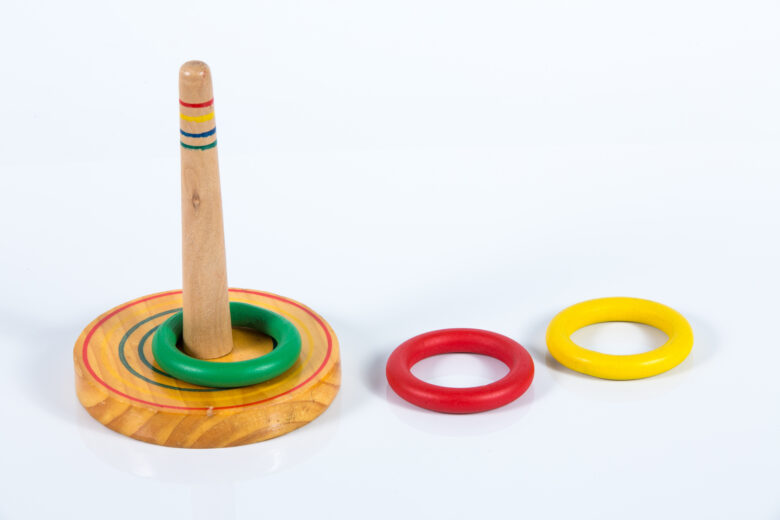
Quoits
The ancestor of horseshoes. Iron rings thrown at an iron peg, played in Britain since at least the medieval period. It never achieved the same American footprint as horseshoes, but in parts of New England and Pennsylvania it’s still played the way it always was, per Mental Floss’s colonial games coverage, without anyone having to explain the rules because everyone present already knows them. Some games persist not because they’re popular, but because the people who play them keep playing.
The bottom line
The best Fourth of July lawn game is whichever one gets the most people off their phones and into the yard. Every game on this list has been doing that job for at least a hundred years. Most of them considerably longer.
Ask us! What questions do you have about content, strategy, pop culture, lifestyle, wellness, history or more? We may use your question in an upcoming article!
Related:
- 10 budget-friendly ideas for a star-spangled July 4th bash
- Slang words from 1776 to brush off this July 4
Like MediaFeed’s content? Be sure to follow us.
This article was syndicated by MediaFeed.co.