Movie deaths that would make absolutely no sense in real life
A film only needs a death to read as convincing for the few seconds it’s on screen. Whether it could actually happen that way rarely factors into the decision, and several iconic movie moments fall apart completely once real physics or biology enters the conversation.
Here are a few cases where death didn’t become so apparent.
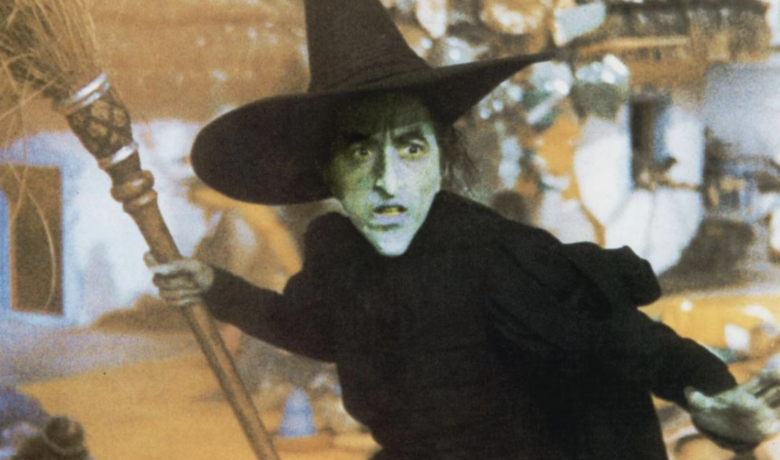
Plain water caused a dramatic reaction that water has never caused before or since
The Wicked Witch of the West in The Wizard of Oz catches fire, Dorothy panics and throws water on her, and the witch reacts as though the water itself was the real danger. Nothing about that reaction has any basis in how water and human tissue actually interact. The scene runs entirely on fairy-tale logic instead.
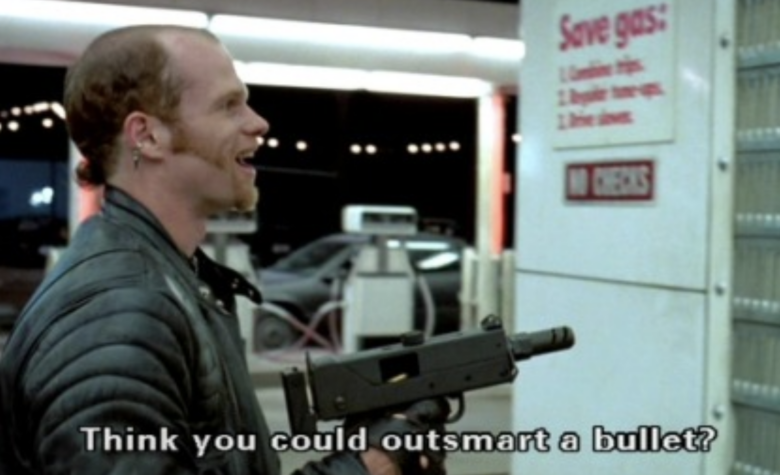
A character kept talking and moving long after real exposure would have ended things immediately
RoboCop’s Emil stumbles through a lengthy scene after an accident involving hazardous chemicals, still upright and still delivering dialogue, well past the point where that kind of exposure would have ended things almost instantly rather than allowing an extended walk across a factory floor.
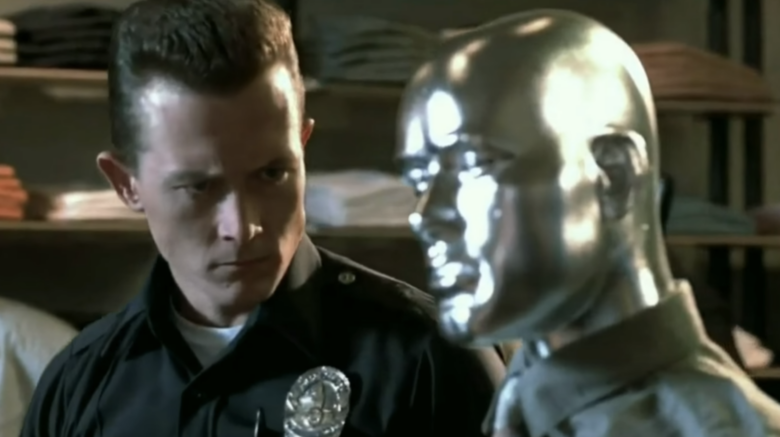
A villain made of liquid metal got a slow, theatrical ending real metal physics never would have allowed
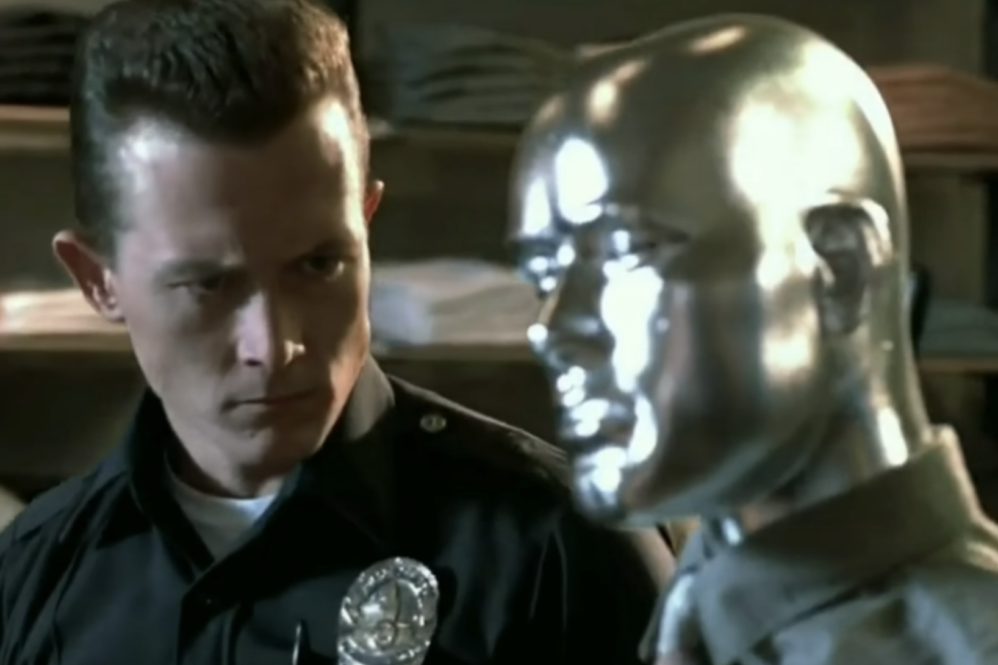
Terminator 2’s T-1000 cycles through every face it ever wore while sinking into a vat of molten steel, taking its time. Steel melts at roughly 1,370 degrees Celsius, and contact with anything that hot causes near-instantaneous destruction, not a drawn-out, almost graceful finale.

Total Recall got one detail about Mars mostly right and one detail completely backward
A character exposed to Mars’s thin atmosphere reacts in a way the film clearly intended as dramatic. Scientists reviewing the scene found the depiction flatly incorrect. Explosive decompression simply doesn’t work the way the movie shows it working, no matter how thin the surrounding air actually gets.

A creature reached full size and mobility on a timeline no biology textbook would ever sign off on
Alien’s chestburster sequence shows a parasitic organism going from implantation to a fully mobile, aggressive creature within minutes. No known biological process develops anywhere close to that fast. The timeline exists purely to serve the scene’s shock value, not anything resembling actual development.
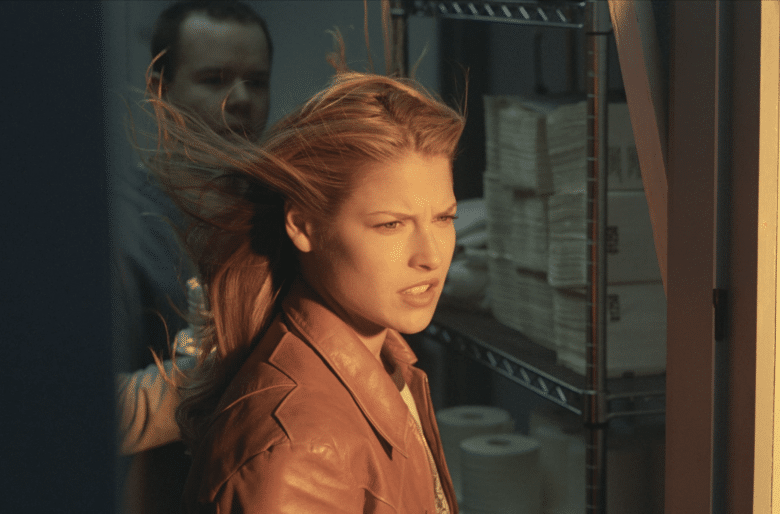
An entire franchise was built around chains of coincidence too precisely timed to occur by accident
Final Destination stages elaborate sequences; it all starts with a malfunction here and there, a falling object there, several unrelated events lining up in exactly the wrong order at exactly the wrong moment. That level of precise, cascading coincidence is the entire premise of the series, and also exactly why none of it survives even a little scrutiny.
The bottom line
None of these scenes needed to be accurate to land as memorable. They needed to look convincing on camera for a few seconds, and real physics simply wasn’t invited to that particular meeting.
Ask us! What questions do you have about content, strategy, pop culture, lifestyle, wellness, history or more? We may use your question in an upcoming article!
Related:
- 10 feel-good movies to watch when you need a break
- The most controversial songs of the ’60s: Do you agree?
Like MediaFeed’s content? Be sure to follow us.
This article was syndicated by MediaFeed.co.