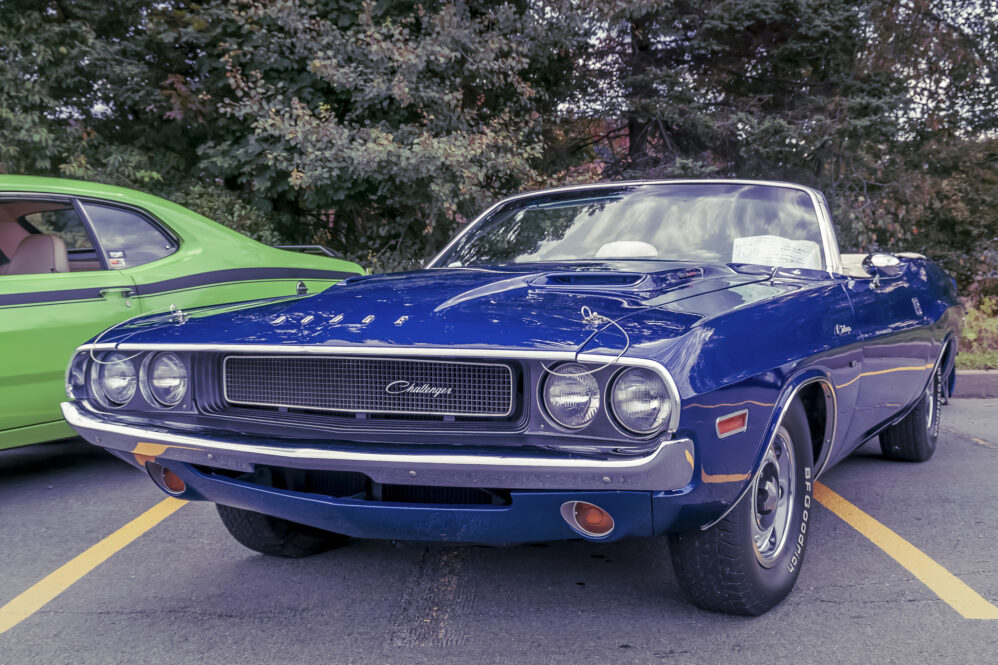
Legendary muscle cars that turned out to be lemons
Saving up for a legend and getting a defect instead is its own specific flavor of frustration. It happened to real buyers, with real money, on cars that still show up on posters decades later.
Six of them, and what actually went wrong.
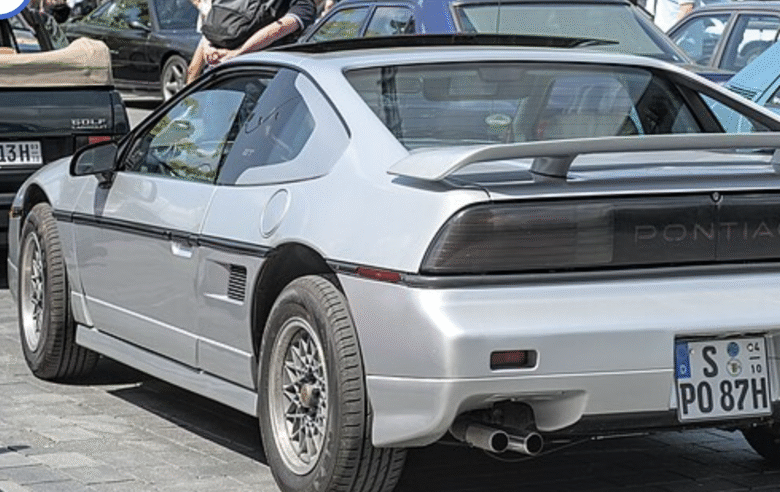
The Pontiac Fiero
Not a metaphor. GM’s plastic-bodied, mid-engine sports car would snap a connecting rod if the oil ran even slightly low, and a broken rod through the engine block tends to spray oil onto a hot exhaust manifold. By late 1987, over 260 fire reports had piled up, and GM recalled 125,000-plus cars the evening before Thanksgiving, apparently hoping nobody would notice the timing.
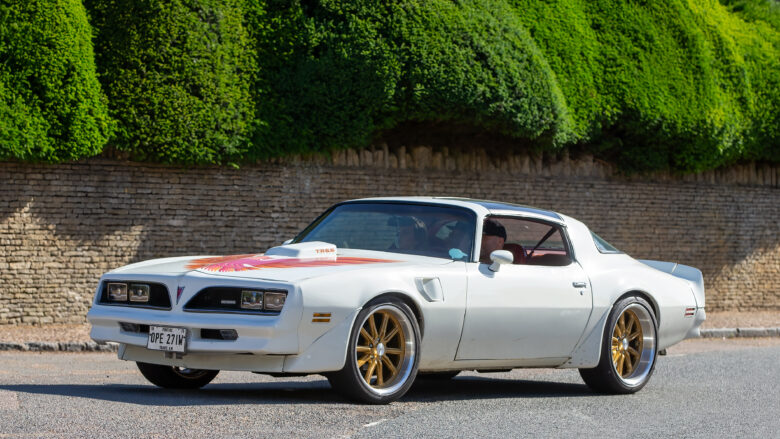
The Trans Am’s turbo 301
Following the 400 and 455 big blocks was already a tall order. An oil-cooled turbo made it worse: shutting the engine off without a cooldown period would cook the oil inside it, and that gunk buildup dramatically shortened the turbo’s life. A carbureted fuel system couldn’t fully use the boost anyway, so quarter-mile times actually landed slower than the big block it replaced.
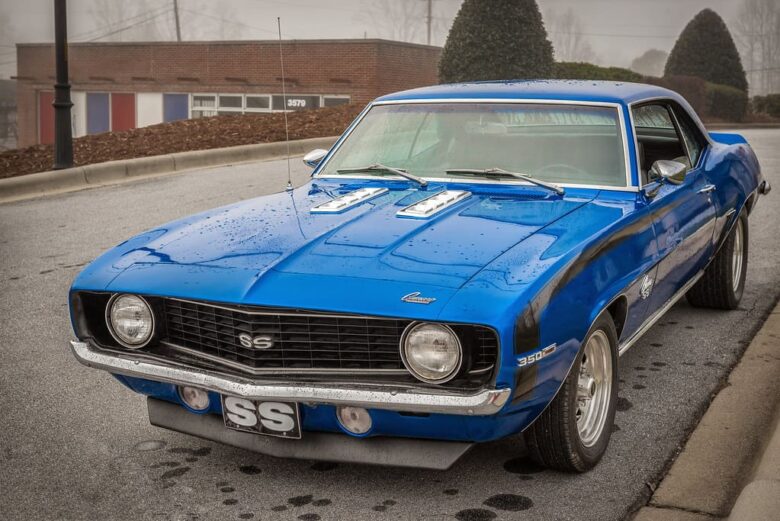
The Camaro Z28
Marketed as the cutting edge of GM electronic fuel injection when it launched on the 1982 Z28. Owners got flooding, rough idle, stalling in gear, and a reputation so bad that forum advice today still mostly amounts to ripping it out for a carburetor. GM killed the system after three model years and replaced it with Tuned Port Injection.
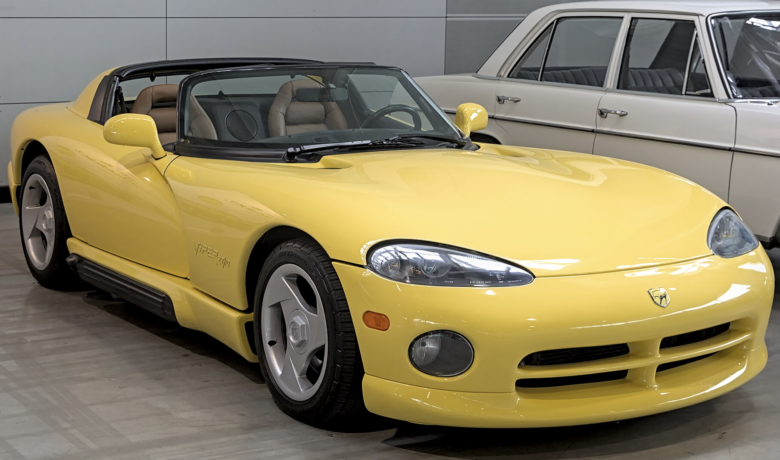
The first Viper
Dodge skipped ABS. Skipped traction control. Skipped airbags, exterior door handles, real glass windows. Then it routed the exhaust pipes directly under the door sills, close enough that getting in or out carelessly meant an actual burn risk. The second generation moved the exhaust in 1996. Draw your own conclusion about how the complaints landed in between.
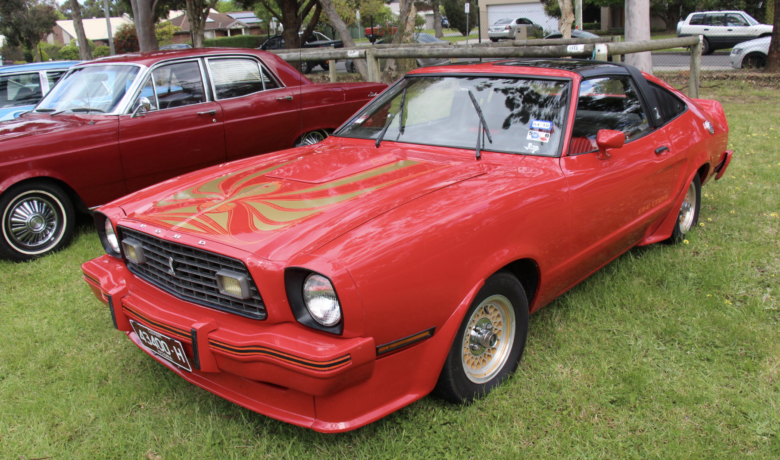
The Mustang II King Cobra
Aggressive graphics. A hood scoop. A name lifted from an actual muscle car legend, slapped onto a car built on the compact Pinto platform with a fraction of the horsepower earlier Mustangs carried. Contemporary reviewers mostly treated it as the low point of the whole muscle car era, all visual noise over an engine that couldn’t back it up.
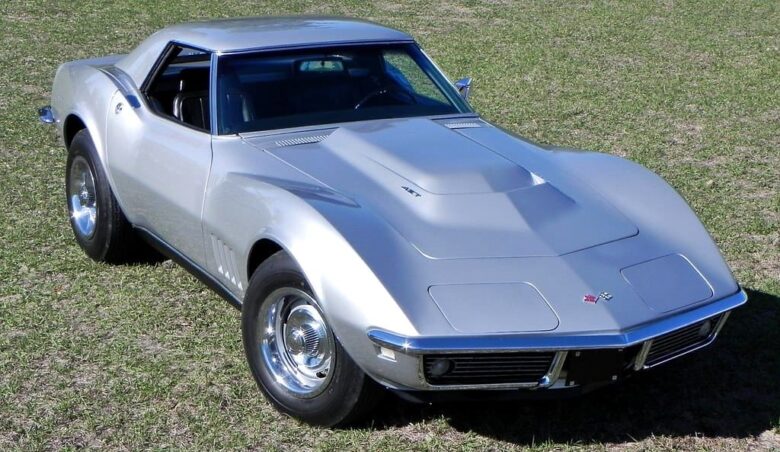
The Corvette
The C4 launched a full model year late and it showed everywhere. Ride quality was punishingly stiff, sharp enough that period reviews called it out directly, and build-quality complaints piled up the way they usually do on a platform rushed to market before anyone finished sorting it.
The bottom line
Every one of these had genuine ambition behind the badge. Every one shipped with a flaw serious enough to outlive the car itself in owners’ memories. Legendary and reliable turned out to be two entirely separate promises.
Ask us! What questions do you have about content, strategy, pop culture, lifestyle, wellness, history or more? We may use your question in an upcoming article!
Related:
Like MediaFeed’s content? Be sure to follow us.
This article was syndicated by MediaFeed.co.