This article was reviewed by Julia Switzer, MD, FACOG.
Key Takeaways:
- Hormonal changes during perimenopause — particularly drops in estrogen — can make skin drier, thinner, and itchier than usual.
- Less collagen and a weaker skin barrier can also lead to sensitivity, dryness, and irritation.
- Moisturizing, hydrating, and limiting hot showers can help soothe perimenopause itchy skin.
- A healthcare provider can suggest other treatments, like topical steroids, antihistamines, or hormone replacement therapy (HRT).
Persistently itchy skin can be frustrating, to say the least. If you’re going through perimenopause or menopause and noticing your skin feels itchier than usual, you’re not imagining it — and you’re not alone.
Many women experience this symptom (officially known as menopausal pruritus) as their hormones shift.
Let’s uncover what’s happening beneath the surface and how to find real relief for perimenopause itchy skin.
Why Does My Skin Itch So Much During Perimenopause?
Your skin may be itchy during perimenopause because of the various changes happening to your body, specifically hormone shifts.
Perimenopause often begins in the mid-40s, though it can start earlier for some people. It usually lasts 4 to 7 years.
As you move through perimenopause and approach menopause, your body undergoes lots of hormonal changes — especially fluctuations in estrogen and progesterone. These shifts affect nearly every part of your body, leading to:
- Hot flashes
- Vaginal dryness
- Skin changes
And even though itchy skin is very common, many women don’t hear about it ahead of time. “The itchy skin and joint pain were surprising to me. The other symptoms were expected,” says Hers customer Tracy.
This kind of experience is normal. There are a few key reasons why perimenopause can make your skin feel drier, itchier, and more sensitive.
Estrogen Fluctuations and Dry Skin
Estrogen plays a big role in maintaining skin health. For starters, it keeps skin hydrated by supporting natural oil production and stimulating hyaluronic acid, a molecule that helps skin hold onto moisture.
When estrogen levels start to fall, your body produces less of those protective oils, and it can be harder to retain water (transepidermal water loss). The result is dryness and tightness, which can then irritate nerve endings and lead to that unmistakable itch.
Collagen Loss and Skin Elasticity
Another reason your skin might feel different during perimenopause is collagen loss. Collagen is the main protein that gives skin structure, strength, and bounce.
Estrogen helps your body make collagen and maintain healthy skin tissue. As estrogen levels fluctuate and eventually decline, collagen production slows down, and the collagen you already have starts to break down faster.
With less collagen, your skin becomes thinner, less elastic, and more fragile. This means it’s easier to irritate and harder to recover from dryness. Combined with less moisture, these changes can make your skin feel tight, sensitive, and itchy.
Increased Sensitivity and Irritation
During perimenopause, you might notice that products you’ve used for years suddenly sting or cause redness, or that certain fabrics feel rougher on your skin. It’s not your imagination — your skin can become more reactive during this transition.
There are a few reasons this can happen, including:
- A weakened skin barrier. As estrogen levels drop, skin can get drier and thinner, weakening its natural barrier. This makes it easier for irritants — like harsh soaps, fragrances, detergents, or even cold air — to trigger discomfort.
- More inflammation. Estrogen is anti-inflammatory. So when it fluctuates during perimenopause, your body might become more prone to inflammation. This can show up as more redness, itchiness, or irritation.
- The itch-scratch cycle. Constant scratching sometimes leads to a pattern that worsens irritation, causing patches of skin to thicken and become even more sensitive. This condition is known as a form of neurodermatitis, and it’s also associated with eczema, asthma, and stress.
Other Contributing Factors of Perimenopause Itchy Skin
While hormonal changes are the main reason for itchy skin during perimenopause, several other factors can make the problem worse:
- Stress. Women in the early stages of perimenopause tend to feel the most stressed. High stress levels can heighten skin sensitivity and make itching feel more intense. Stress also triggers inflammation in the body, which can further aggravate skin.
- Dehydration. Drinking enough water can support skin health. Meanwhile, dehydration may compound the dryness caused by lower estrogen levels, leaving skin even more parched and itchy.
- Hot baths and showers.Though they might feel relaxing, exposure to very hot water in a long bath or shower strips away skin’s natural hydration, worsening dryness and irritation.
- Certain medications. Some prescription and over-the-counter (OTC) drugs list dry or itchy skin as a side effect. If you recently started a new medication, ask your provider if it could be contributing.
- Allergies or underlying skin conditions. Allergies, eczema, psoriasis, or other skin conditions can also cause itching. If your symptoms are severe, persistent, or accompanied by other changes (like rashes or pain), check in with a healthcare provider to rule out other causes.
Understanding these contributing factors can help you identify triggers and find the best strategies for relief.
How to Stop Perimenopause Itching
Once you understand what’s causing the itch, you can take targeted steps to soothe it. Relief usually comes from a mix of daily habits, the right skincare, and — if needed — medical treatments.
Lifestyle Adjustments for Skin Health
Your daily habits can help manage dry, itchy skin. Consider incorporating these changes:
- Hydrate from within. Drink plenty of water throughout the day — around eight glasses is a good goal. Herbal teas and water-rich foods like fruits and veggies can also help keep your skin hydrated from the inside out.
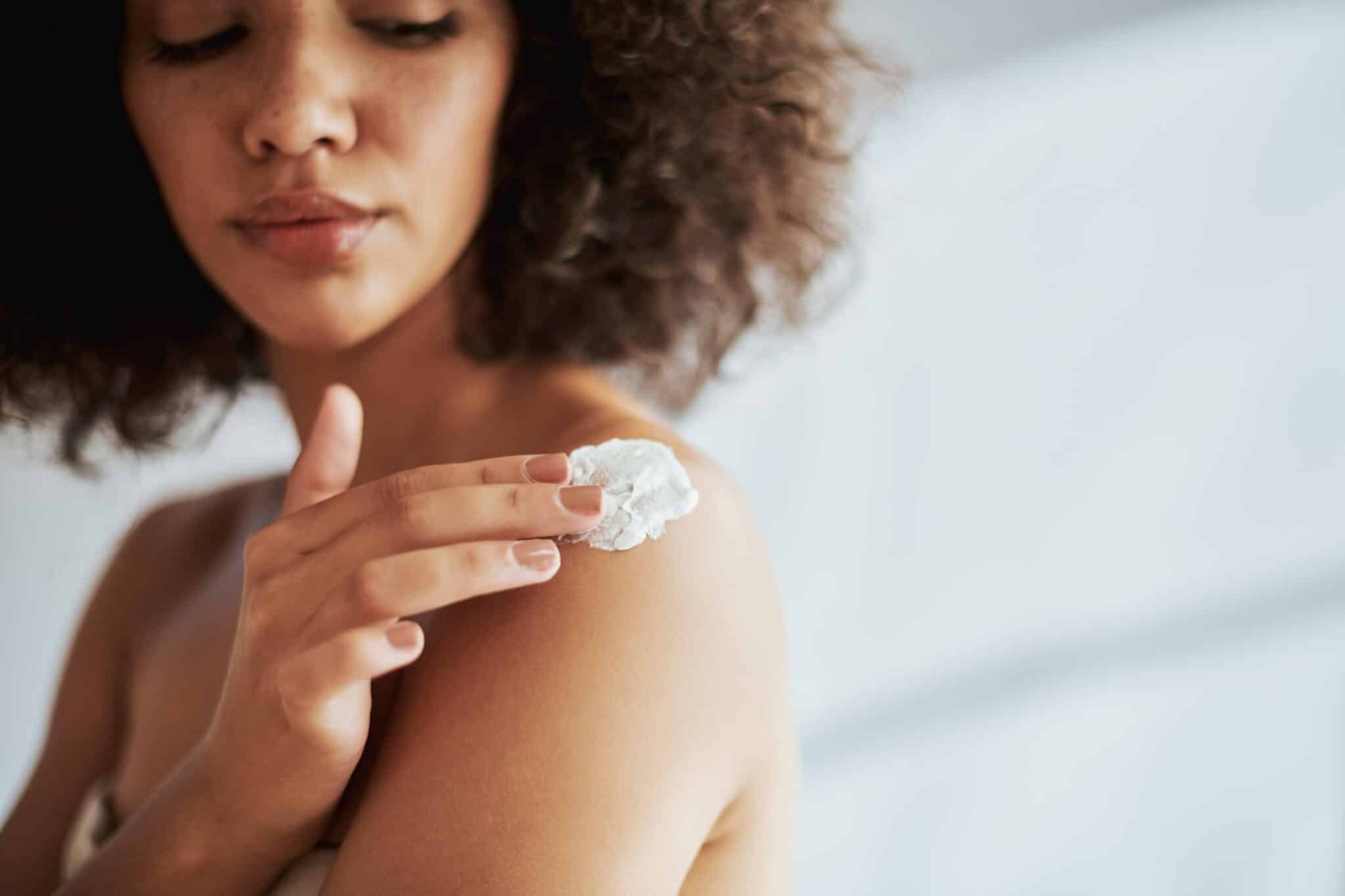
- Moisturize regularly. Choose thick creams instead of lightweight lotions. Look for ingredients like ceramides, hyaluronic acid, shea butter, glycerin, or colloidal oatmeal. Apply moisturizer right after bathing, while your skin is still slightly damp, to help lock in moisture.
- Adjust your bathing routine. Hot water feels comforting, but it can strip your skin of natural oils. Stick to lukewarm showers or baths, and limit them to 5 to 10 minutes. Use a gentle, fragrance-free cleanser and pat (don’t rub) your skin dry before moisturizing.
- Wear sunscreen. Ultraviolet (UV) rays from the sun can break down collagen and slow new collagen production, contributing to skin aging. It can strip skin of moisture, so if dryness is the root of itchiness, limiting sun exposure could help mitigate it.
- Humidify your environment. Indoor heating and air conditioning can dry out your skin, while a humidifier (especially in your bedroom) can help keep moisture in the air. Higher humidity levels may keep your skin from feeling tight or flaky.
- Wear breathable fabrics. Choose loose, breathable fabrics like cotton or silk. Avoid rough materials like wool or synthetics, as well as tight clothes that can irritate skin.
- Manage stress. Stress can amplify skin sensitivity and inflammation. Try calming routines, such as yoga, meditation, deep breathing, walking, or spending time outdoors.
- Avoid irritants. Take note of potential triggers — like scented detergents, perfumes, or harsh weather — and minimize exposure when you can. Even small changes, like switching to fragrance-free products, might make a big difference.
- Keep your nails short and try not to scratch. We know — easier said than done. But patting or pressing the area instead of scratching can help reduce irritation. Plus, shorter nails make it less likely you’ll accidentally break the skin or worsen the itch.
Topical Treatments and Remedies
Alongside lifestyle changes, topical treatments can help calm itching and restore comfort. Options include:
- Over-the-counter anti-itch creams. Hydrocortisone cream, a mild steroid, can help reduce inflammation and itching. Or try creams with menthol or camphor for a cooling, soothing effect. Pramoxine hydrochloride is a topical anesthetic that gently numbs the skin. Ask your provider for suggestions.
- Colloidal oatmeal baths. Soaking in a lukewarm bath with colloidal oatmeal (finely ground oats) for 15 to 20 minutes might help soothe irritation and calm inflamed skin. Avoid hot water, which can worsen dryness.
- Cold compresses. Apply a cool, damp cloth or an ice pack wrapped in a towel for quick, temporary relief by numbing the area and reducing inflammation.
- Petroleum jelly or thick balms. Products like plain Vaseline or thick emollient balms lock in moisture, help heal wounds and cracked or very dry skin, and are good for sensitive groups since they have a low allergenic profile.
Medical Treatment Options
If your itching is severe, persistent, interfering with sleep, or not improving with at-home care after a few days, it may be time to see a healthcare professional. This could be your primary care doctor, a dermatologist specializing in women’s health, or a gynecologist who specializes in menopause.
Your provider can rule out other causes of itching, such as allergies, eczema, thyroid disorders, or liver and kidney issues. And they can recommend stronger treatments if needed.
Possible medical treatments for perimenopause itchy skin include:
- Topical steroids. OTC hydrocortisone doesn’t do the job for everyone. Your provider may prescribe a higher-strength corticosteroid cream to reduce inflammation and soothe the skin.
- Oral antihistamines. While many antihistamines are available over the counter, still talk with your healthcare provider about how to use them effectively. They don’t address every cause of itchy skin. But non-drowsy options can help during the day, while older, sedating types may be helpful if perimenopause itching at night is interfering with sleep.
- Gabapentin or pregabalin. In stubborn cases, these medications (often used for nerve pain) may calm the nerve signals that trigger itching sensations. Gabapentin is also sometimes prescribed for hot flashes.
- Hormone replacement therapy (HRT). For many women, HRT effectively relieves both menopausal and perimenopausal symptoms by restoring estrogen levels.
One review suggests HRT is a treatment option for itchy skin. Replenishing estrogen can help improve hydration, collagen production, and skin barrier function. A healthcare provider can help determine if HRT is a good choice for you based on your health history and symptoms.
The Bottom Line: Perimenopause Itchy Skin
Itchy skin during perimenopause and menopause is a common but manageable part of the hormonal transition as estrogen levels fluctuate and decline.
Understanding these shifts can help you take the right steps toward relief, including talking to a healthcare provider about your symptoms. They can help pinpoint the cause and create a personalized treatment plan so you can move through this stage of life with greater comfort and confidence.
If you’re interested in finding out more about HRT for menopause or perimenopause symptoms like itchy skin, you can connect with a healthcare provider through Hers. They can walk you through the best treatment options for your health needs and goals.
FAQs
See answers to frequently asked questions about perimenopause itchy skin.
Why does perimenopause cause itchy ears?
Perimenopause can cause itchy ears for the same reason it can make skin elsewhere feel dry or irritated: fluctuating estrogen levels. As estrogen drops, your skin produces less natural oil and collagen, leaving it thinner, drier, and more sensitive. The delicate skin inside and around your ears can become itchy as a result. A weakened skin barrier can also make this area more reactive to skin and hair products, earrings, or humidity changes.
What helps with perimenopausal itching?
A combination approach usually works best. Focus on consistent moisturizing, gentle skincare, staying hydrated, using a humidifier, and managing stress. Over-the-counter anti-itch creams or colloidal oatmeal baths can also help.
If itching is severe or persistent, talk to your healthcare provider. They may recommend stronger prescription creams, oral medications, or hormone replacement therapy.
What is the best cream for menopause itching?
There’s no single “best” cream for menopause itching, but the most effective ones deeply hydrate and repair the skin barrier. Look for thick, fragrance-free, hypoallergenic formulas with ingredients like hyaluronic acid, shea or cocoa butter, and colloidal oatmeal. You can also look out for skin products specifically designed with perimenopause and menopause in mind. Apply them at least twice a day, especially after bathing, to lock in moisture.
Does menopause itching go away?
For many women, menopausal itching eases once their hormones stabilize after menopause. However, since lower estrogen affects skin hydration, a good moisturizing routine is still important. In other words, if the itching stems only from temporary hormonal fluctuations, it may subside with time.
But if menopause itching is tied to ongoing dryness or skin changes, long-term care may be needed. If itching is severe or doesn’t improve with home remedies, consult your healthcare provider to rule out other causes and explore medical options like HRT.
Related:
Like MediaFeed’s content? Be sure to follow us.
This article originally appeared on ForHers.com and was syndicated by MediaFeed.org.