Iconic muscle cars that were maintenance nightmares
A car is a beautiful thing right up until it breaks. The engine turns over, the paint gleams, and then one day a part fails, a specialist gets called in, and the beautiful thing has quietly become an expensive, ongoing negotiation that won’t let go easily.
Muscle cars carry that risk more than most. Low production numbers, discontinued parts suppliers, and engineering pushed right to the edge of what a factory assembly line could reasonably handle all combine into a specific kind of ownership experience: gorgeous on a good day, and financially punishing the moment something fails on a bad one. Decades of scarcity have only made that worse, since a part that was merely expensive when the car was new can be nearly impossible to source at all once the original supplier has been out of business for forty years.
Six legends below earned their reputations and their repair bills in roughly equal measure.
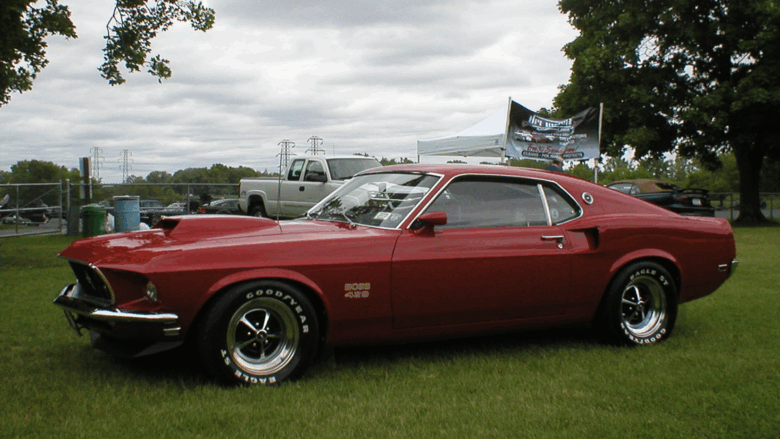
Ford Mustang Boss 429
The engine didn’t fit. Not figuratively, literally: Ford had to ship unfinished Mustangs to an outside contractor, Kar Kraft, just to widen the shock towers and relocate the battery to the trunk before the 429 could go in at all. Every repair on one of these today still runs into that same original problem: it was never built like a normal Mustang.
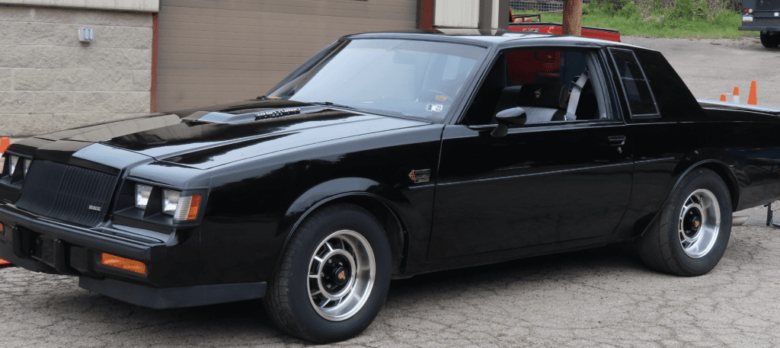
547 Buick GNXs total
That’s how many Buick GNXs exist, full stop, and the turbocharged V6 hiding under the hood was genuinely ahead of its time. Complexity aged badly. One owner of the more common GNT variant spent years chasing down replacement parts, describing a permanently stuck electrical antenna as nearly universal among Regal owners of that era.
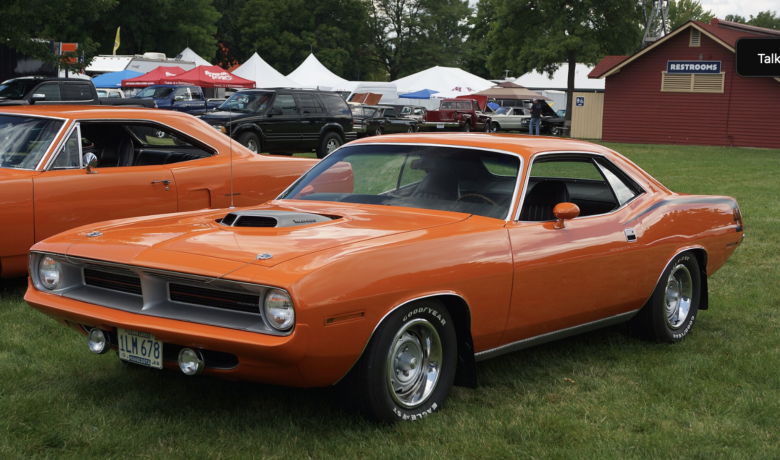
Mechanics spent six years restoring a Hemi ‘Cuda. It wouldn’t start 160 miles later.
That’s not a metaphor for how finicky the Hemi engine gets once anything needs adjusting. It’s a real restoration, recently documented: six full years of work, and the car still refused to fire up once it reached a second shop.

Pontiac GTO Judge
Rarity cuts both ways here. A car this collectible stops feeling like transportation and starts feeling like a documentation project, where parts, originality, and preservation each carry real financial weight. A regular muscle car survives a bad repair. A Judge doesn’t shrug it off nearly as easily.
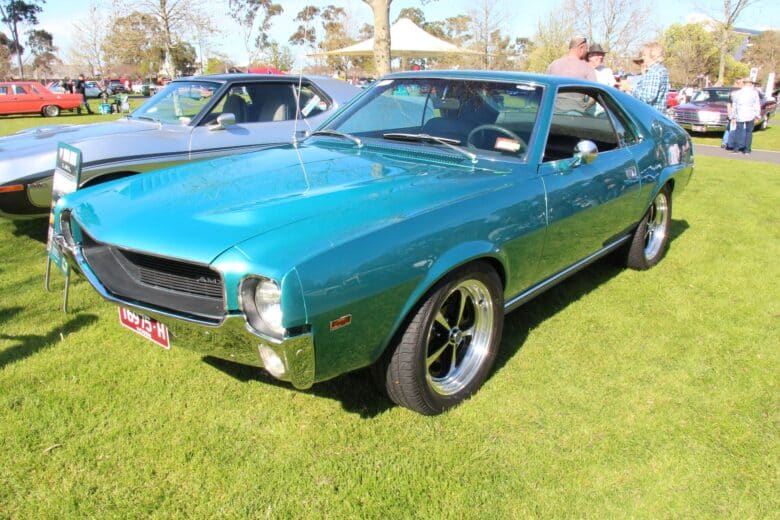
AMC AMX
Under 7,000 first-year units left the factory. AMC’s dealer network was smaller than the Big Three’s, and replacement parts thinned out faster as a result, long before anyone thought to stockpile them. Decades later, sourcing anything AMX-specific means competing against a shrinking pool of survivors for parts nobody’s manufacturing anymore.
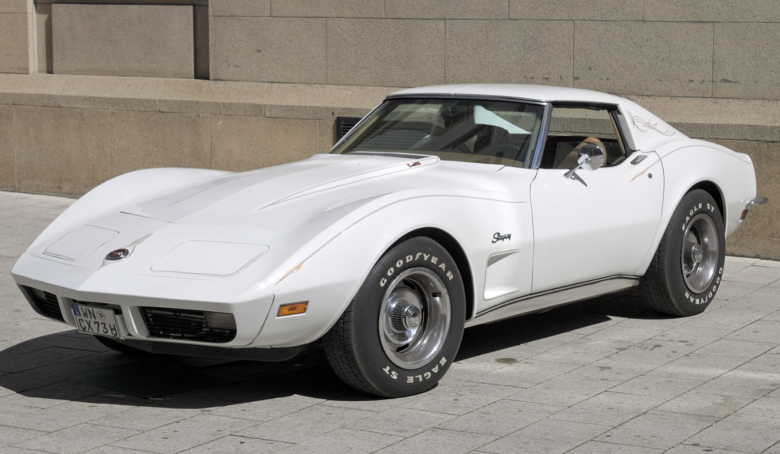
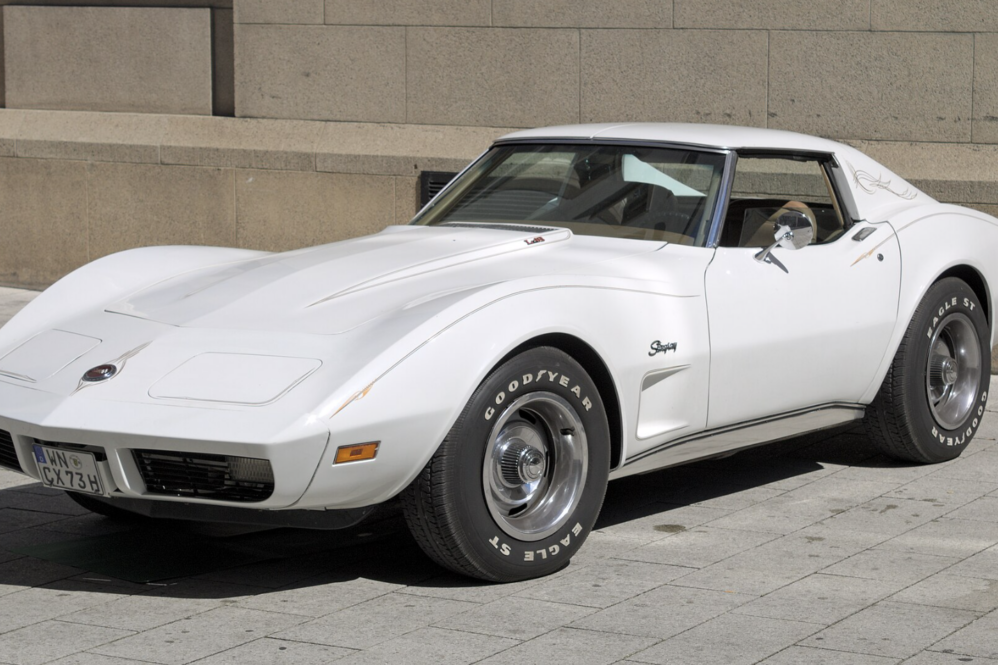
Corvette C3
Big power, iconic looks, and an electrical system that turned into a liability with age. Harmonic balancer failures, leaking gaskets, gauges quitting at random: scattered, unpredictable issues that make a single repair visit almost never the last one.
The bottom line
Six legends, six repair bills to match. The gap between the two is really the entire cost of keeping a legend running decades past the year it was built.
Ask us! What questions do you have about content, strategy, pop culture, lifestyle, wellness, history or more? We may use your question in an upcoming article!
Related:
Like MediaFeed’s content? Be sure to follow us.
This article was syndicated by MediaFeed.co.