The biggest blockbuster the year you graduated high school: Gen X edition
Generation X graduated from high school between 1983 and 1998. Those 16 years produced some of the most commercially dominant films in the history of American cinema, including the birth of the modern blockbuster, the rise of the summer tentpole and a succession of films that defined what it meant to see a movie as a communal, cultural event.
Find your graduation year below.
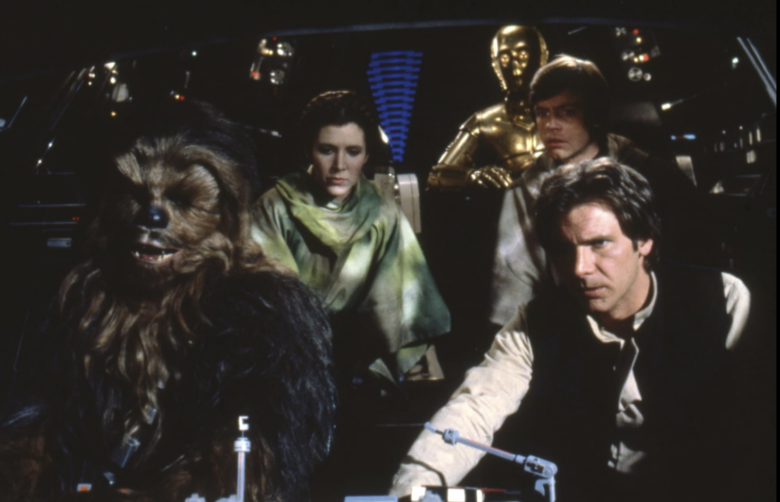
Class of 1983: “Return of the Jedi”
The final chapter of the original Star Wars trilogy grossed $252 million domestically, according to Box Office Mojo, making it the undisputed number one film of 1983.

Class of 1984: “Ghostbusters”
Ghostbusters opened in June 1984 and became a genuine cultural phenomenon, grossing $229 million domestically. Wikipedia confirms it was the top-grossing film of 1984.
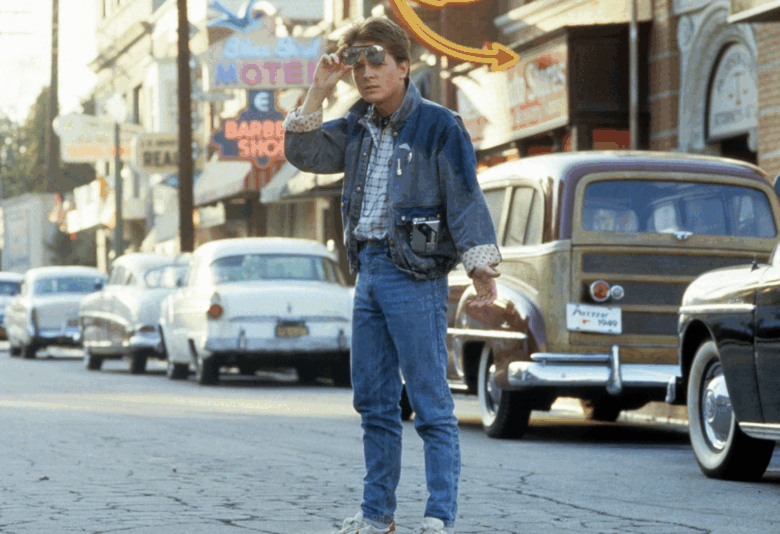
Class of 1985: “Back to the Future”
Spielberg produced, Zemeckis directed and Michael J. Fox became a movie star. Box Office Mojo that Back to the Future grossed $210 million domestically in 1985.

Class of 1986: “Top Gun”
Tom Cruise became Tom Cruise in 1986. Top Gun grossed $179 million domestically and, according to Wikipedia, was the top-grossing film of the year.
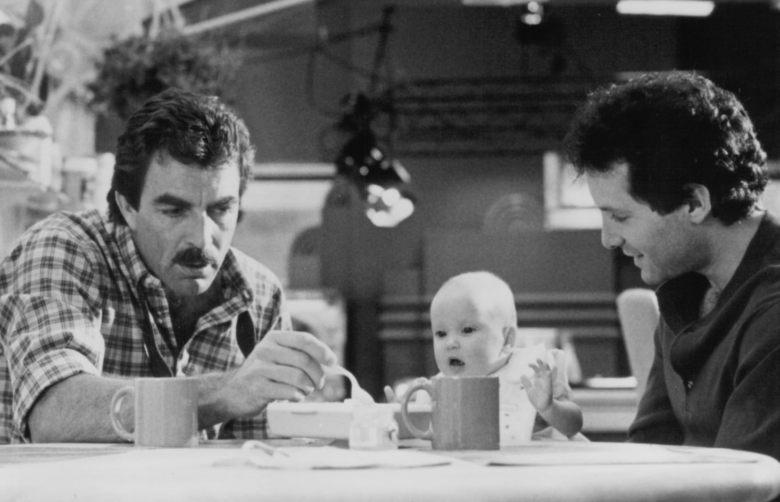
Class of 1987: “Three Men and a Baby”
The surprise hit of 1987. A comedy about three bachelors unexpectedly raising an infant, it grossed $167 million domestically and topped the annual chart according to Wikipedia,
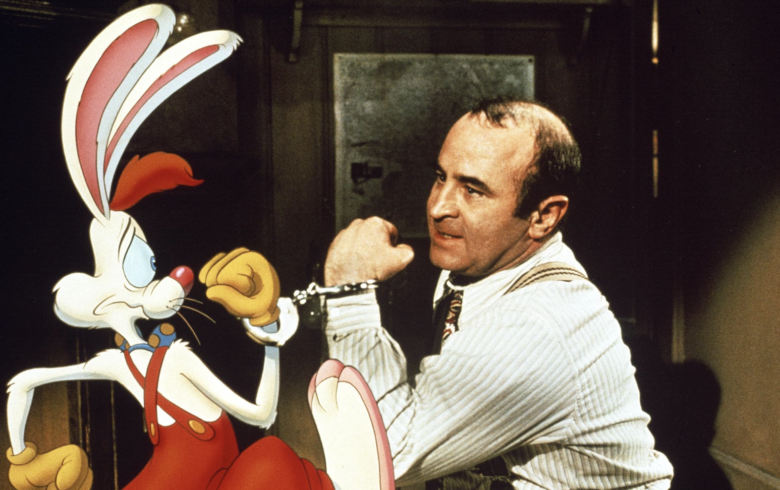
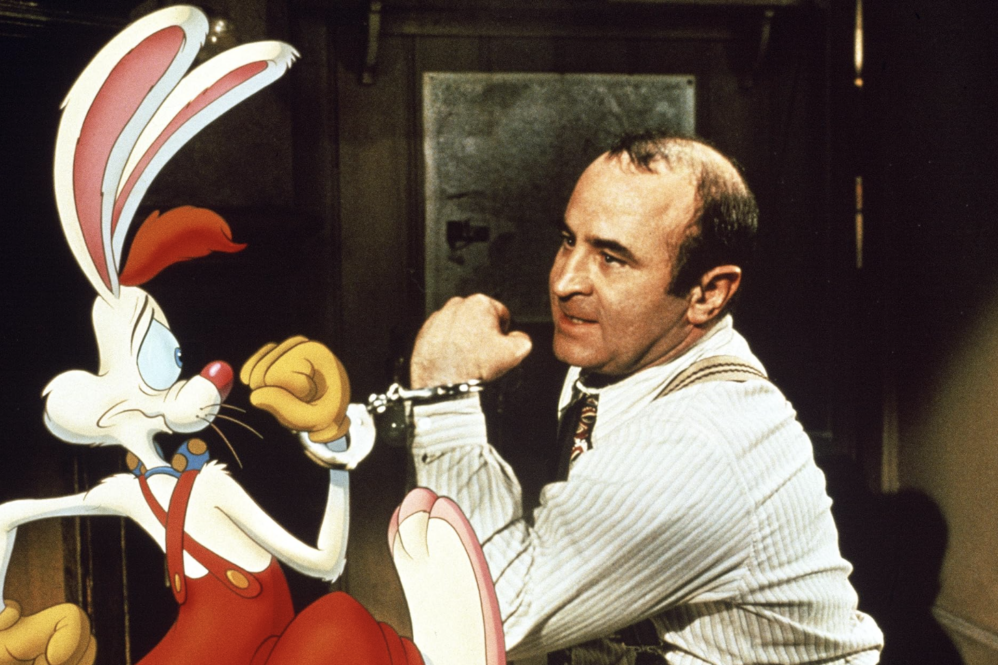
Class of 1988: “Who Framed Roger Rabbit”
Robert Zemeckis directed a seamless blend of live action and animation that grossed $156 million in its calendar year, Wikipedia confirms, topping the 1988 domestic chart.
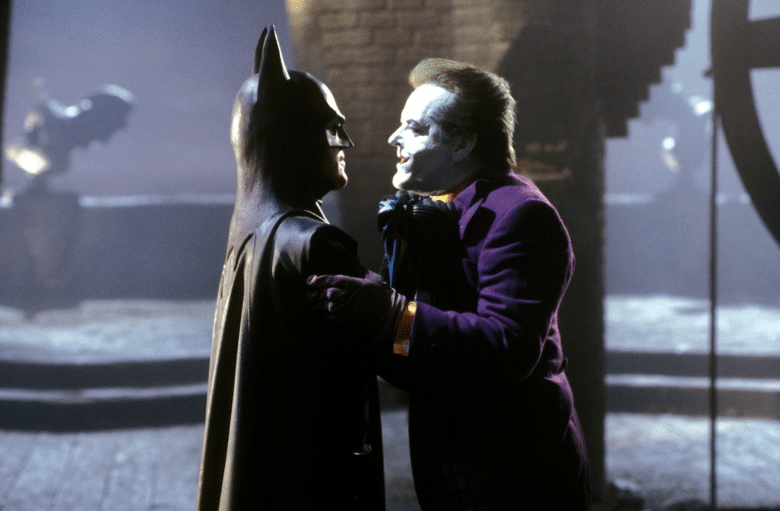
Class of 1989: “Batman”
Tim Burton’s Batman grossed $251 million domestically in 1989, according to Box Office Mojo. Michael Keaton’s casting drew approximately 50,000 protest letters before release. The film answered them.

Class of 1990: “Ghost”
Ghost cost $22 million and had no franchise pedigree. Wikipedia confirms it grossed $217 million domestically and finished the year at number one, ahead of Home Alone.

Class of 1991: “Terminator 2: Judgment Day”
James Cameron spent $102 million and generated $204 million domestically, per Wikipedia.
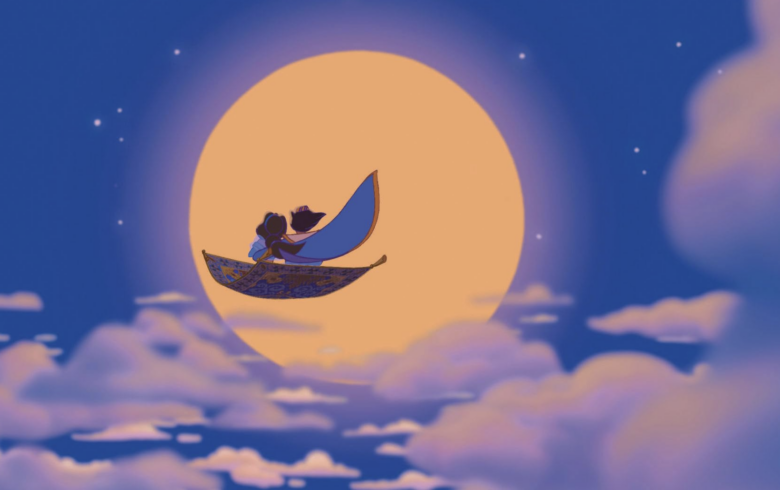
Class of 1992: “Aladdin”
Disney’s animated Aladdin grossed $217 million domestically in 1992 and introduced Robin Williams to an entirely new generation through the Genie, according to Box Office Mojo.

Class of 1993: “Jurassic Park”
Steven Spielberg directed the year’s top film for the second time in three years. Wikipedia confirms Jurassic Park grossed $357 million domestically in 1993. The kitchen scene remains one of the most technically effective sequences in blockbuster filmmaking.

Class of 1994: “The Lion King”
Disney’s animated peak. Box Office Mojo states that The Lion King grossed $312 million domestically in 1994.

Class of 1995: “Batman Forever”
Joel Schumacher’s first Batman film grossed $184 million domestically and led the 1995 annual chart, according to Wikipedia. It edged out Toy Story, Apollo 13 and Pocahontas.

Class of 1996: “Independence Day”
Will Smith became Will Smith in 1996. Independence Day grossed $306 million domestically and Wikipedia confirms it was the top-grossing film of 1996.
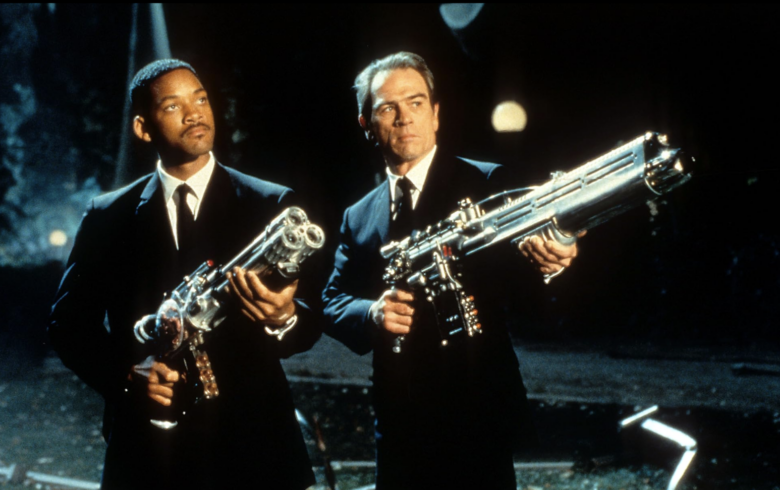
Class of 1997: “Men in Black”
Will Smith’s second consecutive year at the top of the box office. Men in Black grossed $250 million domestically, according to Box Office Mojo, and led the 1997 annual chart.

Class of 1998: “Saving Private Ryan”
Steven Spielberg’s third appearance atop the annual chart. Box Office Mojo Saving Private Ryan grossed $216 million domestically in 1998. The Normandy opening sequence is still studied in film schools.

The bottom line
Sixteen graduation years, sixteen films that defined what mainstream American cinema could do at its commercial peak. From the first Death Star to the beaches of Normandy, Gen X graduated to a series of blockbusters that still define what a summer movie is supposed to feel like. Which one was yours?
Ask us! What questions do you have about content, strategy, pop culture, lifestyle, wellness, history or more? We may use your question in an upcoming article!
Related:
- Disturbing movies you won’t want to watch alone
- 10 movies that are just as bad as people say they are
Like MediaFeed’s content? Be sure to follow us.
This article was syndicated by MediaFeed.co.