Before memes and endless feeds
Pre-smartphone living rooms during holidays featured no notifications, no social media feeds, no viral videos disrupting precious family time together peacefully. People had to find other creative ways to cope with holiday stress, boredom, and family chaos without digital distractions or escape routes. Before memes and endless feeds, surviving the holidays required creativity, patience, genuine human connection, and old-school tricks passed through generations thoughtfully.

Letter writing provided connection
Families wrote detailed letters to friends and relatives, often recounting the year’s events thoughtfully with care and personal attention to detail. The practice encouraged mindfulness, deep reflection, and emotional expression through thoughtful writing practice. Creating and sending personalized cards provided sense of accomplishment and meaningful connection across physical distances.

Baking became stress relief
From gingerbread houses to roasted turkeys, the kitchen was hub of activity and stress relief for entire families working together. Repetitive motions and focus on culinary tasks reduced anxiety significantly, promoted presence, and encouraged family bonding deeply. Recipes passed down through generations doubled as comfort routines connecting past and present meaningfully together.

Board games offered escape
Families spent hours playing Monopoly, Scrabble, or charades together without digital interruptions or electronic distractions whatsoever. Social engagement, cognitive stimulation, and laughter served as powerful stress relievers for everyone. These games offered breaks from materialism and consumer pressures during commercial season effectively.

Outdoor activities boosted mood
Sledding, ice skating, and neighborhood snowball fights were staples of winter celebrations throughout the season. Exercise, vitamin D from sunlight, and endorphin release worked as natural mood boosters. Community aspect allowed socialization beyond family,

reinforcing neighborhood bonds across age groups.
Reading provided escape
Books, magazines, and storytelling were key ways to unwind and escape holiday stress without screens. Mental engagement, empathy, relaxation, and improved focus came naturally through pages. Family rituals featured sharing stories by fire, reading aloud, or swapping favorite novels together.
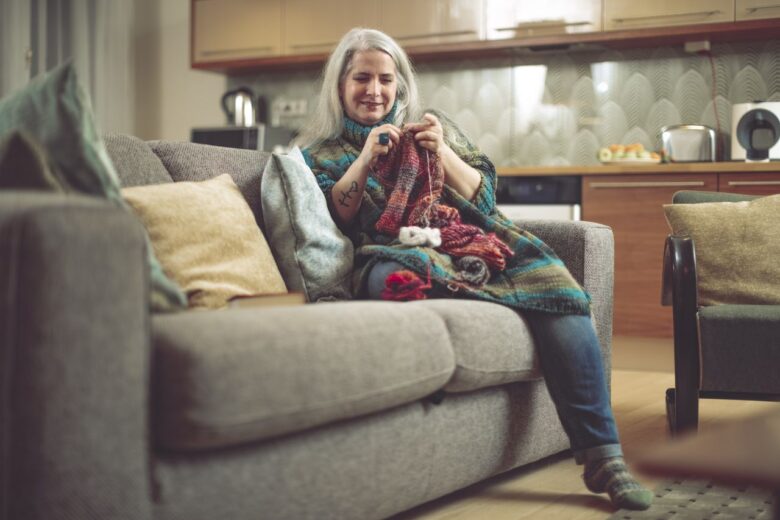
Handcrafted gifts created meaning
Knitting, woodworking, or homemade crafts kept hands busy and minds calm during long winter evenings at home. Creative expression, mindfulness, and personal satisfaction flowed naturally from creating something meaningful. These handmade meaningful gifts strengthened social bonds and emotional wellbeing through personal touch.

Music brought togetherness
Playing instruments, singing carols, or listening to holiday albums was central to celebrations. Mood enhancement, emotional expression, and shared family enjoyment emerged naturally from melodies. Live music experiences encouraged togetherness over digital isolation common today.

Reflection allowed presence
Many engaged in quiet reflection, journaling, or attending religious services for spiritual renewal. Emotional regulation, gratitude practice, and stress reduction came naturally from stillness. Slower pace allowed people to be genuinely present in holiday moment without distractions.

Screens changed everything
Before distraction of screens and endless content consumption, people coped through creativity, genuine presence, and deep human connection meaningfully everyday. Many old-school strategies were significantly healthier and more restorative than doom scrolling or binge-watching viral content mindlessly today. Revisiting these meaningful traditions could help modern families reclaim calmer, more meaningful holiday experiences together authentically.
Related:
- Boomer wellness secrets that never went out of style
- Gen X’s secret to wellness? Doing less & caring less (in the best way)
Like MediaFeed’s content? Be sure to follow us.
This article was syndicated by MediaFeed.org.