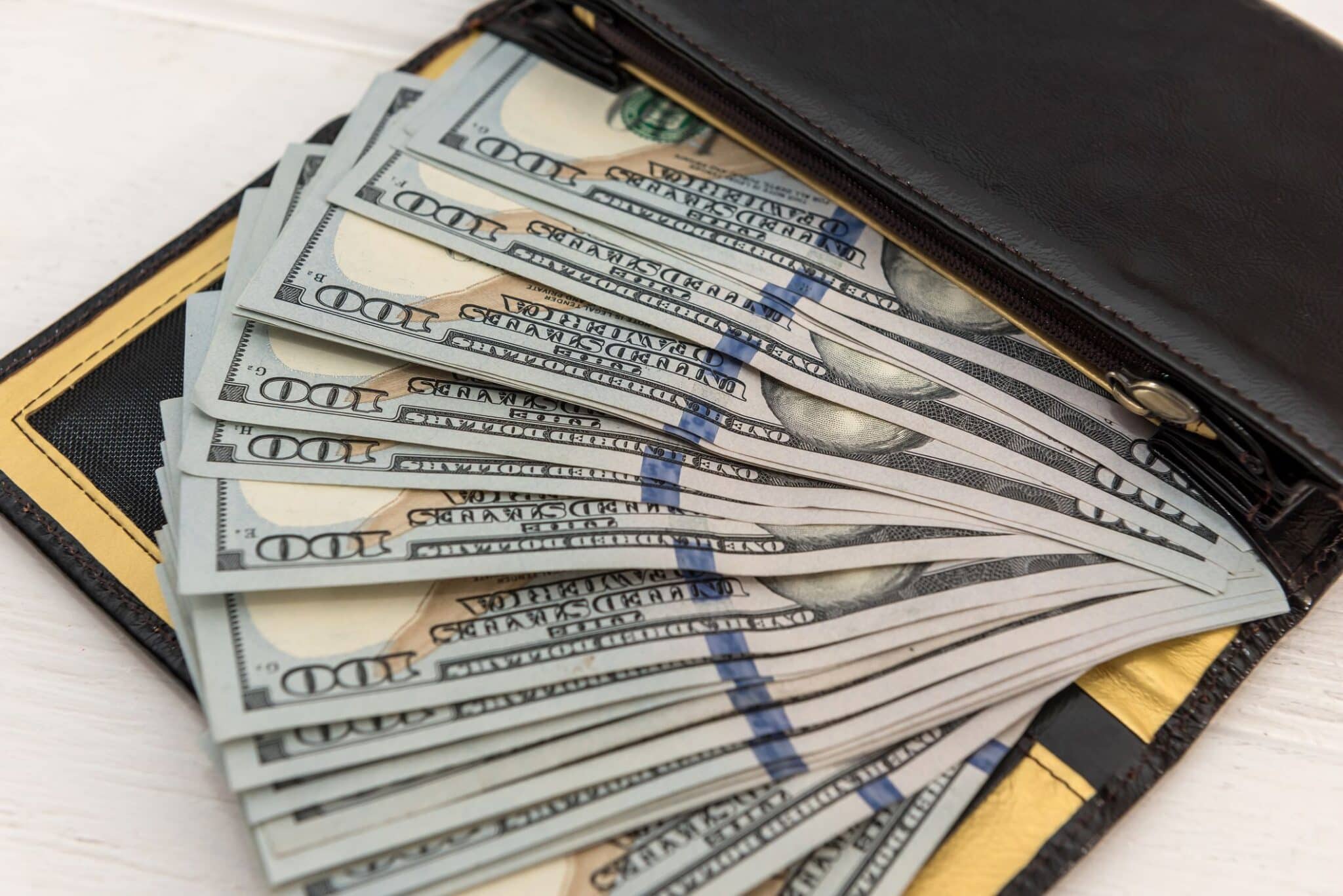
How much physical cash should I have access to at all times?
Natural disasters, power outages, and banking system failures happen without warning to households nationwide. Keeping physical cash at home provides essential security when digital payments fail. Financial experts recommend specific amounts based on household needs and potential emergency scenarios that could arise.

The expert consensus on cash amounts
Financial planners recommend keeping $300 to $500 at home for emergencies or unexpected cash-only expenses. Some experts suggest $500 to $1,000 for unforeseen issues like hurricanes or other natural disasters. Money expert Clark Howard recommends $400 as his personal baseline amount for emergency preparedness.

Calculate your personal cash needs
Figure you need to cover three days of walking around money for routine daily expenses. Whatever you typically charge or use debit cards for over three days determines what you need on hand. Look at recent monthly expenditures and divide by ten to estimate reasonable three-day amounts accurately.
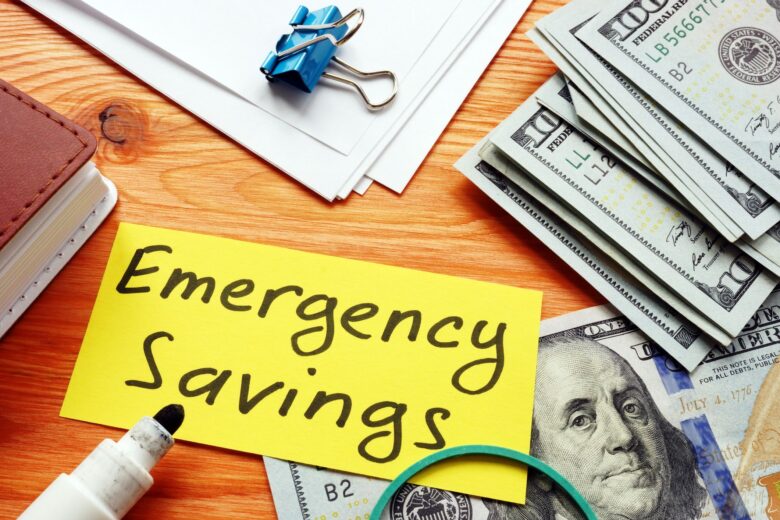
Emergency scenarios requiring physical cash
Think power outages that knock out ATMs or natural disasters, leaving card readers completely useless for days. Banking glitches can lock you out of your own money temporarily for hours or even days. Cash allows purchasing food, gas, and necessities when electronic payment systems fail.

Smart denominations matter significantly
You probably don’t want your entire emergency stash in big bills like hundreds and fifties. You’re much more likely to spend cash and get change with denominations of twenties, tens, fives, and ones. Merchants may refuse to accept large bills during crises when making change is scarce or impossible.

Safe storage prevents theft and damage
Consider buying a fireproof and waterproof safe for your home to protect emergency cash. Standard home insurance policies only cover $200 in cash from theft or damage. Any amount exceeding $200 lost, damaged, or stolen counts as personal uninsured loss with no recovery.

Avoid common storage mistakes
Avoid only-in-the-movies places like under your mattress or in your freezer under frozen steaks. Spread cash strategically, keeping $20 in your glove compartment, $20 in your wallet, and the remaining emergency cash in locked safes. Never tell others about your specific cash locations or amounts stored.

Balance cash with larger emergency funds
Most financial planners recommend saving three to six months of essential expenses in accessible bank accounts.When retired, consider cash reserves that might help cover one to two years of spending needs. Keep bulk savings in high-yield accounts earning interest to combat ongoing inflation erosion.

The inflation risk of holding cash
Cash loses value over time through inflation, eroding purchasing power significantly. By keeping bulk money in savings accounts or certificates of deposit, you earn interest, counteracting inflation. Physical cash stashes should remain small enough to avoid significant purchasing power erosion over an extended time.

When cash at home makes sense
Keeping cash at home is a personal choice that can be useful in emergency situations. Cash is still king across all crises for purchasing necessities when nothing else works. However, relying too heavily creates serious risks from theft and impulsive spending temptations.
Wrap up
The right amount balances security against risk effectively for every household.A cash amount covering bare necessities for two months might be reasonable. Start with $300 to $500 and adjust based on household size, local costs, and personal comfort levels.
Ask us! What questions do you have about content, strategy, pop culture, lifestyle, wellness, history or more? We may use your question in an upcoming article!
Related:
- How to save cash if you’re worried about tariffs & recessions
- 10 ways to tackle your finances in 2026
Like MediaFeed’s content? Be sure to follow us.
This article was syndicated by MediaFeed.org.