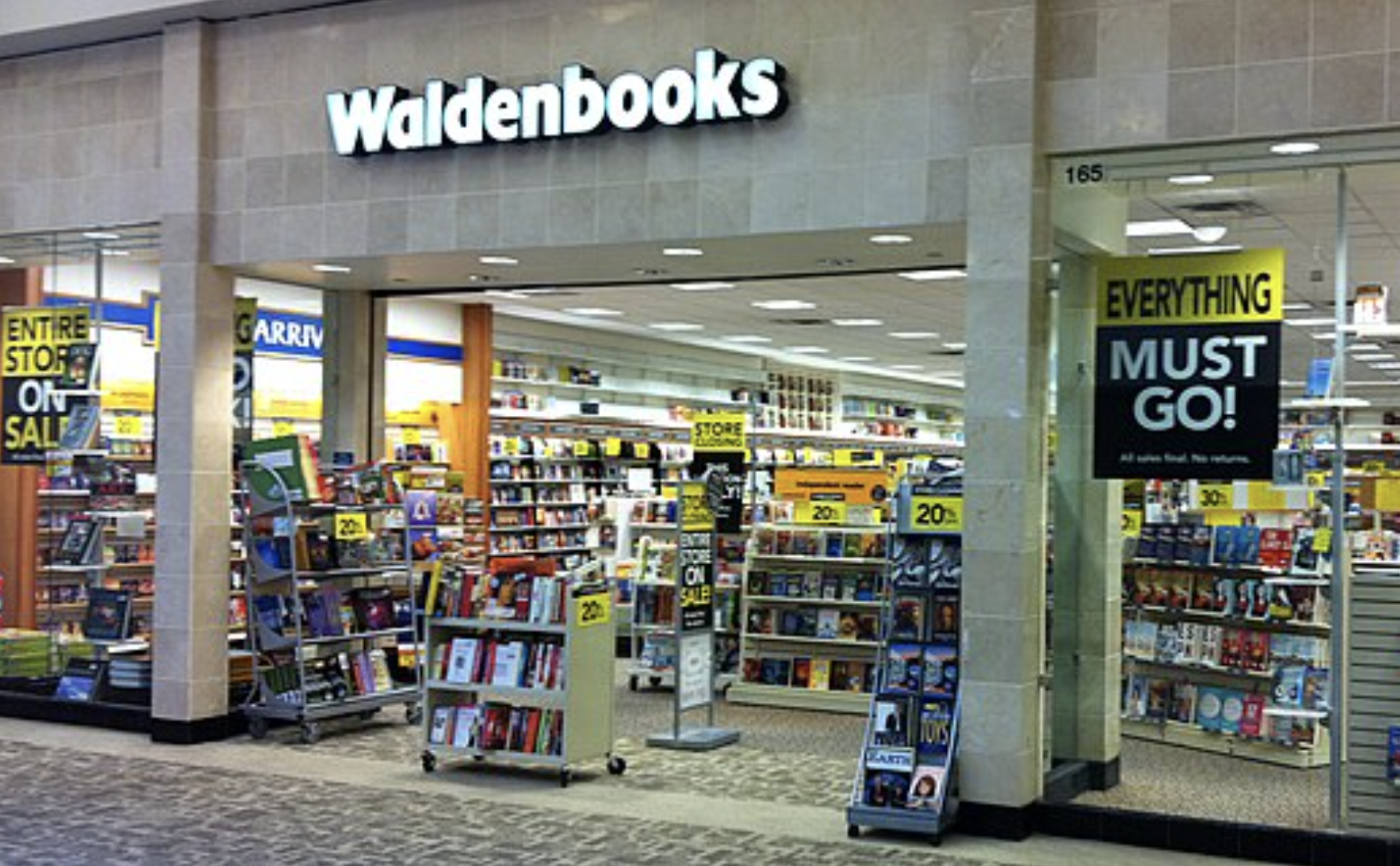
How many of these 1980s mall stores do you remember?
The 1980s were the golden age of shopping malls, with vibrant food courts, bustling crowds, and stores that seemed larger than life. For teens, the mall was the ultimate hangout spot, and for families, it was a one-stop destination for shopping, dining, and entertainment. Many of these stores have since vanished, but their memories remain etched in the minds of those who strolled the neon-lit halls.
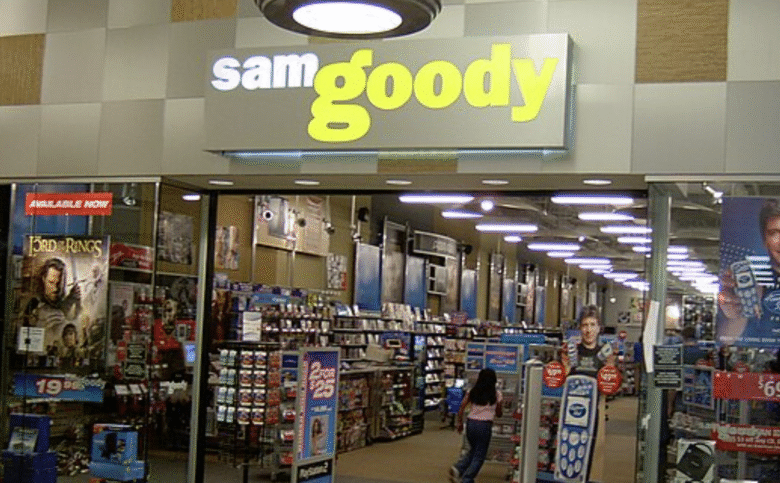
Sam Goody dominated music retail
Music lovers spent countless hours flipping through CDs and tapes at Sam Goody. It was more than just a store. It was a hangout for teens discovering new bands or saving up allowance money for that one big album release. Walking into Sam Goody felt like stepping into a music lover’s paradise, with walls lined with album covers and listening stations where you could preview the latest releases. Parent company Musicland filed for bankruptcy in 2006, and most locations were closed soon after.
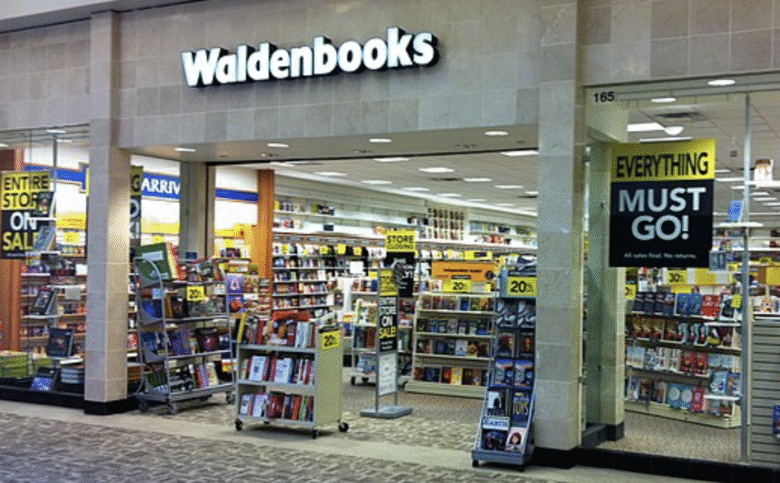
Waldenbooks filled every mall
Before giant bookstores and e-readers, Waldenbooks was the place to go for a quick read at the mall. By the mid-80s, Waldenbooks was the largest bookstore chain in the United States and would eventually grow to over 1,200 locations, almost all exclusively located in shopping malls. The cozy size of each store made it feel accessible, and book lovers could easily lose track of time browsing the shelves. The rise of e-commerce and superstores spelled the end for the chain, with its last locations closing in 2011.
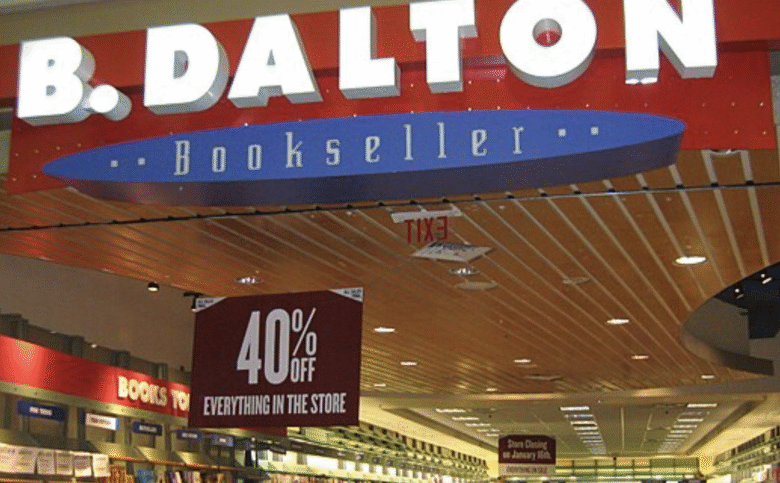
B. Dalton rivaled Waldenbooks
B. Dalton was another mall bookstore that seemed to be everywhere in the 70s and 80s. The stores were smaller than the big chains we see today, but they were packed with bestsellers, classics, and magazines. The chain store peaked in 1986 with more than 798 locations across the country. Barnes & Noble bought B. Dalton in 1987 and slowly began closing its stores, with the final nail coming in 2010.
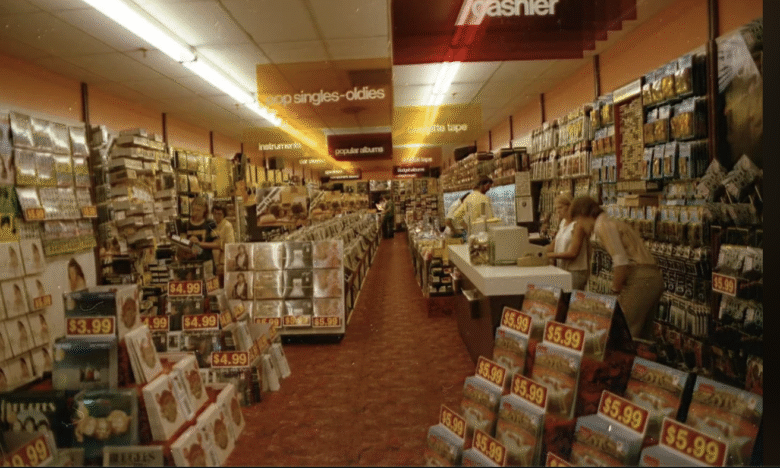
Musicland sold the soundtrack to youth
Musicland was founded in 1955, and it was the main mall music store in the Midwest for kids growing up in the 80s and 90s. Combined with Sam Goody and with continued growth, Musicland peaked at over 650 music store locations. Music wasn’t just something you streamed. It was something you hunted for, collected, and treasured. Best Buy purchased Musicland in 2001 with a plan in place, but it did not achieve what they wanted.
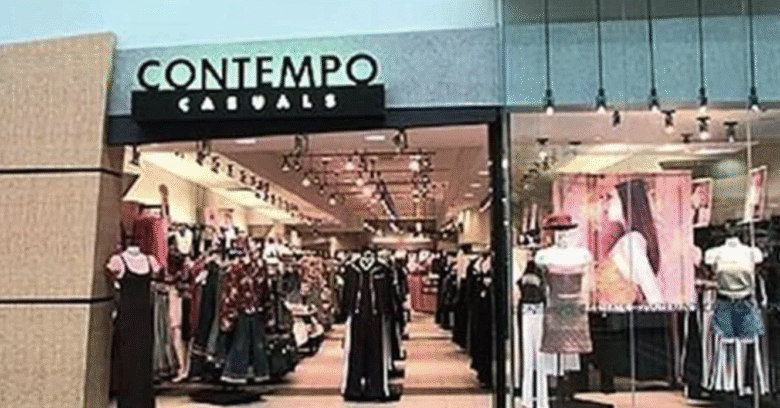
Contempo Casuals defined trendy
Contempo Casuals was all about fast, trendy fashion for young women. Its racks were filled with fun and sometimes daring outfits, perfect for a Friday night out or just looking stylish at the mall. Contempo Casuals was the ultimate store for trendy young women in the 80s and 90s. If you wanted something bold and inexpensive, this was the place to go. In the late 90s, the chain was acquired by Wet Seal, which eventually rebranded all the stores.
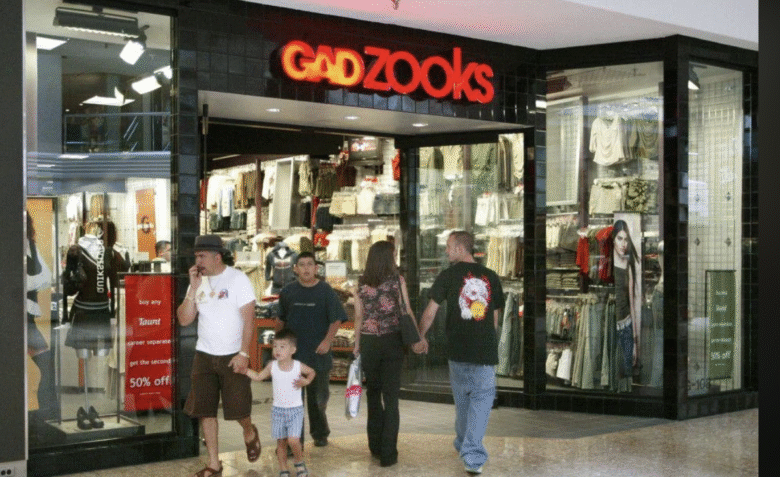
Gadzooks rocked graphic tees
Gadzooks was aimed squarely at teenagers in the 90s, and it was known for fun, youthful clothing. Graphic tees, denim, and quirky accessories made it a hit with high schoolers who wanted to show off some personality. The vibe was a mix of Hot Topic energy and Abercrombie-lite clothing. In 2005, Forever 21 acquired Gadzooks and quickly rebranded or closed most of the locations.
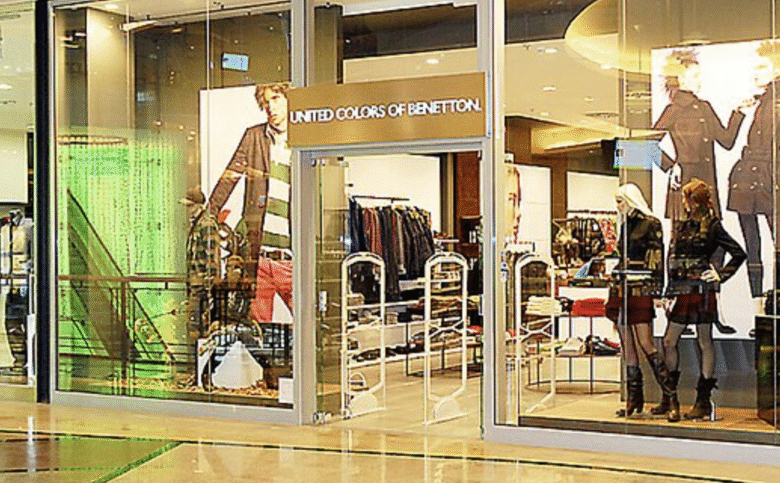
Benetton brought European fashion
Known for its socially conscious ad campaigns and bright color palettes, this store brought out the Euro-fashionista in 1980s mall rats. Benetton was effortlessly cool, minimalist, artsy, and just a little European. The brand has since shuttered all of its United States locations, though it has an online store and a brick-and-mortar presence abroad.
Wrap up
Every suburban mall had these stores tucked between the Gap and Orange Julius. They weren’t just places to shop. They were social hubs, weekend destinations, and the backdrop to countless family memories.
Ask us! What questions do you have about content, strategy, pop culture, lifestyle, wellness, history or more? We may use your question in an upcoming article!
Related:
- Forgotten American brands everyone owned but no one talks about anymore
- How to use AI to save big at the grocery store
Like MediaFeed’s content? Be sure to follow us.
This article was syndicated by MediaFeed.org.