There’s no definitive answer to how many
credit cards a person should have — it’s really a personal choice. On
average, however, the typical American had 3.84 credit cards in their name as
of the third quarter of 2020, according to the credit reporting agency Experian.
For those who want to pay with plastic, there’s certainly no shortage of
options, from credit cards that offer cash back or rewards for specific types
of purchases like gas or groceries, to business credit cards and store credit
cards. And with different types of credit cards providing different benefits,
it may seem like more than one credit card is the way to go. That said, just
because a practice is common doesn’t mean it’s right for your financial
situation. Here’s how to determine how many credit cards is the right number
for you — and how to tell how many credit cards is too many.
Related: 6 Strategies for Becoming Debt Free
Consider
Your Personal Finances
Just
like many other questions that people encounter when it comes to their
finances, the right answer to the question of ‘how many credit cards should I
have?’ depends on your personal finances and habits. For those watching their
budgets, having the option to charge purchases may increase your spending.
Don’t believe it? There’s ample research dating back two decades that indicates
people will spend more if they can pay by credit card. In one iconic study,
researchers gave participants the opportunity to buy tickets to a sold-out
basketball game. Those who paid by credit card spent as much as double as those
who paid by cash. A person’s finances also play a role in whether they may even
successfully obtain multiple credit cards. And once you have them, your financial
health can be impacted in other ways. Also keep in mind how costs can add up if
you have multiple credit cards, each with their own annual fee, and how that
fits into your budget.
The Pros and Cons of Multiple Credit Cards
There are both advantages and disadvantages to
having multiple types of plastic in one’s wallet. Here’s when it could be bad
to have too many credit cards — and when it could be good.
| Pros | Cons |
| Can maximize benefits and rewards by using cards strategically |
You’ll have multiple billing dates to keep track of, which can make it easier to miss payments and incur late fees |
| Increases your amount of available revolving credit, contributing to a healthy credit utilization rate |
Applying for multiple cards in a short time may lower your credit score (Note: pre-approval for credit cards, such as promotional offers, may not have this effect) |
| Offers a backup in the event a card is compromised or declined |
Having a higher combined credit limit may make it tempting for some to overspend |
How to Know If You Have Too Many Credit Cards
Technically, there is no official rule of thumb as
to what constitutes too many credit cards — the answer will come down to
the individual. That being said, there are some ways to tell you may have too
many cards.
It’s Hard to Keep Your Finances Organized
If you’re finding it hard to stay on top of your
finances, you may have too many credit cards. For some people, having multiple
credit cards is an organizational burden. They may lose track of their cards,
or feel overwhelmed by numerous statement due dates and the varying terms about
credit cards to remember.
The Cost of Credit Card Fees Exceeds the Benefits
Some premium credit cards carry a fee, and for
those with multiple cards, these fees can add up. If the cost of having many
credit cards exceeds the benefits, that may be a sign a person is using too
many.
The Credit Card Company Tells You So
Credit issuers have rules as to who may open an
account — and in some cases, having too many existing credit cards may
disqualify an individual. For example, some Chase credit cards are subject to a
5/24 rule, where applicants who have opened five or more personal credit card
accounts in the last 24 months, regardless of the issuer, will not be approved.
Different Cards for Different Purchases and
Rewards
Although there may be drawbacks to having multiple
credit cards in some scenarios or for some individuals, there also can be
benefits. For example, there are many types of rewards credit cards, and
different individuals may see varying returns based on their spending levels
and habits. Additionally, some cards may have occasional or introductory
promotions, such as bonus reward rates or redemptions, that can increase the
benefit of using a specific card on a given purchase or at a certain
time.
There are also products such as secured credit
cards, which are backed by cash deposits, allowing those with poor or limited
credit history to obtain cards. Bottom line: there are many factors that
go into choosing credit cards. Think carefully about which cards you
add to your wallet and how they’ll work together and complement one
another.
Credit Cards for Emergencies
Having multiple credit cards isn’t only about
optimizing the benefits and rewards. Another good reason for having more than
one credit card is that having an extra on hand can help ensure you always have
a payment method available. For example, there are some scenarios in which
an individual might try to make a purchase and have it declined. This can be
due to hitting one’s credit limit and any lag in processing a payment, or
because their account may be flagged for fraud. In such instances, having
another card on hand would allow that individual to still pay for any purchases.
One’s credit limit may also be a problem in an
emergency. For example, if your car breaks down and you’re almost to your
limit, you’d have to pay down your balance or exceed your limit in order to
cover the repair fee. While it’s never a good idea to charge more than you can
afford, multiple credit cards can ensure credit availability in an emergency.
Tips on Choosing Credit Cards
Even for those with strong familiarity of credit
card workings, it’s always a good idea to research a card before applying —
whether you have one credit card or many. Here are some helpful tips for
choosing a card:
- Consider fees: Because
the cost of multiple cards can add up, look for low or no annual fee. - Look for cards that complement each other: Instead of choosing multiple cards that offer similar benefits and
rewards, one can optimize their returns by selecting cards with returns on
different categories — and then being selective about which card to use on
which purchases. - Note the APR: For
individuals who carry a balance, it’s a good idea to pay attention to the
APR of various credit cards.
How Does Number of Credit Cards Impact Credit
Score?
One’s credit score is a rating that reflects how
“safe” a borrower is to lenders as far as their likelihood of being able to pay
back debt. As a lending product, credit card use impacts a person’s score — and
their score, in turn, has an impact on their ability to obtain credit in the future.
The number of credit cards a person has can affect their credit score in several ways,
including:
- Added hard inquiries: Applying
for a new credit card requires a “hard inquiry,” which can lower your
score, typically for 12 months. - Increased or decreased credit utilization: Credit scores also consider one’s credit utilization rate, which is
the proportion of credit currently being utilized relative to an
individual’s total available revolving credit. Depending on how they are
used, multiple credit cards can impact an individual’s credit utilization
in different ways:- If you regularly pay off your balance on time, your credit
utilization from this source will remain low, which can have a positive
effect on credit score. - If you carry a balance on several cards, that can add up and
increase credit utilization, adversely affecting your score.
- If you regularly pay off your balance on time, your credit
- Payment history: If
having multiple cards and multiple monthly statements makes it difficult
for a person to stay on top of credit card bills, they run the risk of
late payments, which can further ding one’s credit score.
Credit Card Alternatives
If you’d like to diversify your payment options but
aren’t sure another credit card is the way to go, you do have other options.
Here are some credit card alternatives you may consider:
- Debit card: If
you’re struggling to get approved for a credit card or just want more
boundaries on your spending, a debit card could be worth considering.
Unlike a credit card, where you borrow money to pay for your purchases,
with a debit card you use the money already in the attached bank account. - Personal loan: In
an emergency situation, a personal loan is another option to cover your
costs. They could offer more competitive interest rates than some credit
cards as well. Still, you’ll need a hard inquiry to get approved and
you’re still borrowing money you’ll have to pay back, plus interest. - Payment apps: A
payment app like Paypal is another way you can pay when shopping in stores
or online as opposed to using a credit card. You can connect Paypal
directly to your bank account or to a card. The service also offers the
option to send money to other users. Still, it might not be accepted
everywhere.
The Takeaway
The number of credit cards it’s reasonable to
have is really a personal decision that depends on your specific financial
situation and spending habits, as well as what cards you already have or want
to add to your wallet. Whether one credit card is sufficient for your needs, or
you see a benefit in having more than one card, it’s a good idea to compare all
the options. If you’re thinking about getting a new card to build your credit,
Lantern makes comparing a credit card easy.
Learn more:
This article originally appeared on lanterncredit.com and was syndicated by MediaFeed.org.
Lantern by SoFi:
This Lantern website is owned by SoFi Lending Corp., a lender licensed by the Department of Financial Protection and Innovation under the California Financing Law, license number 6054612; NMLS number 1121636. (www.nmlsconsumeraccess.org)
All rates, fees, and terms are presented without guarantee and are subject to change pursuant to each provider’s discretion. There is no guarantee you will be approved or qualify for the advertised rates, fees, or terms presented. The actual terms you may receive depends on the things like benefits requested, your credit score, usage, history and other factors.
*Check your rate: To check the rates and terms you qualify for, Lantern conducts a soft credit pull that will not affect your credit score. However, if you choose a product and continue your application, the lender(s) you choose will request your full credit report from one or more consumer reporting agencies, which is considered a hard credit pull and may affect your credit.
All loan terms, including interest rate, and Annual Percentage Rate (APR), and monthly payments shown on this website are from lenders and are estimates based upon the limited information you provided and are for information purposes only. Estimated APR includes all applicable fees as required under the Truth in Lending Act. The actual loan terms you receive, including APR, will depend on the lender you select, their underwriting criteria, and your personal financial factors. The loan terms and rates presented are provided by the lenders and not by SoFi Lending Corp. or Lantern. Please review each lender’s Terms and Conditions for additional details.
Personal Loan:
SoFi Lending Corp. (“SoFi”) operates this Personal Loan product in cooperation with Even Financial Corp. (“Even”). If you submit a loan inquiry, SoFi will deliver your information to Even, and Even will deliver to its network of lenders/partners to review to determine if you are eligible for pre-qualified or pre-approved offers. The lenders/partners receiving your information will also obtain your credit information from a credit reporting agency. If you meet one or more lender’s and/or partner’s conditions for eligibility, pre-qualified and pre-approved offers from one or more lenders/partners will be presented to you here on the Lantern website. More information about Even, the process, and its lenders/partners is described on the loan inquiry form you will reach by visiting our Personal Loans page as well as our Student Loan Refinance page. Click to learn more about Even’s Licenses and Disclosures, Terms of Service, and Privacy Policy.
Student Loan Refinance:
SoFi Lending Corp. (“SoFi”) operates this Student Loan Refinance product in cooperation with Even Financial Corp. (“Even”). If you submit a loan inquiry, SoFi will deliver your information to Even, and Even will deliver to its network of lenders/partners to review to determine if you are eligible for pre-qualified or pre-approved offers. The lender’s receiving your information will also obtain your credit information from a credit reporting agency. If you meet one or more lender’s and/or partner’s conditions for eligibility, pre-qualified and pre-approved offers from one or more lenders/partners will be presented to you here on the Lantern website. More information about Even, the process, and its lenders/partners is described on the loan inquiry form you will reach by visiting our Personal Loans page as well as our Student Loan Refinance page. Click to learn more about Even’s Licenses and Disclosures, Terms of Service, and Privacy Policy.
Student loan refinance loans offered through Lantern are private loans and do not have the debt forgiveness or repayment options that the federal loan program offers, or that may become available, including Income Based Repayment or Income Contingent Repayment or Pay as you Earn (PAYE).
Notice: Recent legislative changes have suspended all federal student loan payments and waived interest charges on federally held loans until 01/31/22. Please carefully consider these changes before refinancing federally held loans, as in doing so you will no longer qualify for these changes or other future benefits applicable to federally held loans.
Auto Loan Refinance:
Automobile refinancing loan information presented on this Lantern website is from Caribou. Auto loan refinance information presented on this Lantern site is indicative and subject to you fulfilling the lender’s requirements, including: you must meet the lender’s credit standards, the loan amount must be at least $10,000, and the vehicle is no more than 10 years old with odometer reading of no more than 125,000 miles. Loan rates and terms as presented on this Lantern site are subject to change when you reach the lender and may depend on your creditworthiness. Additional terms and conditions may apply and all terms may vary by your state of residence.
Secured Lending Disclosure:
Terms, conditions, state restrictions, and minimum loan amounts apply. Before you apply for a secured loan, we encourage you to carefully consider whether this loan type is the right choice for you. If you can’t make your payments on a secured personal loan, you could end up losing the assets you provided for collateral. Not all applicants will qualify for larger loan amounts or most favorable loan terms. Loan approval and actual loan terms depend on the ability to meet underwriting requirements (including, but not limited to, a responsible credit history, sufficient income after monthly expenses, and availability of collateral) that will vary by lender.
Life Insurance:
Information about insurance is provided on Lantern by SoFi Life Insurance Agency, LLC.
More from MediaFeed:
31 tips for cutting your grocery bill

You may think there’s not much you can do about the high cost of groceries. After all, we all have to eat!
But the truth is, there are a number of relatively easy ways to slash your weekly spending on groceries. And, saving at the supermarket doesn’t have to mean skimping on taste, quality, or nutrition.
What follows are 31 simple tricks that can help you shop smarter and spend less every time you hit the supermarket.
Related: Saving money as a family
PeopleImages

Impulse buys can quickly bust your budget. So before going to the supermarket it can be wise to plan out your meals and make a detailed list of all the things you will need, including any household supplies.
At the store, you’ll want to be strict about sticking to the list. Yes, those pineapples look great and they’re on sale, but are they on your list? No? Then you should probably keep walking.
Shopping with a list not only helps save money, but can also cut down on food waste–the items that tend to sit idle in the fridge or on the countertop are often the ones that never had an assigned meal to begin with.
Sticking to a shopping list can save money as well food waste.
DepositPhotos.com

If you enter a supermarket hungry, there’s no telling what you’ll end up putting into your cart because, since just about everything is going to look good.
Walk into the grocery store with a full stomach, on the other hand, and you might be shocked by how much lower your grocery bill is.
KatarzynaBialasiewicz

According to a study by Bosch home appliances , the average American tosses $53.81 worth of spoiled food a week from their refrigerator, or $2,798 every year.
One reason that food goes to waste is that it can be difficult to buy the exact amount of food you need to make the meals we’ve planned. This can result in leftover ingredients languishing in the fridge or pantry, and then landing in the trash can.
You can help reduce wasted food (and money) by doubling your recipe and then having leftovers for lunch and/or putting some in the freezer so you’ll have a meal at the ready when you need it.
Deposit Photos

Think you’ll be tempted to go off-script if you enter a grocery store? You might want to try online grocery shopping instead. Many local supermarkets offer online ordering, and allow you to choose either curbside pick-up or delivery.
Or, you may want to try one of the many online grocery services, such as Peapod, Instacart, or Amazon Fresh. You can often choose one-off delivery, as well as recurring delivery of staples (like toilet paper) so you never run out.
It can be easier to avoid the temptations when you can type everything you need into a search bar. Plus, shopping online makes it easy to compare brand prices, see what’s on sale, and watch the total tally up in real time.
DepositPhotos.com

Even if you’re not much of a gardener, you might want to try growing one or two of your favorite vegetables in a container or a small garden area outdoors. You can then step outside and pick your tomato or bell pepper rather than buying them at the store.
If you don’t have any outdoor space, you might consider starting an indoor herb garden. If you have parsley, basil, or cilantro right on your windowsill, you can just pick what you need rather than buy a whole bunch at the market.
DepositPhotos.com

Having a tried and true grocery store may be good for your wallet. Walking into a store you’re familiar with means you already know where to get the items on your list.
Head into an unfamiliar store and you may be left wandering the aisles for what seems like an eternity trying to find your goods.
That’s because grocery stores are set up to be a little confusing and to drive consumers to have to do a bit of wandering, as that’s when you’re more likely to make random purchases.
depositphotos.com

One quick way to potentially drive down the cost of your grocery store run is to BYOB—bring your own bags. Many stores now reward customers who bring reusable bags by reimbursing them about 5 to 10 cents a bag at checkout.
It may feel like a small financial transaction, but it’ll add up over time–and it’s also kinder to the environment. Keeping some reusable bags in your car is a good way to avoid forgetting them at home.
DepositPhotos.com

Many stores now offer discounts for regular shoppers and even secret sale items only for those who’ve signed up.
It’s typically quick, easy, and free to join, though some stores like Whole Foods require customers to be part of its Amazon Prime membership service (which comes with a yearly fee). Still, it may be worth it as discounts at the register can add up to real savings.
donskarpo/istockphoto

Reducing meat consumption and eating more plant-based meals has benefits for the environment, your waistline, and your wallet.
Chickpeas, black beans, peas, brussel sprouts, quinoa, tofu, along with many other beans, whole grains, and vegetables are all excellent (and inexpensive) sources of protein without the added saturated fat that comes with animal products.
You may want to consider going meatless at least one day a week, and then building up to a few meat-free meals per week.
DepositPhotos.com

Buying the largest size of packaged, canned, and frozen foods can sometimes help you save money on food
https://www.sofi.com/learn/content/5-ways-to-save-money-on-food/
. That’s becuase some of the cost of every grocery item is in the packaging.
If your grocery store has a “bulk foods” section you might save even more by buying the amount of food you need to place into plastic bags.
Ljupco / istockphoto

Another way to save money at the grocery store is to buy fruits and vegetables in the frozen or canned foods aisle. The savings can add up, especially when the food is out of season.
If you’re looking to add pineapple to a recipe in the winter, you can save money by opting for canned pineapple over a fresh one that’s not in season. Canned and frozen fruits and vegetables also don’t go bad as quickly as fresh, so they may be less likely to get wasted.
Qwart / istockphoto

A Community-Supported Agriculture (CSA) program can help you save money on fresh produce, eggs, and herbs. You can look for one using the USDA’s CSA directory and see if they’ll deliver to your front door.
Not only will you be saving money but you’ll be supporting local farmers and eating food that’s close by helps ensure it’s fresher.
Rawpixel

While it’s not rocket science, this tried-and-true technique is still one of the best ways to cut your grocery bill. You may want to consider scanning the local circulars that come in the mail to see which stores are having deals on the food items you need that week.
You can also look for manufacturers coupons (often in circulars inserted into Sunday newspapers), clip them, and store them in your wallet.
When it comes to couponing, however, it’s wise to make sure that you’re only buying items you need and usually buy–otherwise you could end up adding to, not shrinking, your grocery bill.
DepositPhotos.com

It’s typically cheaper to buy fruits and vegetables that are in season than ones that have been shipped to the store from a far-away place where it can be grown year-round.
Also, since in-season produce is in large supply, it tends to be sold at affordable prices to maintain demand. In-season produce also tends to be tastier.
Marlee90
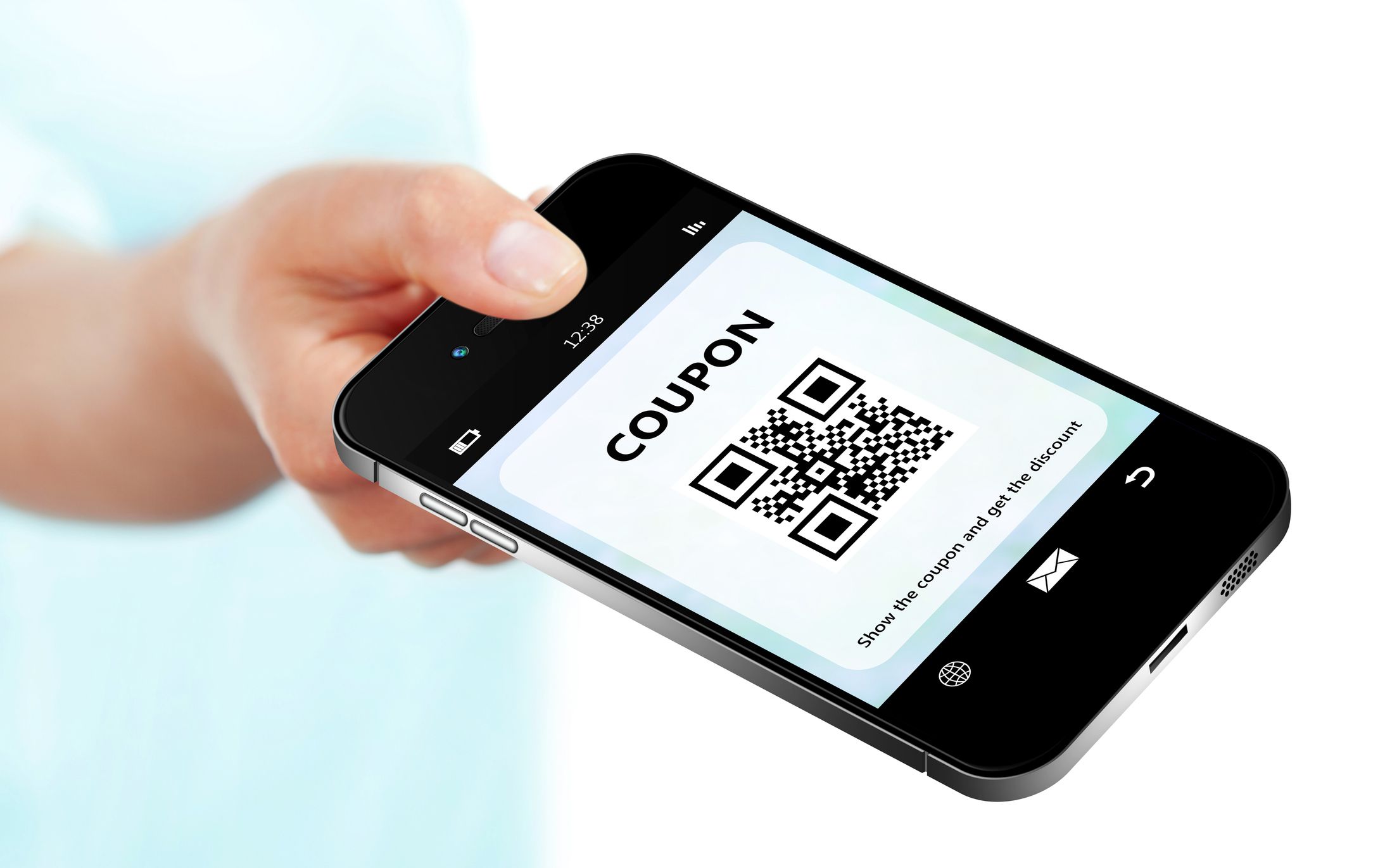
There are a number of rebate apps you can download onto your phone for free that allow you to get cash back on items you purchased. Options include Ibotta, SnipSnap, Saving Star, Coupon Sherpa, and Checkout 51 and Fetch Rewards.
While rebates don’t give you a discount up front (like a traditional coupon), you should see savings in the long run.
If you frequently shop at large chains like Walmart or Target for groceries, getting their apps may help you earn rewards and get discounts for being a loyal shopper. You just need to scan your mobile app when you check out.
ayo888/ istockphoto

When your grocery store is having a sale on canned goods, dried goods, or other pantry items, you may want to consider buying multiples. Items like beans, sauces, soups, nuts, peanut butter, pretzels, shelf-stable snacks like unpopped popcorn won’t expire for a long time.
You’ll be able to enjoy the cost savings and will likely appreciate having them on hand when preparing meals.
Valeriy_G/istockphoto
You don’t have to sacrifice flavor and taste in order to save money while grocery shopping. While It’s easy to overlook no-name or store brands, in many cases these items are actually made by the brand name companies, just with a different label.
And the savings can be real. Preparing dinner using generic (rather than brand name) products can save as much as $20 week–or $80 a month.
RapidEye / istockphoto

The inside aisles of the grocery store are where pricier processed foods are typically stocked, The outer edges, on the other hand, is where you tend to find fresh fruits and vegetables, grains and beans.
Shopping on the edge–and filling your cart with nutrient-dense items and fresh, seasonal food–can help you wallet, as well as your waistline.
Steve Debenport

It can be tempting to buy convenience items where food is pre-portioned into single servings so you can just grab-and-go. Smaller items can also help you keep from overeating. But all of that packaging tends to increase the cost of the item.
If your kids love crackers, you may want to buy a full-size box and portion them out in zip-top bags or reusable containers. You can do the same with other favorite snacks so you won’t be tempted to eat the whole bag in one sitting. You can also spoon yogurt into small containers for school and cut cheese into slices from a block for easy snacks.
DepositPhotos.com

To avoid spending money on bottled water, you may want to get a filtered pitcher and switch to drinking tap water. By drinking from a reusable water bottle or a glass throughout the day, you’ll also reduce the amount of plastic waste you’re putting into the environment.
Getting your kids used to drinking water instead of juice or soda can also reduce your supermarket bills.
BraunS

If you’re not shopping for a full week’s worth of groceries, consider grabbing a small cart or, even better, a hand-held basket. This will automatically limit how much you can buy because only so much will fit.
When you have a smaller cart–or a basket that will get heavy quickly–you’re forcing yourself to ask, “Do I really need this?” every time you pick up something to buy in the store.
AnnaNahabed / istockphoto

One way you can save money on your grocery bill is to only shop when you need to and to minimize the frequency that you set foot in the supermarket door.
The reason is that the less often you’re physically in the store, the less likely you’ll be tempted to buy something you don’t absolutely need. It can be all too common to go to the grocery store for “one thing” and come out with a few items.
JGalione

Most of us don’t want to spend our weekends grocery shopping, right? Unfortunately, Saturdays and Sundays are the days when many of us have the time to go to the supermarket–along with everyone else in our town.
Shopping during peak times can hurt your budget in a few ways. You might try to speed through the supermarket and be more likely to buy an item at the end of the aisle because it’s convenient, rather than grab a similar product on the shelf a few feet away. This could mean they are buying a more expensive version of what they need.
You might also run into trouble shopping during peak times because you’re more likely to get stuck in a long line–and become tempted by miscellaneous items stocked near and along the checkout line.
VLG / istockphoto

Shopping with a calculator or getting out your phone and adding things up as you put them in your cart can help you stick to your spending plan. (If you’re shopping with kids, you can give them the job to tally what’s in the cart.)
By keeping a running tally of how much money is in your cart, you can save yourself from any unpleasant surprises during check-out. Plus, it can make you think twice before putting any extras in your cart.
Depositphotos

It’s easy to accidentally buy an extra item at the supermarket that you didn’t realize you already had stored at home. That’s why after you write your grocery list, it can be a good idea to double-check pantry shelves, spice racks, the fridge, and freezer to make sure you truly need what’s on your list.
You may even want to shop your pantry and fridge before making your meal plan and shopping list to see if you can think of meals that incorporate foods you already have on hand.
happy_lark / istockphoto

A simple trick for lowering your grocery bill is to set your budget and then only bring that much money in cash, leaving the plastic at home.
This will help ensure that you stick to your list and avoid grabbing any tempting extras. You can only spend what you have in your wallet. Full stop.
industryview/istockphoto

Eggs are one of the most affordable protein sources out there. By making simple breakfast-style food for dinner, you’re offering your family a fun meal and using up some of your (affordable) breakfast foods.
You might consider making an omelet or frittata with eggs, cheese, and leftover vegetables, whipping up blueberry pancakes, or creating a bacon, egg, and cheese burrito. Not only are many breakfast recipes a delicious dinner option, but they’re affordable and often quick to prepare.
D-Huss /istockphoto

Grocery stores are designed to get you to spend more money, which is why the most expensive products tend to be stocked at eye level. Brands often pay more money for their products to be displayed prominently so you’re more likely to buy them.
Searching high and low when you’re shopping may yield significant savings. Once you start looking, you may even notice a price differential between the eye-level item cost and the one at your feet.
Depositphotos

Many impulse buys happen in the bakery and snack sections of the supermarket. Before you succumb, you may want to ask yourself if you could bake it at home.
You may already have the baking basics on your pantry shelves and could whip up some muffin or cookies fairly quickly. Or, you might want to buy a mix to save time (you’ll still save money).
Before buying chips and snacks, you may also want to consider if there is a more affordable DIY option, like buying popcorn kernels to cook on the stove.
Asking yourself, “Can I make this?” will likely result in saving money and getting the freshest item possible.
DepositPhotos.com

When it comes to snagging good deals, shopping on a Wednesday may be beneficial. That’s because grocery stores tend to restock their shelves and make new mark-downs in the middle of the week. Since they’re in the process of changing the discounts, they may still honor the price cuts from last week’s sale as well as the new ones.
cyano66 / istockphoto

Those packaged baby carrots and bagged pre-washed salads make it easier to eat healthier, but if you’re willing to do the cleaning, prepping and chopping of fresh produce, and even meats and poultry, you can save money.
A boneless, skinless chicken breast package will cost more than buying a whole chicken. You’re paying for the convenience. By setting aside time to prep and chop your foods after you get home from grocery shopping, you’ll likely reap savings.
DepositPhotos.com

A little planning and knowing some money-saving tricks can help you lower your monthly grocery bill and stick to your budget.
By following these budget shopping tips, you may find that you have more money leftover each month to pay down debt, invest for the future, or save for something fun.
Learn More:
This article
originally appeared on SoFi.comand was
syndicated by MediaFeed.org.
SoFi Money
SoFi Money is a cash management account, which is a brokerage product, offered by SoFi Securities LLC, member FINRA / SIPC . Neither SoFi nor its affiliates is a bank. SoFi Money Debit Card issued by The Bancorp Bank. SoFi has partnered with Allpoint to provide consumers with ATM access at any of the 55,000+ ATMs within the Allpoint network. Consumers will not be charged a fee when using an in-network ATM, however, third party fees incurred when using out-of-network ATMs are not subject to reimbursement. SoFi’s ATM policies are subject to change at our discretion at any time.
Third Party Brand Mentions: No brands or products mentioned are affiliated with SoFi, nor do they endorse or sponsor this article. Third party trademarks referenced herein are property of their respective owners.
External Websites: The information and analysis provided through hyperlinks to third party websites, while believed to be accurate, cannot be guaranteed by SoFi. Links are provided for informational purposes and should not be viewed as an endorsement.
Financial Tips & Strategies: The tips provided on this website are of a general nature and do not take into account your specific objectives, financial situation, and needs. You should always consider their appropriateness given your own circumstances.
PIKSEL / istockphoto

bernardbodo
Featured Image Credit: Bet_Noire / istockphoto.