Key Takeaways:
- Body recomposition involves a combination of strategic fitness training and nutrition to help you lose fat and gain muscle simultaneously.
- Success in body recomposition relies on smart energy balance, sufficient protein, progressive overload, and consistency, as opposed to dramatic calorie changes or a singular focus on weight loss.
- Lifestyle factors like quality sleep, stress management, hydration, and a positive mindset play a crucial role in optimizing the process of fat loss and muscle growth.
It’s common advice that to lose fat, you need to be in a calorie deficit, but to build muscle, you need a calorie surplus. But what if your goals are actually to get both leaner and stronger? If you’re seeking the best of both worlds, body recomposition may be the answer.
This is a strategic and intentional approach to your nutrition, fitness, and lifestyle that can direct your body composition in the direction you want.
This article was reviewed by Darragh O’Carroll, MD.

What is Body Recomposition?
Body recomposition is — as its name implies — adjusting or remodeling the composition of your body. It involves simultaneously reducing your body fat percentage while increasing your lean muscle mass.
Rather than focusing on a number on the scale, which may not actually change much at all in the midst of a body recomposition journey, the focus is on the quality of your weight.
In other words, it’s about reducing excess fat and increasing muscle mass, which can help improve both your physical capabilities and how you feel in your skin.
Body recomposition is crucially not the same as bulking, which can actually lead to a significant gain in fat alongside the muscle you want. Rather, this is a more refined and sustainable approach to changing your body

Principles of Body Recomposition
Body recomposition certainly can be effective. In order to achieve success, it’s important to understand and apply a few key principles consistently. These include:

Achieve a Smart Energy Balance
You’re not going for a massive energy surplus or a steep restriction here. Instead, a slight calorie deficit (up to 500 calories less than usual per day, as a bigger decrease can inhibit muscle gain) or a small increase in calorie intake is usually appropriate, depending on your specific goals and starting point.
Generally, the sweet spot often lies in a caloric deficit on rest days and either normal or a very slight surplus on intense training days.
This type of approach can help your body tap into stored fat for energy (promoting fat loss) while still having the nutrients it needs to repair and build muscle. No deprivation, but no going overboard, either.

Get Sufficient Protein
Protein is made of amino acids, which help your body repair damaged muscle fibers and make new, stronger ones.
A protein intake ranging from 1.2 to 1.6 grams of protein per kilogram of body weight can help preserve muscle mass during weight loss and help you grow stronger.
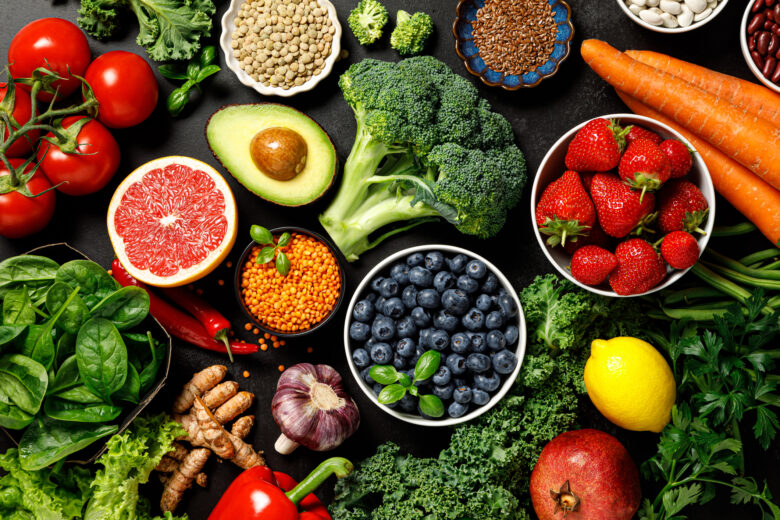
You can build a high-protein diet by eating a variety of healthy sources, including fish, poultry, legumes, eggs, and soy foods.
Prioritize Your Macros
In addition to getting enough protein, you’ll want to balance the rest of your diet with quality sources of carbohydrates and fats, as well.
Carbs are your body’s primary energy source, but not all carbs are nutritionally equivalent. Focus on complex carbs from whole grains, fruits, and starchy vegetables (e.g., sweet potatoes, zucchini, corn), especially around your workouts. These provide sustained energy and help to replenish your glycogen stores for later.
Fats are essential for metabolic health, nutrient absorption (especially vitamins A, D, E, and K), satiety, and overall well-being. The best sources of unsaturated, heart-healthy fats are avocados, nuts, seeds, and fatty fish.

Train Smarter
A body recomposition workout plan requires a thoughtful combination of cardio and strength training.
By regularly challenging your muscles with progressive overload (gradually increasing the weights, reps, and sets over time), you’re sending a message that it’s time to build muscle.
A solid resistance training program can include moves like deadlifts, weighted squats and lunges, chest presses, shoulder presses, dumbbell rows, tricep dips, and bicep curls. These help you regularly cover various muscle groups.
A moderate amount of cardio — without overdoing it — is also important for increasing your stamina, endurance, and boosting overall energy expenditure for fat loss.
Examples of physical activities that support body recomposition include activities like swimming, jogging, playing recreational sports, high-intensity interval training (HIIT) classes, biking, and doing martial arts.

Hydrate Accordingly
Water is vital for every bodily function, including metabolism, nutrient transport, reducing inflammation, and muscle contraction. Drink plenty of water throughout the day, rather than downing your whole water bottle at the end of the day.
If you get bored with plain water, try adding in fresh lemon or cucumber wedges, or rotating in unsweetened seltzer water or herbal teas to help you meet your hydration needs.
For more tips and ideas, check out our guide on how to lose fat and build muscle.
Who Can Benefit Most from Body Recomposition?
Body recomposition can work for people differently depending stage of fitness and where you’re starting. Understanding where you fit can help you set realistic expectations and optimize your strategy.
If you’re new to resistance training, bear in mind that beginners often experience “newbie gains” of strength because your body is very responsive to the new stimulus of weight lifting.
If you’ve never previously challenged your muscles in this way, they have a bigger capacity for adaptation and growth. Some studies show that adding static stretching to the routine further supports newbie gains.
If you have some lifting experience under your belt already, you can still achieve body recomposition with a targeted approach. Promoting the changes you want requires shifting to more precise nutrition, tracking, and programming. Muscle gains will likely be slower than they would be for a beginner, but focusing on progressive overload remains key.
Finally, while the emphasis of body recomposition is not squarely on weight loss, the process can help in that arena, too. Body recomposition can be highly effective for helping you lose body fat and build muscle. By increasing your muscle mass, you’re also increasing your overall metabolism, which supports healthy weight maintenance in the long run.

Other Lifestyle Factors for Optimal Recomposition
Successful body recomposition requires your attention beyond the gym and your meals. Here are some of the most important lifestyle habits to keep in mind that help support body recomposition:

Sleep
This is the time when your body does its best repair and growth. When you’re in deep sleep, for instance, your body releases growth hormone, which supports muscle repair and fat metabolism. While one night of poor sleep won’t make or break you, ongoing sleep issues encourage high cortisol, which can work against your goals. Aim for 7 to 9 hours of quality sleep per night, using a consistent sleep schedule and good sleep hygiene habits.

Stress Management
While you can’t avoid every stressor, it’s important to have effective management tools available to reduce their impacts on your body (and your body goals). Ongoing stress promotes chronically elevated cortisol, which may interfere with muscle protein synthesis. Try meditating, taking a nature walk, listening to calming music, practicing yoga, or deep breathing to boost your resilience to stress.

Mindset and Consistency
Body recomposition is a marathon, not a sprint. You should expect gradual changes and adjustments, which require consistent adherence to your nutrition and movement plans. Celebrate small victories, and pay attention to milestones like more muscle definition, your clothes fitting differently, or just feeling better and more energized overall. These wins matter.
Overall, body recomposition requires creating an environment in which you can stay focused and have the resources necessary to achieve results. This relies heavily on your everyday habits and mindset.

Common Mistakes and How to Avoid Them
There’s not just one right way to approach a body recomposition journey, which means you’re likely to experience trial and error along with some “whoops” moments.
Here are some of the most frequent pitfalls that can occur with body recomposition.

Significantly Under- or Overeating
Finding your delicate calorie balance is important to ensure you have enough fuel to work out and build muscle while not overdoing it and working against your fat loss progress. Tracking your nutrition is helpful, as is working with a registered dietitian for personalized guidance.

Neglecting Progressive Overload
If you lift the same weights, the exact same way, month after month, your muscles will adapt and have no reason to grow. Push yourself to lift a little heavier, do an extra rep, or reduce your rest time between sets. To maintain a safe environment, always have a spotter nearby or lift with a friend.

Focusing Squarely on the Scale
The scale can be deceptive in the midst of body recomposition. Since you’re losing fat and gaining muscle at the same time, you might not see much change at all. Your weight may even slightly increase because muscle weighs more than fat. Look beyond the scale and consider things like how strong you’re feeling, how your clothes fit, and how your body looks.

Getting Impatient
Making sustainable changes to your body composition takes time. People often give up too soon (sometimes, right before it gets good!) due to the frustration of not seeing immediate results. Understand that body recomposition is rarely a linear process, and stay your course.
Remember: Everyone gets distracted, bored, or otherwise veers off course sometimes from goals they are working to achieve. Do the best you can, remind yourself why you started body recomposition, and redirect as needed.

The Bottom Line
Body recomposition can be a challenging but rewarding path that prioritizes sustainable progress, overall health, and a more athletic, defined physique for many guys. If you’re looking to gain muscle, lose fat, and just feel better overall, understanding the foundational components of body recomposition can help you find success.

FAQs
How long does body recomposition take?
Body recomposition is typically a slow and steady process, often taking several weeks to months to see noticeable visual changes. Beginners may see faster progress at first, while intermediate or advanced lifters may experience slower, more gradual improvements.

Can I do body recomposition without tracking calories?
Sure, but tracking helps. You can achieve recomposition by following hunger cues, focusing on whole foods, prioritizing protein, and strength training regularly. Loosely tracking calories or protein may accelerate progress and help avoid under- or overeating.

Should I do more cardio or more strength training for recomposition?
Strength training should be the priority, since building muscle is the central driver of recomposition. Cardio is helpful for heart health and increasing total energy expenditure, but too much cardio can interfere with muscle growth. A balanced approach, such as two to four strength sessions and one to three moderate cardio days per week, can work well.
Related:
- How to Lose Fat and Gain Muscle: Optimizing Body Composition
- Weight Loss Tips for Men: 12 Steps for Fitness Success
Like MediaFeed’s content? Be sure to follow us.
This article originally appeared on Hims.com and was syndicated by MediaFeed.org.