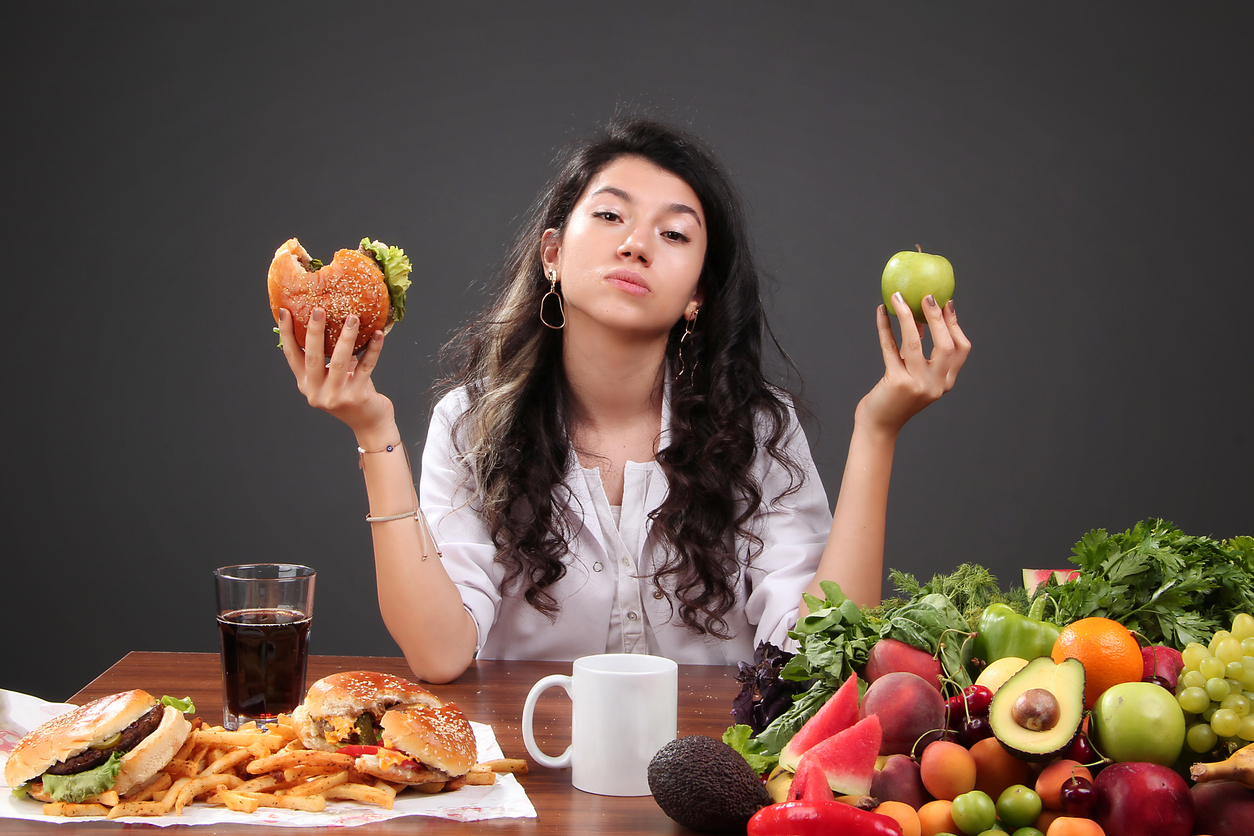
Is 2026 the year of guilt-free eating?
Forget the calorie counting and the “guilt-free” labels. In 2026, the American kitchen is undergoing a quiet revolution where the only rule is that there are no rules. According to new national research from Challenge Butter, we are officially entering the era of “Culinary Individualism.”
Here is how the latest survey results break down the end of restrictive eating and the rise of cooking for pure, unadulterated joy.
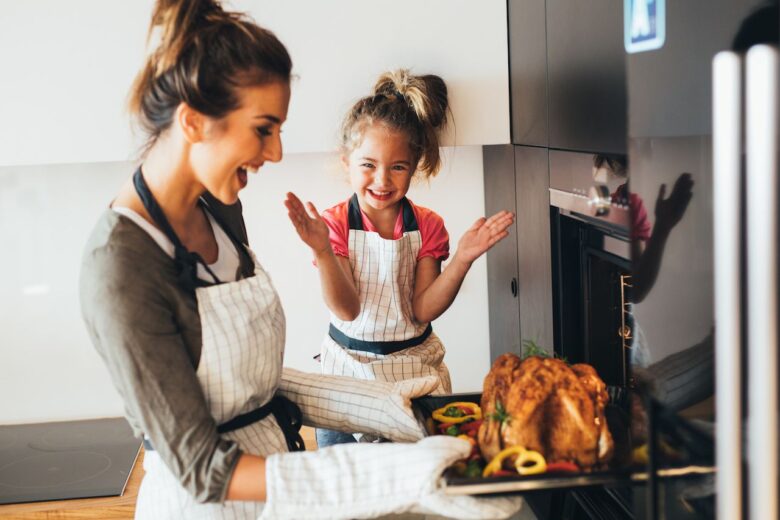
1. Trading restrictions for “better” eating
The “New Year, New Me” cleanse is losing steam. Nearly two-thirds of Americans are sticking with their current habits or aiming to eat “better” without rigid rules. But “better” in 2026 doesn’t mean deprivation — it means balance.
Protein is still a priority, but now it’s increasingly paired with fiber to support digestion and steady energy. Gut health has become a snack-aisle driver, while ingredients linked to mental clarity and relaxation are gaining traction. Wellness is no longer just about abs — it’s about feeling good physically and mentally.
2. Comfort is the new wellness metric
Is it “bad” for you if it reduces stress? Nearly half of Americans say so-called “off-limits” foods are essential for comfort. About one in five don’t believe in food rules at all.
But comfort is getting an upgrade. Think Caribbean curry bowls, breakfast ramen, or smashed burgers with chef-driven twists. It’s nostalgia — but globally inspired.
3. Flavor is the new North Star
Seventy-five percent of Americans say flavor and ingredient quality matter more than strict dietary rules. High-quality butter and real ingredients are winning over bland “diet” substitutes.
Even flavor trends reflect this shift. Dark sweet cherry and black currant — named 2026 flavors to watch — are showing up in savory pairings, adding depth and complexity to everyday meals.
4. Savory, portable — and functional
Snacking is more intentional. Consumers are reaching for savory, portable options that feel indulgent but offer benefits like protein, fiber, or digestive support. The goal isn’t to snack less — it’s to snack smarter.

5. Simple staples, smarter spending
Budget-consciousness remains top of mind. Diners are trading down, using promotions, and seeking value — a trend closely tracked by McKinsey & Company. At the same time, sustainability still matters, with demand for local sourcing and clean labels holding strong.
Even viral trends like the buttered date — a date topped with butter and sea salt — reflect this moment: simple ingredients, high satisfaction, no apology.

6. Tech’s quiet influence
GLP-1 medications are subtly reshaping appetites and portion sizes, influencing how brands think about nutrient density and quality. At the same time, many consumers say cooking has become a way to disconnect from tech and manage stress — a daily ritual of control in a chaotic world.
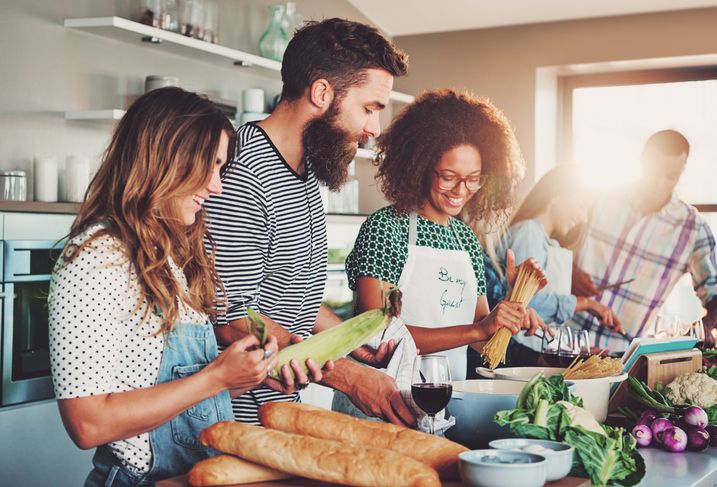
Rather than chasing the impossible ideal of a “perfect” diet, Americans are redefining wellness on their own terms. Flavor, function, comfort, sustainability and value now coexist on the same plate.
As Priya Kumar of Challenge Dairy notes, we’re no longer chasing perfection. In 2026, we’re choosing what feels realistic, nourishing and right for our own lives — fiber and butter included.
Related:
Want more insights?
Check out better. magazine, our free digital zine! Get all things better – better ideas, better eating, better health, better entertainment & more.
Like MediaFeed’s content? Be sure to follow us.
This article was syndicated by MediaFeed.org.