From Lassie to Toto: These Hollywood pets brought in some serious dough
From fur to fins, these cinematic sensations didn’t just make audiences smile; they made bank, becoming iconic figures in the entertainment industry. Whether it was the big screen or commercials, these animal actors have proven that their talents aren’t just heartwarming – they’re also incredibly lucrative.
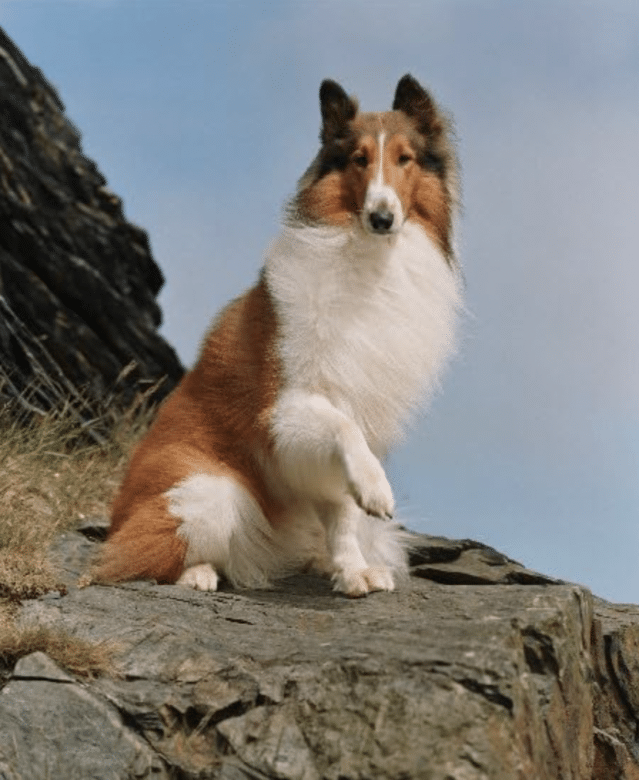
Lassie
Lassie, portrayed by a dog named Pal, got paid more than a little girl by the name of Elizabeth Taylor in the 1943 movie “Lassie Come Home”. The collie reportedly earned $4,000 per week in the 1950s.
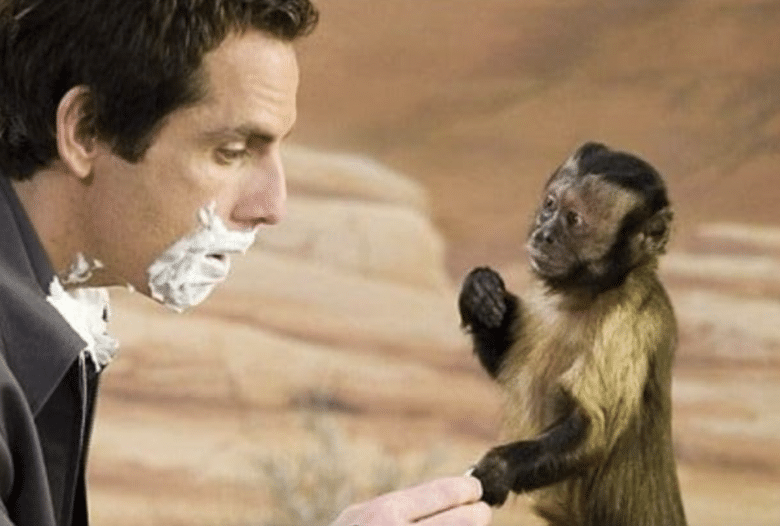
Crystal
Crystal got her start in 1997, playing a baby monkey in “George of the Jungle.” She went on to captivate audiences in various films, including the “Night at the Museum” series and “The Hangover” movies. The Capuchin monkey pulled in $12,000 per episode for the series “Animal Practice”, which aired in 2012.

Uggie
Uggie, a Jack Russell Terrier, shot to fame with his charming performance in the Academy Award-winning film “The Artist.” He was even recognized with awards specifically for animal actors. He won the Palm Dog Award at the 2011 Cannes Film Festival and the inaugural Golden Collar Award for Best Dog in a Theatrical Film. Uggie is said to have made about $35,000 for “The Artist”.
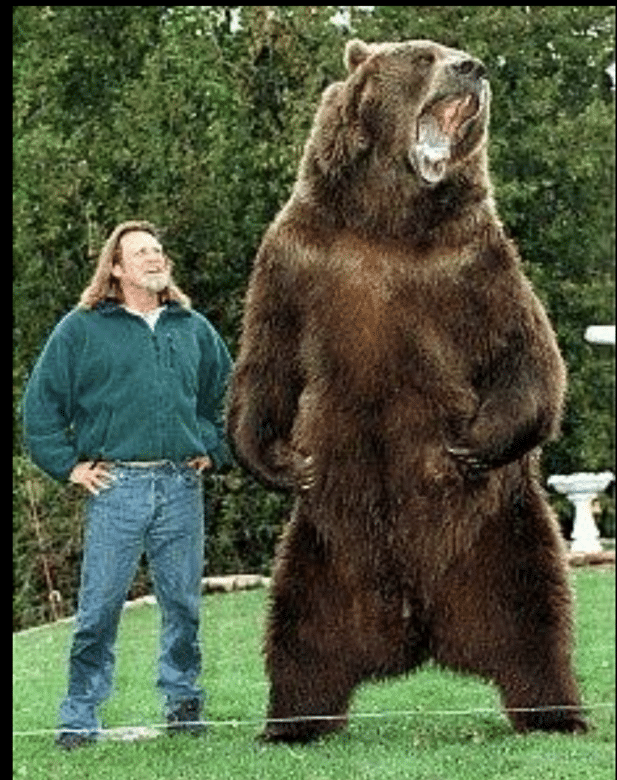
Bart
Bart, a magnificent Kodiak bear, was more than just a wild presence on screen—he was a true star. With appearances in numerous films, including “The Bear” and “Legends of the Fall,” Bart captivated audiences with his immense size and impressive performances. The bear reportedly made around $6 million during his career.

Benji
The original Benji, a shelter dog named Higgins, starred in the initial film of the franchise in 1974. The first movie’s popularity led to a number of sequels that continued to follow Benji’s escapades, grossing millions of dollars. Higgins is said to have earned a total of around $1.2 million through the course of his career.
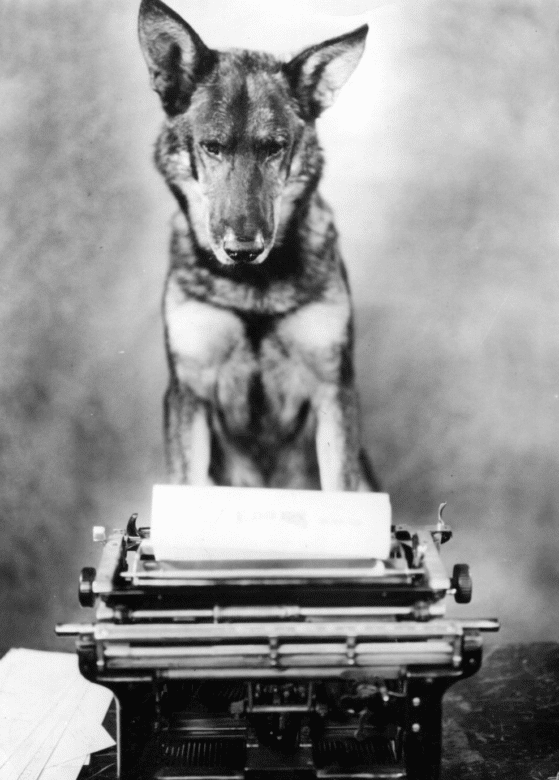
Rin Tin Tin
The little German Shepherd pup who became a star was rescued from the rubble of World War I by a soldier named Lee Duncan. In the 1930s, Rin Tin Tin starred in 26 films for Warner Bros. and was paid six thousand dollars per week, a fortune at the time. That would be approximately $78,000 weekly in today’s money.
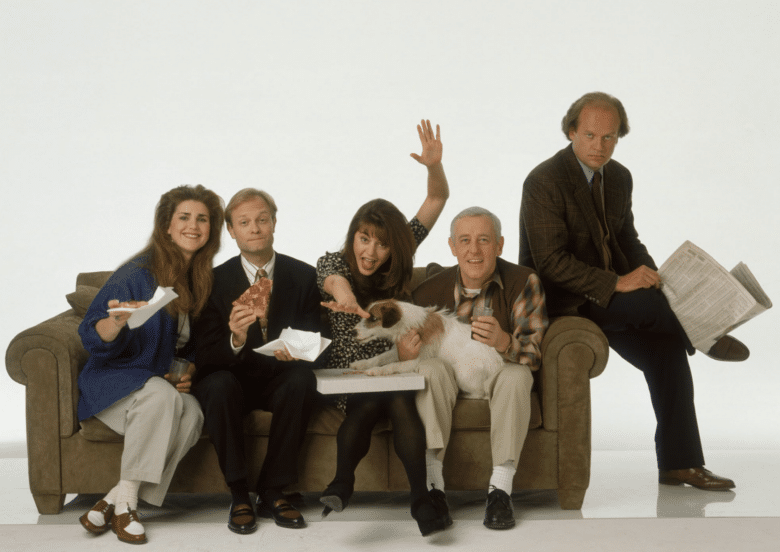
Moose the Jack Russell
Moose, the remarkable Jack Russell Terrier, gained widespread recognition for his portrayal of Eddie Crane in the hit television series “Frasier.” Moose earned around $10,000 per episode for his work. Beyond his role on “Frasier,” Moose’s success led to appearances in other television shows, commercials, and films, and earned him approximately $3.2 million.

Asta
The scene-stealing Wire Fox Terrier from the classic 1938 comedy “Bringing Up Baby” added a dose of charm and comic relief to the film with his antics and interactions. Asta, whose real name was Skippy, interacted with the film’s stars, Katharine Hepburn and Cary Grant, to add an extra layer of humor to the plot. He is said to have earned up to $250 per week.

Toto
The iconic role of Toto, the loyal canine companion in “The Wizard of Oz,” was brought to life by a Cairn Terrier named Terry. The dog was an integral part of the film, and was paid well for it. Terry earned $125 a week on the film, while some of the actors portraying Munchkins earned as little as $50 a week.
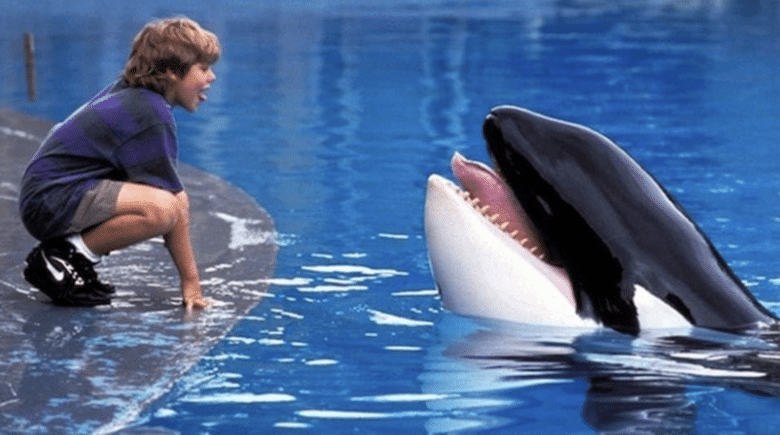
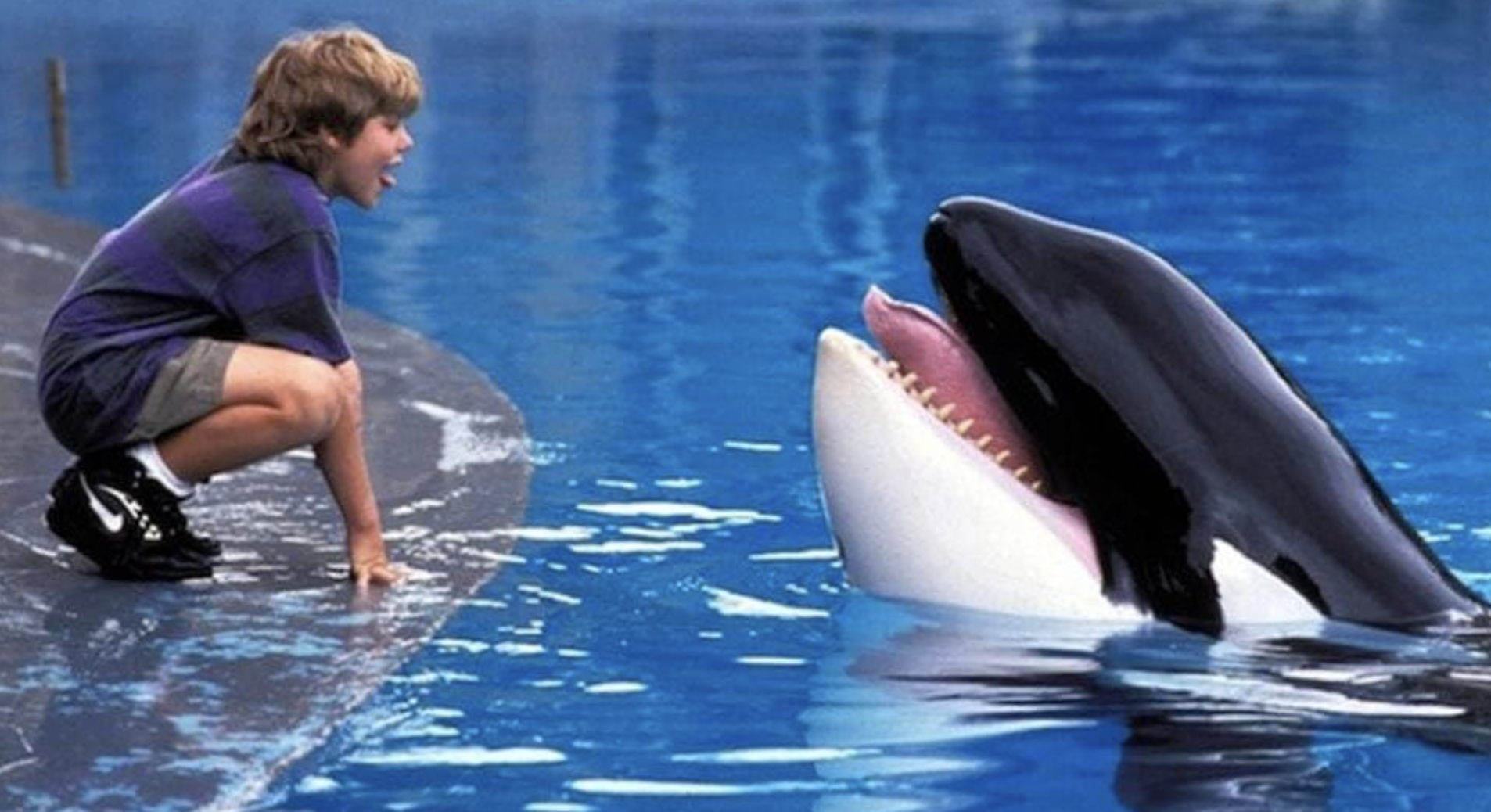
Keiko the Killer Whale
Keiko, the iconic killer whale, captured the world’s attention with his role as Willy in the film “Free Willy” and its sequels. Born in captivity in Iceland, Keiko’s journey to stardom began when he was cast in the titular role of the 1993 film. His portrayal of a captive orca yearning for freedom resonated deeply with audiences and sparked a global movement advocating for his release into the wild. The whale’s habitat and care ultimately cost in the range of $20 to $25 million dollars.
This article was produced and syndicated by MediaFeed.