Do natural GLP-1 alternatives work?
This article was reviewed by Brian Tanzer, nutritionist and Director of Scientific and Regulatory Affairs at The Vitamin Shoppe.
As the saying goes, food is medicine. As GLP-1 medications like Ozempic® continue to gain popularity, many health experts are speaking up about natural ways to support GLP-1 production and metabolic health without the prescription.
“People who can’t or don’t want to take GLP-1 medications can still support their body’s natural GLP-1 system and blood sugar levels with smart eating habits,” shares lifestyle medicine physician Onikepe Adegbola, M.D., Ph.D., founder of the virtual IBS clinic Casa de Sante. Certain eating habits—as well as standalone nutrients—can mimic some of the benefits of GLP-1 medications and help regulate appetite, balance blood sugar, and improve gut hormone function, she says.
The decision to—or not to—take Ozempic® or a similar medication is highly personal and should be made with the support and insight of a trusted healthcare provider. However, if you’re intrigued by the idea of food-based alternatives, read on.
The quick and dirty on GLP-1s
To understand how food can mimic GLP-1 medications, you need to first understand what these medications actually do and when they come in handy.
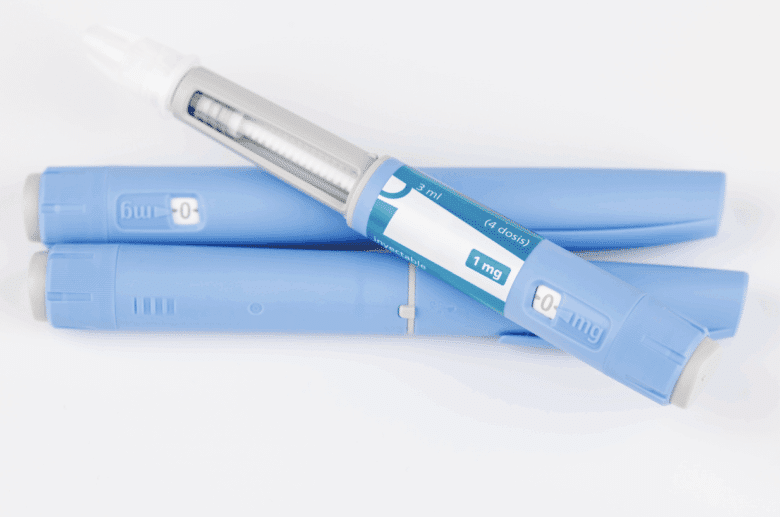
GLP-1 is a hormone that the body—primarily, specialized L-cells in the small intestines—naturally produces and secretes in response to food intake, explains Rachel Brief, R.D.N., a registered dietitian nutritionist who specializes in weight management and metabolic health with The Lanby concierge care. It prompts your body to release insulin in response to changes in blood sugar triggered by eating, slows gastric emptying (the rate at which food leaves the stomach), and tells your brain when you’re full.
When things operate optimally, your gut pumps out just the right amount of GLP-1 at just the right times to support consistent energy levels, healthy appetite, reduced food cravings, mental clarity, and stable weight. However, “some individuals have impaired GLP-1 secretion or signaling due to factors such as insulin resistance, gut dysbiosis, or genetic predisposition,” says Brief.
When GLP-1 production or response is off, you may notice symptoms like:
- Post-meal energy crashes
- Digestive irregularities or issues
- Brain fog and trouble focusing
- Intense and frequent sugar cravings
- Weight gain (especially in the belly)
- Difficulty losing weight
That’s where the idea for some of the most talked-about drugs in recent history came from. “GLP-1 medications mimic the hormone to help restore glycemia, enhance blood sugar control, reduce appetite, promote fullness, and facilitate weight loss,” says internal health specialist and endocrinologist Hayley Miller, M.D., the medical director of Nurx Weight Management. In fact, a recent 2025 JAMA Psychiatry study showed that GLP-1s improved physical and mental health-related quality of life markers.
Still, these medications aren’t for everyone. They can be pricey without proper insurance coverage, may come with uncomfortable (though usually temporary) side effects, including negative impacts on bone and muscle health, and many simply prefer a more natural approach. For these folks, the right food habits can offer meaningful support—and ultimately serve as natural alternatives to GLP-1 medications.
So, can foods really mimic the effects of GLP-1s?
The answer to whether certain foods can truly stand up to the power of GLP-1s lies somewhere between yes and no. “Similar benefits [of GLP-1 medications] can be achieved through eating and lifestyle habits,” according to Brief. However, these changes may not be a one-to-one replacement for medication—particularly among those who meet the medical criteria for GLP-1 candidacy, such as those with type 2 diabetes, insulin resistance, or obesity.
“Diet changes can offer support for appetite or blood sugar control that make a meaningful difference over time,” agrees Miller. “But the effects of food aren’t nearly as strong or consistent as GLP-1 medications, and therefore do not fully replace the effects of GLP-1 medications for those with diabetes, overweight, or obesity,” she says. So, if you’re considering food-based approaches in place of medication, talk to your doctor to ensure it’s a safe and appropriate fit—and manage your expectations around how long it may take to notice a significant impact.

4 natural alternatives to GLP-1s
A healthy lifestyle should be top-priority for those looking to improve GLP-1 function and ultimately support metabolic health and a healthy weight—regardless of whether or not medication is in the picture. Where to begin? With these four nutrition tactics.
1. Get all the macros with your meal
Cereal and toast may make for easy morning meals, and pasta has a certain nostalgic je ne sais quoi. Unfortunately, these and other carb-only meals wreak havoc on your blood sugar. “The body quickly digests and absorbs carbohydrates, which can lead to spikes in blood sugar followed by crashes that result in energy dips, sugar cravings, and mood swings,” explains Brief.
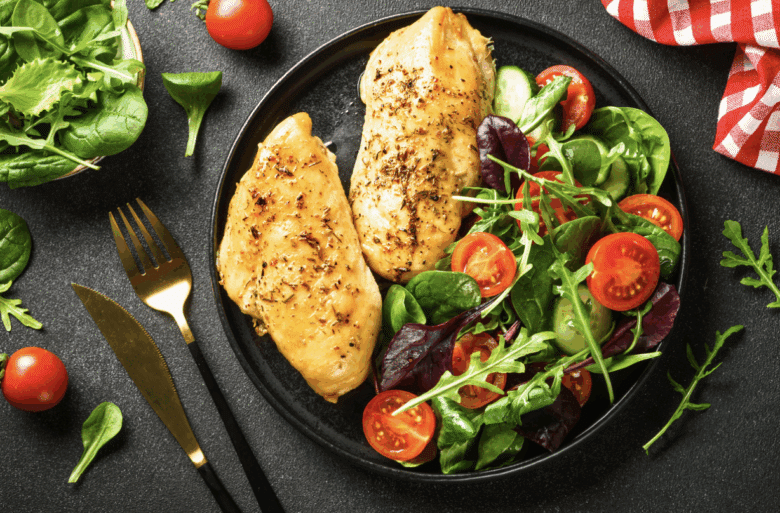
Pairing your beloved carbohydrates with protein and healthy fats can help blunt these spikes. “Protein has been shown to increase GLP-1 levels after meals, promoting satiety and a healthy insulin response,” Brief says. Meanwhile, healthy fats (think: avocado, olive oil, or nuts) take longer for the body to break down and absorb, which is good news for satiety and blood sugar stability. Altogether, building a plate that contains all three macronutrients means healthier blood sugar and steadier energy, effects that GLP-1 drugs are famous for.
That’s right, you don’t have to forgo your favorite carbs. “It’s not about restricting, but rather about balancing your plate so that your energy, mood, and hormones stay on track,” Brief says. Try frying an egg to go with your sourdough slice, adding a scoop of protein powder to your milk before pouring it over your cereal, or mincing meat into your homemade pasta sauce.
Protein powder can be a real ally here. “Whey protein powder, in particular, stands out as especially effective at boosting GLP-1 and other satiety hormones,” shares Brief. She recommends opting for a whey protein isolate (like Isopure Zero Carb Protein), which offers maximal protein content per serving.
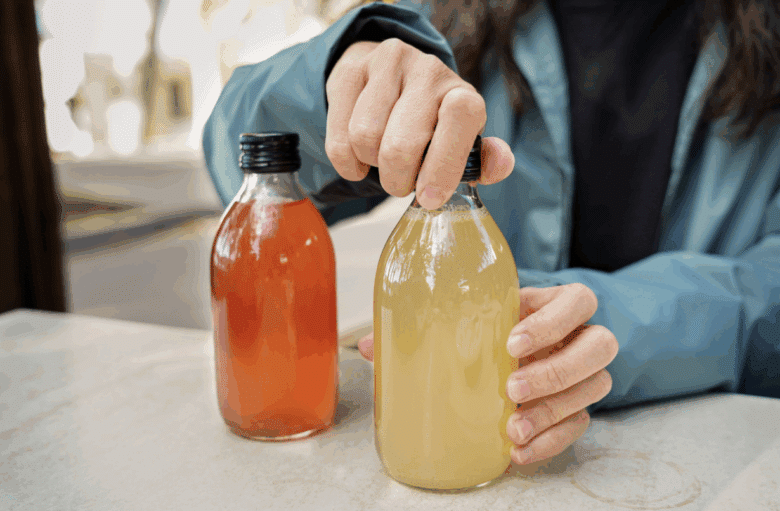
2. Feast on fermented foods
Don’t snooze on sauerkraut. As it turns out, eating fermented foods—which also include kimchi, kefir, and kombucha—can support some of the same outcomes as GLP-1 medications.
“A healthy gut supports metabolic health and hormone balance, which influences how your body processes glucose and regulates appetite,” explains Miller. Fermented foods deliver probiotics (a.k.a. good bacteria) that nourish this gut microbiome, she says. When combined with prebiotic fiber (found in oats, beans, garlic, and onions), these healthy microbes support healthy digestion and metabolic function, she says.
Interestingly, preliminary animal research has found that semaglutide—the active ingredient in Ozempic®—may positively shift the gut microbiome and improve gut barrier function. “These findings have yet to be confirmed in humans,” says Miller. Still, they suggest that part of what makes GLP-1s effective may be their influence on gut health—something fermented foods also offer, she says.
Not into ferments? Brief suggests prebiotic and probiotic supplements. (Some products—like Solaray Multidophilus Probiotic—combine both, packing in prebiotic fibers like inulin alongside those good-for-you gut bugs.) “When fermented, inulin produces compounds that trigger GLP-1 release,” notes Adegbola. Seek out that specific prebiotic when shopping for supplements for best results.
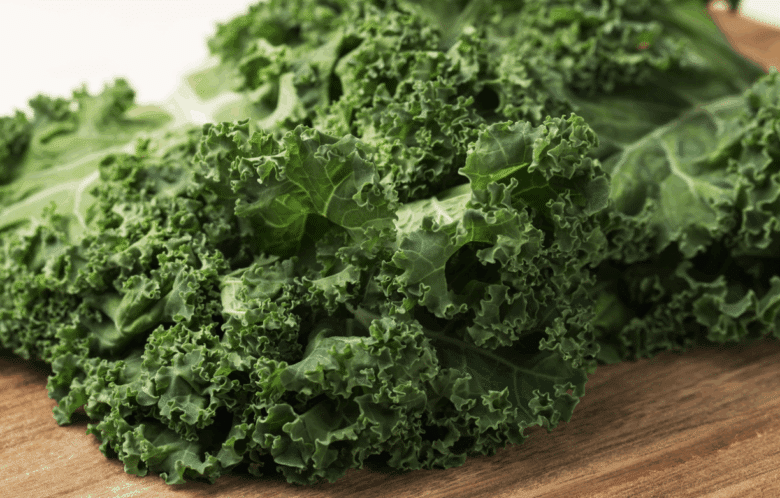
3. Eat bitter greens and herbs
Sweet foods tend to dominate the Standard American Diet, but bitter foods may offer a metabolic edge. “Bitter foods may slow digestion and subtly enhance feelings of fullness,” notes Brief.
Sugary foods rapidly spike blood sugar and trigger “reward” pathways that leave you wanting more, she explains. In contrast, bitter foods activate a different set of receptors (called TAS2Rs), which have been shown to stimulate the release of key digestive hormones, including GLP‑1 and ghrelin (which regulates hunger and satiety). One 2021 study published in Nutrients found that eating bitter-tasting foods can lead to reduced overall food intake and even modulate blood glucose levels.
To get more bitter foods into your diet, try leafy greens like dandelion, radicchio, kale, and arugula, suggests Adegbola. “Apple cider vinegar (ACV) is another ingredient that may slow digestion and help reduce blood sugar spikes after meals,” she shares. “It doesn’t directly increase GLP-1, but drinking one to two tablespoons diluted in water 15 to 30 minutes before eating may mimic some of the effects,” she says. You could also consider utilizing bitter herbs and botanicals like turmeric, green tea, or coffee in your daily diet.

4. Supplement with berberine
Berberine is a plant compound found in herbs like goldenseal and barberry—and it’s having a major moment in wellness. Thanks to viral videos dubbing it “nature’s Ozempic,” berberine is gaining popularity as a natural way to support blood sugar and weight management.
While it’s not a true GLP-1 medication, “berberine has been shown to improve insulin sensitivity and may enhance natural GLP-1 hormone secretion,” says Brief. That means it could help regulate blood sugar and promote satiety through similar pathways, making it one of the most researched natural alternatives to GLP-1 medications.
In one 2021 study published in Nature Communications, researchers compared the impacts of berberine to a placebo and saw that supplementation significantly supported insulin secretion in those who took it. The researchers noted that the supplement was well tolerated and that no participants experienced unwanted side effects.
Many berberine supplements contain 500 milligrams of the plant compound per serving and are taken up to three times per day before meals. (Check out The Vitamin Shoppe brand Berberine or Vthrive Advanced Blood Sugar Support.) Just talk to your doctor before giving them a try, recommends Adegbola. “Berberine supplements can be powerful, especially if you’re on other medications,” she says.
ABOUT OUR EXPERTS: Rachel Brief, R.D.N., is a registered dietitian nutritionist with The Lanby who specializes in weight management and metabolic health. Hayley Miller, M.D., is an endocrinologist, internal medicine specialist, and the medical director of Nurx Weight Management. Onikepe Adegbola, M.D., Ph.D., is a lifestyle medicine physician and founder of the virtual IBS clinic Casa de Sante.
This The Vitamin Shoppe article originally appeared on WhatsGoodbyV.com and was syndicated by MediaFeed.org.
Like MediaFeed’s content? Be sure to follow us.