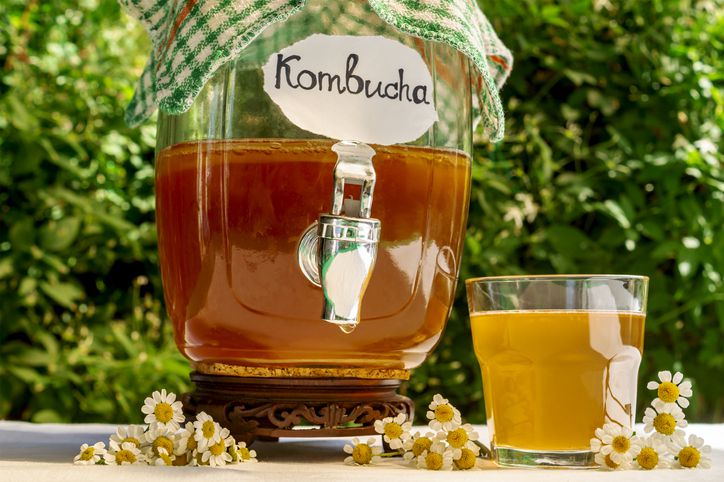
The Health Benefits of Drinking Kombucha
Kombucha is bubbly fermented tea that’s perhaps most widely known for its probiotic benefits. But the buzzy beverage actually has much more to offer, including its ability to give you a boost.
While the fizzy drink is unlikely to turn you into a superstar, some of the top kombucha health benefits—like better digestion, improved circulation, and reduced inflammation—also support your hormonal health.
We’ve done a deep dive into kombucha tea benefits, in addition to the potential downsides worth considering. Before you add kombucha to your date-night prep routine, learn what there is to know.
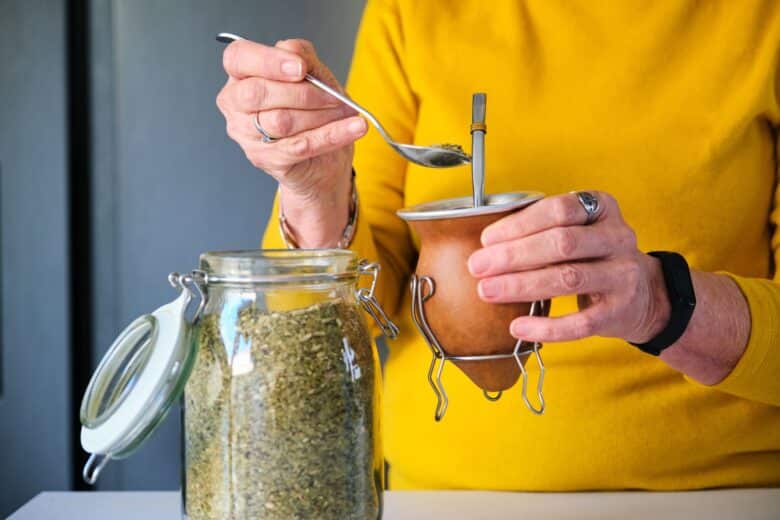
What is Kombucha?
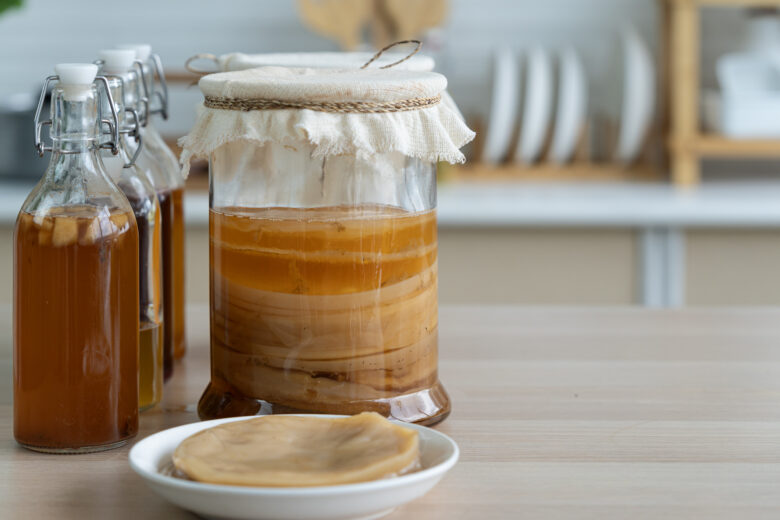
Kombucha is a fermented drink made by combining brewed black tea or green tea with sugar and a SCOBY, a cute acronym that stands for “symbiotic culture of bacteria and yeast.”
Fermentation is a process by which microorganisms (like yeast or bacteria) digest sugars and starches in food and beverages, usually producing acids and/or alcohol. So, as part of the kombucha fermentation process, the SCOBY eats the sugar and makes probiotics (gut-friendly bacteria), beneficial acids, and a bit of natural carbonation.
The result? A tangy, slightly sour beverage that’s packed with probiotics and is often flavored with fruits or herbs. For instance, we’ve seen ginger and carrot or berry-lemonade flavor combinations of kombucha.
While the beverage might be new to you, it’s been around for thousands of years in various parts of the world. It can be a great nonalcoholic drink option for people looking to support digestion, boost energy, and maybe even feel a little more vital all around. (Just a note: Kombucha may contain trace amounts of alcohol just by nature of being fermented, but U.S. Food and Drug Administration (FDA) classifies beverages with less than 0.5 percent of alcohol by volume as nonalcoholic, and most kombucha fits the bill.)
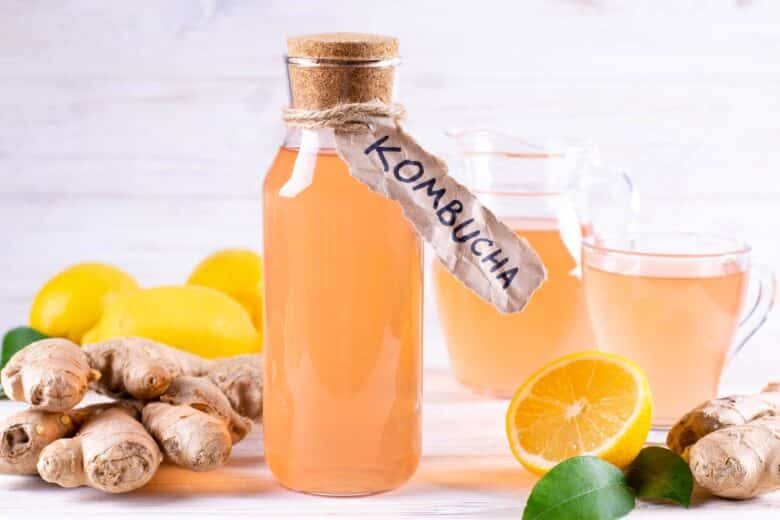
What Does Kombucha Do to Your Body?
Because it’s a fermented beverage, kombucha is a natural source of probiotics (rather than taking a supplement) that help support the balance of your gut microbiome.
This community of microbes living in your digestive tract has far-reaching effects, influencing your digestive health, mood, brain health, immune function, and more. So, it’s a good idea to do things to keep the gut microbiome happy and healthy.
Kombucha also contains some antioxidants, B vitamins, and organic acids that may help fight oxidative stress and inflammation and improve energy levels.
While you shouldn’t expect it to function like a magic potion, the occasional kombucha can be a small but mighty addition to a balanced diet that helps keep your body — and maybe even your intimacy — running a little smoother.

Benefits of Kombucha, Intimately Speaking
Before you go spend your paycheck on a month’s worth of kombucha, know that there’s no specific scientific evidence directly linking the beverage to health improvements.
Even so, it may have some properties that can benefit male health and function as part of an overall healthy diet pattern. Here are the benefits of kombucha

1. Supports Healthier Circulation
Having good blood flow is essential for strong performance — and consuming kombucha may give you a small assist here.
The drink contains a small amount of L-arginine, an amino acid that promotes nitric oxide (NO) production.
NO helps dilate your blood vessels, which is an important factor in enhancing blood flow to all of the important areas, a notable fact for folks who deal with intimacy issues like (ED).
While kombucha probably doesn’t contain enough L-arginine to make a noticeable difference in your arousals, it may be a beneficial addition to an NO-promoting nutrition plan (along with other foods, like beets, spinach, watermelon, and citrus fruits).

2. Reduces Oxidative Stress
The male reproductive system is typically sensitive to oxidative stress, which has been directly linked to ED. High levels of oxidative stress in the body are associated with cellular damage that can lead to several types of disease, but kombucha may help.
Kombucha contains antioxidants like polyphenols and vitamin C (especially if it’s made from green tea). Antioxidants are compounds that help combat stress-producing free radicals and protect your cellular health, and protect against oxidative stress.
Antioxidant benefits can reach cells involved in your drive and function. The more antioxidant activity you can get from your diet, including by drinking kombucha if you choose, the better.

3. Supports a Healthy Gut Microbiome
Believe it or not, your gut and your libido pretty interconnected.
Kombucha’s probiotics can help balance the gut microbiome, which influences hormone production, nutrient absorption (like zinc and B vitamins), and even mood. All of these factors are key players in health and desire.
Also, while not related to performance, some research shows that the makeup of a man’s gut microbiome is related to his fertility—a cornerstone of health. For instance, the gut can influence spermatogenesis (the process of producing sperm), as well as inflammation.

Other Health Benefits of Kombucha
In addition to supporting your health, drinking kombucha occasionally may offer other health benefits, including:
-
May support healthy weight management. Kombucha is low in calories (often containing only 60 calories per bottle). Many people find it to be a filling drink thanks to its carbonation, which may help curb cravings for additional snacks that may not be health additive. Kombucha’s probiotics may also support a strong metabolism and gut health, which are key factors for weight maintenance.
-
May promote energy. It’s not designed to be an energy drink, but kombucha does contain B vitamins and small amounts of caffeine (since it’s made from tea). Particularly if you’re a more caffeine-sensitive person, kombucha could provide a bit of focus without the jitters you may feel after drinking a cup of coffee.
-
May support blood sugar regulation. Some research suggests that drinking green tea could help improve insulin sensitivity. So kombucha made from green tea is a better beverage choice than, say, sugar-sweetened sodas or sugary canned teas for those looking to minimize spikes in blood sugar levels.
-
May benefit your immune system. A healthy gut microbiome plays a central role in your immune function. The probiotics and antioxidant properties of kombucha may help support your body’s defenses and keep excess inflammation at bay.
-
May support heart health. While some scientific evidence suggests drinking fermented tea promotes better blood cholesterol levels, most research uses animal models, so we can’t definitively apply it to humans yet.
-
May support healthy digestion. The good bacteria in fermented foods, like kombucha, help support a balanced gut microbiome, which is important for smoother digestion and regularity.
Overall, kombucha alone won’t cure any of your health concerns, but it does offer some characteristics that may be good for you.
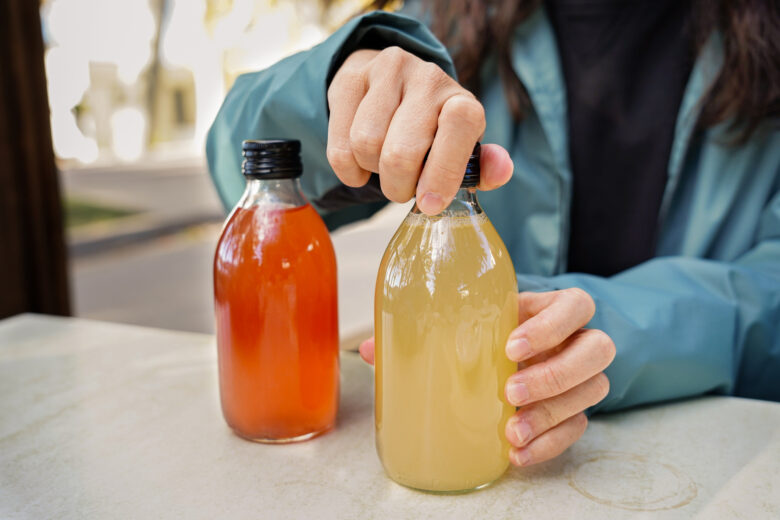
Potential Risks and Downsides of Drinking Kombucha
While raw kombucha benefits abound, that doesn’t mean it’s a great match for everyone. The drink isn’t without its drawbacks, especially if you’re drinking it like it’s water (even good things require some moderation).
Kombucha contains sugar as part of its fermentation process (it’s what feeds the SCOBY). But, some store-bought varieties contain especially high amounts. Drinking a lot of sugary beverages can spike blood sugar levels and, over time, negatively impact testosterone and health.
Since it’s carbonated and contains probiotics, it also tends to make people burp or potentially feel bloated. If you’re more sensitive to side effects from drinks like this, kombucha may not be worth it to you.
Finally, some kombucha is unpasteurized, which can pose a risk for people with weakened immune systems or underlying health conditions. This is especially true if the kombucha in question is homemade, posing a higher risk of accidental contamination.
As far as moderation, note that the Centers for Disease Control and Prevention (CDC) specifies drinking 100 grams (about four ounces) of kombucha (or less) per day is safe.
And another note on kombucha’s alcohol content: It typically contains trace amounts — an alcohol content of around 0.5% by volume, depending on how long it ferments, compared to 5% found in most beers — but not enough to have negative effects or warrant concern for most people. However, it’s not recommended for your kids, your pregnant partner, or people who have liver or kidney disease.
Kombucha is widely commercially available, which means you shouldn’t have any problem finding it. But, you can also make it yourself.
How to Make Kombucha
Interested in making your own batch of kombucha at home? Here are the basic steps for homemade kombucha:
-
Brew black or green tea. Brew four to six cups of tea and stir in ½ to one cup of sugar for your SCOBY to feast upon.
-
Let it cool. Always let the tea cool to room temperature before adding your SCOBY. Hot tea = dead SCOBY.
-
Add the SCOBY. Pour the cooled tea into a large glass jar, add about a cup of starter liquid (from a previous batch or store-bought kombucha), and gently place your SCOBY on top. You can purchase SCOBY online, take from a homebrewing friend, or grow your own.
-
Start the fermentation process. Cover the jar with a cloth or paper towel and let it sit at room temperature for seven to 10 days. Keep it away from direct sunlight.
-
Taste test. After a week of fermenting, start tasting your brew. Once it’s tart and slightly fizzy, it’s ready.
-
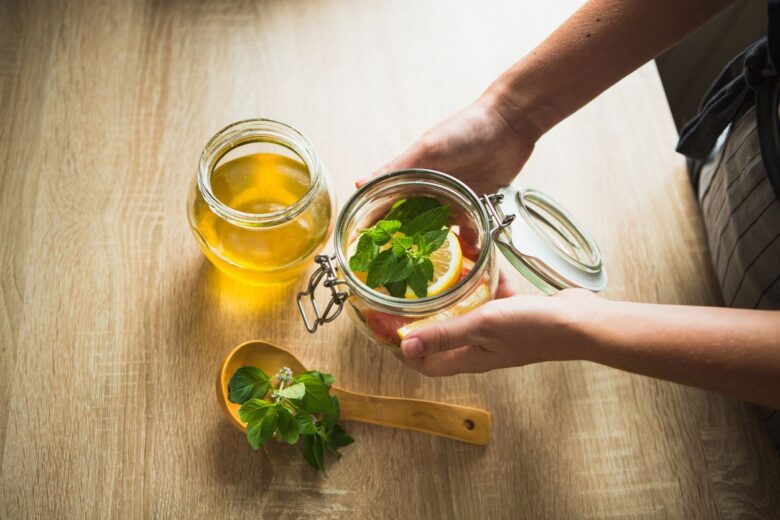
Bottle and flavor it. Remove the SCOBY, pour your kombucha into clean and sterilized bottles, and add flavors like ginger, lemon, or berries if you want. Let it sit for another few days to build carbonation.
-
Refrigerate and enjoy. Chill it, crack it open, and drink your homemade gut-friendly brew.
Alternatives Beverages to Kombucha That May Support Your Health
Not totally on board with kombucha? That’s okay — there are plenty of other beverages that may provide intimate and overall health benefits, such as:
-
Beet juice naturally boosts nitric oxide (NO). NO can enhance blood flow and may support intimate function.
-
Pomegranate juice is high in antioxidants that help reduce inflammation and support testosterone levels.
-
Green tea is high in catechins (especially one called EGCG), a form of antioxidant that supports circulation and may help regulate hormones.
-
Greek yogurt or kefir are fermented and naturally rich in probiotics that support gut health.
-
Oysters and pumpkin seeds are high in zinc, a mineral essential for testosterone production and libido.
-
Dark chocolate, especially 70 percent cacao and above, is rich in antioxidants and polyphenols that can help boost serotonin and blood flow.
-
Water, because it’s important to stay hydrated to support energy, circulation, and overall performance.

Kombucha Benefits: Should You Drink It?
While kombucha isn’t a magical love potion, the nutrients and compounds it contains might play a supportive role in your overall health, which includes your wellness.
Kombucha’s benefits in the realms of gut health, circulation, and inflammation may indirectly support key systems involved in performance. Just don’t expect the drink to replace healthy lifestyle habits or medical advice aimed to support health.
Here are the key takeaways:
-
As a fermented drink, kombucha contains probiotics that can support gut health, which is important for health and function (though more research is needed to understand why).
-
Kombucha contains antioxidants that may help improve circulation and reduce oxidative stress, which are both important for normal function.
-
Although it’s a low-calorie beverage, certain kombucha brands can contain large amounts of added sugar per serving, which can work against your health goals.
Should you drink kombucha? By all means, if you like it, grab a bottle (or experiment with brewing a batch at home). It’s certainly a better choice than sugary sodas and contains many properties that support general and health. But when it comes to addressing specific health concerns or issues, it’s best to ask the experts.
Related:
Like MediaFeed’s content? Be sure to follow us.
This article originally appeared on Hims.com and was syndicated by MediaFeed.org.