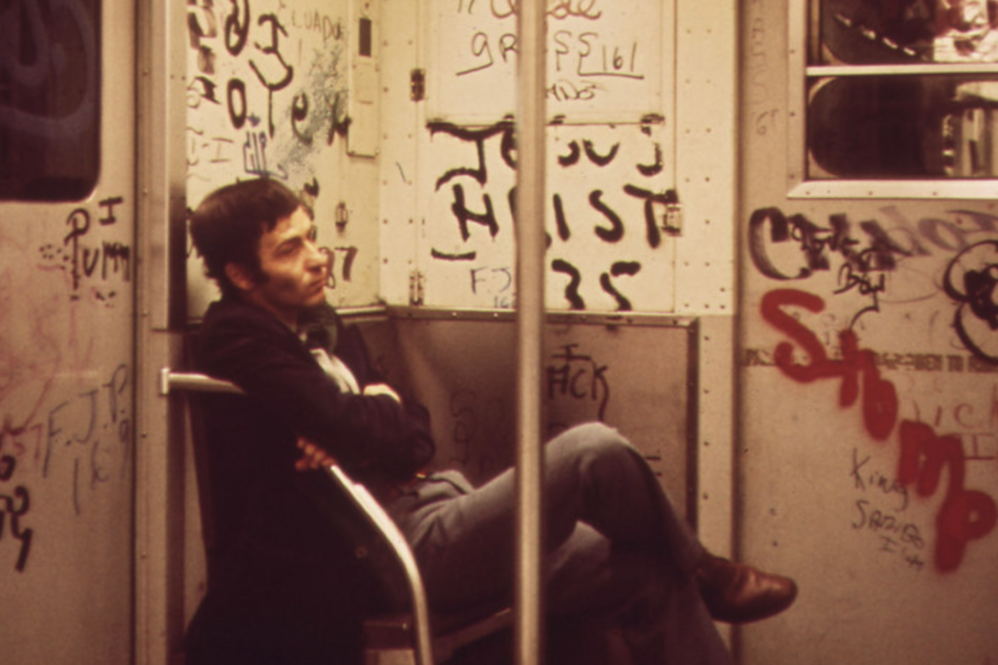
Why is it so easy to guess a decade from a single photo?
There is a specific pleasure in looking at an old photograph and knowing, within seconds, exactly when it was taken. Not the year. The decade. Something in the image announces it before conscious attention has organized itself to look. Photographs are records of the assumptions a culture was making about itself at the time the shutter clicked, and those assumptions change enough from decade to decade that a trained eye can locate almost any image within a ten-year window without reading a caption.
Formality and the new suburban grammar
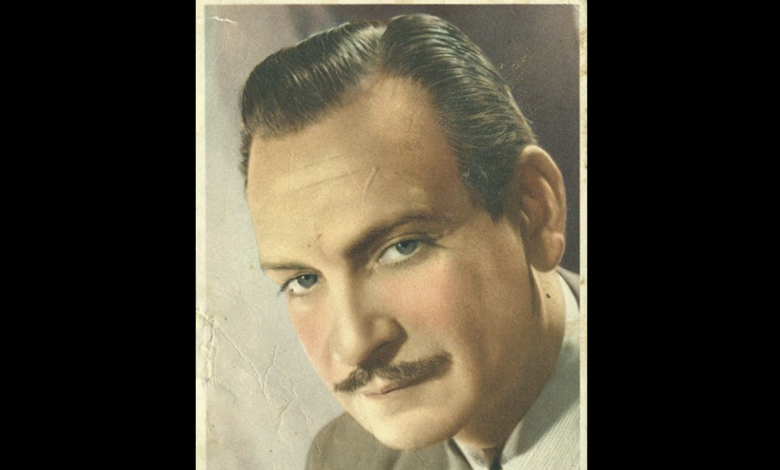
A photograph from the 1950s announces itself through posture first. Smithsonian’s research on nearly 38,000 yearbook photos across decades shows expressions were significantly more controlled and formal in the 1950s than in any subsequent decade. The hair on men is short, parted, restrained. The cars visible in background details are enormous, finned and chrome-heavy. Kodachrome and Ektachrome produced a specific color saturation that Smithsonian notes is as identifiable as any costume.
When everything got louder
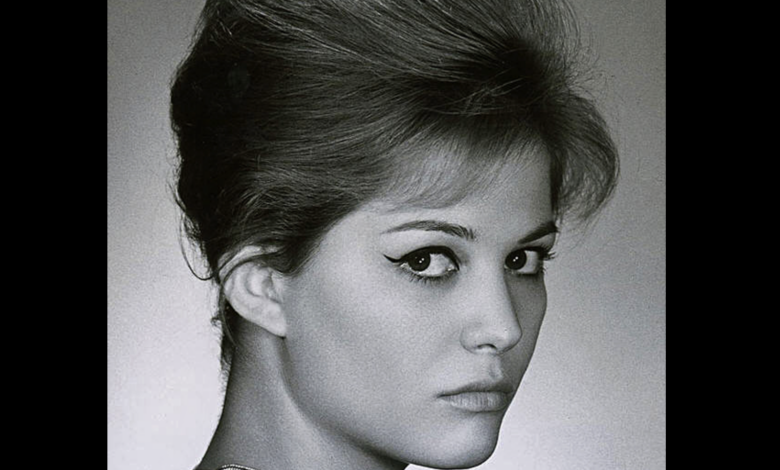
The visual noise increased. Patterns. Contrasts. Geometric shapes on fabrics that had previously been neutral. Mental Floss documents the beehive as specifically designed to define a decade and succeed completely. A photograph of a beehive dates to the 1960s. The men’s hair gets longer toward the end of the decade at a rate that functions almost as a calendar (short in 1961, past the collar by 1969).
Earth tones and the specific vocabulary of polyester
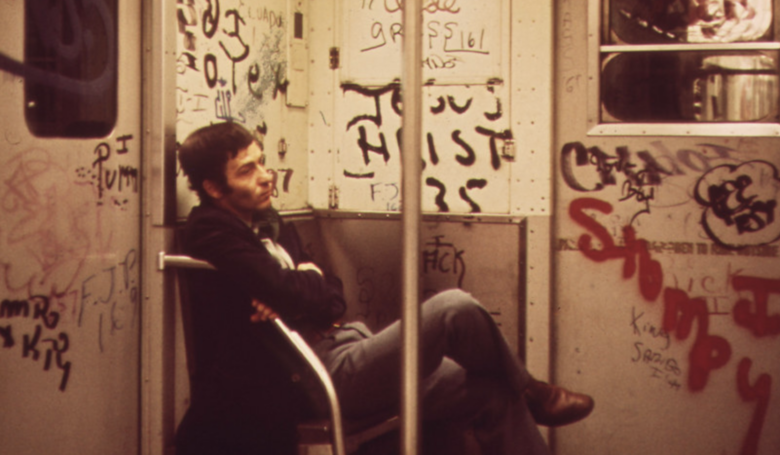
Smithsonian’s DOCUMERICA project, 20,000 photographs taken across America from 1971 to 1977, captures the decade’s palette: browns, oranges, harvest golds, avocado greens. The hair on both men and women goes wide (the Afro, the feathered shag, the perm), adding inches horizontally to every figure in the frame. A photograph from the 1970s is identifiable within seconds from color alone, before any other detail has been processed.

Shoulder pads and the geometry of volume
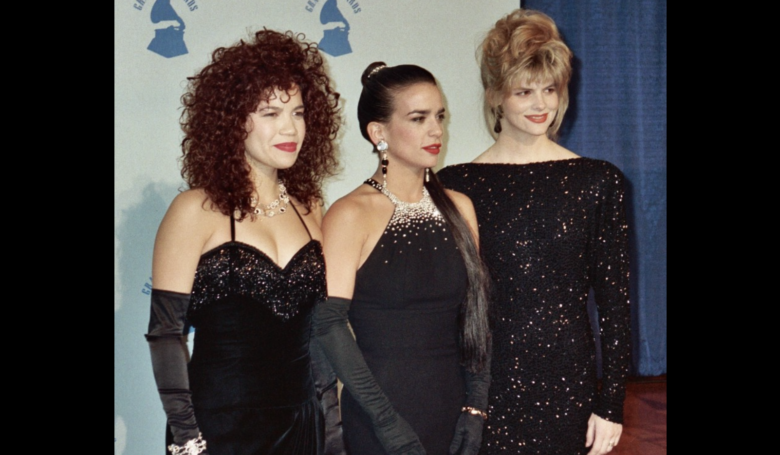
The defining visual move of the 1980s is upward. Shoulder pads pushed the silhouette wider and higher. Hair went up. Colors went neon. Mental Floss documents the decade’s fashion as one of the most visually distinctive in American history precisely because the choices were so deliberately maximalist. A photograph containing someone with large hair, shoulder pads and neon anything is from the 1980s. There is essentially no other option.
When everything got flatter and darker
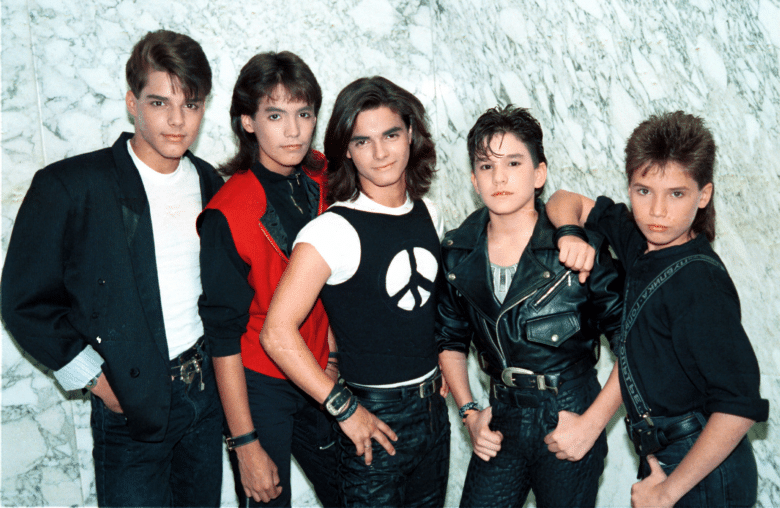
The visual correction to the 1980s arrived immediately and completely. Grunge brought dark fabrics, flannel, deliberate dishevelment. The shoulder pads disappeared. Mental Floss documents the decade’s defining palette as the inverse of the 1980s — darker, flatter, more earth-toned. A photograph of a teenager wearing Doc Martens is from roughly 1991 to 1997. That window is narrow enough to be useful.
When everything got shiny and low
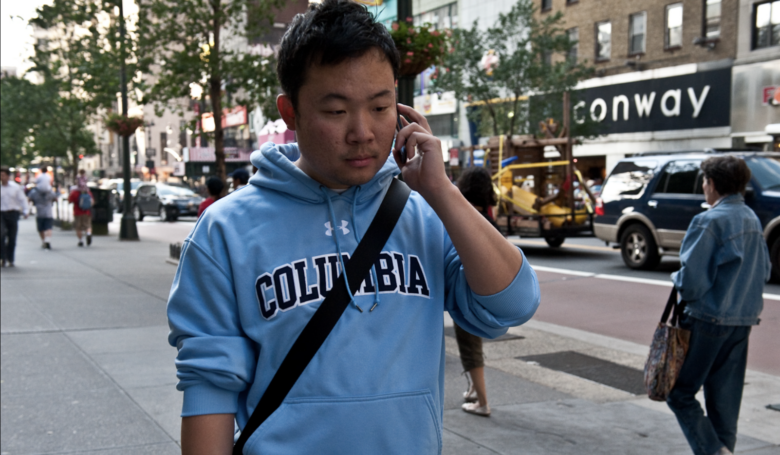
Low-rise jeans. Velour tracksuits. Rhinestones on anything that would accept them. Mental Floss documents the fedora, the shrug, the logo-covered everything. A photograph containing a flip phone held at a certain angle, or low-rise jeans paired with a visible waistband, is from the early 2000s. The phone gives it away before anything else does. The phone always gives it away.
The bottom line
Every decade leaves fingerprints on its photographs. The hair, the colors, the posture, the objects in the background; all dateable once you know what to look for. The decade hardest to identify at a glance is always the current one, still too close to read clearly. The ones that have passed are documents. They just require knowing the language.
Ask us! What questions do you have about content, strategy, pop culture, lifestyle, wellness, history or more? We may use your question in an upcoming article!
Related:
Like MediaFeed’s content? Be sure to follow us.
This article was syndicated by MediaFeed.co.