
The term “first-time homebuyer” may sound really specific, but it isn’t nearly as limiting as you might think. Even if you’ve owned a home before, you still may be eligible for many first-time homebuyer assistance programs.
That’s good news if you’re hoping to take advantage of benefits like down payment and closing cost help, which could make a real difference in the type of home you can afford — or whether you can afford a home at all.
Read on to find out how you can be a first-time homebuyer twice and how to make the most of any benefits that might be available to you.
First-Time Homebuyer Qualifying Factors
If you’ve never owned a home before, you’re obviously a first-time homebuyer. But other criteria also can factor into whether you qualify for first-time homebuyer status and can benefit from assistance programs.
When are you considered a first-time homebuyer again? The U.S. Department of Housing and Urban Development (HUD) says a former homeowner may still qualify if you meet one of these criteria:
You Haven’t Owned a Principal Residence for Three Years
Even if only one spouse qualifies under this scenario, both spouses would be considered first-time homebuyers.
It’s Your First Home as a Single Parent
If you’re a single parent who has only previously purchased a home with a former spouse while still married, you qualify as a first-timer.
You’re a Displaced Homemaker
If you are a displaced homemaker who doesn’t or didn’t earn wages from outside employment and has only ever owned a home with a spouse, you would be considered a first-time homebuyer.
Your Last Home Was Detached
If you’ve owned a primary residence that wasn’t permanently attached to a foundation according to applicable building regulations (such as a mobile home when the wheels are in place), you qualify.
Your Home Was Out of Compliance
If you have only owned a home that didn’t comply with state, local, or model building codes, and could not be brought into compliance for less than the cost of constructing a permanent structure, you can claim first-timer status.
State, local, and private first-time homebuyer programs may have their own qualifying criteria, so it can be a good idea to check out all the rules before starting the application process.
Is It Smart to Be a First-Time Homebuyer Twice?
Finding a home — and figuring out how to afford a down payment on your first home — can be especially challenging in today’s market, while prices are still high and mortgage rates are rising. But if you’re eligible for one of the many assistance programs created to help first-time buyers, you may be able to improve your chances of (literally) getting your foot in the door.
Many states, cities, and community organizations provide assistance in the form of grants or forgivable second loans that can help with the down payment on your home and/or closing costs. Some of these down payment assistance programs only offer support to those who fall under an income cap. But, according to a report from the Urban Institute, up to 51% of potential homebuyers residing in the U.S. metropolitan areas studied would qualify for some form of home down payment assistance. Some private lenders also offer lower low-interest mortgage loans on conventional loans and other benefits to qualifying first-time homebuyers. And, of course, there are several longstanding federal programs that may offer more lenient income and credit score requirements, smaller down payments, and lower mortgage rates. So it can be a good idea to investigate all the opportunities available to you — and to your spouse if you’re married.
Benefits of Using an FHA Loan
Whether this is the first time you’ve considered purchasing a home, or you’re a returning first-time homebuyer, you may want to look into the benefits provided through the Federal Housing Authority (FHA) loan program.
The FHA isn’t a lender, so it doesn’t make loans directly to borrowers. Instead, it insures loans made by HUD-approved private lenders. If a property owner defaults on the mortgage, the FHA will pay the lender’s claim for the unpaid principal balance.
Because lenders are taking on less risk with an FHA-insured loan, they can offer more flexible eligibility requirements, lower down payment amounts, and lower closing costs than a buyer might get with a conventional loan. For example, if you have a FICO® credit score of 580 or higher, you may qualify for an FHA loan with just 3.5% down. And even with a score between 500 and 579, you still could be able to get a loan with 10% down.
FHA loans also may offer lower interest rates than comparable conventional mortgages, which could be an important consideration if mortgage rates keep rising in 2023.
Are There Drawbacks to an FHA Loan for First-Time Homebuyers?
FHA loans can be appealing to first-time buyers who are struggling to come up with a down payment, or who have a low debt-to-income ratio or other problems qualifying for a mortgage. But, a potential downside is that the mortgage insurance premiums borrowers typically must pay to get and keep an FHA loan may end up being more expensive than the private mortgage insurance required for a conventional home loan. Here’s what those costs can look like when you compare MIP versus PMI:
- Homebuyers with a conventional mortgage can expect to pay an annual premium for private mortgage insurance (PMI) until they have at least 20% equity in their home. (If you make a down payment of 20% or more, PMI isn’t required.) PMI costs can vary based on the type of mortgage you get, your loan-to-value ratio (LTV), your credit score, and other factors, but generally, the annual premium is 0.5% to 1% of the total loan amount.
- FHA borrowers, on the other hand, are required to pay two separate mortgage insurance premiums (MIP). One premium is paid upfront at closing and is 1.75% of the loan amount. The other premium is based on the amount, length, and loan-to-value (LTV) ratio of the mortgage and is usually paid annually for as long as you have the FHA loan. If you put down at least 10%, you may have the FHA MIP removed after 11 years of payments — but unlike PMI on a conventional loan, there is no equity cutoff for MIP.
As you research different lenders and types of loans, you may want to keep these costs in mind. Remember: Mortgage insurance, whether MIP or PMI, protects your lender, not you, if you default on your payments. You still could ruin your credit or lose your home to foreclosure if you fall behind, so it’s important to keep your payments as manageable as possible.
Other First-Time Buyer Options
FHA loans are a popular borrowing option, but there are many other first-time homebuyer programs that could help you manage your costs, including programs offered by your state or city, or through local charitable organizations. Your real estate agent or lender may be able to help you find a program that’s appropriate for your situation. You also can find information through your state housing finance agency or HUD.
Other federal programs that you may want to consider include:
Freddie Mac Home Possible Mortgages
The Federal Home Loan Mortgage Corporation, known as Freddie Mac, offers the Home Possible mortgage program to help low-income borrowers who hope to purchase their own home. Because the program is backed by Freddie Mac, approved lenders can accept a smaller down payment from qualifying buyers, and some qualifications and terms may be more flexible than with a conventional mortgage.
Fannie Mae HomeReady Mortgages
The Fannie Mae Home Ready Mortgage is another path to homeownership for low-income borrowers. Creditworthy buyers may find lenders are more flexible with their terms and qualifications because these loans are backed by Fannie Mae.
Department of Veterans Affairs (VA) Loans
With a VA-backed home loan, the Department of Veterans Affairs guarantees a portion of the loan you obtain from a private lender. And because there’s less risk for the lender, you may receive better terms. Service members, veterans, and eligible surviving spouses may be eligible for this assistance.
US Department of Agriculture (USDA) Loans
The USDA offers both direct and backed loans to assist very low, low- and moderate-income buyers who want to buy a home in an eligible rural area. Usually, no down payment is required. And more areas of the country are eligible for USDA-loan status than you might imagine.
HUD Good Neighbor Next Door Program
Eligible law enforcement officers, teachers, firefighters, and emergency medical technicians may find housing help through HUD’s Good Neighbor Next Door program. Through this program, certain single-family HUD properties in designated revitalization areas are available for sale to public service workers at 50% off the list price.
(Learn more: Home Affordability Calculator)
The Takeaway
If you can qualify for one of the many assistance programs available to first-time homebuyers (even if you’ve owned before), you may be able to significantly reduce the daunting down payment and closing costs that can come with purchasing a home. Or you may qualify for a loan with a lower interest rate.
While you’re considering your options, though, keep in mind that you won’t necessarily have to come up with a 20% down payment if you decide to go with a conventional loan.
This article originally appeared on SoFi.com and was syndicated by MediaFeed.org.
SoFi Loan Products
SoFi loans are originated by SoFi Bank, N.A., NMLS #696891 Opens A New Window.(Member FDIC). For additional product-specific legal and licensing information, see SoFi.com/legal. Equal Housing Lender.
SoFi Mortgages
Terms and conditions apply. Not all products are offered in all states. See SoFi.com/eligibility for more information.
*SoFi requires Private Mortgage Insurance (PMI) for conforming home loans with a loan-to-value (LTV) ratio greater than 80%. As little as 3% down payments are for qualifying first-time homebuyers only. 5% minimum applies to other borrowers. Other loan types may require different fees or insurance (e.g., VA funding fee, FHA Mortgage Insurance Premiums, etc.). Loan requirements may vary depending on your down payment amount, and minimum down payment varies by loan type.
Financial Tips & Strategies: The tips provided on this website are of a general nature and do not take into account your specific objectives, financial situation, and needs. You should always consider their appropriateness given your own circumstances.
Third-Party Brand Mentions: No brands, products, or companies mentioned are affiliated with SoFi, nor do they endorse or sponsor this article. Third-party trademarks referenced herein are property of their respective owners.
More from MediaFeed
The cheapest home remodel projects

In the world of HGTV renovation shows, remodeling a home might look like a breeze. Interior design pros tackle a home in an hour, including commercial breaks, and finish on time—not to mention, miraculously under budget. But in real life—which, let’s be honest, is rarely like reality TV—how much does it cost to remodel a house?
Home remodels can sometimes be complicated and costly. Creating a budget beforehand could help avoid the headaches and hard choices that can crop up down the line. So turn off that home renovation show, grab a pen and paper, and start planning out your home remodel.
DragonImages / Getty

There’s no one magic number a homeowner can bank on when it comes to the cost to remodel a house. However, there are several factors to take into account when budgeting for a home remodel: high-end versus mid-range versus low-end remodels, the type of home, and the number and size of rooms to be renovated.
Deposit Photos

A renovation of a 2,500-square-foot home could cost anywhere between $15,000 and $200,000 on average with the variation in price stemming mostly from the scale of the projects. According to HomeAdvisor, a homeowner generally can expect to complete the following home remodels within each budget range:
- Low-end home remodel: A low-end renovation would include small changes such as new paint, updated hardware, and fresh landscaping. It might also include inexpensive finishes like new counters and flooring. Budget: $15,000-$45,000
- Mid-range home remodel: In addition to the low-budget projects, a mid-range home renovation includes full-room remodels like a bathroom and kitchen, as well as a higher quality flooring than the low-end renovation.
- Budget: $46,000-$70,000
- High-end home remodel: A high-end home remodel would include the low- and middle-end projects, as well as high-quality finishes including custom cabinetry and new appliances. It might also include improvements to the foundation, HVAC, plumbing, and electrical.
- Budget: $71,000-$200,000
As a homeowner, you can expect to customize your home remodel budget once you identify what rooms you want to upgrade and to what extent. Only one in five homeowners finish home remodels under budget, so it’s smart to pad estimates by 10 to 15 percent in the event of unexpected renovation costs.
Malkovstock / iStock

Older homes will typically need more attention during the home renovation process, especially as new issues arise when existing problems are addressed. Once walls and floors are opened up, for example, a homeowner might realize the wiring and plumbing are outdated and should be brought up to code.
While a house won’t necessarily be unsellable if everything isn’t up to code, there could be issues with sellers financing because lenders generally will not close on a house where health and safety issues are identified as problems.
If your home is deemed old enough to be considered “historic”—which is generally 50 years or older, according to the National Park Service —you’ll want to check on any existing guidelines that your city’s codes office may have of if there’s a historic overlay that enforces the need for an architectural review.
Designated historic properties in states like California, where owners of qualified historic buildings can receive property tax relief for maintaining their homes, could boost a home’s value up to 16 percent.
Depending upon the condition of the house and any past upgrades, its age can have an impact on the cost of a home remodel, but so too can the type of home, regardless of age. HomeAdvisor estimates that Victorian homes generally cost the most to renovate—anywhere from $20 to $200 per square foot—and that farmhouses and townhouses tend to have the lowest cost per square foot, between $10 and $50.
Depositphotos
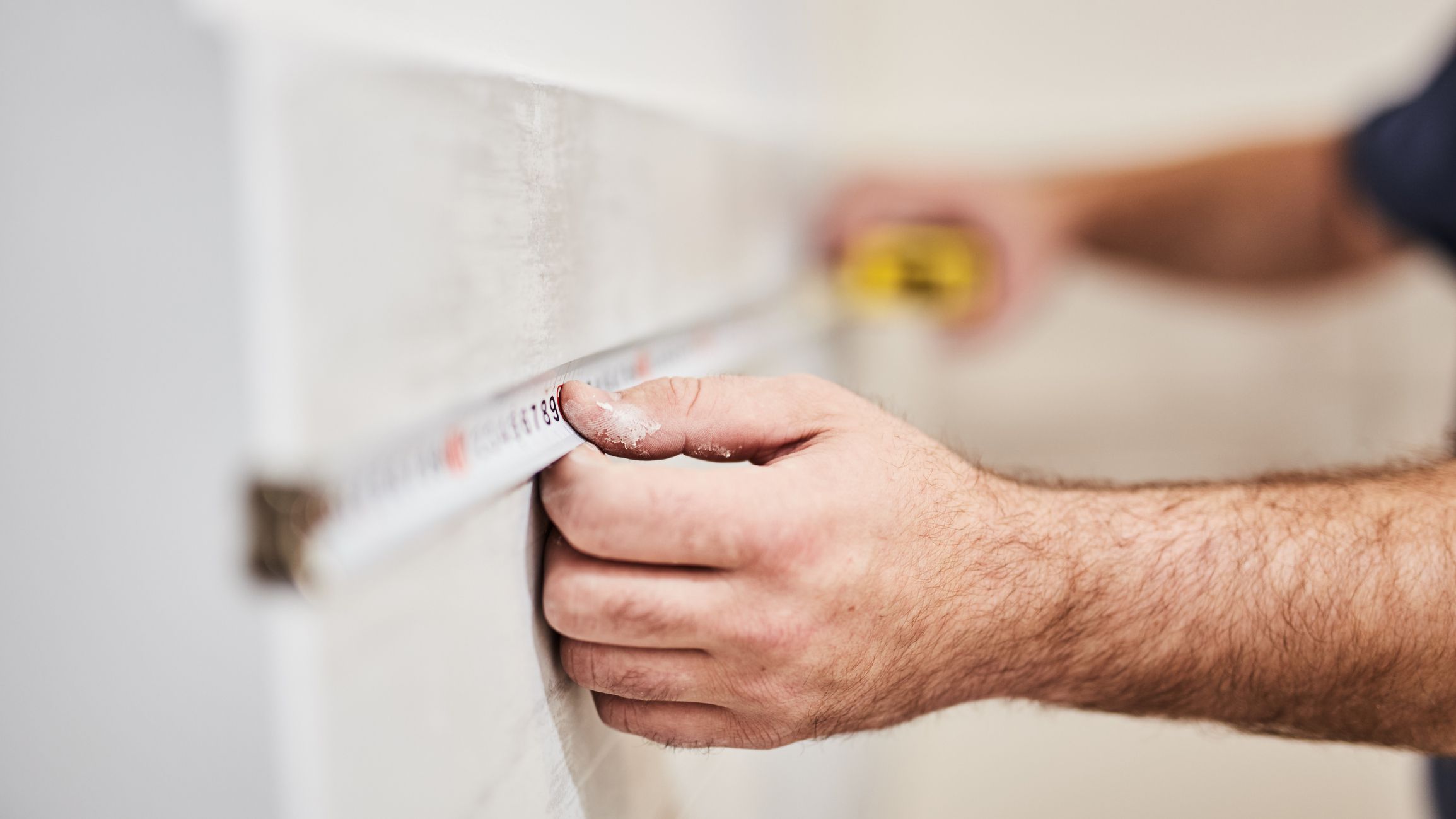
For many homeowners, an ideal home remodel would cover every inch of the house, but for the budget-conscious, that’s not always possible.
When it comes to home-renovation expenses, generally not every room is created equal. Rooms with cabinets and appliances—think bathrooms and kitchens—tend to be the priciest and are often where a home remodel budget can go awry.
m-gucci/istockphoto
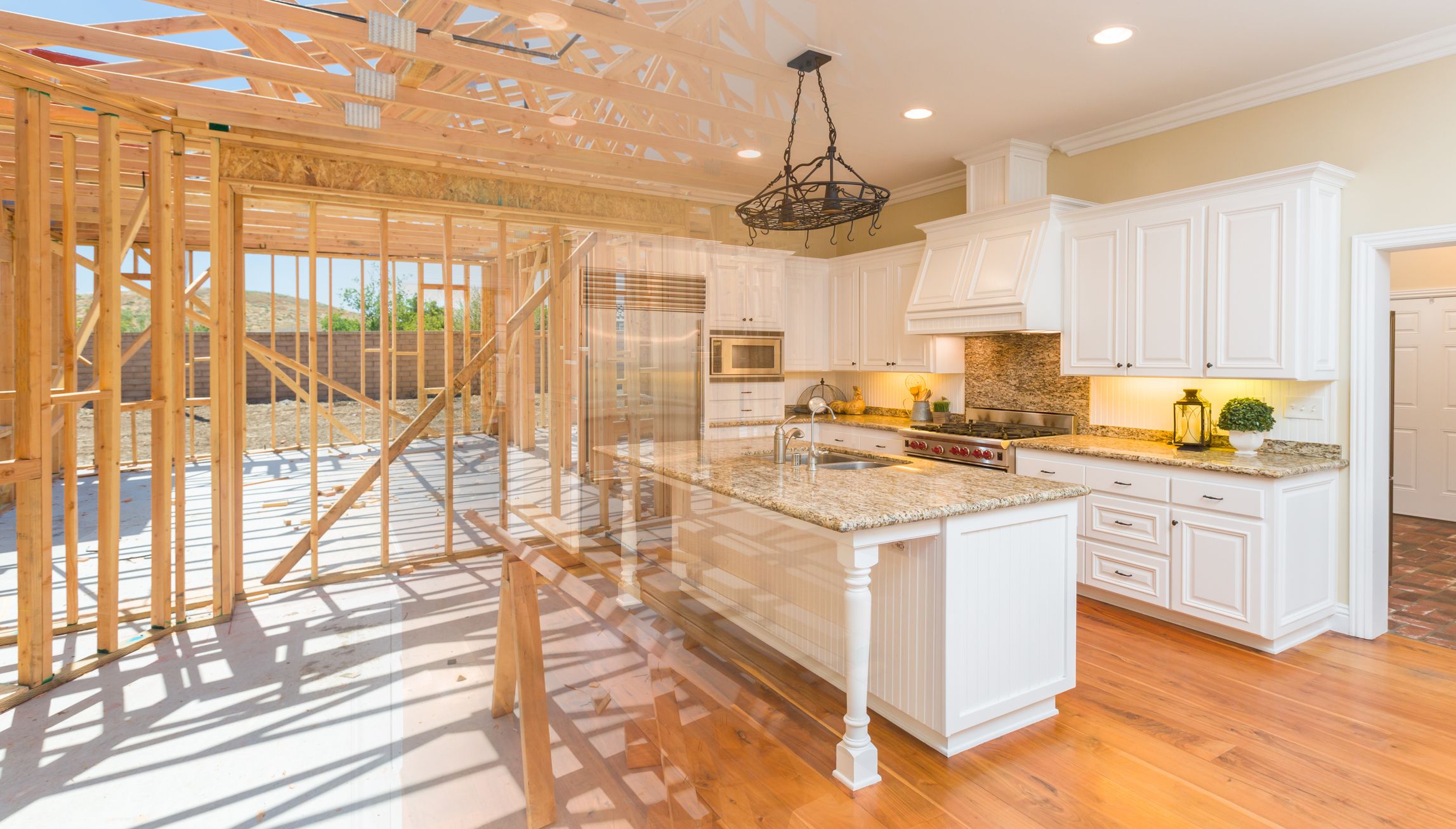
The typical range for the cost of remodeling a kitchen comes in between $13,289 and $37,612 with $25,449—or $150 per square foot—being average. But kitchens also can have the most variation when it comes to cost, depending on cabinetry, finishes, appliances, and other add-ons.
Here’s what a homeowner might expect to pay for a home remodel of a kitchen:
- Low-end kitchen remodel: new lighting, faucets, coat of paint, refreshed trim, and a new but budget-friendly sink backsplash. A low-end kitchen remodel also might include knocking down walls or a counter extension project. Budget: $10,000-$30,000
- Mid-range kitchen remodel: new appliances, floors, and tiled backsplash to the sink and countertop. A mid-range kitchen remodel might also include new cabinets and mid-range slabs for the countertop. Budget: $15,000-$30,000
- High-end kitchen remodel: custom cabinets, high-end countertops like rare stone or granite, and deluxe appliances. When the budget for a kitchen is expanded, the projects start to take on custom finishes. Other projects might include new lighting, hardwood flooring, and new faucet fixtures. Budget: $30,000 and up
Because a kitchen can be extremely customizable and include so many levels of finishes, your home remodel budget could fluctuate greatly due to the cost and availability of materials, the labor involved, and where you live.
Feverpitched/ iStock

Bathrooms take on a similar budgeting structure to kitchen remodels. The typical range for the cost of a bathroom remodel is between $6,122 and $15,370 with $10,740 being average, but that budget includes a range of projects, customizations, and features.
For example, new cabinets in a bathroom can account for up to 30% of the budget. Other big-ticket items come in on pricing based on whether you choose low-end or high-end finishes.
On the low-end, a new bathtub might cost around $400, but if you are looking for a high-end tub, you could pay upward of $8,000. Similarly, a sink can run anywhere from $190 to $6,500 while a toilet might cost between $130 and $800.
Feverpitched / istockphoto

Budgeting for a bedroom remodel can be a little more cut and dry since it generally doesn’t include as many costly fixtures as you might find in the bathroom or kitchen. You can expect to remodel your bedroom for around $7,880 on average.
This typically includes installing new carpet, windows, and doors, as well as refreshing the molding or trim. A bedroom remodel might also include new heating and insulation and updated wiring and lighting.
Remodeling a master suite could cost a bit more since it typically includes a bathroom and bedroom renovation in one.
If you want to add or expand a closet in the master suite, you can estimate adding around $2,000 to the room’s budget, on top of the bathroom and bedroom, as well as $870 to $2,480 for a closet organizer.
JZhuk / istockphoto

Similar to a bedroom remodel, a living room remodel can be more economical, costing between $1,500 to $5,500, on average. Like the bedroom, living rooms tend to lack the “wet” features, plumbing and appliances, that can drive up the cost of the bathroom and kitchen.
If you plan to add a fireplace feature to a living room, expect to spend a bit more. A fireplace could add up to $3,700 per room.
LightFieldStudios/istockphoto

Updating roofing and refreshing the exterior of a home is a common part of a home remodel. A new roof could cost $20,000 on average, but will vary depending on materials.
Adding new siding to a home typically costs around $14,000 but once again will fluctuate based on the material used. Painting the exterior of a home will cost between $1,737 and $4,136.
DepositPhotos.com
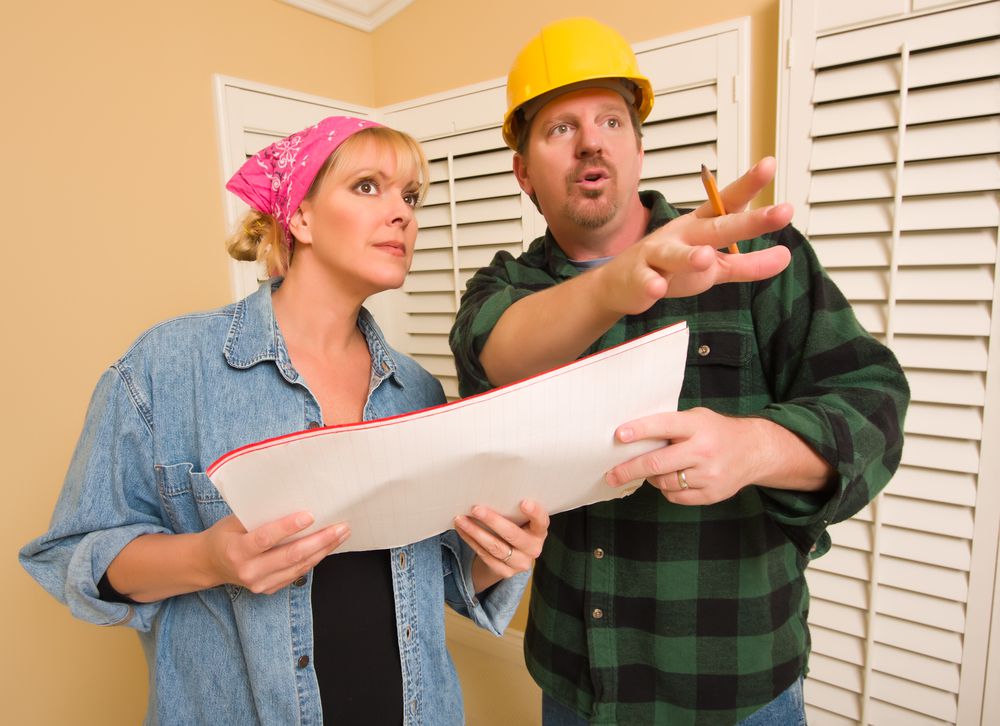
A home remodel isn’t just financial spreadsheets. There are other considerations you as a homeowner may want to consider — like if you are planning to sell the house or make it your forever home — before taking a sledgehammer to a room.
DepositPhotos.com

A renovation project could take anywhere from a few days to a few months, so you may want to plan your home remodel timeline accordingly. It might be tempting to duck out of town when big projects are underway, but staying around means you can monitor projects and provide answers to your contractors if any unexpected issues arise.
Additionally, home renovations can be stressful and might be best scheduled around other big life events. For example, you might think twice about a full home remodel that coincides with a wedding, the holidays, or a baby on the way. Unexpected events could arise, but there often is no need to pile on projects with other major life events going on simultaneously.
DepositPhotos.com

Before diving deep into plans, you may want to consider who your home remodel ultimately is for. Is it for you to enjoy decades from now, or is it to make the house more marketable for a future sale? The renovation could take a different shape depending on your answer to this critical question.
If the remodel is just for you as the homeowner, you might choose fixtures based on personal taste or decide to splurge on high-end bathroom features that you will enjoy for years to come.
On the other hand, if you plan to sell within a few years, you may consider tackling projects that have the greatest return on investment (ROI), which could mean prioritizing projects like a kitchen update or bathroom remodel.
didecs / iStock

When deciding to take on a major home remodel, it’s helpful to expect the unexpected. Unforeseen delays like a shortage of materials during a global pandemic could extend your home remodel timeline, or emergency expenses could drive a project over budget. As a general rule of thumb, estimate at least 10% for emergencies or unexpected costs.
DepositPhotos.com

Coming up with the money to finance a home remodel can be daunting enough to make some homeowners abandon the whole process entirely. However, there are multiple financing avenues you can explore.
Pattanaphong Khuankaew / istockphoto

Homeowners who take on small renovations and have liquid savings might decide to pay for everything out of pocket; this means not having to deal with debt or interest rates.
However, paying cash for a large project can be challenging for some homeowners and might lead to cutting corners on important elements in an effort to keep costs down. Plus, unexpected emergency costs could drive you into unexpected debt.
Paying for a home remodel out of pocket is possible for some homeowners, but it’s not the only way to finance your renovations.
yunava1 / iStock

Another alternative to financing your home remodel is borrowing money from family members or friends. While this may save you from having to deal with loan applications and approvals—and potentially provide more flexible terms—it can come with its own share of issues, such as risking the personal relationship if you are unable to pay back the lender.
Additionally, loans from family members may be considered gifts by the IRS—and, thus, may be taxable—so it’s wise to discuss this method of financing a home remodel with a tax professional before proceeding.
DepositPhotos.com

A HELOC, or Home Equity Line of Credit, allows homeowners to pull a certain amount of equity out of their home to finance things like renovations. Qualifying for a HELOC depends on several factors, including the outstanding mortgage amount on the home, its market value, and the owner’s financial profile.
HELOCs typically come with an initial low-interest rate, and a homeowner generally has the option to only pay interest on the amount they’ve actually withdrawn. However, HELOCs also could have high upfront costs and can come with a variable interest rate with annual and lifetime rate caps.
designer491 / istockphoto

If you don’t have the cash on hand or enough equity in your home for a HELOC, then a personal loan is another consideration. An unsecured personal loan is generally an unsecured installment loan that isn’t attached to your home equity and typically can be funded faster than secured loans and with fewer or no upfront fees.
Personal loans might be a good option for people who recently bought their homes, need capital quickly for unexpected reasons, or need a loan for their home improvement project.
DepositPhotos.com

The cost to remodel a house will depend on the number of rooms you decide to renovate, the degree to which each room is remodeled, the materials you use, and of course the area in which you live.
Opting to DIY projects in various rooms could also help bring down the budget, but it can be smart to bring in a professional for more specialized projects like electrical and plumbing.
Before you get started, consider mapping out a plan that prioritizes which projects you tackle first and how you intend to finance your home remodel.
Learn More:
This article
originally appeared on SoFi.comand was
syndicated by MediaFeed.org.
External Websites: The information and analysis provided through hyperlinks to third party websites, while believed to be accurate, cannot be guaranteed by SoFi. Links are provided for informational purposes and should not be viewed as an endorsement.
Third Party Brand Mentions: No brands or products mentioned are affiliated with SoFi, nor do they endorse or sponsor this article. Third party trademarks referenced herein are property of their respective owners.
Tax Information: This article provides general background information only and is not intended to serve as legal or tax advice or as a substitute for legal counsel. You should consult your own attorney and/or tax advisor if you have a question requiring legal or tax advice.
SoFi Home Loans
Terms, conditions, and state restrictions apply. SoFi Home Loans are not available in all states. See SoFi.com/eligibility for more information.
SoFi Loan Products
SoFi loans are originated by SoFi Lending Corp. or an affiliate (dba SoFi), a lender licensed by the Department of Financial Protection and Innovation under the California Financing Law, license # 6054612; NMLS # 1121636 Opens A New Window.. For additional product-specific legal and licensing information, see SoFi.com/legal.
Chainarong Prasertthai // istockphoto
Featured Image Credit: wutwhanfoto/istockphoto.