
Botox for Beginners: 10 Things to Know Before Your First Appointment
Botox has become one of the most popular cosmetic treatments in the world, but many first-timers still have questions. What exactly does it do? Will it make your face look frozen? How long does it last?
The good news is that modern Botox treatments are often far more subtle than many people assume. When performed by a qualified provider, Botox can soften expression lines while still allowing for natural facial movement.
If you’re curious about trying Botox, here are 10 things beginners should know before scheduling their first appointment.

1. Botox Is a Purified Neurotoxin
Botox is the brand name for a purified form of botulinum toxin type A.
When injected into specific muscles in small amounts, it temporarily reduces muscle activity. This helps soften dynamic wrinkles—the lines that form from repeated facial expressions like smiling, squinting, and frowning.
Several similar FDA-approved products are also available, including Dysport, Xeomin, Jeuveau, and Daxxify.
2. It Works Best on Expression Lines
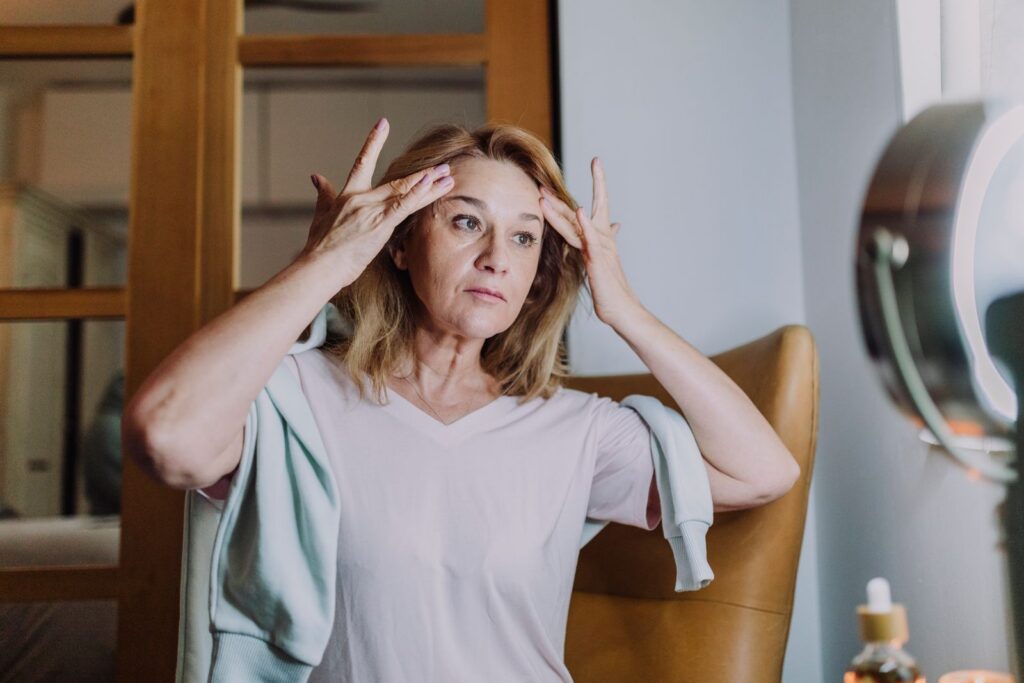
Botox is most effective for dynamic wrinkles caused by muscle movement.
Common treatment areas include:
- Forehead lines
- Frown lines between the eyebrows
- Crow’s feet around the eyes
- Bunny lines on the nose
- Chin dimpling
It is generally less effective for deep wrinkles that remain visible even when your face is completely relaxed.
3. Preventative Botox Is Becoming More Common
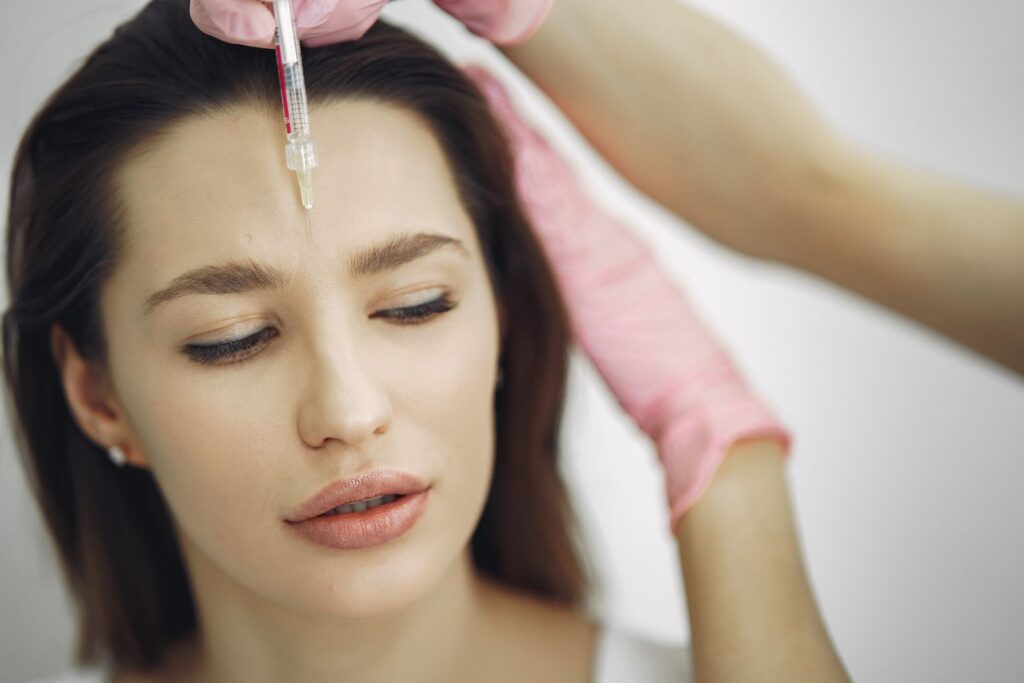
In recent years, some younger adults have started using Botox before deeper wrinkles develop.
The idea behind preventative Botox is that reducing repetitive muscle movement may help slow the formation of certain expression lines over time.
Not everyone needs preventative treatment, and many dermatologists recommend focusing on sunscreen and skincare first before considering cosmetic procedures.
4. The Procedure Is Usually Quick
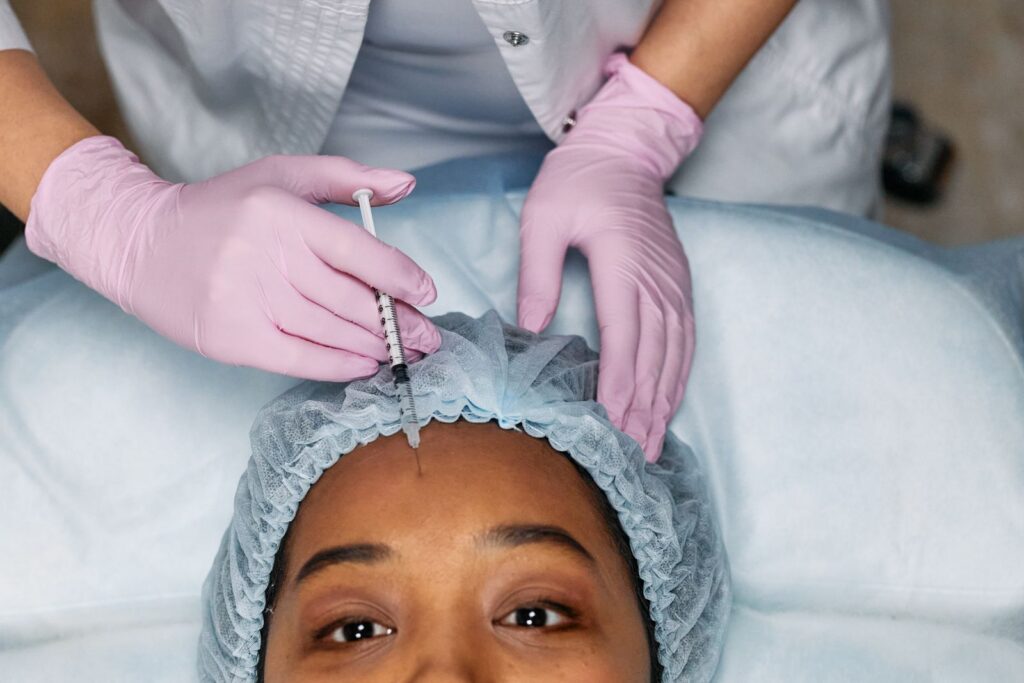
A typical Botox appointment often takes less than 30 minutes.
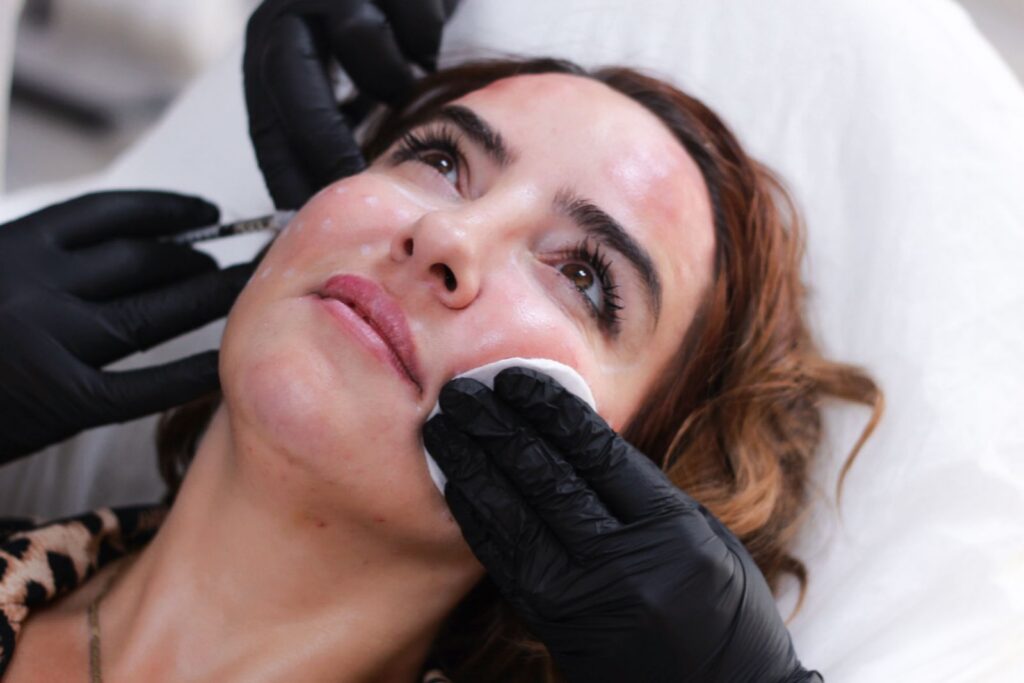
Most injections are performed in a medical office using very small needles. Many patients describe the sensation as a brief pinch or tiny bug bite.
Because there’s little downtime, some people even schedule treatments during a lunch break.
5. Results Aren’t Immediate
One of the biggest misconceptions about Botox is that results appear instantly.
In reality, most people begin noticing changes within three to five days, with full results typically developing over one to two weeks.
Patience is important, especially if it’s your first treatment.

6. Botox Doesn’t Usually Create a “Frozen” Look
The overly frozen appearance many people worry about is often the result of over-treatment or poor technique.
Today’s cosmetic approach generally favors natural-looking movement and subtle softening rather than eliminating all expression.
A skilled injector can customize treatment based on your goals and facial anatomy.

7. Results Are Temporary
Botox is not permanent.
Most people see results that last approximately three to four months, although individual experiences vary. Some people metabolize the product more quickly, while others maintain results longer.
Maintenance treatments are typically needed to sustain the effect.
8. There Can Be Side Effects
Like any medical procedure, Botox carries potential risks and side effects.
Common temporary side effects may include:
- Mild swelling
- Bruising
- Tenderness at injection sites
- Temporary headaches
More significant complications are uncommon but can occur, which is why choosing an experienced, licensed medical provider is important.
9. Botox Has Medical Uses Too
Many people associate Botox exclusively with cosmetic treatments, but it was originally developed for medical purposes.
Today, Botox is FDA-approved for several medical conditions, including:
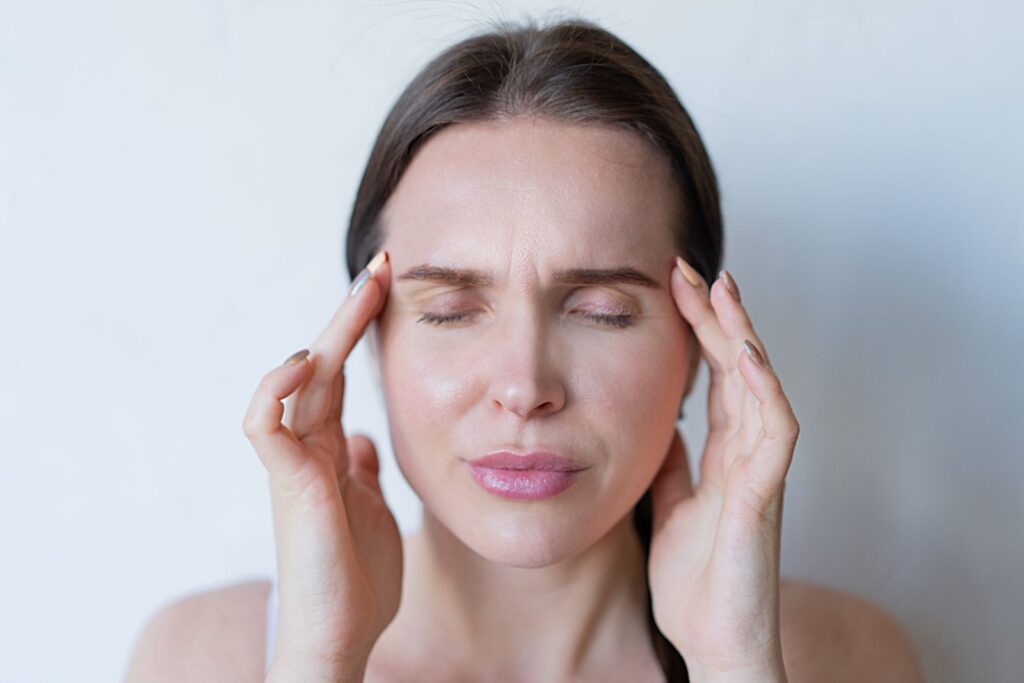
- Chronic migraines
- Excessive sweating
- Muscle spasticity
- Certain eye muscle disorders
- Cervical dystonia
Its cosmetic popularity represents only one part of its medical history.

10. Choosing the Right Provider Matters Most
Perhaps the most important decision isn’t whether to get Botox—it’s who performs it.
Look for a qualified healthcare professional with experience in facial anatomy and cosmetic injections. Board-certified dermatologists, plastic surgeons, facial plastic surgeons, and other appropriately trained medical providers are often considered the gold standard.
Reviewing before-and-after photos and discussing realistic expectations during a consultation can help you make an informed choice.

What Beginners Should Remember
Botox remains one of the most widely performed cosmetic procedures because it is relatively quick, minimally invasive, and effective for softening expression lines.
The best results are usually subtle rather than dramatic. A thoughtful treatment plan, realistic expectations, and a qualified provider can help ensure that your first experience is a positive one. Whether your goal is prevention, maintenance, or addressing existing lines, understanding the basics can help you decide whether Botox fits into your long-term skincare and aesthetic goals.
Read More:
- 15 Clever Ways to Drink More Water Every Day (Without Trying Hard)
- Not a Morning Person? 10 Ways to Change That
- 10 Common Foods That May Help Reduce Inflammation
Ask us! What questions do you have about content, strategy, pop culture, lifestyle, wellness, history or more? We may use your question in an upcoming article!
Like MediaFeed’s content? Be sure to follow us.
This article originally appeared on Resourcebuzz and was syndicated by MediaFeed.co.