Editorial Note: The content of this article is based on the author’s opinions and recommendations alone. It may not have been previewed, commissioned or otherwise endorsed by any of our network partners.
Talk of universal basic income (UBI) in the U.S. remains in the news nearly a year after a presidential election and amid a global pandemic. Though measures like economic impact payments (stimulus checks) and advance child tax credits have been compared to UBI, a federally guaranteed income program in the U.S. seems far off. Americans widely support the idea, though. MagnifyMoney researchers surveyed 2,050 U.S. consumers, finding that 72% support some form of UBI, with most hoping the payments would go to certain groups of people rather than all adults.
Methodology
MagnifyMoney commissioned Qualtrics to conduct an online survey of 2,050 U.S. consumers from Aug. 20 to 23, 2021. The survey was administered using a nonprobability-based sample, and quotas were used to ensure the sample base represented the overall population. All responses were reviewed by researchers for quality control.
We defined generations as the following ages in 2021:
- Generation Z: 18 to 24
- Millennial: 25 to 40
- Generation X: 41 to 55
- Baby boomer: 56 to 75
While the survey also included consumers from the silent generation (those 76 and older), the sample size was too small to include findings related to that group in the generational breakdowns.

A savings account can offer a secure place to keep funds you don’t plan to spend right away. But if you want to double your money and earn better returns than what a savings account might offer, investing it may help you reach that goal.
Figuring out how to double your money with investments often hinges on striking the right balance between risk and reward. Your personal risk tolerance and goals can influence how you invest and the returns your portfolio generates.
However, doubling your money is a reasonable goal, especially if you’re willing to wait for your money to grow. If you’re interested in doubling your money and growing wealth for the long term, there are several investing strategies to consider.
DepositPhotos.com

The rule of 72 can be a helpful guideline for answering this question: How long does it take to double your money?
If you’re not familiar with this investing rule, it’s not complicated. It uses a simple formula to estimate how long doubling your money might take based on your annual rate of return. You divide 72 by your annual return to get the number of years you’ll need to wait for your investment to double.
So, for example, if you have an investment that generates a 5% annual return, it would take around 14.5 years to double it. On the other hand, an investment that’s generating a 12% annual return would double in about six years.
The rule of 72 doesn’t predict how an investment will perform. But it can give you an idea of how quickly (or slowly) you can double your money based on the returns you’re getting each year. Just keep in mind that the rule’s accuracy tends to decrease as the rate of return increases, so it’s more of a guideline than a hard-and-fast rule.
DepositPhotos.com

One way to double your money through investing may be through your workplace retirement plan. If your employer offers a matching contribution to the money you’re deferring from your paychecks, that’s essentially free money for you.
Employer matching contributions are low-hanging fruit, in that you don’t need to change your investment strategy to take advantage of them. All that’s required is contributing enough of your salary to your employer’s retirement plan to qualify for the match.
The matching formula that companies use varies, but some companies offer a dollar-for-dollar match, meaning that the money you put into a 401(k) would automatically double when you receive your match. Keep in mind that some companies use a vesting schedule, meaning that you have to work at the company for a certain period of time before you get to keep all the employer contributions.
Aside from potentially helping to double your money, investing your 401(k) or a similar qualified retirement plan can also yield tax benefits. Contributions made with pre-tax dollars are deducted from your taxable income, which could lower your annual tax bill.
Piotrekswat/ istockphoto

Diversification means spreading your money across different investments to create a portfolio that will meet your needs for both risk and return.
As a general rule of thumb, riskier investments like stocks have the potential to generate higher returns. More conservative investments, such as bonds, tend to generate lower returns but there’s less risk that you’ll lose money on the investment.
If you want to double your money, then it’s important to pay attention to diversification and what that means for your return on investment. For instance, if you’re investing heavily in stocks then you could see greater returns but you might experience deeper losses if the market takes a hit. Playing it too safe, on the other hand, could cause your portfolio to underperform.
Also, keep in mind that there are many types of investments besides stocks, mutual funds and bonds. Real estate, cryptocurrency, stock options, futures, precious metals and hedge funds are just some stock and bond alternatives you could use to build a portfolio. Understanding their risk/reward profiles can help you decide what to invest in if you’re focused on doubling your money.
DepositPhotos.com

The stock market is cyclical and you’re guaranteed to experience ups and downs during your investing career. How you approach the down periods can impact your ability to double your money when the market goes up again.
When the market drops, some investors start selling off stocks or other investments to avoid losses. But if you’re comfortable taking risks, the sell-off could present an opportunity to buy the dip.
If you can purchase stocks at a discount during periods of volatility when other investors are selling, you could double your money when those same stocks increase in value again. But again, making this strategy work for you comes down to knowing how much risk is acceptable to you.
DepositPhotos.com

There are different investment philosophies you can adopt. For example, traders regularly buy and sell investments to try and get quick wins from the market. A buy and hold strategy takes a different approach, but it could pay off if you’re trying to double your money.
Buy-and-hold investing involves buying an investment and holding onto it for the long-term. The idea is that during that holding period, the investment will grow in value so you can sell it at a sizable profit later.
This is a passive investment strategy that relies on patience and time to increase your portfolio’s value. The longer you have to invest, the more you can capitalize on the power of compounding gains, or gains you earn on your gains.
If you’re using a buy-and-hold strategy with a value investing strategy, you could potentially double your money or more if your investments meet your expectations. Value investing means investing in companies that you believe the market has undervalued.
This strategy takes a little work since you have to learn how to understand the difference between a stock’s market value and its intrinsic value. But if you can find one of these bargain hidden gems and hold onto it, you could reap major return rewards later when you’re ready to sell.
DepositPhotos.com

Another simple strategy to double your money is to invest more. Assuming your portfolio is performing the way you want and need it to to reach your goals, doubling your investment contributions could be a relatively easy way to boost your returns.
If you can’t afford to put big chunks of money into the market all at once, there are ways to increase your investments gradually.
If you’re investing your 401(k) at work, you could ask your plan administrator about raising your contribution rate annually. For example, you might be able to automatically bump up salary deferrals by one or two percent each year. And if that coincides with a pay raise you may not even miss the extra money you’re contributing.
DepositPhotos.com

Minimizing tax liability is another opportunity to stretch your investment dollars. There are different ways to do that inside your portfolio.
Investing in your retirement plan at work is an obvious one, so if you aren’t doing that yet you may want to consider getting started. Remember, the longer you have to invest, the more time your money has to grow.
If you don’t have a 401(k) or a similar plan at work, you could open a traditional or Roth Individual Retirement Account (IRA) instead. A traditional IRA allows for tax-deductible contributions, meaning you get an upfront tax break. Then, you pay ordinary income tax on that money when you withdraw it in retirement.
Roth IRAs aren’t tax-deductible, since you fund them with after-tax dollars. The upside of that, however, is that qualified withdrawals in retirement are 100% tax-free.
A taxable brokerage account is another way to invest, without being subject to annual contribution limits the way you would with a 401(k) or IRA. The difference is that you’ll pay capital gains tax on your investment growth.
Paying attention to asset location can help with maximizing tax efficiency across different investment accounts. For example, exchange-traded funds can sometimes be more tax-efficient than other types of mutual funds because they have lower turnover. That means the assets in the fund aren’t bought or sold as frequently, so there are fewer taxable events.
Keeping ETFs in a taxable account while putting less tax-efficient investments into a tax-advantaged account, such as a 401(k) or IRA, could help with doubling your money if it means reducing the taxes you pay on investment gains.
DepositPhotos.com

Learning how to double your money can mean taking a slow route or a quicker one, but it all comes down to how much risk you’re comfortable with and how much time you have to invest. One of the keys to growing your investments is being consistent and that’s where automated investing can help.
Learn more:
This article originally appeared on SoFi.com and was syndicated by MediaFeed.org.
SoFi Invest
The information provided is not meant to provide investment or financial advice. Investment decisions should be based on an individual’s specific financial needs, goals and risk profile. SoFi can’t guarantee future financial performance. Advisory services offered through SoFi Wealth, LLC. SoFi Securities, LLC, member FINRA/ SIPC. SoFi Invest refers to the three investment and trading platforms operated by Social Finance, Inc. and its affiliates (described below). Individual customer accounts may be subject to the terms applicable to one or more of the platforms below.
1) Automated Investing—The Automated Investing platform is owned by SoFi Wealth LLC, an SEC Registered Investment Advisor (“Sofi Wealth“). Brokerage services are provided to SoFi Wealth LLC by SoFi Securities LLC, an affiliated SEC registered broker dealer and member FINRA/SIPC, (“Sofi Securities).
2) Active Investing—The Active Investing platform is owned by SoFi Securities LLC. Clearing and custody of all securities are provided by APEX Clearing Corporation.
3) Cryptocurrency is offered by SoFi Digital Assets, LLC, a FinCEN registered Money Service Business.
For additional disclosures related to the SoFi Invest platforms described above, including state licensure of Sofi Digital Assets, LLC, please visit www.sofi.com/legal. Neither the Investment Advisor Representatives of SoFi Wealth, nor the Registered Representatives of SoFi Securities are compensated for the sale of any product or service sold through any SoFi Invest platform. Information related to lending products contained herein should not be construed as an offer or pre-qualification for any loan product offered by SoFi Lending Corp and/or its affiliates.
Investment Risk: Diversification can help reduce some investment risk. It cannot guarantee profit, or fully protect in a down market.
istockphoto
The majority of consumers support some form of UBI
Politicians looking for a popular initiative could be advised to explore legislative options for universal basic income. UBI in some form garners approval from 72% of consumers. While 38% might change their mind under certain circumstances, a strong 35% of folks support UBI in any form.
While the policy idea wins a majority approval on both sides of the political aisle, Democratic voters are more likely to support UBI than Republicans:
- Democrats: 88% support, 12% don’t
- Republicans: 53% support, 47% don’t
- Independents: 72% support, 28% don’t
Democrats (28%) are more likely than Republicans (18%) to contact their elected officials about UBI, but those calling aren’t necessarily in favor. In fact, 7% of both Democrats and Republicans report calling their representatives to oppose UBI. Additionally, 11% of independent voters have made calls to oppose the idea.
Those earning $100,000 annually or more are significantly less likely to support UBI than any other income group, with 64% saying they would endorse some form. Folks earning less than $35,000 support UBI the most, with 76% in favor. Support for UBI drops slightly among the middle-income brackets, but hovers within a few percentage points among each group earning less than $100,000:
- Less than $35,000: 76% support, 24% don’t
- $35,000-$49,999: 75% support, 25% don’t
- $50,000-$74,999: 72% support, 28% don’t
- $75,000-$99,999: 75% support, 25% don’t
- $100,000 or more: 64% support, 36% don’t
Men, who notoriously make more money on average than women, are less likely to support UBI than women:
- Men: 69% support, 31% don’t
- Women: 74% support, 26% don’t
And when it comes to age, baby boomers (the wealthiest generation), are the least likely to support UBI, deviating from their younger counterparts by 13 to 25 percentage points:
- Gen Zers (ages 18 to 24): 83% support, 17% don’t
- Millennials (ages 25 to 40): 81% support, 19% don’t
- Gen Xers (ages 41 to 55): 71% support, 29% don’t
- Baby boomers (ages 56 to 75): 58% support, 43% don’t
According to MagnifyMoney senior economic analyst Jacob Channel, younger folks tend to make less money, so they logically would be interested in this form of government aid. For baby boomers, Channel says the culture in which they came of age plays a role.
“On top of that, because they’re wealthier than younger generations, baby boomers tend to be a little bit more conservative with money,” Channel says. “They’re more concerned about things like inflation and higher taxes than younger generations are, largely because those issues would be more likely to negatively impact them.”
Pandemic inspires more UBI support
The coronavirus pandemic and the resulting economic fallout inspired many to rethink how people have their needs met — and whether it’s the government’s responsibility to meet them. The stimulus payments offered a glimpse into possible UBI outcomes, as the checks allowed many families to pay off some debt or cover necessary expenses. As a result, 45% of consumers say the pandemic made them more supportive of UBI, versus just 14% who say the crisis made them less supportive of the idea.

The COVID-19 pandemic presented a lot of financial challenges—from lost jobs to unexpected price surges for toilet paper and antibacterial wipes. Now that we’ve all come face-to-face with our own financial realities, what wisdom can we move forward with as the world starts to recover? SoFi decided to find out.
We surveyed 381 SoFi members to discover what’s changed and what hasn’t for them–as well as what lessons they think it’s important to take away from the past 16 months. Most of them (70%) were Gen Yers or Millennials, and most (84%) have already been vaccinated.
Sergii Zyskо / istockphoto

So, were SoFi members ready to move on, post-pandemic? In many ways, yes. Forty percent said they weren’t planning any big life changes in the next six months to a year (at least not any that they hadn’t already planned pre-pandemic). But 21% are planning a career change, 9% are thinking of relocating to a different state, and 8% want to get married or have a baby. Looking forward to that first financial splurge, 53% said their initial big purchase would be a vacation (out of the house at last)!
But while people seem to have a positive outlook and are eager to move forward, they also told us about their financial situations during the last year. Our members were lucky during the pandemic in that 38% of them said their incomes stayed the same, and 32% reported that theirs had actually increased a little.
kevajefimija / istockphoto

Like many Americans, many SoFi members saved during the pandemic, and of those, 54% say they’re going to invest in stock for growth, while 26% plan to put their nest egg in an interest-bearing account until it’s needed.
DepositPhotos.com

Nonetheless, like all pandemic survivors, none of the people we surveyed is likely ever to forget the experience. So, what financial lessons from the pandemic do members say will stay with them even as they move forward? Read on for their actionable insights. (Responses edited for clarity and length.)
Depositphotos

- I tightened spending but spent more on the house.
- I’ve learned that being stuck inside makes me resort to spending money for a dopamine hit.
Nuthawut Somsuk/ istockphoto

- This was the first time my husband and I set up a real budget. It helped us figure out that with his new job I could quit my job and focus on my pet-sitting business instead.
- I learned that I don’t do a great job of hitting my financial goals unless I’m constantly tracking them.
alfexe / istockphoto

- I got super focused on getting my debt under control and understanding how my retirement accounts were being invested. I feel a lot more confident about my finances now and much better at not impulse spending.
- My family and I endured hardship when my additional source of income was removed and my significant other was furloughed. It made me look at my debt-to-credit ratio and spending habits and make hard decisions about what I need to do in order to get myself on a more positive financial track.
Chainarong Prasertthai/ istockphoto

- Cooking is much more fiscally responsible!
- The habit of outside dining cost us so much! And having stopped doing it taught us to save for bigger goals.
DepositPhotos.com

- To be prepared to take advantage of crashes or crises, you need to have significant savings.
- Banks will not loan you money easily in an economic crisis, even if you’d normally qualify for it. As this was my first such situation as an adult, I’ve learned to keep savings for similar situations in the future
DepositPhotos.com
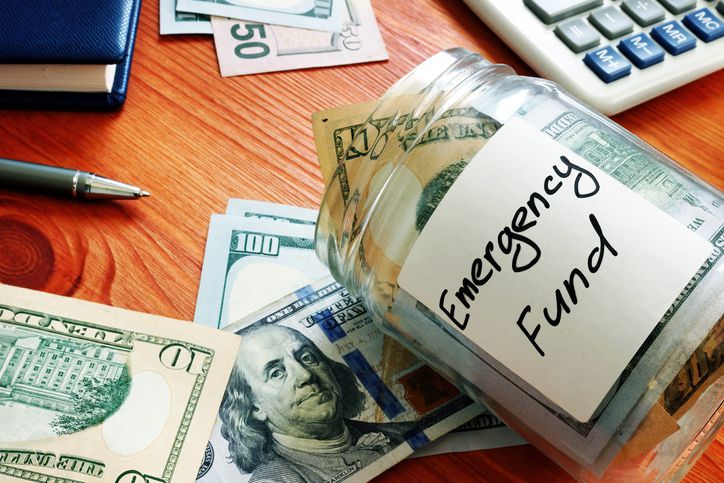
- Having an emergency fund helped because it eased my anxiety about losing my job. (Thankfully I had a job throughout the pandemic.)
- Make sure you have six months of expenses saved.
designer491 / istockphoto

- I cut back on work hours to care for my kids by working smarter.
- I learned to appreciate the little things more!
lisegagne

- Pay off everything, then save.
- I am incredibly lucky to have benefited from the stimulus payments and dumped most of it into outstanding debt. I’m now on a much more solid footing financially.
DepositPhotos.com

- All the jobs that my managers insisted could only be done from the office were perfectly fine being done from home, with minimal resources allocated to make it comfortable. (I have a $300 desk, a $100 chair, a $100 monitor and a $50/month internet connection.)
- Our company cut pay and moved to a four-day workweek. We restored 100% pay but kept the four-day workweek, which has been a remarkable change!
Deposit Photos

- I increased the cash I have on hand.
- Communicate openly and often, tighten the belt at times, and stay positive–things will be OK.
DepositPhotos.com

- I learned new skills—how to cook and how to better coupon and save!
- Take mental health days.
- Learn from other successful people. Read books that help you achieve the right mindset.
fizkes/ istockphoto

- The experience taught me a ton to continue to manage my account through the volatility instead of burying my head in the sand. I successfully managed through it and made back all my losses plus more and ended 2020 with a gain. Doing great this year, too. I’ve just learned how to be a more confident and disciplined trader/investor than I’ve ever been before.
- When markets crash, don’t panic. Instead, I learned to buy into the crash. Likewise, keep sideline cash to continue to buy on big red days.
Foryou13/ istockphoto

- I learned to appreciate the little things!
- Live life now.
asiseeit

- I learned that family time is very important, and I took a closer look at the education of my kids as I realized what they were actually doing while supervising Zoom calls. I think it gave me time to think about their development and the importance of me taking an active role in their education.
- We witnessed many family members and coworkers pass away. It was really hard to move forward, but looking toward the end of the pandemic and planning for when we would see family and friends again kept us grounded.
Geber86

- Being laid off from my job helped me to see that there is no financial security within a job. I need to start my own business, keep saving, and let investments grow in stocks.
- We used the time during the pandemic to pay off high interest debt and save for a down payment on a house. It taught us a lesson to slow things down and really focus on what our goals are and the timeline in which we want to reach those goals.
DepositPhotos.com

- We were forced to save more, as there were fewer opportunities to spend. So we ended up investing most of what we saved. I was able to double my net worth over 2020. I feel extremely fortunate and grateful to the investing books I have read recently and all of the companies and applications that have brought the democratization of investing to small investors.
- Saving will put you on the path to becoming a millionaire. Investing can help you get there.
Depositphotos
Being prepared for anything means being on top of your finances. If there’s one overall financial lesson to be learned from the pandemic, it’s that you can’t manage your money if you don’t know what’s going on with it.
This article originally appeared on SoFi.comand was syndicated by MediaFeed.org.
Learn more:
SoFi’s Relay tool offers users the ability to connect both in-house accounts and external accounts using Plaid, Inc’s service. When you use the service to connect an account, you authorize SoFi to obtain account information from any external accounts as set forth in SoFi’s Terms of Use. SoFi assumes no responsibility for the timeliness, accuracy, deletion, non-delivery or failure to store any user data, loss of user data, communications, or personalization settings. You shall confirm the accuracy of Plaid data through sources independent of SoFi. The credit score provided to you is a Vantage Score® based on TransUnion™ (the “Processing Agent”) data.
DepositPhotos.com
The road to UBI is paved with good intentions
Supporters of UBI appear to believe in the positive outcomes that inspire the idea in the first place. It seems supporters have faith in the policy’s ability to lift people out of poverty, provide economic stability and give people financial security. Here’s a full breakdown:
- Lifts people out of poverty: 60%
- Provides economic stability: 53%
- Gives more people financial security: 51%
- Ensures children will be taken care of: 45%
- Supports parents or caregivers unable to work: 44%
- Reduces income inequality: 36%
- It’s the right thing to do: 30%
- Offers a security net to those whose jobs may be lost due to increased automation: 30%
- It would really help their personal situation: 26%
- Allows workers more choice in the types of jobs they take: 18%
- Increases entrepreneurship and innovation: 15%
- Other reason: 5%
Those who oppose UBI in any form feel strongly about people working for a living, with 68% of nonsupporters saying that UBI removes the incentive to work. Additionally, a large share of respondents assumes UBI will be too costly and lead to higher taxes.
Many of the outcomes of a large-scale UBI program would depend on the implementation and how the details pan out. However, it’s difficult to predict whether a national UBI program would follow the patterns of smaller UBI experiments. States like Alaska and municipalities like Stockton, California, that have piloted UBI programs have mostly dispelled the hypothesis that UBI leads to a reduction in employment.
Considering the expanded unemployment benefits due to the pandemic as a form of UBI, Channel suggests the government aid could have at least slowed down employment, but the broader circumstances of the pandemic likely contribute.
“There were a lot of other factors at play that could have kept people from working, like fear of catching COVID-19,” Channel says.
Consumers think UBI should be targeted, not sweeping
The same percentage of consumers who support UBI — 72% — believe all Americans should be guaranteed enough money to afford basic needs like food and shelter. However, it appears the majority of consumers would prefer targeted payments to help those most in need.
Just 14% of all consumers think the payments should go to every adult living in the U.S. if the government implemented UBI. As for who should receive a guaranteed income, consumers mostly think recipients must have U.S. citizenship and/or earn below a certain income level, with both conditions garnering 43% of respondents’ endorsement. Another 34% of folks think recipients of the hypothetical UBI must be working or actively seeking employment.
Overall, respondents aren’t looking for extra spending money or cash to feed their vices. Just 12% of consumers say they’d spend a hypothetical government UBI payment on leisure spending, versus 66% who say they’d spend it on necessities and living costs. Additionally, a majority of consumers — 69% — say a $1,000-a-month UBI would help them save more for retirement.
A significant share of consumers says UBI could make a real difference, with 22% of respondents saying they need UBI to make ends meet. In particular, women and parents of children younger than 18 report needing this aid, with 25% and 28%, respectively, in agreement.
Of the 42% of respondents who say they don’t need UBI, the majority aren’t looking to give it away either. Thirty percent of consumers say they don’t need the payments but would find a way to use it, while 12% who say they don’t need it would donate their payment.
Cash windfall? Turn it into basic income
One of the best ways to grow wealth is to create passive income streams by putting your extra cash in places where it’ll grow. Should the government send out another round of stimulus checks as the pandemic goes on, or if you receive a tax refund or even win the lottery, take the spare cash and turn it into a basic income stream with an interest-earning savings vehicle:
- High-yield savings account: It’s the most flexible option for saving money where it can still grow over time. Compare banks and credit unions to find the right savings account for your needs.
- Money market account: Savers with a bit more to sock away in a risk-free deposit account may want to consider a money market account. Just be wary of higher account minimums.
- Certificate of deposit (CD): If you have money you won’t need for a while, a CD can be an excellent way to grow your savings as long as you don’t need to withdraw early and face paying a penalty.
Related:
This article originally appeared on MagnifyMoney.com and was syndicated by MediaFeed.org.

You just came into a cash windfall. You’re happy about this, but you aren’t exactly sure about what to do with it. Should you spend it? Save it? Invest it?
Depending on the amount of money you now have and your financial situation, the answers are going to differ. Here are some things you can do with a financial windfall to ensure that you are handling it in the smartest way possible.
Related: How much you should have saved by 40
Deposit Photos

Let’s say the amount of money you received was $500. While it isn’t a ton of money, it still is significant enough that you should figure out what to do with it. Here are a few ideas.
Deposit Photos

Did you know that you can become a real estate investor with just $500? The real estate crowdfunding platform DiversyFund allows you to invest in real estate investment trusts (REITs) with a minimum of $500. Although there is risk involved in real estate investing and it might tie up your money before you see a return, this might be a good way to get your feet wet when it comes to real estate.
AlexLMX/istock

Hiring a financial advisor to help you learn how to plan for your financial future might be a good use of this money. Financial advisor charges vary. Some might charge hourly while others are commission-based.
DepositPhotos.com

You could refresh your wardrobe with a little extra money. Wearing the right clothes—high-quality suits, skirts or whatever other business outfits you need—could make you feel more comfortable and give you the confidence to go after your professional goals.
DepositPhotos.com

You may be able to find cheap plane tickets and accommodations when airlines and hotels are running sales. Or you could always take a road trip somewhere locally for only $500. Since you’re on a tight budget, you may want to put all your projected costs in a spreadsheet before taking off.
jacoblund / istockphoto

Another thing you can do with a $500 financial windfall is put it into a certificate of deposit, which is a savings account with a fixed interest rate as well as the maturity date. It’s a low-risk way to invest your money.
Andrii Dodonov/istock

Have you been putting off car repairs because they’re too expensive? Now that you have $500, it might be time to put it toward your vehicle so it’s less likely to break down when you’re on the road.
Drazen_

If you’re a renter, your personal property is not covered under your landlord’s homeowners insurance policy. Your renter’s insurance policy, typically costing less than $500 per year, will cover the cost of your belongings should anything happen, as well as offer liability coverage if anyone gets injured on your property.
SolisImages / istockphoto

Life insurance is designed to protect your family in the event that you pass away. The average cost of a life insurance policy is $26/month, so you could pay for the whole year upfront with just $500. Typically, life insurance rates increase as you age and your risk of dying increases. So it’s likely to be less expensive to purchase life insurance while you’re young rather than waiting until you feel like you can afford it.
Depositphotos

While private colleges and universities may be pricier, you may be able to find a class online or at your local community college for less than $500. Finding something that is relevant to your career may even help you move up the ladder at your job.
Ridofranz/ istockphoto

Did you receive a $1,000 financial windfall? Here are some tips on what to do with it.
agcuesta / istockphoto
Ideally, your emergency fund will be as robust as possible and include several months’ worth of expenses just in case you lose your job or otherwise face some financial hardships. However, if you don’t have anything saved up, then putting $1,000 into it is a great start. You will have a safety net at the very least.
designer491 / istockphoto

Another important thing you could do with a $1,000 cash windfall is meet with an estate planning lawyer to write your will, establish a trust and determine your power of attorney. You may feel some peace knowing your family will be protected and your assets will go where you wish to distribute them.
DepositPhotos.com

A 529 plan is a way to save for your child’s college education. With $1,000, you can get a nice head start on college savings and gain interest on your money at the same time. Plus, the money will be tax-deferred.
Melpomenem/istock

With $1,000, you could do some significant home improvements, like replacing your curtains, putting down a new kitchen floor, painting different rooms or sprucing up your backyard. If you do the work yourself, you may be able to stretch your financial windfall money even further.
DepositPhotos.com

If there’s a nonprofit you always donate to, you could make a big difference by giving $1,000 to it. You could also write it off on your taxes if it’s a qualifying organization.
DepositPhotos.com
A typical savings account tends to have low-interest rates. But a high-yield savings account could earn up to 25 times the interest of a regular savings account. Putting the $1,000 in your account and then setting up automatic transfers from your checking into your new savings account will help it continue to grow.
DepositPhotos.com

If you don’t have anything saved up for retirement and you suddenly get a $1,000 financial windfall, then it might be time to open up an IRA. It’s wise to speak with a financial advisor about the best type of account for your situation.
DepositPhotos.com

To make money on your $1,000 financial windfall, you could start or invest in your side hustle. For instance, perhaps you’re a freelance graphic designer on the side but you need to buy Adobe Photoshop to be able to do more detailed work. Or maybe you need to purchase a domain name and hire a developer to create a business website. With this initial investment, you may be able to bring in much more money and improve your finances.
fizkes/ istockphoto

You just got a cash windfall of $5,000. Now what? Here are some ideas.
OlyaSolodenko / istockphoto

In some instances, you could make a down payment on a home for only 3% to 5%. For instance, if you purchase a $100,000 home and you only need to put 5% down, you could use your financial windfall money as your $5,000 down payment.
Depositphotos

The average American family has $6,270 worth of credit card debt. Even if you have more than that much debt, $5,000 could make a big difference.
Farknot_Architect / istockphoto

Do you want to invest your $5,000 cash windfall but you don’t know where to start? Robo-advisors create a diversified investment portfolio based on your investment goals and the level of risk you’re willing to take.
nortonrsx

If you’re willing to take some risk with investments, then blue-chip stocks could be good investments for you. These stocks are from well-established and financially stable companies that typically pay dividends to investors.
zimmytws / istockphoto

Bonds typically have a solid history of returns, although slightly lower than that of stocks. However, since US interest rates are low, it may be a good idea to look into international bonds for a better return rate. These can carry higher risk because of currency exchange rates, however, so it’s wise to choose carefully based on the country where the bond is held. Having both stocks and bonds in a portfolio is a good way to achieve diversification in a balanced portfolio.
JJ Gouin / istockphoto

With $5,000, you and your family could potentially vacation in a luxury resort. By looking for all-inclusive experiences, you could do much more with your money. Check out sites like Costco Travel and Booking.com for deals.
DepositPhotos.com
If you received a cash windfall of $10,000, here are some things you could do with it.
DepositPhotos.com

With $10,000 could enable you to invest in a money market account, which typically earns a higher interest rate than a regular savings account.
DepositPhotos.com

The average student loan debt is $37,500. If you have a $10,000 financial windfall, you could put a nice dent in your student loan payments.
Ta Nu/ istockphoto
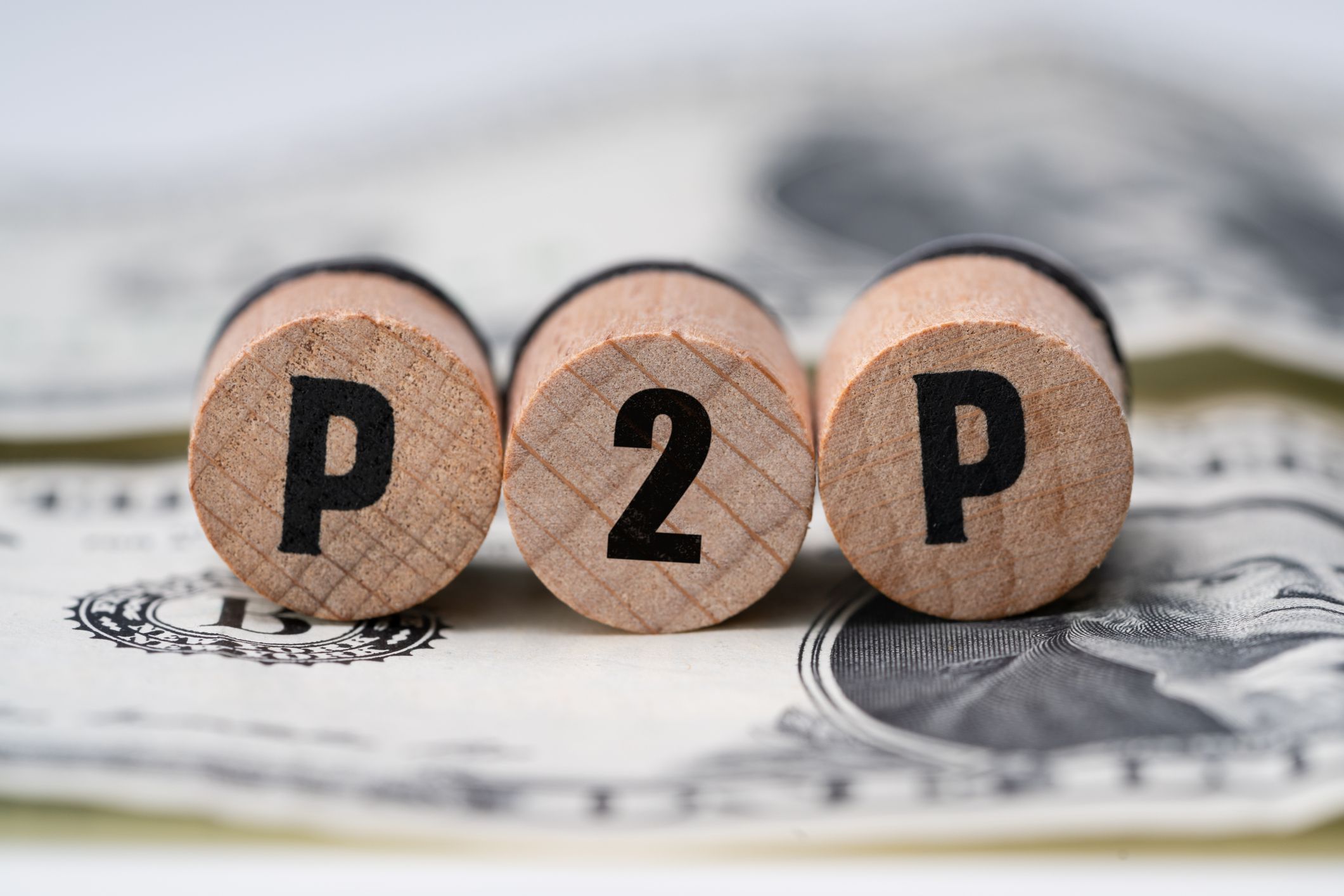
You could lend your financial windfall money to someone who is looking for a loan and have the opportunity to earn a much higher interest rate than you might receive on other types of investments.
AndreyPopov/istock

You could make a large principal-only payment toward your mortgage loan with a $10,000 cash windfall. Using an amortization calculator on the remaining balance of a fixed-rate loan will show you how much sooner you could pay off the loan.
Depositphotos
While $10,000 won’t cover a bachelor’s degree unless you also get grants or scholarships, you may be able to earn your associate’s degree at your local community college with your financial windfall money. This may also cover several classes at a university that could lead to career advancement.
fizkes/ istockphoto

Let’s say you want to do more than start a side hustle, and you’re ready to open a small business. With $10,000, you can get the ball rolling on your business without the need to borrow money. It could be a good idea to talk to a successful business owner in your industry who has the experience and can give you some guidance on how best to allocate your money.
DepositPhotos.com

If you have a 401(k) through your employer, you could put your $10,000 into it. If your employer matches your contributions, the money could go even further.
TimArbaev / istockphoto

Moving can be expensive, and a $10,000 financial windfall could be useful when it comes to covering moving costs. A move may make sense if you can find a place that’s more convenient to your work, restaurants and entertainment you enjoy gives you and your family more space or offers additional amenities.
Depositphotos

Receiving a financial windfall of any amount is probably best handled with careful thought. Spending it recklessly may just lead to regret. Sometimes, the best thing to do is to set it aside while you make a decision about how best to spend it.
Earning interest on the money during a considerable period can be a good thing, too.
Learn more:
This article originally appeared on SoFi.comand was syndicated by MediaFeed.org.
SoFi Money
SoFi Money is a cash management account, which is a brokerage product, offered by SoFi Securities LLC, member FINRA/SIPC. Neither SoFi nor its affiliates is a bank. SoFi Money Debit Card issued by The Bancorp Bank. SoFi has partnered with Allpoint to provide consumers with ATM access at any of the 55,000+ ATMs within the Allpoint network. Consumers will not be charged a fee when using an in-network ATM, however, third party fees incurred when using out-of-network ATMs are not subject to reimbursement. SoFi’s ATM policies are subject to change at our discretion at any time.
The SoFi Money Annual Percentage Yield as of 03/15/2020 is 0.20% (0.20% interest rate). Interest rates are variable subject to change at our discretion, at any time. No minimum balance required. SoFi doesn’t charge any ATM fees and will reimburse ATM fees charged by other institutions when a SoFi Money™ Mastercard Debit Card is used at any ATM displaying the Mastercard®, Plus, or NYCE logo. SoFi reserves the right to limit or revoke ATM reimbursements at any time without notice.
Tax Information: This article provides general background information only and is not intended to serve as legal or tax advice or as a substitute for legal counsel. You should consult your own attorney and/or tax advisor if you have a question requiring legal or tax advice.
Investment Risk: Diversification can help reduce some investment risk. It cannot guarantee profit, or fully protect in a down market.
Third Party Brand Mentions: No brands or products mentioned are affiliated with SoFi, nor do they endorse or sponsor this article. Third party trademarks referenced herein are property of their respective owners.
External Websites: The information and analysis provided through hyperlinks to third party websites, while believed to be accurate, cannot be guaranteed by SoFi. Links are provided for informational purposes and should not be viewed as an endorsement.
Deagreez/istockphoto
Featured Image Credit: Ivan Martynov / iStock.