Blood plasma facials and stem cell treatments: Miracle or money pit for seniors?
Your dermatologist suggests a platelet-rich plasma facial for aging skin. PRP treatments cost between 250 and 1,500 dollars per session, while stem cell therapy runs 500 to 50,000 dollars. Understanding what science proves helps you decide if these treatments justify their prices.

What PRP facials actually are
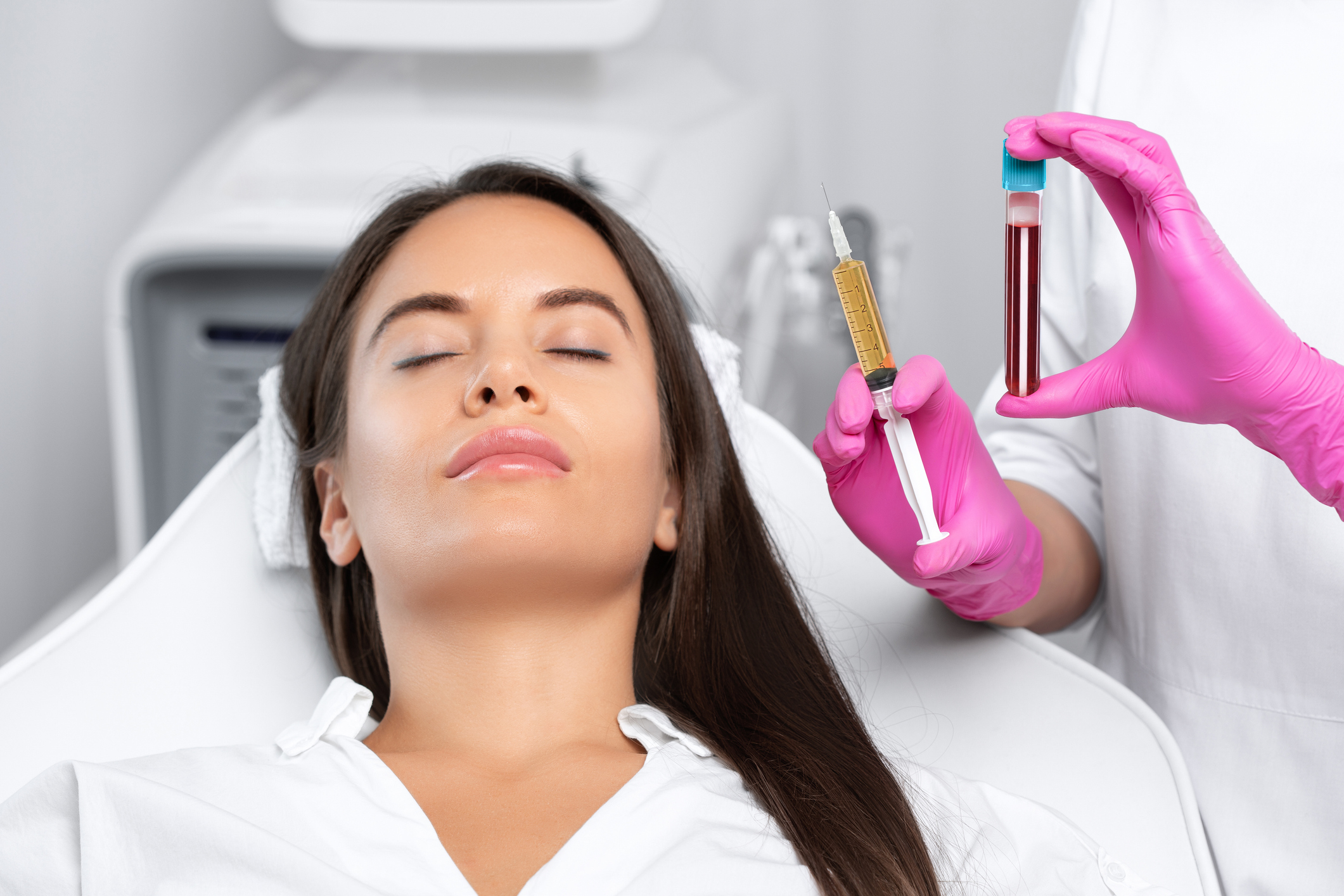
Platelet-rich plasma is serum derived from your own blood sample. A centrifuge spins blood to separate platelet-rich plasma from red blood cells. The concentrated plasma contains growth factors that aid tissue regeneration and boost collagen production. Dermatologists inject or apply PRP during microneedling to address wrinkles, enlarged pores, acne scars, and sun damage.
The stem cell treatment difference
Stem cells can be extracted from bone marrow or fat tissue. These cells transform into different tissue types while releasing healing molecules. Stem cell treatments inject concentrated exosomes containing regenerative factors that repair skin damage. The process requires more advanced technology than PRP.

Cost and insurance reality
Insurance companies classify PRP and stem cell therapies as experimental or investigational. Medicare takes the same stance, generally refusing coverage. This means you’re looking at completely out-of-pocket expenses for all treatments. PRP is more affordable than stem cell therapy.

What research actually proves
While PRP has shown potential promise in clinical studies, its effectiveness varies significantly. Preparation methods and individual patient factors influence outcomes. More research is necessary to standardize use. Results aren’t guaranteed, and most people need a series of treatments spaced four to six weeks apart.

Realistic expectations matter
PRP facials are not the same as facelifts. Results won’t match surgical procedures. Full effects appear in weeks to months. For very loose skin or extensive sun damage, simple treatments may not provide the expected improvement. Surgery yields better results.

Safety concerns
Side effects typically include mild pain, swelling, and bruising. Real threats come from improper equipment handling. Equipment must be sterile to reduce the risk of blood-borne illnesses. Serious complications like infection, scarring, and bleeding can occur with human error.

Rare but severe risks
Reports document PRP causing permanent blindness when injected near the eyes. This rare complication occurs if vascular occlusion develops in the arteries supplying blood to the eyes. Only licensed medical professionals should perform injections. Board-certified dermatologists provide the safest treatments.
Who should avoid treatments?
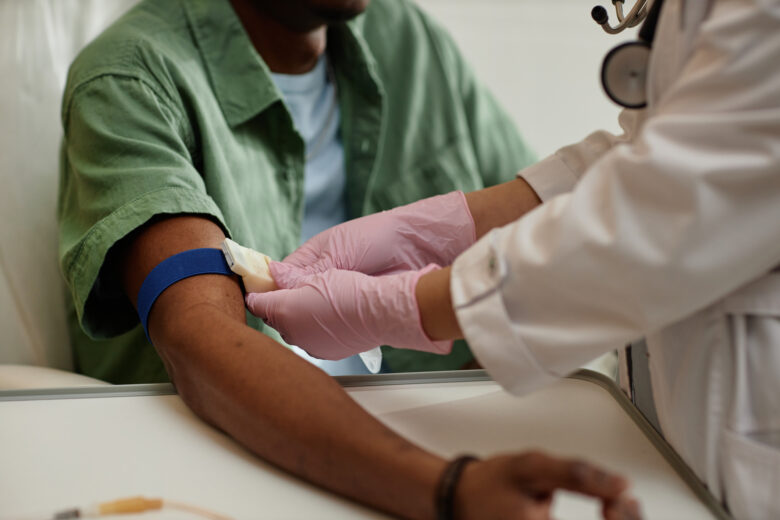
People with clotting conditions requiring blood thinners can’t safely undergo PRP. Those with blood-related health issues impacting platelets won’t see expected results. Conditions affecting platelet function prevent growth factors from working properly.

Maintenance requirements
Best results occur after a series of treatments given four to six weeks apart. Maintenance procedures may be needed. Results last six to nine months before requiring repeat treatments. Cumulative costs add up significantly over the years.

Wrap up
PRP and stem cell treatments offer non-surgical options for facial rejuvenation, but they aren’t miracle cures. Research remains limited, costs run high, insurance won’t cover them, and results vary widely. For seniors on fixed incomes, these treatments may represent expensive gambles.
Ask us! What questions do you have about content, strategy, pop culture, lifestyle, wellness, history or more? We may use your question in an upcoming article!
Related:
- Functional vs. conventional blood testing: Which is right for you?
- The most important labs for men at every age
Like MediaFeed’s content? Be sure to follow us.
This article was syndicated by MediaFeed.org.