Ancient inventions that were ahead of their time
Inventors rarely grasp how deeply their work will eventually reshape the world around them. Most solve one problem directly in front of them, with no way of knowing whether the solution will disappear within a generation or wait centuries for the infrastructure it actually needs.
1,700 years before the West built anything comparable
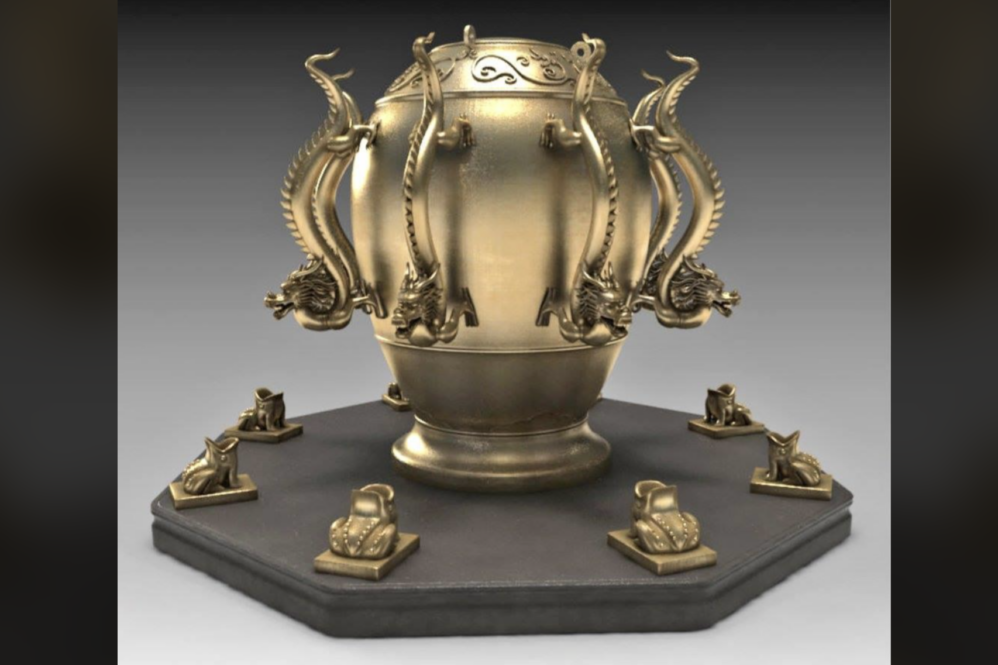
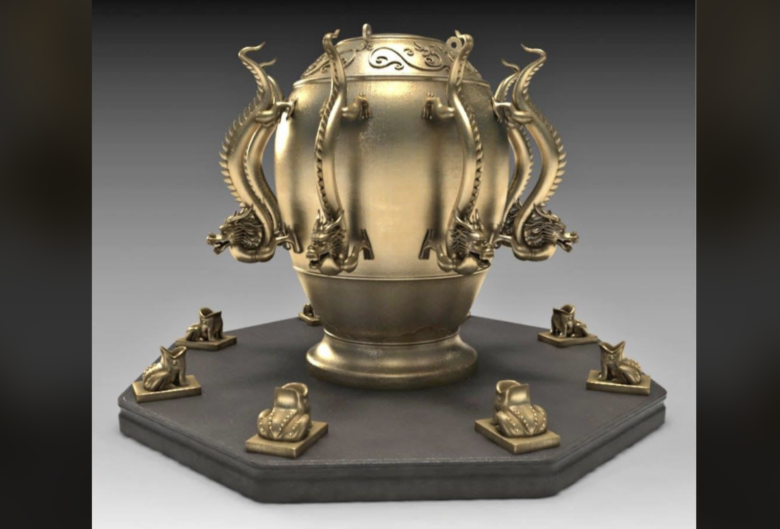
Zhang Heng’s seismoscope, built in 132 AD, was a massive bronze vessel ringed with eight dragon heads, each holding a ball above an open-mouthed frog. A tremor released the ball into the matching frog’s mouth, pointing toward the quake’s direction without anyone at the device feeling anything. Modern reconstructions have confirmed it was remarkably sensitive, picking up tremors hundreds of miles away.
Hero built a working steam engine and had absolutely nothing to do with it
The aeolipile heated water inside a sealed sphere, forcing steam through angled nozzles that spun the whole device on its axis. The same underlying principle behind the engines that would eventually launch the Industrial Revolution, sixteen centuries later. Rome had no factory system and no reason to scale a spinning ball into anything beyond a curiosity for guests.
Concrete that heals its own cracks
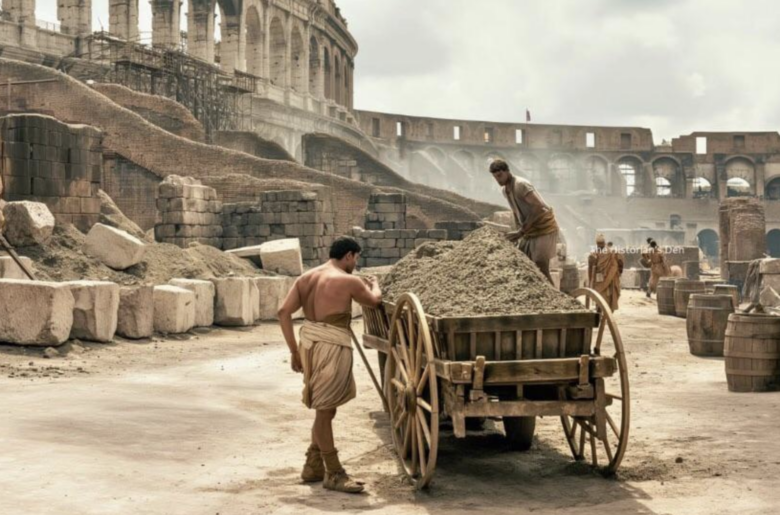
Roman builders mixed volcanic ash with lime around 200 BCE, and the resulting material actually strengthens with age as seawater interacts with specific minerals inside it. Buildings using this formula still stand today, and in several cases outlast concrete poured within the past hundred years.
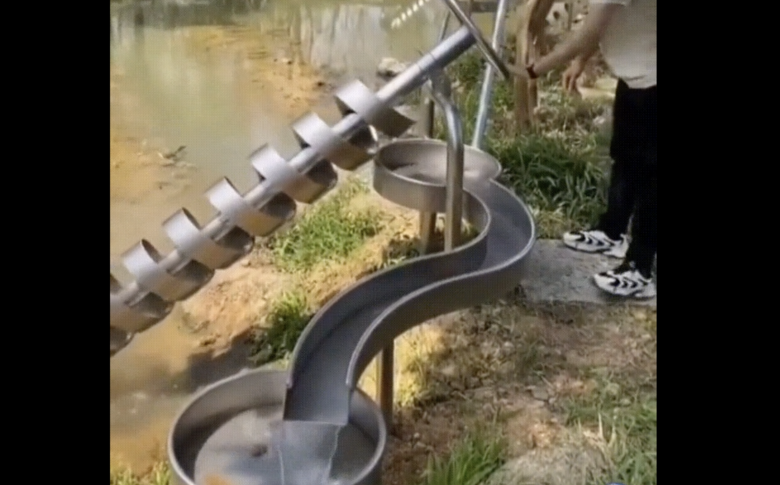
A rotating tube from 250 BCE keeps modern sewage plants running today
The Archimedes screw draws water upward using nothing but a spiral blade turning inside a pipe. Ancient Egyptians used it to irrigate fields from the Nile. Grain elevators and treatment facilities rely on the same basic design, making it one of the longest-used mechanical inventions ever built.
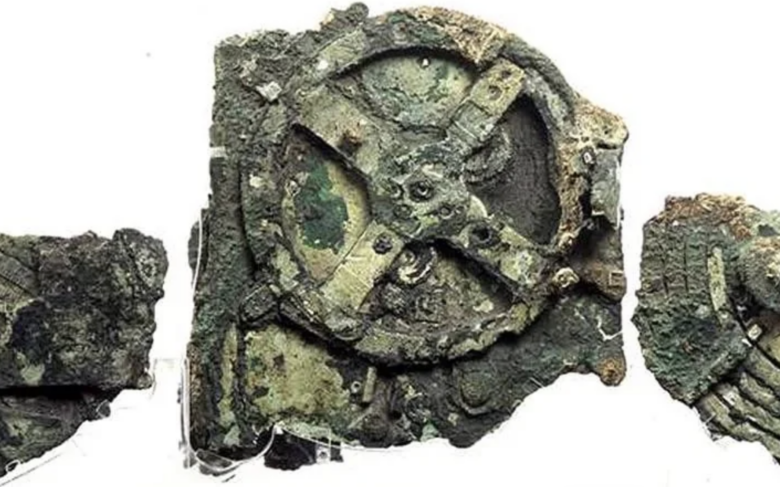
The Antikythera Mechanism
More than 30 interlocking bronze gears, pulled from a Greek shipwreck, tracking eclipses, lunar phases, and planetary positions with a precision nothing else from antiquity comes close to matching. The intermediate technology that should have existed before something this advanced got built has simply never surfaced anywhere. Draw your own conclusion about what that gap actually means.
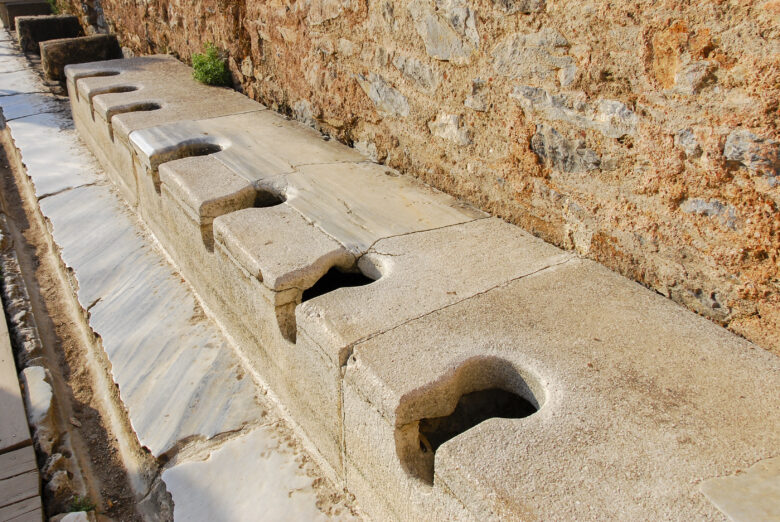
Four thousand years ago, someone had a flush toilet
Palace complexes on ancient Crete built underground clay piping servicing multi-level structures, including functioning hot and cold water systems most of the world wouldn’t see again for millennia.

The bottom line
None of these inventors were trying to predict the future. Each was solving a problem right in front of them, and the fact that several solutions sat waiting for the rest of civilization to catch up says more about how progress actually moves than any of them could have guessed at the time.
Ask us! What questions do you have about content, strategy, pop culture, lifestyle, wellness, history or more? We may use your question in an upcoming article!
Related:
- Historical “discoveries” that turned out to be elaborate hoaxes
- Some of the most surprising record deals in music history
Like MediaFeed’s content? Be sure to follow us.
This article was syndicated by MediaFeed.co.