
Almond, oat, coconut, skim, whole: Which milk is healthiest?
Used to be a simple choice. Whole, 2 percent, or skim. Now it’s a dozen options built from almonds, oats, coconuts, soybeans, each one claiming its own version of healthy.
Dietitians have compared these directly, and the verdict depends heavily on what someone actually needs from the glass in the first place.
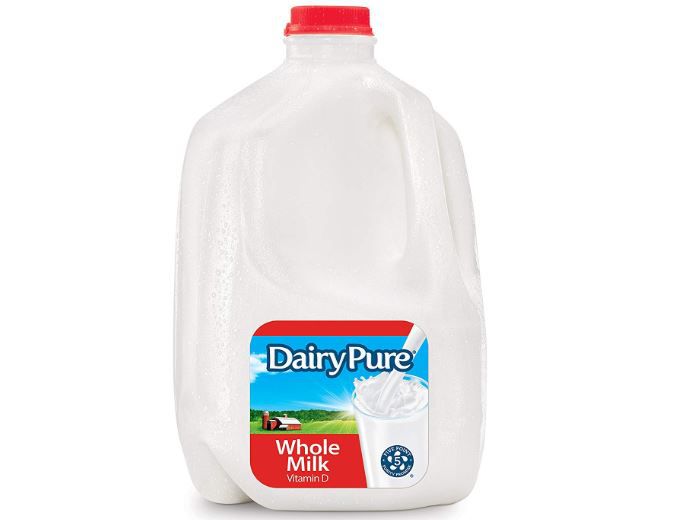
Whole milk
150 calories. Eight grams of protein. Eight grams of fat, mostly saturated. Natural protein and calcium untouched, and the fat may actually help with satiety, some research suggests, keeping people fuller longer than a lower-fat version would.
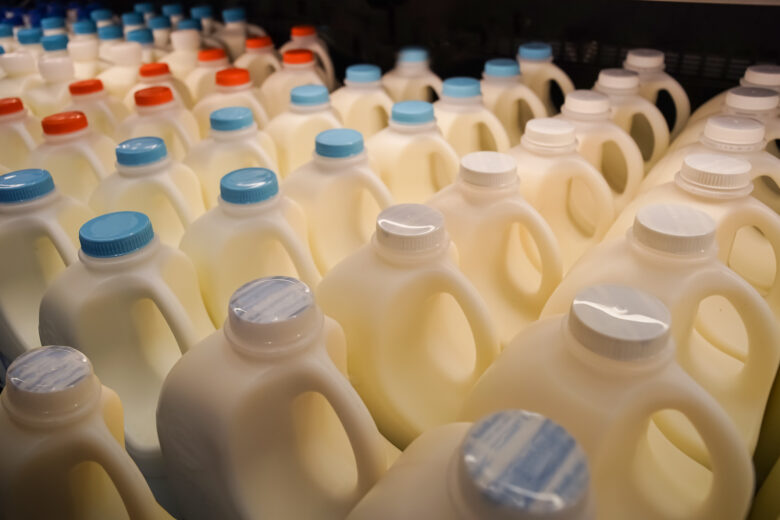
Skim milk
Same protein and calcium as whole. None of the fat. An 8-ounce cup carries 299 milligrams of calcium, slightly more than whole milk actually, at a fraction of the calories.
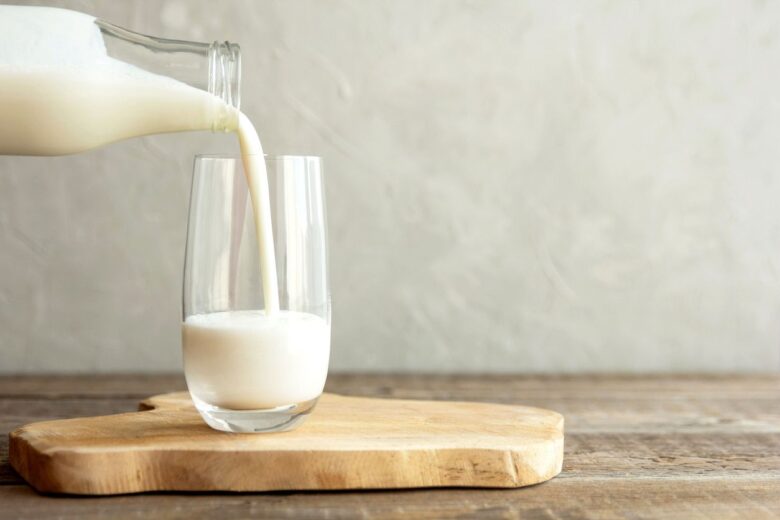
Oat milk
More calories, more carbs than most plant options. 120 calories, 16 grams of carbs per cup. Also more protein than almond milk, typically 3 to 4 grams depending on the brand, plus fiber most nut milks skip entirely.
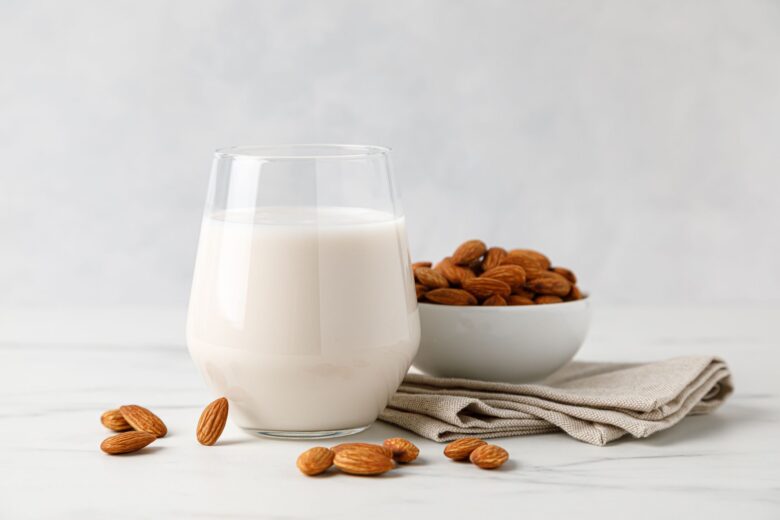
Almond milk
Lowest calorie count on the shelf. 39 to 40 calories unsweetened. Also the lowest protein, just 1 to 2 grams. Most of its actual nutritional value comes from fortification. Unfortified, it’s mostly flavor and texture.
Coconut milk
Low protein, low carbs. Most calories from saturated fat. About 50 calories and 5 grams of fat per cup, unsweetened. More of a texture choice than a nutritional one, honestly.

What dietitians actually say
No single winner here. Match the milk to the goal instead. Dairy or fortified soy for protein and calcium without extra supplementation. Oat for fiber and a creamier feel. Almond for the lowest calorie count. Whole milk specifically for anyone chasing satiety over calorie savings.
The bottom line
No universally healthiest milk exists. Just the one that fits what a specific diet actually needs. Fortification ends up mattering more than the plant it came from, since unfortified almond or oat milk offers a fraction of what dairy provides on its own.
Ask us! What questions do you have about content, strategy, pop culture, lifestyle, wellness, history or more? We may use your question in an upcoming article!
Related:
- 15 Things Boomers Still Miss About the Way Life Used to Be
- 7 everyday baby boomer habits that are illegal today
Like MediaFeed’s content? Be sure to follow us.
This article was syndicated by MediaFeed.co.