Getting married is a vital rite of passage in life for many people, but most haven’t thought about all the details that go into planning such a momentous occasion. Weddings are a combination of two things: beautiful celebrations where two souls come together to unite in holy matrimony and a large-scale event with lots of moving parts and logistics to manage.
Planning a wedding can be relatively costly and time-consuming, requiring utmost dedication to execute while adhering to budget requirements and emotional expectations. A lot goes into pulling off a wedding, especially on a budget. The biggest question that comes to couples’ minds is, “how long does it take to plan a wedding?”
Unfortunately, it is nearly impossible to say exactly how much time is needed to plan a wedding. Let’s face it– all couples are different, and so are their priorities, schedules, and finances, all of which play a factor in determining when to set a wedding date. The average time spent to organize and plan a wedding is around 12 to 18 months, accumulating slightly over 350 hours of commitment! That’s no small feat. Of course, the norm isn’t the rule – some couples put together weddings in as short as a month, three months, or even six months of planning, while others will take their time and have a longer engagement.
Deciding How Long to Spend Planning Your Wedding
So how long should you take to plan your wedding? That’s up to you and your partner, your preferences, and your priorities.
Before locking down your wedding date, some simple guidelines are handy in mapping out a realistic wedding timeframe to consider. Remember to streamline your wedding planning process. How can I make my wedding planning process easier? you might be asking. Our best advice is to use a thorough wedding planning checklist to ensure no coveted wedding element gets dropped. And we’ll do you one better, you can download ours for free!
Establish Your Wedding Vision
Determine the type of wedding you and your partner want to have. Define the kind of vibe you intend to create for your event. Intimate weddings typically require a shorter planning period, while destination and large, traditional weddings require in-depth planning due to their elaborate nature.
If you are not clear about what you want, consider taking our 20 Questions of Wedding Planning exercise with your partner to help establish a baseline. Creating a wedding vision requires you to consolidate all your wedding priorities and ideas into one place to use as a guide throughout your planning. If needed, seek out the advice of a trusted expert like a wedding planner or event stylist.
Trust and follow your gut instincts rather than trends when setting your wedding vision. Identify the wedding details that are important to both of you to incorporate into your day. When crafting your wedding vision, don’t forget to choose a design concept, theme, or style to base your wedding around. Selecting a wedding theme helps put things in order like colors, patterns, textures, decorative accents, and seasonal styles. Things are cohesive when an overall aesthetic becomes the center of your wedding design.
Consider Your Career and Lifestyle
The couple could both be working full-time coupled with busy social lives and several commitments like family obligations. When you’re both busy, you’ll need to make setting aside ample planning time a priority in order to fit wedding planning within your lifestyle. When planning, you must accommodate each other’s needs, work schedules, and social lives, as well as any other obligations. Assign tasks that are manageable within a specified period to achieve the best results. You must both avoid rushing the planning process and give yourselves enough time to get things done. Conversely, partners with less demanding careers and flexible lifestyles might have plenty of free time to plan their weddings. Organizing wedding elements is much faster due to the partners’ availability to handle wedding planning tasks on a more regular basis.
Decide on Your Budget
Wedding planning is not only about the romantic and fun moments– there’s also the practical side to consider: the wedding budget! Events need money to run successfully. Some couples have set aside enough money for their wedding while some depend on family contributions. A crucial part of wedding planning is budgeting. As much as you wish to create the best and most memorable wedding, money is needed to make it happen. The essential wedding budget discussion needs to happen before the concrete planning starts. The key to planning a wedding on a budget is thoroughly tracking your spending to avoid overages. Savvy couples use a wedding budget spreadsheet to ensure that it’s convenient to track what’s been spent and what outstanding balances are left to be paid.
Pulling off that dream wedding you desire requires dedication as well as compromise and sacrifice. Money matters can start shaping the marriage even before (but especially after) the event. The expenses that follow tend to be painful, especially for couples who had poor planning skills. Couples should seek planning help from friends, family, or professional planners to avoid the stress of fights, inconveniences, and debts. This single day is really meaningful but it does not determine the kind of life you’ll live afterward or in the future. Taking your time to save up for a wedding you can afford is the best way.
Appreciate Support
Wedding planning can be overwhelming, there are so many aspects and logistics to navigate. Support and morale are crucial aspects couples deserve to feel loved and appreciated. Having some extra sets of proverbial hands can make the work easier and more efficient. Family and friends should offer their support to the soonlywed couple. The help can be affordable or unpaid services, financial contributions, and the most important, moral support. The couple should be mentally prepared to know the amount of work ahead of them through marriage. The support system should be reliable and accountable to avoid disappointment during or after the wedding.
In regards to financial support, anyone willing to help through contributions gives clarity on when and how they will make their donations. Contributors should submit their funds early if possible for smoother planning. Choosing the venue should take priority, and if possible, specific individuals delegated for the task. In any event, support is critical to show gratitude, appreciation, assistance, and motivation to the couple.
Be Flexible in Your Planning
While planning a wedding, flexibility is key to staying on track and on-budget. Things happen, and there are bound to be surprises along the way. To avoid frustration, do your best to stay calm and flexible should changes or challenges arise. Changes that happen earlier in your planning process are more likely to be easily corrected, while late occurring changes, may be more challenging to deal with. Below are some examples of scenarios where flexibility comes in handy:
- Vendors’ Delivery: Oftentimes, it’s helpful to have vendors who are flexible and able to negotiate to make sure you get what you want and can afford. Ask vendors about a la carte packages, or if they have any special incentives you co
- Venue Flexibility: Be flexible when it comes to your arrangements for the setup of your day. Flexibility in this area requires structure changes, sitting arrangement changes, and the general décor. Some of the factors affecting the venue include weather conditions, unaffordable setups, and unappealing areas. These conditions may lead to the wedding venue change.
- Dates Flexibility: Before you go out booking other vendors, it’s important to secure your venue for a specific date first. Unless you choose a specific date for a meaningful reason, try to be flexible with your choice of wedding date to ensure you get the venue or other priority vendors you desire.
Consult Your Personal Preferences
As much as the wedding plans are ongoing and ever-evolving, couples should take note to outline their personal preferences to keep in consideration. The couple should be allowed to express their wedding vision, likes, and dislikes. The bride should have ample time to choose the best gown, groom, and maids’ outfits with the desired colors. The couple should suggest the ideal décor, venue, attires, cake design, and more.
The wedding plan timeline can adjust to handle the changes, especially according to the couple’s preferences.If the couple would prefer to get married sooner rather than later, they can opt for a condensed planning timeline. Alternatively, if they would like to have a longer engagement to allow more time to save up for what they really want, the planning timeline can just as easily extend to suit their needs. There is no right or wrong answer when it comes to wedding planning timelines. It’s truly up to what suits each couple’s needs and preferences.
Ideal Sample Wedding Plan Timeline
It is impossible to answer the question, “how long does it take to plan a wedding?” with a one-size-fits-all answer. However, here are some great guidelines to follow to have a well-planned wedding. The ideas in this article offer suggestions for mapping your wedding plans and executing each action. Your wedding priorities take center stage in wedding planning, whether it is six months or two years. You can draft (or download) a master checklist ordering your tasks and deadlines according to what matters most to you. Be sure to give precedence to the most crucial tasks you cannot live without for your wedding. Tasks such as securing high-priority vendors, locking in your venue, and guest list creation must come first. Smaller but still critical chores take a back banner for later dates closer to the wedding day.
A good sample wedding timeline to look consider is set for a one-year time frame. The monthly events, actions, and tasks breakdown may resemble the below format – ps, don’t miss our wedding timeline and checklist download for a simplified, printable copy.
Ten to Twelve Months Before the Wedding
Budgeting for the wedding is necessary at this beginning stage– in fact, we suggest it be the first thing you tackle! Setting a budget gives you a set of parameters to stay within and keep you on track. You’ll also want to align your budget with your wedding vision, including the size of your wedding. This is a great time to start drawing a preliminary guest list for the wedding event. Ideally, concentrate on choosing a wedding date first.
Once your date is firmly set and your venue is secured, you can begin organizing other vendors to ensure there are no conflicts. Conduct extensive research on your preferred wedding venue and book to lock it in before others beat you to it. It is at this stage that you also book a photographer and videographer in order to secure in-demand vendors. You may even choose to book the wedding event celebrant at this stage.
Eight to Ten Months
It often takes several wedding vendors to pull off a wedding day, and finding the right ones for you can take time. Engage and book rentals, caterer, florist, stationery, and entertainment. These bookings should be strict in order of wedding priority. Those friends who have been begging you to be part of the wedding party get to know their fate at this stage. Pick your preferred people to set the ball rolling in preparing for pre-wedding parties, showers, and activities.
Six to Eight Months
Dressing a wedding party can be a tedious job, especially if the bride is picky. During this stage, the bride will be looking for her dream wedding dress, and should also keep an eye out for bridesmaids’ styles and attire for her partner and their attendants. visit that tentative guest list to finalize your desired guest list and send out save the dates (or at least give everyone a heads up.) This is also an ideal time to start planning for the honeymoon – the last thing you want is to find yourself pressed for time and bogged down during the latter stages of the wedding plans.
Four to Six Months
If you have yet to do so, now is a good time to create a wedding website for your guests. Capture your essential wedding information on the website for your loved ones to refer to throughout the planning process. This is also the time when you get to partake in one of wedding planning’s finest milestones: cake tasting! Your caterer should also come through with a wedding menu for tasting and confirmation. At this planning stage, the couple should consider having all of their vendors and service providers booked.
Two to Four Months
At this stage, you are now fast approaching the big day. Use this time to breathe and pamper yourselves as this stage tends to be known as the wedding planning lull. Meanwhile, select and send out your wedding invitations. This is also a good time to procure your perfect wedding rings to wear to represent your commitment. Proceed to your preferred jeweler and select your wedding bands,. have the rings customized to your taste and complete the purchase.
Personal grooming is also vital at this time and creating a self-care ritual or wedding beauty timeline is a great thing to focus on. Go to your favorite salon and have your hair or makeup trials to find your ideal design for the big day. This is also a great time to touch base with your DJ or master of ceremony. If you have a preferred music order flow during playtime, communicate the same with the DJ and MC at this stage.
One to Two Months
Conduct a final confirmation of the RSVPs to ensure you have an accurate guest count.. Look over the previously submitted invoices from vendors and finalize the details. This later planning stage is the time to create and plan the seating arrangements and settle the wedding day timeline. Touch base with all vendors to ensure everyone understands their responsibilities come to the big day. Check in with your wedding support system (aka your bridal party and ushers) and make sure to schedule a rehearsal to cover all wedding day details. Proceed with your wedding dress and/or suit fittings to get any needed alterations completed on time. Touch base with the wedding celebrant to ensure his or her readiness for the day as well as confirm all appropriate documents and materials are in hand.
Final Take
Many different wedding planning timelines may differ from the one above. The timeline takes shape based on the priorities and preferences of the couple. The timeline above is not set in stone, but rather a blueprint or outline of an ideal wedding timeline to use as inspiration for your own template. plan can be consolidated to a shorter period of three months or expanded to accommodate a long period of two years. Shorter wedding planning periods require ultimate flexibility and organization to pull through. You must be agile and super-engaged (pun very much intended) to ensure all vendors work with you within your timeline.
This article originally appeared on TheBudgetSavvyBride.com and was syndicated by MediaFeed.org.
More from MediaFeed:
How to have big fun at your small wedding

Last year, we all learned how to pivot in ways we never expected. Not only did we learn how to Zoom and work from home, but many couples also had to decide whether to host their wedding as planned, postpone to a new date, cancel their fete, or re-plan their soiree with fewer guests.
Thanks to the number of brides and grooms who did opt to move ahead with a smaller, sized down wedding day, micro weddings are continuing to trend! And we have to admit, we’re thrilled.
Depositphotos

A micro wedding is a celebration where the guest list does not exceed 50 guests. That means your immediate family members, possibly a few extended family members, and your closest friends will be included on your guest list.
DepositPhotos.com

Micro weddings also have plenty of benefits. Here are a few of the ones that come to mind first:
- Your wedding will have an intimate feel, thanks to your smaller guest list.
- You can look into smaller venue spaces. Places to consider: backyards, bed and breakfasts, and restaurants (bonus points if there’s a garden space!).
- You can really think through your details and embrace DIY if that sounds ideal. You’ll be making fewer items, so you can really give each one your all and your time!
- If a celebration with a smaller guest count sounds completely like your kind of celebration, keep reading as we share six ways to make sure your micro wedding is a blast and completely beautiful!
DepositPhotos.com

The key to hosting a smaller wedding, especially one during COVID-19, is to make your guests feel welcomed to your celebration. Consider packing a welcome bag that can greet each guest (or couple or family) when they check into their hotel. Add local foods or treats, water, a list of locations you love to explore that your guests should consider visiting, and a timeline of the weekend’s events.
DepositPhotos.com

The pandemic is still with us, so keep your guests’ safety in mind. Tuck extra masks and hand sanitizer into welcome bags and have both out on display at your wedding. Consider celebrating outside as much as possible. And, if you’re planning to invite everyone to eat together, think about seating friends and family into pods comprised of those each guest, couple, or family has quarantined with most.
Irina Tiumentseva / istockphoto

One of the things guests remember about weddings they have attended is what they ate and drank! Although your wedding may be smaller, consider continuing to work with a caterer or restaurant on your menu so everything tastes delicious.
If your venue is open to BYOB, you can order wine in bulk from a local retailer or even online via sites like Total Wine. Take it a step further and order custom wine labels and give each of your guests a bottle of wine as a gift and thank them for celebrating with you!
kieferpix / istockphoto

Other than enjoying excellent foods and drinks, guests are eager to have fun at weddings, especially after the year we have all experienced! A smaller guest count still means you can dance on the dance floor together (socially distanced, of course).
Plus, you can also add games! Oversized backyard games or bean bag toss boards are always a hit, especially when it’s warm outside. Have you ever considered incorporating board games? They’re just as great for bonding, especially during rehearsal dinners or after-parties that are more laidback.
jacoblund / istockphoto

We like to think that smaller events can be extra thoughtful since you’re not managing so many people. But just because you’re hosting fewer people, that doesn’t mean you should skip the details! In fact, we love to see just the opposite.
A smaller wedding allows you to plan something extra meaningful and personalized. Add a personalized note to your guests’ welcome bags or jot down why you’re thrilled they can attend your wedding day for them to read at their seat at your reception. Create beautiful centerpieces, add a cake topper to a smaller cake, frame photos from your relationship and put them on display, and don’t forget to add a guest book!
Julia_Sudnitskaya / iStock
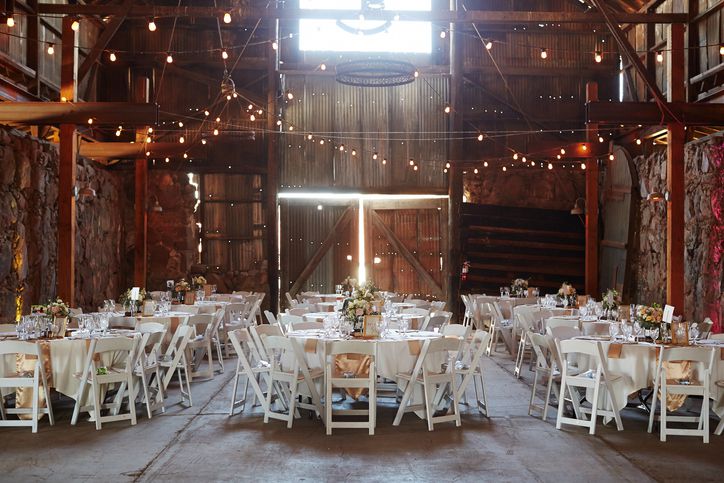
Since you’ll be hosting fewer guests, you can really play up the “wow” factor where it counts. Create an epic alter to exchange your vows with your new spouse, or make your centerpieces extra luxe since you’ll need fewer of them.
You could even splurge on fancy linens since you won’t need as many as a large, traditional wedding. Do what makes you happy to add some major impact with statement pieces like a stylish altar backdrop.
Learn more:
This article originally appeared on BudgetSavvyBride.com and was syndicated by MediaFeed.org.
tomtom022 / istockphoto
Featured Image Credit: Pexels / Pixabay.