

The COVID-19 pandemic has affected many aspects of Americans’ social and financial lives. Initial shelter-in-place mandates reduced mobility and resulted in enormous job loss that continues to cause hardship and impact the real estate and rental markets. Many consumers are searching for the best places to rent where they can find the greatest overall value.
For tenants who can work remotely, many haven’t renewed their leases for apartments in large cities. They’ve relocated to surrounding counties or smaller cities with the cheapest rent. As working from home becomes a new norm, getting an apartment with more space or more lavish amenities for the same or less rent is a welcome upgrade.
To determine which cities are the best and worst places to rent, we analyzed various affordability and apartment amenity data. Creating a ranking system, we gave cities with the cheapest rent and higher apartment quality higher scores than cities that are less favorable.
The study used data from the Department of Housing and Urban Development about cost-burdened renters, who pay more than 30% of their income for housing. The analysis included a rent-to-price ratio, comparing the median home value to the median annual rent; higher ratios indicate that renting is better than buying a home.
Image Credit: DepositPhotos.com.
Methodology
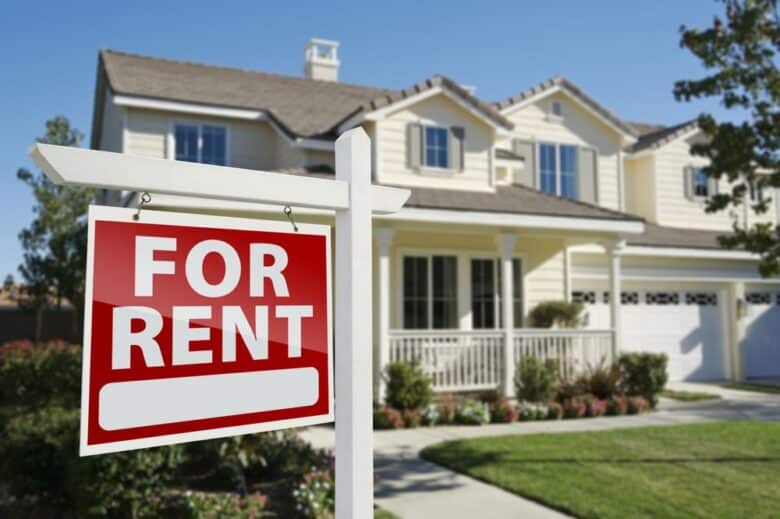
To determine which cities were the best and worst for renters, we looked at which cities had the best apartment quality and which cities were the most affordable for renters. We gave higher scores to cities that had higher apartment quality or were more affordable. Scoring was determined as follows:
Apartment quality — 30 points
- Percent of available units that have an in-unit washer, dryer and dishwasher — 10 points
- Percent of available pet-friendly rentals — 10 points
- Average size of a two-bedroom unit — 10 points
Affordability — 70 points
- Average rent for a two-bedroom — 20 points
- Percent of household income spent on rent on average — 10 points
- Year-over-year change in rent price — 10 points
- Share of cost-burdened renter households — 10 points
- Rent-to-price ratio — 10 points
- Regional price parity of goods — 5 points
- Regional price parity of services — 5 points
The percentage of available units that have an in-unit washer, dryer and dishwasher, and the percentage of available rentals that are pet friendly was calculated based on the available listings for each city in RentCafe that were labeled as having each factor.
The Department of Housing and Urban Development defines cost-burdened renter households as families who pay more than 30% of their income for housing.
The rent-to-price ratio was calculated based on the median home value versus the median annual rent. In general, higher ratios indicate that it’s better to rent, while lower ratios suggest buying a home.
The cost of living in each city was approximated based on the regional price parity of goods and services in each city. The analysis was conducted by Finder.com.
Image Credit: Depositphotos.
Top 5 cities that are best for renters

The following five cities had the highest scores for renters based on the factors listed. It’s not surprising that none are among the country’s largest cities.
Image Credit: DepositPhotos.com.
5. Virginia Beach, Virginia

Score: 61.2
- Percent of available rentals with a washer, dryer and dishwasher: 28.5%
- Percent of available pet-friendly rentals: 98.2%
- Apartment size, two bedroom: 1,029 square feet
- Average rent, two bedroom: $1,370
- Percent of household income spent on rent on average: 27.6%
- Historical rent price changes year over year: 8.7%
- Share of cost-burdened renter households: 43.1%
- Rent-to-price ratio: 16.3
- Regional price parity of goods: 96.4
- Regional price parity of services: 95.1
Image Credit: DenisTangneyJr.
4. Raleigh, North Carolina

Score: 61.7
- Percent of available rentals with a washer, dryer and dishwasher: 28.7%
- Percent of available pet-friendly rentals: 100%
- Apartment size, two bedroom: 1,063 square feet
- Average rent, two bedroom: $1,330
- Percent of household income spent on rent on average: 28.8%
- Historical rent price changes year over year: 9%
- Share of cost-burdened renter households: 47.2%
- Rent-to-price ratio: 18.9
- Regional price parity of goods: 96.6
- Regional price parity of services: 95.1
Image Credit: istockphoto/Mark Howard.
3. Columbus, Ohio

Score: 62.4
- Percent of available rentals with a washer, dryer and dishwasher: 13.1%
- Percent of available pet-friendly rentals: 93.8%
- Apartment size, two bedroom: 998 square feet
- Average rent, two bedroom: $1,080
- Percent of household income spent on rent on average: 26.8%
- Historical rent price changes year over year: 2.9%
- Share of cost-burdened renter households: 41.7%
- Rent-to-price ratio: 16
- Regional price parity of goods: 95.3
- Regional price parity of services: 91.3
Image Credit: Pixabay.com.
2. Louisville, Kentucky

Score: 62.8
- Percent of available rentals with a washer, dryer and dishwasher: 22.7%
- Percent of available pet-friendly rentals: 99.8%
- Apartment size, two bedroom: 1,004 square feet
- Average rent, two bedroom: $1,000
- Percent of household income spent on rent on average: 27.9%
- Historical rent price changes year over year: 4.2%
- Share of cost-burdened renter households: 44.6%
- Rent-to-price ratio: 15.3
- Regional price parity of goods: 96.6
- Regional price parity of services: 90.5
Image Credit: istockphoto/Sean Pavone.
1. Omaha, Nebraska

Score: 64.9
- Percent of available rentals with a washer, dryer and dishwasher: 11.8%
- Percent of available pet-friendly rentals: 100%
- Apartment size, two bedroom: 1,090 square feet
- Average rent, two bedroom: $1,100
- Percent of household income spent on rent on average: 28%
- Historical rent price changes year over year: 5.8%
- Share of cost-burdened renter households: 44.5%
- Rent-to-price ratio: 16.9
- Regional price parity of goods: 94.6
- Regional price parity of services: 92.2
Image Credit: Matt Bills / iStock.
Top 5 cities that are worst for renters
The following five cities had the lowest scores.
Image Credit: dcsliminky / istockphoto.
5. Philadelphia

Score: 43.8
- Percent of available rentals with a washer, dryer and dishwasher: 27.5%
- Percent of available pet-friendly rentals: 69.6%
- Apartment size, two bedroom: 980 square feet
- Average rent, two bedroom: $1,700
- Percent of household income spent on rent on average: 32.5%
- Historical rent price changes year over year: -1.2%
- Share of cost-burdened renter households: 54.7%
- Rent-to-price ratio: 14.6
- Regional price parity of goods: 100.1
- Regional price parity of services: 108.5
Image Credit: istockphoto/vichie81.
4. Sacramento, California

Score: 43.1
- Percent of available rentals with a washer, dryer and dishwasher: 13.1%
- Percent of available pet-friendly rentals: 93.8%
- Apartment size, two bedroom: 913 square feet
- Average rent, two bedroom: $1,860
- Percent of household income spent on rent on average: 31.6%
- Historical rent price changes year over year: 12%
- Share of cost-burdened renter households: 53%
- Rent-to-price ratio: 22.1
- Regional price parity of goods: 98.2
- Regional price parity of services: 102.2
Image Credit: DepositPhotos.com.
3. Los Angeles

Score: 39.8
- Percent of available rentals with a washer, dryer and dishwasher: 0%
- Percent of available pet-friendly rentals: 86.8%
- Apartment size, two bedroom: 1,030 square feet
- Average rent, two bedroom: $2,800
- Percent of household income spent on rent on average: 33.8%
- Historical rent price changes year over year: -5.7%
- Share of cost-burdened renter households: 57.2%
- Rent-to-price ratio: 27.7
- Regional price parity of goods: 105.7
- Regional price parity of services: 106.9
Image Credit: DepositPhotos.com.
2. Tucson, Arizona

Score: 38.6
- Percent of available rentals with a washer, dryer and dishwasher: 0%
- Percent of available pet-friendly rentals: 24.2%
- Apartment size, two bedroom: 906 square feet
- Average rent, two bedroom: $1,010
- Percent of household income spent on rent on average: 30.8%
- Historical rent price changes year over year: 12.2%
- Share of cost-burdened renter households: 52.2%
- Rent-to-price ratio: 17.1
- Regional price parity of goods: 93
- Regional price parity of services: 99.2
Image Credit: tonda / istockphoto.
1. Miami

Score 38.4
- Percent of available rentals with a washer, dryer and dishwasher: 27.6%
- Percent of available pet-friendly rentals: 99.8%
- Apartment size, two bedroom: 1,016 square feet
- Average rent, two bedroom: $2,360
- Percent of household income spent on rent on average: 35.6%
- Historical rent price changes year over year: 2.2%
- Share of cost-burdened renter households: 62.6%
- Rent-to-price ratio: 13
- Regional price parity of goods: 103.5
- Regional price parity of services: 105.8
Image Credit: espiegle/istockphoto.
Fast facts: How your city stacks up for renters

How does your city compare when it comes to finding the best places to rent?
- Cheapest rent in America: Renters in Akron, Ohio, pay an average of $750 for a two-bedroom apartment.
- Most expensive rent in America: Renters in San Francisco pay an average of $3,750 for a two-bedroom apartment.
- Cost burden: Renters in Miami have the highest number of households — 62.2% — paying more than 30% of their income for housing. While San Francisco has the highest rent, it ranks the least cost burdened due to the relatively high income of residents.
- Drops in rent: Analysis shows that Minneapolis had the greatest change in average rent from the previous year, a 19.4% drop.
- Pet friendly: Renters in Omaha enjoy the most pet-friendly housing, allowed by 100% of apartments on average.
Image Credit: DepositPhotos.com.
Tips when buying vs. renting a home

Choosing to buy a home versus renting is a decision that has to be weighed carefully. On the one hand, getting a mortgage to purchase a home can be a wise financial move. But on the other hand, renting can be an excellent way to build wealth depending on your situation and financial goals.
Some upsides of owning a home include:
- Building equity that you can cash out by refinancing your mortgage or selling your property
- Having price appreciation over time, depending on factors in your local market
- Cutting taxes by claiming allowable deductions for mortgage interest, points and property taxes — up to certain annual limits
- Avoiding up to $250,000 — or $500,000 for taxpayers filing jointly — of capital gains tax when selling a home after living in it for a period
- Paying historically low mortgage interest rates
When you rent, you don’t qualify for housing-related tax deductions. However, you may not have additional expenses that typically come with homeownership. The benefits of renting include:
- Not having to pay a sizable down payment or have as much income to buy a home
- Paying average rent in the U.S. is less per month than buying in some areas of the country, such as large cities
- Avoiding the expense and hassle of ongoing home maintenance and repairs
- Being protected from economic downturns, such as a recession or a real estate price bubble that pops
- Having the flexibility to relocate quickly for your family or work
Getting a mortgage is a significant financial commitment that must fit your lifestyle and financial goals, such as investing for retirement and paying off debt. Many economic and nonfinancial considerations may factor into your decision to buy or rent a home.
The bottom line is that if buying a home has more advantages, finding an affordable property in a city with cost-effective living expenses is key. However, if renting is more suitable for your lifestyle and budget, choosing a place to rent in one of the best cities on our list might lead to big savings.
Related:
This article originally appeared on Finder.com and was syndicated by MediaFeed.org.
Image Credit: Depositphotos.



