
Only people who grew up in 1963 can name all of these household objects
Humans create the objects they need for a specific purpose in a specific era. If an invention survives the passage of time, it holds an inherent quality that makes it fundamental to the most mundane parts of human life. Some objects prove irreplaceable. Others turn out to be completely useless.
What interests me is what gives an object that built-in quality in the first place. Nine things from 1963 follow, and some of them are still in your house.
A couple reached Britain or Germany first and crossed the Atlantic later. We say which.
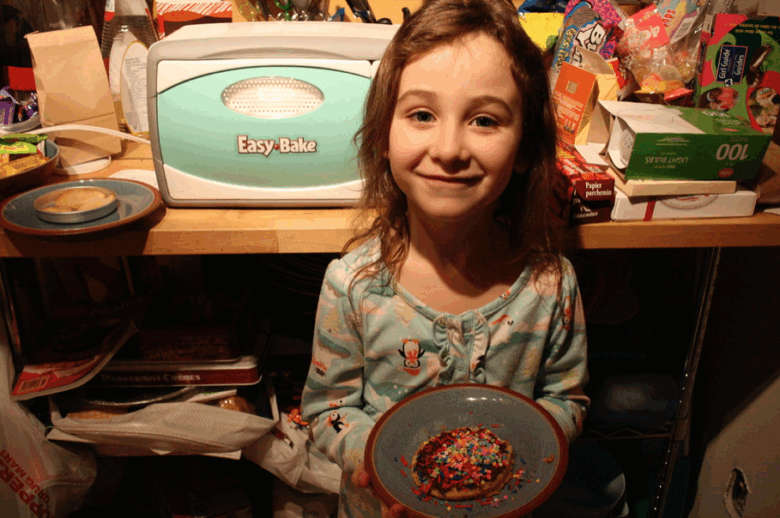
The Easy-Bake Oven
Kenner put it on shelves in November 1963 at $15.95, and two ordinary light bulbs did the cooking. Roughly 500,000 sold in the first year, according to a Smithsonian curator.

The lava lamp
Edward Craven Walker got the idea from a homemade egg timer bubbling away on a pub stove. His Astro lamp reached the British market in 1963. Americans waited: he sold the U.S. rights in 1965, and the buyers renamed it the Lava Lite.
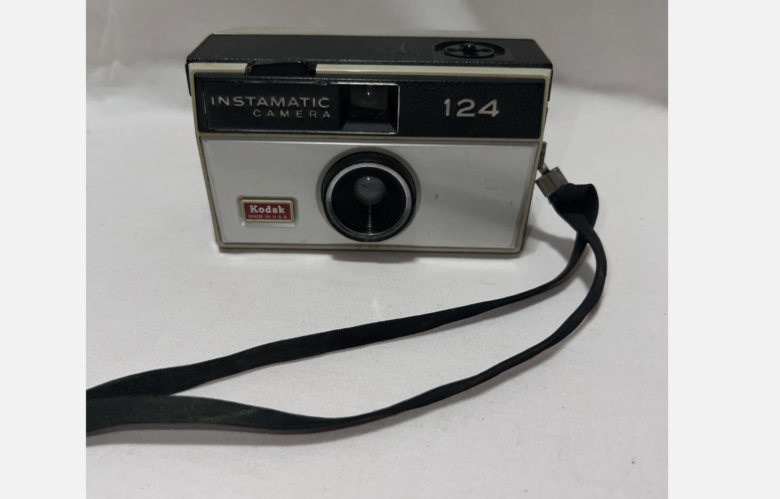
The Kodak Instamatic
No more threading film by hand. The Instamatic 50 went on sale in Britain in February 1963, and the range reached America about a month later at around $16. You loaded it by dropping in a cartridge, which was the entire selling point, and Kodak had moved 50 million of them by 1970.
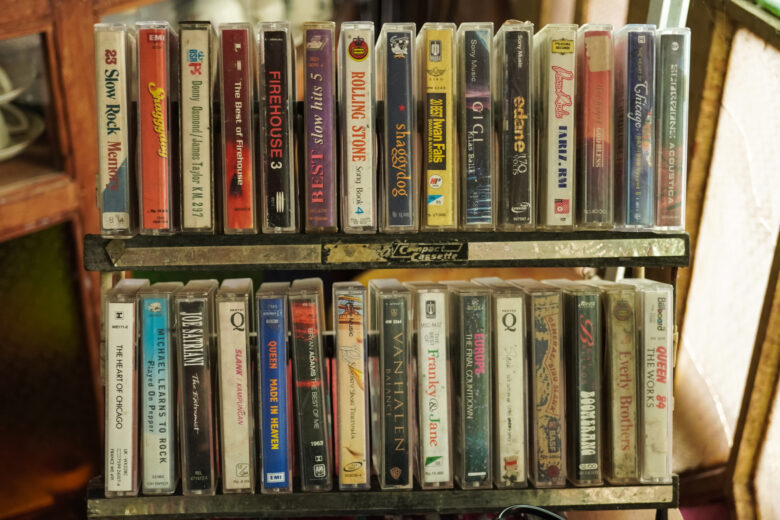
The compact cassette
Philips unveiled it at the Berlin Radio Show on August 30, 1963, along with a portable recorder, with engineer Lou Ottens leading the team. It was designed first for dictation and second for music. America got it in November 1964.
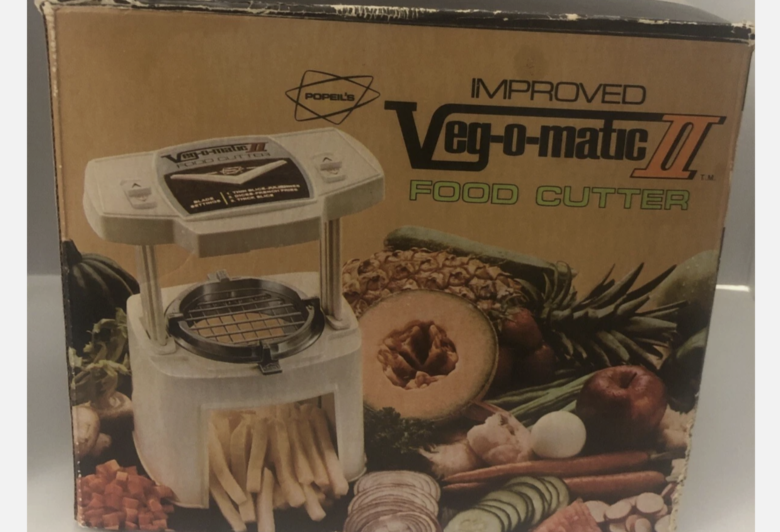
The Veg-O-Matic
Samuel Popeil’s chopper debuted in 1963 at the Housewares Show in Chicago, and the Smithsonian’s example dates to about that year and sold for $7.77. One detail worth keeping straight: his son Ron, who did the selling, always insisted he never said “It slices! It dices!”
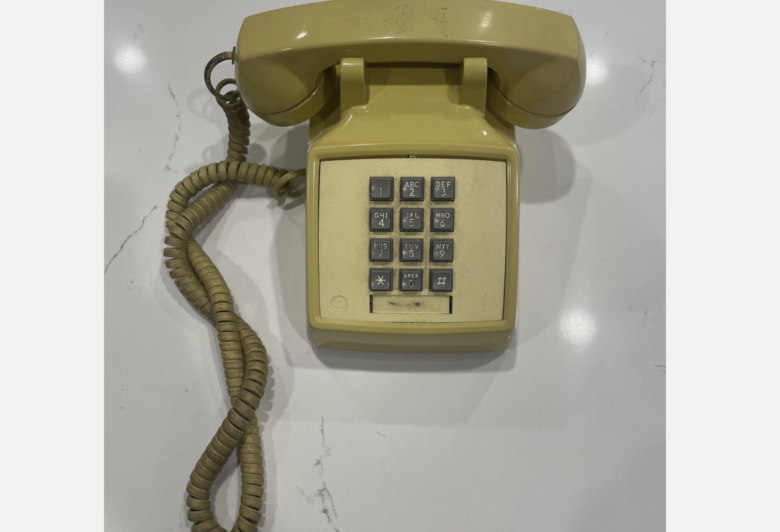
The Touch-Tone telephone
Ten buttons instead of a dial. Bell began offering the first push-button service on November 18, 1963, in Carnegie and Greensburg, Pennsylvania, using the Western Electric 1500. The star and pound keys didn’t arrive until 1968.
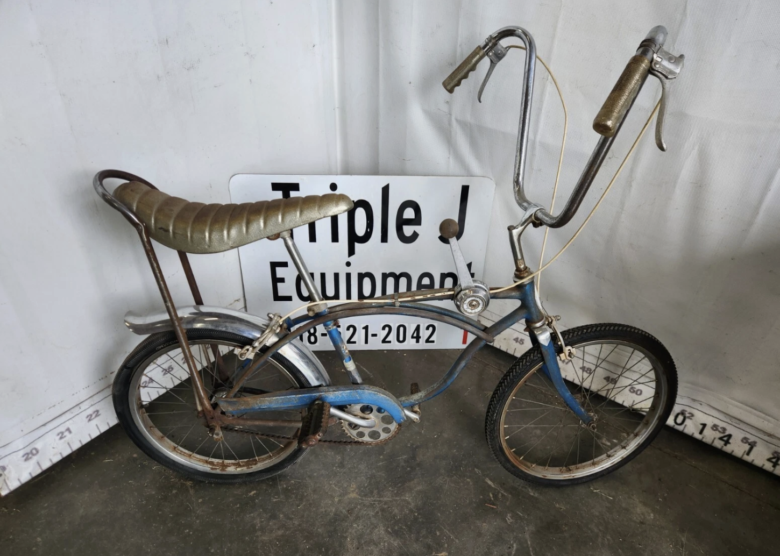
The Schwinn Sting-Ray
Designer Al Fritz had watched California kids bolting high handlebars and banana seats onto their own bikes, and the first production run came out in 1963. It is sold in colors called Flamboyant Lime and Radiant Coppertone, and the Smithsonian calls it an instant success.
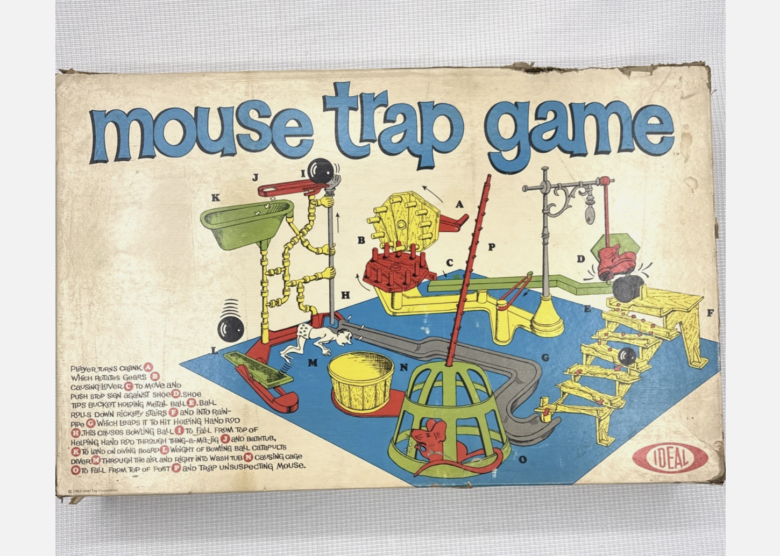
Mouse Trap
Milton Bradley passed on it, calling it a pile of plastic junk. Ideal showed it at the 1963 Toy Fair anyway and sold 1.2 million copies that year.
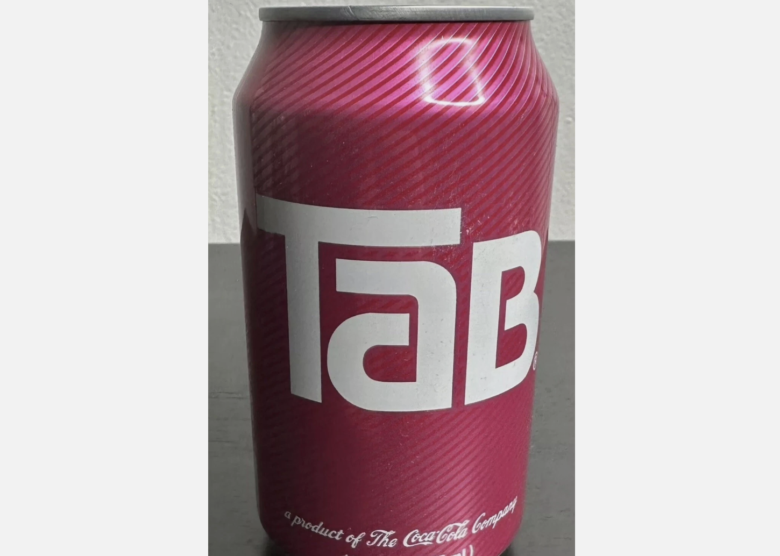
Tab
Coca-Cola’s first diet cola launched in 1963 and survived until 2020.
The bottom line
Philips showed the compact cassette on August 30, 1963, and Bell switched on Touch-Tone service on November 18. Kodak had sold 50 million Instamatics by 1970.
Ask us! What questions do you have about content, strategy, pop culture, lifestyle, wellness, history or more? We may use your question in an upcoming article!
Related:
- Household rules from the ’40s that sound unbelievable now
- 8 places and discoveries where exploration has limits
Like MediaFeed’s content? Be sure to follow us.
This article was syndicated by MediaFeed.co.