Everyday words from the ’90s that mean something totally different now
A catfish was a fish. A cloud was weather. A troll lived under a bridge in a children’s story, and spam came in a tin.
Words shift because a specific faction of society needs them to accomplish a mission.
Thirty years ago, that faction sat at dial-up modems, typing into message boards, chat rooms, and Usenet groups. Eight words follow, and what became of each one.

Troll
The original is a fishing technique. To troll is to drag a baited line slowly behind a moving boat, and the internet sense came out of Usenet in the early 1990s, from the phrase “trolling for newbies” in the group alt.folklore.urban. Veterans would post a tired old question and see who took the bait.
Then something interesting happened. The Norse monster under the bridge took over the term. By the late 1990s, most users understood a troll as a creature rather than a method, and the fishing etymology was largely forgotten. The warning “don’t feed the trolls,” though, is pure fishing logic.

Spam
Hormel released the canned meat in 1937. Monty Python’s Flying Circus built a sketch around it in 1970, set in a café where every item on the menu contains Spam and a chorus of Vikings drowns out the dialogue by singing the word over and over.
Many early chat-room users were Python fans, and they borrowed the word for anyone flooding a channel with repeated nonsense. In the 1980s, online advertisers tried to reclaim it as an acronym for “Sales Promotion And Marketing.” It didn’t take.

Cloud
In 1996, a cloud was weather. The word had floated around computing for years, and both Compaq and a company called NetCentric used it that year, but it entered ordinary speech on August 9, 2006, when Google’s Eric Schmidt told an industry conference that data should live “in a cloud somewhere.”

Stream
A narrow river. The verb is older than people assume, going back to systems that sent continuous audio over electrical lines in the 1920s, which is where elevator music comes from.
Tech experts began experimenting with streaming as an alternative to downloading in the 1990s, but it stayed impractical until high-speed internet arrived in the early 2000s.

Tweet
A bird noise, and nothing else, for the whole of the 1990s.
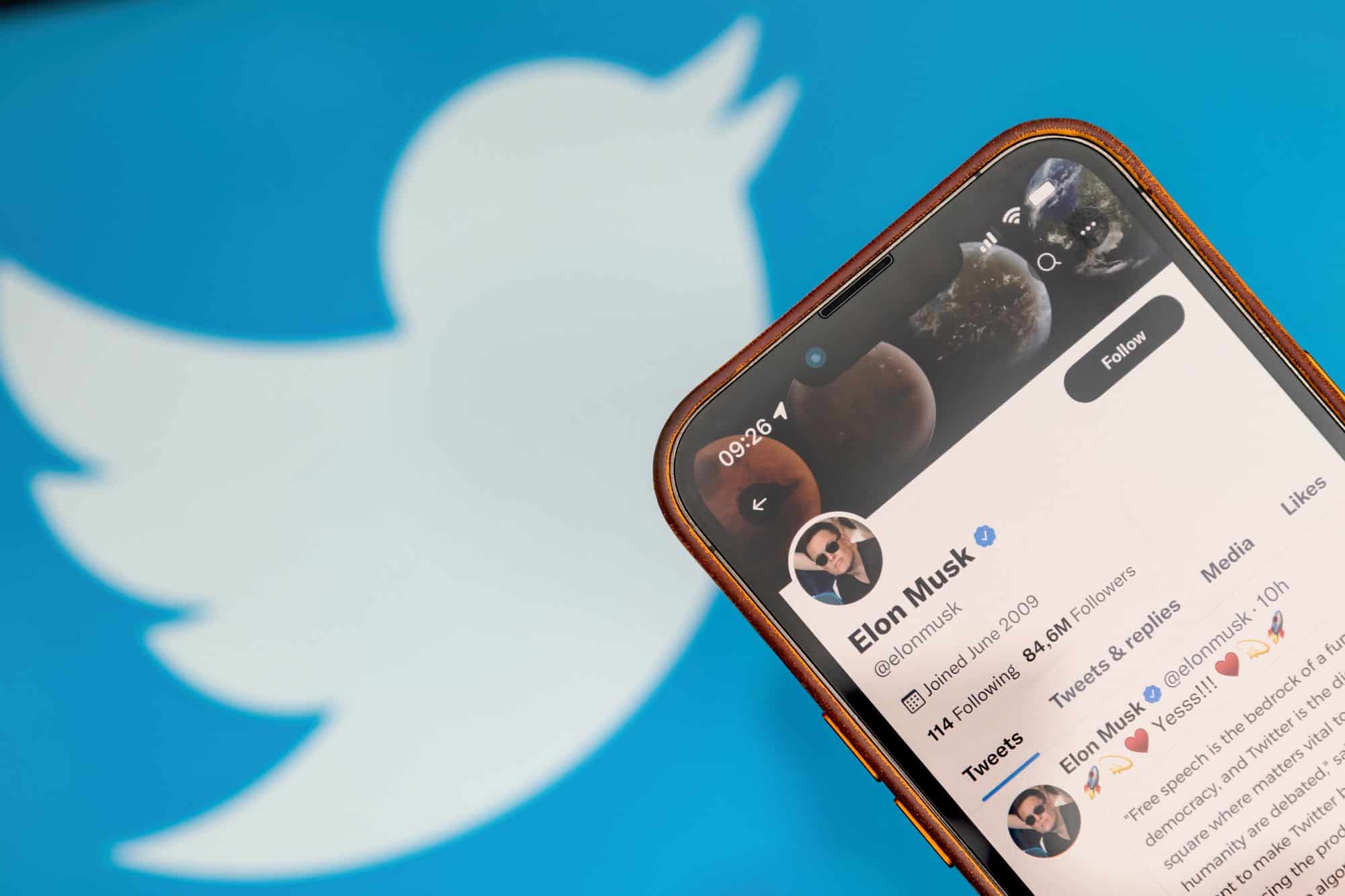
Twitter launched in July 2006 and called the activity “twittering.” A developer named Blaine Cook suggested “tweet” instead; a third-party app adopted it, and Twitter itself didn’t officially adopt the word until June 2008. The users got there first, and the company followed, which is how most of this works.

Hashtag
There was no such word. The symbol was the pound sign, or the number sign, as in “#1 Mum.”

Catfish
A bottom-dwelling fish until 2010, when a documentary called Catfish followed Nev Schulman’s discovery that the woman he’d been talking to online was somebody else entirely. The title came from a story told in the film by a man named Vince Pierce, about keeping cod lively in tanks during shipping. The meaning the film gave the word became the standard one, and an MTV series cemented it.

Ghost
A spirit. Now a verb for ending a relationship by silence, and the shift says something about the medium: you can only ghost somebody in a world where not replying is itself a message.
The bottom line
“Troll” came out of Usenet in the early 1990s from a fishing phrase, and “spam” came out of a 1970 Monty Python sketch. “Cloud” entered general use on August 9, 2006, and Twitter didn’t adopt “tweet” until June 2008.
Ask us! What questions do you have about content, strategy, pop culture, lifestyle, wellness, history or more? We may use your question in an upcoming article!
Related:
- 10 slang words from the ’70s that need to make a comeback ASAP
- Some of the most surprising record deals in music history
Like MediaFeed’s content? Be sure to follow us.
This article was syndicated by MediaFeed.co.