Expensive items from 1995 that have lost almost all their value
Some companies spend heavily to launch a new product, hoping it will pay off. But sometimes these bets don’t land as expected, and some objects go unnoticed. Or, worse, no one remembers them, and they slip into oblivion.
Samuel West, a psychologist, runs a Museum of Failure in Sweden, and he’s made a career of this idea. He says 80 to 90 percent of innovation projects fail, and “you never read about them.” When visitors see big brands stumble, he says, they feel liberated. Six items follow that people paid real money for in the 1990s and can barely sell now. Where we found no price, we say so.
Beanie Babies
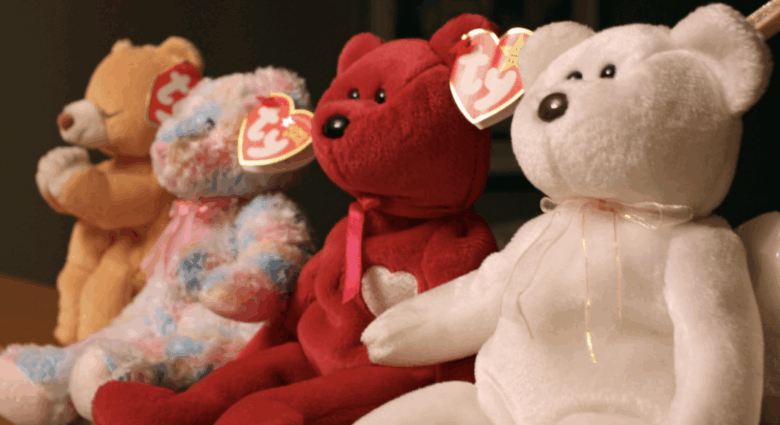
Ty’s bet was scarcity, and it worked for a while. In June 1995, a Beanie Baby called Peanut the Royal Blue Elephant cost $5.95. By March 1999, it was fetching $4,500. Then the company announced that every Beanie Baby would be retired. Collectors flooded the market with their hoards. A bear called Stripes listed at $250 in 1998, and a later estimate put it at $10. The retirement fund retired first.
Britannica
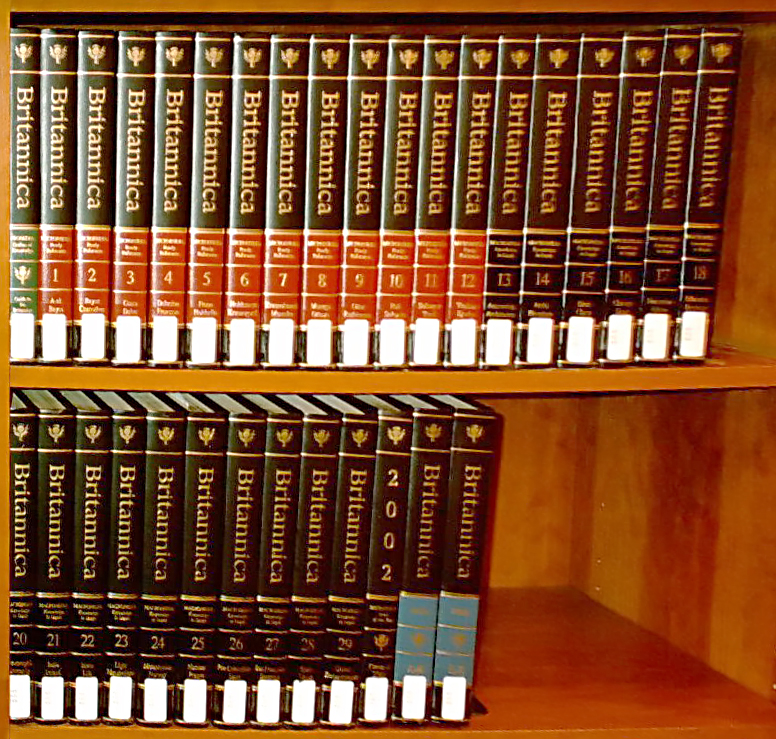
Britannica bet on the printed set, and for decades it paid. Sales peaked in 1990, when 120,000 sold in the U.S. By 1996, after Encarta arrived on CD-ROM, that had fallen to 40,000. The last print edition weighed 129 pounds, cost $1,395, and sold only 8,000. When the company announced the end of print, it sold nearly all remaining sets within weeks. Its best launch in years was the funeral.
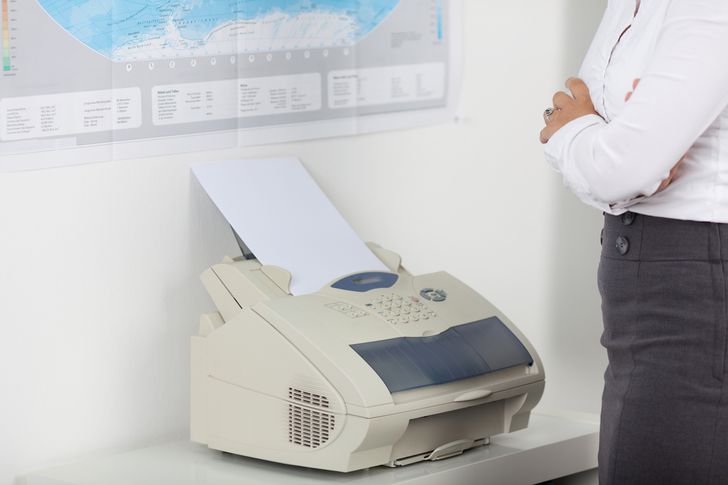
Fax machines
Nobody lost money launching the fax. They lost it holding on. Prices had already fallen by a factor of thirty between 1980 and 1992, so a machine in 1995 wasn’t a luxury. Stand-alone fax sales peaked at 3.6 million in 1997. A Konica product manager recalled consultants saying the fax was going the way of the horse and buggy. They were right, eventually. Secondhand units are now valueless e-waste.
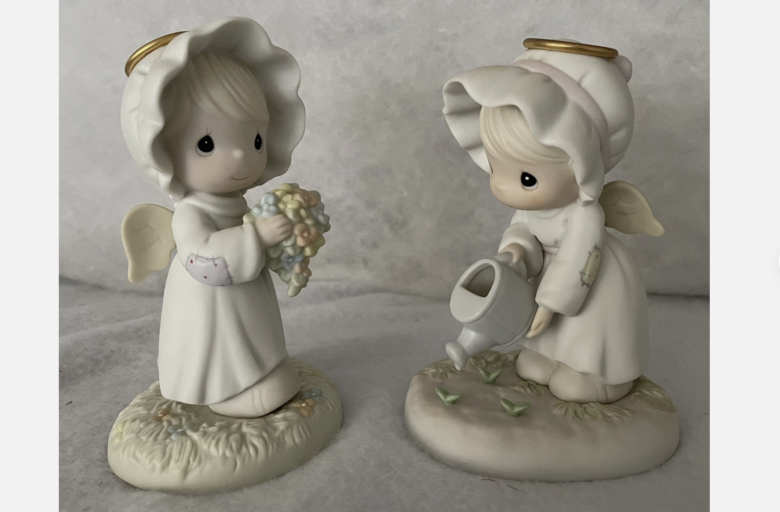
Hummels and Precious Moments
Enesco’s bet was volume. It launched Precious Moments in 1978; demand was high, and the company made more. Then, Kovels says, “too many different figurines were made,” and the market crashed. Hummels go back to 1935, and many are now considered kitsch. Without the original box, they’re worth little. Plenty of buyers still love them. Love isn’t the problem. Supply is.
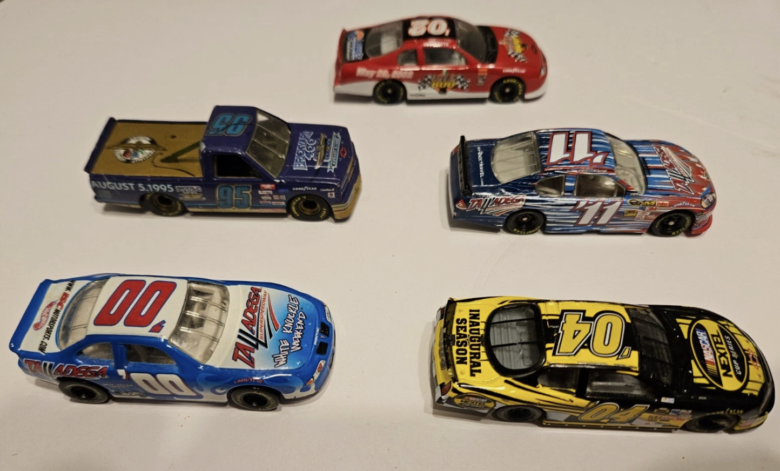
NASCAR die-cast cars
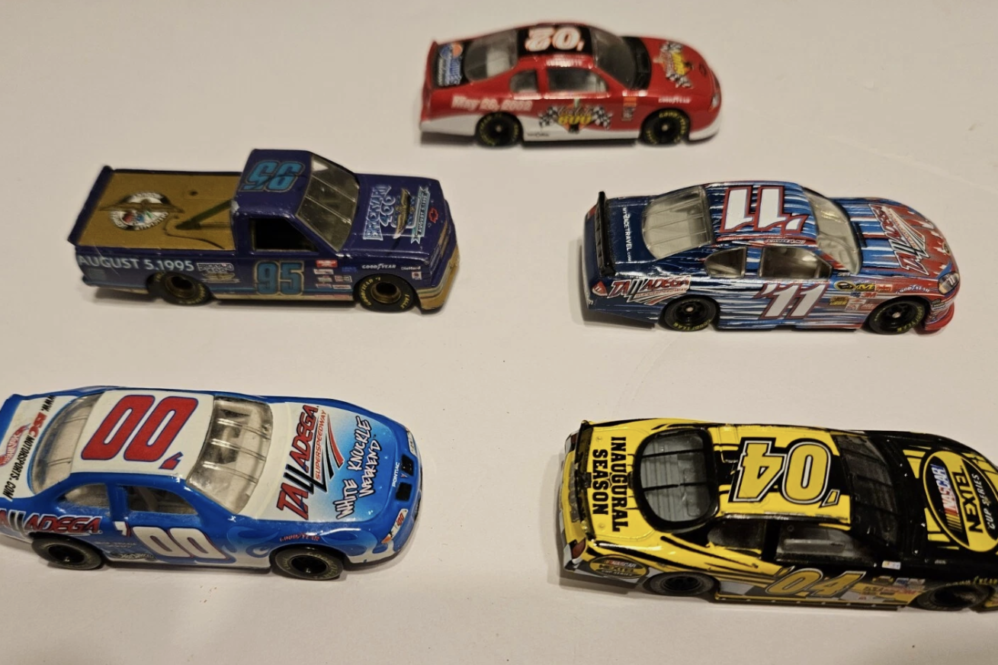
Action Performance bet that collectors would buy every version. Instead of one Jeff Gordon #24 car in one paint scheme, it put out four or five. In May 2005, its stock fell 21 percent in a single day after it posted a loss and suspended its dividend. The collectors ran out of room before Action ran out of paint.
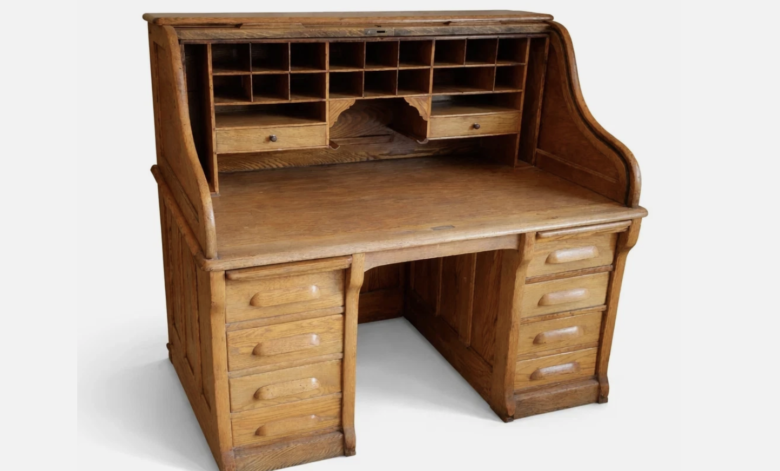
Heavy honey oak
Furniture makers bet the 1990s would stay honey. Now secondhand honey oak, hutches especially, turns up as thrift store finds that nobody is fighting over. Designers say the color is trending again, for kitchen cabinets. The cabinets came back. The hutch is still waiting.
The bottom line
Britannica sold 120,000 print sets in 1990 and 40,000 in 1996. A Beanie Baby named Peanut cost $5.95 in June 1995 and sold for $4,500 in March 1999.
Ask us! What questions do you have about content, strategy, pop culture, lifestyle, wellness, history or more? We may use your question in an upcoming article!
Related:
- Household rules from the ’40s that sound unbelievable now
- 8 places and discoveries where exploration has limits
Like MediaFeed’s content? Be sure to follow us