Forgotten bathroom items every family used in 1996
In February 1997, a Michigan congressman stood up in the House and introduced a bill to repeal the 1.6-gallon toilet. Rep. Joe Knollenberg was answering constituents’ complaints about backed-up toilets, the Spokesman-Review reported.
That was the bathroom of 1996. Toilets that sometimes needed two tries, soaps nobody was allowed to touch, and a counter full of things sold to teenagers at the mall.
Twelve items follow, from a toilet the law required to a book you read on one. Some came from Congress. Some came from the food court.
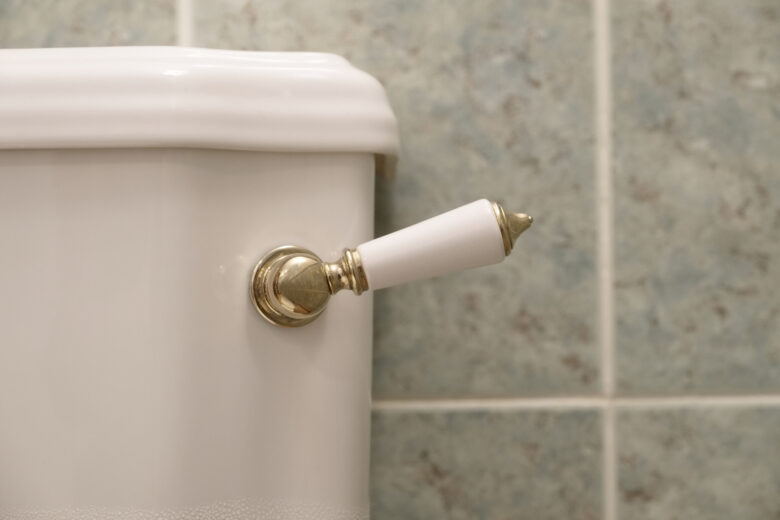
The 1.6-gallon toilet and the 2.5-gallon showerhead
Since 1994, new toilets sold in the U.S. can’t use more than 1.6 gallons per flush, and showerheads can’t spray more than 2.5 gallons per minute, the Alliance to Save Energy notes. Toilets installed before then used an average of 3.5 gallons per flush.
The early models earned a reputation. In a 1997 survey by the trade magazine PM, the top complaints were stoppages and multiple flushes, cited by 47 percent and 37 percent of respondents. Knollenberg said the rules had created a black market for the old 3.5-gallon models. Older showerheads ran about 4.5 gallons a minute, so you felt the difference in the first week.
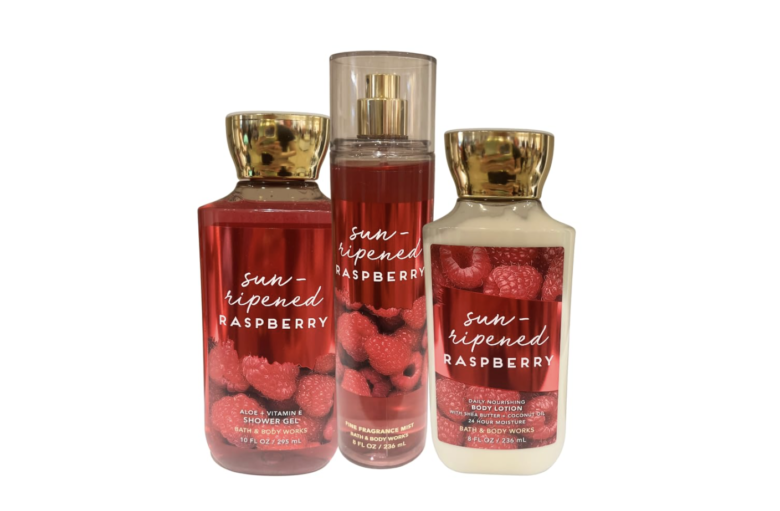
Sun-Ripened Raspberry
Bath & Body Works launched it in 1996. Country Apple followed in 1997, and Cucumber Melon in 1998.
So if your 1996 bathroom smelled like a mall, this is the one.
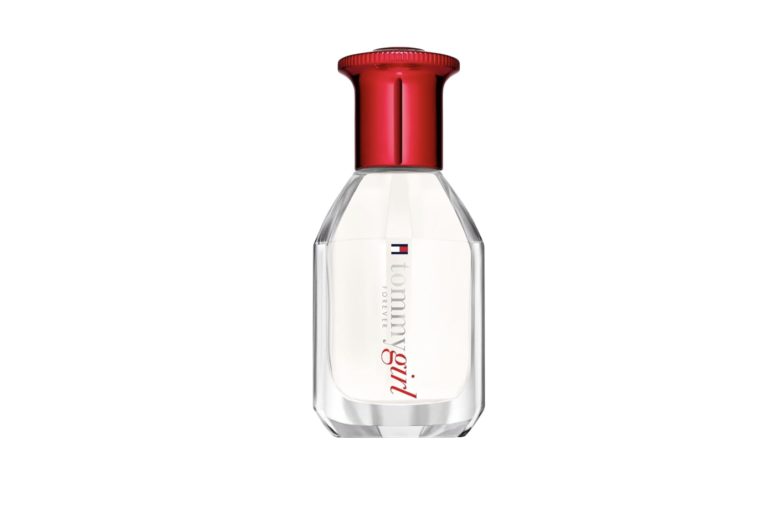
Tommy Girl
Tommy Hilfiger’s first fragrance for women came out in 1996, created by perfumer Calice Becker. That same year, Hilfiger returned to womenswear with a London Fashion Week show where Naomi Campbell and Kate Moss danced down the runway. Marie Claire called Tommy Girl an instant icon.
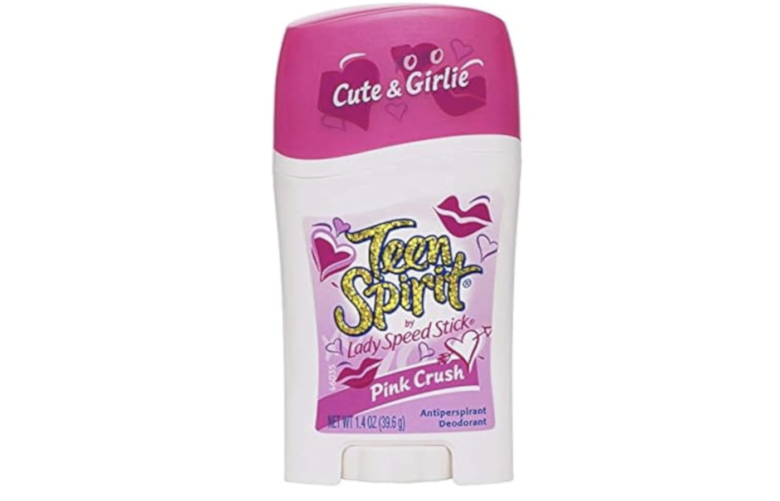
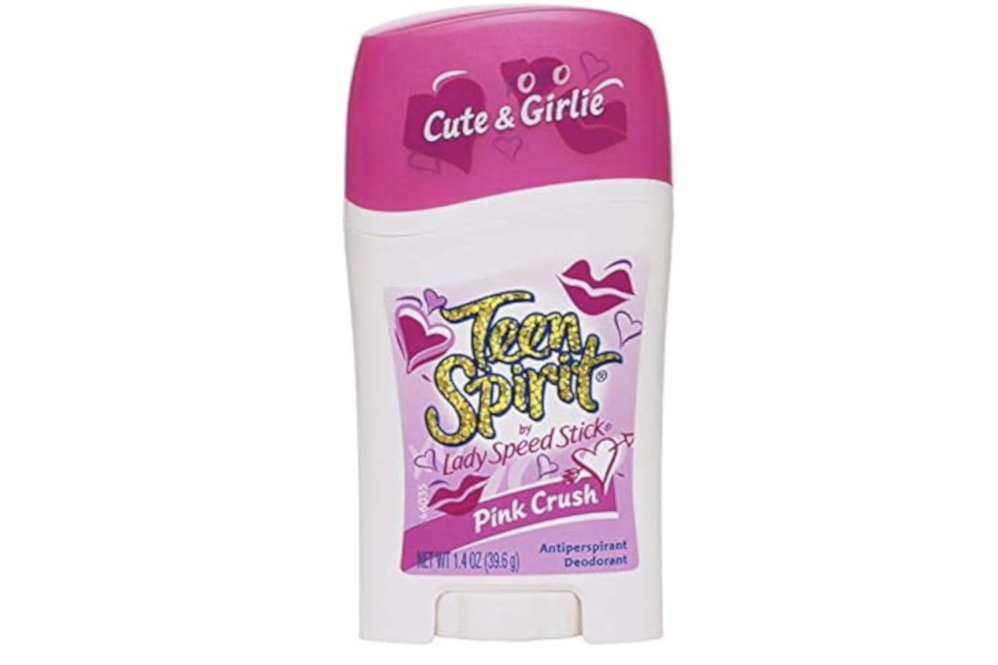
Teen Spirit deodorant
Mennen released it in 1991, so it was five years old by 1996. A stick sold to teenage girls.
It’s also why a famous song has its title. Bikini Kill’s Kathleen Hanna wrote “Kurt smells like Teen Spirit” on Kurt Cobain’s wall, and he didn’t know it was a deodorant until after the album came out.
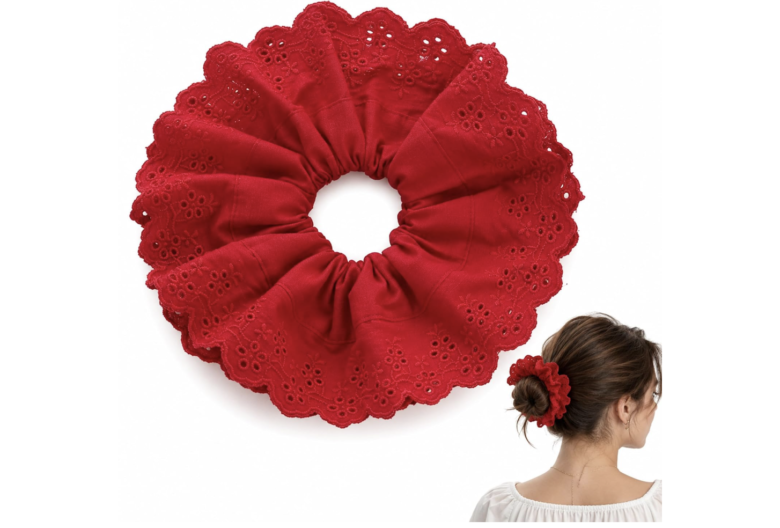
The scrunchie
Rommy Hunt Revson was granted her patent in September 1987. She named it the Scunci, after her toy poodle. Her prototype and the sewing machine she used are in the Smithsonian.
By 1996, it lived on the faucet handle.
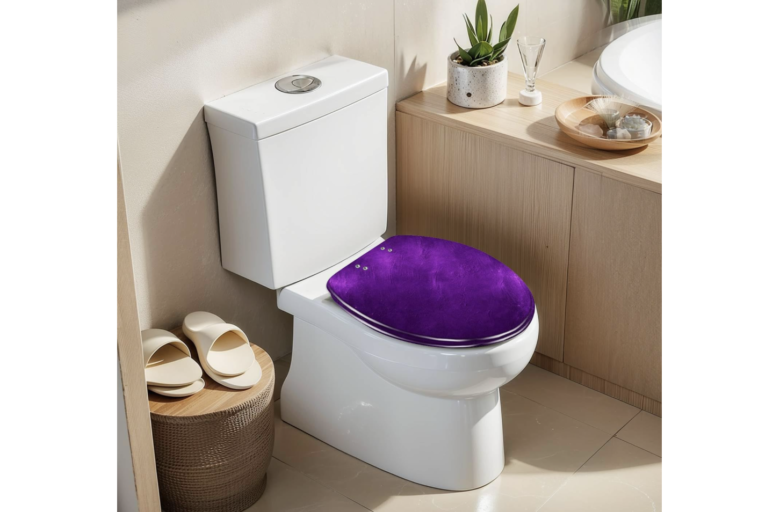
A mauve toilet
Kohler added Antique Rose in what Retro Renovation calls the “mauve crazy” mid-1990s. Vapor Pink followed for a short while, and then Kohler dropped pink from its lineup entirely.
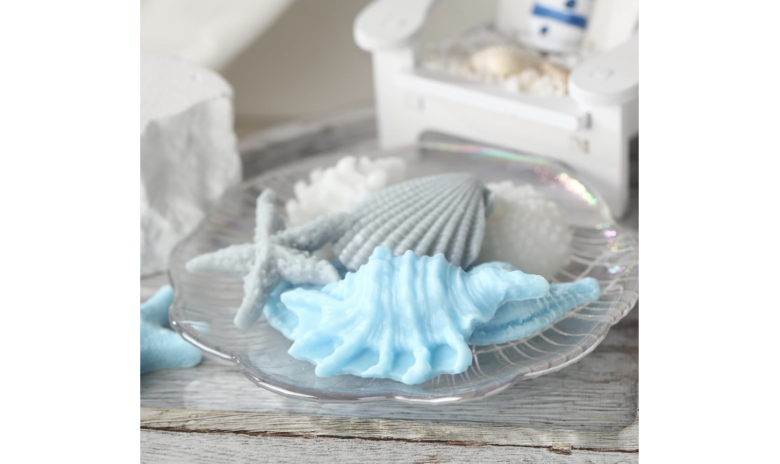
Seashell soaps and potpourri
Nobody was supposed to use them. A BuzzFeed list of ’90s home things includes the decorative seashell guest soaps that sat in the guest bathroom, untouched, under a layer of dust.
Beside them sat the potpourri. Mothers and grandmothers put bowls of dried flowers, fruit, and cinnamon sticks on shelves from the mid-1980s through the ’90s. The lazy version came in a can. Glade sold a potpourri spray in scents like Cinnamon Sticks and Mountain Heather.
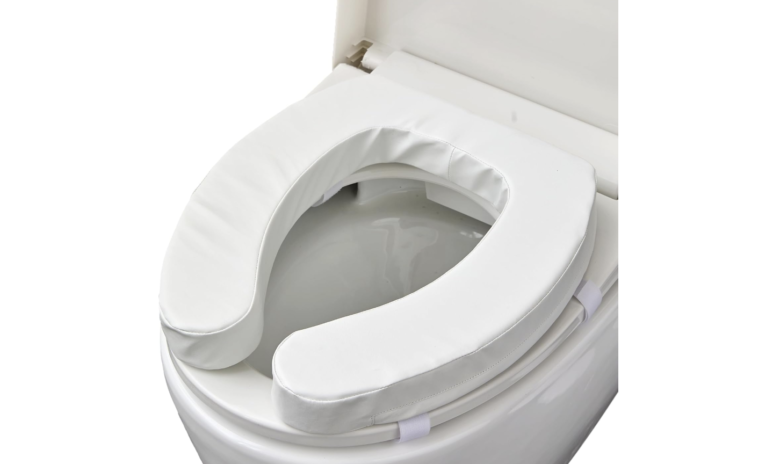
The padded toilet seat
The soft seat that sighed when you sat down. Patents for cushioned toilet seats go back to 1955, with a refined foam version patented in 1972. For one writer’s uncle, it was the “in” thing in the early ’90s.
The fuzzy carpeted covers were on their way out. They peaked in the ’60s and ’70s, and a period-design expert told MEL the trend started to die out in the ’80s.
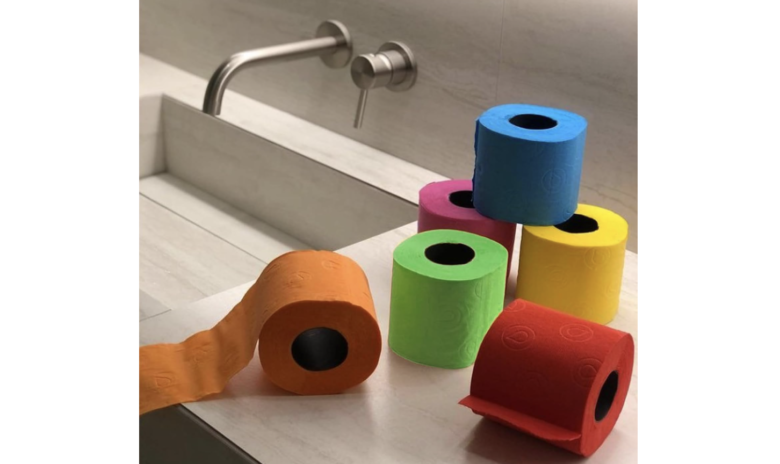
Colored toilet paper
Most brands pulled their colored rolls beginning in the mid-1980s, as doctors warned about dyes and environmental concerns grew. Scott held on and kept making colored toilet paper until 2004.
So in 1996, you could still find pink. You just had to look.
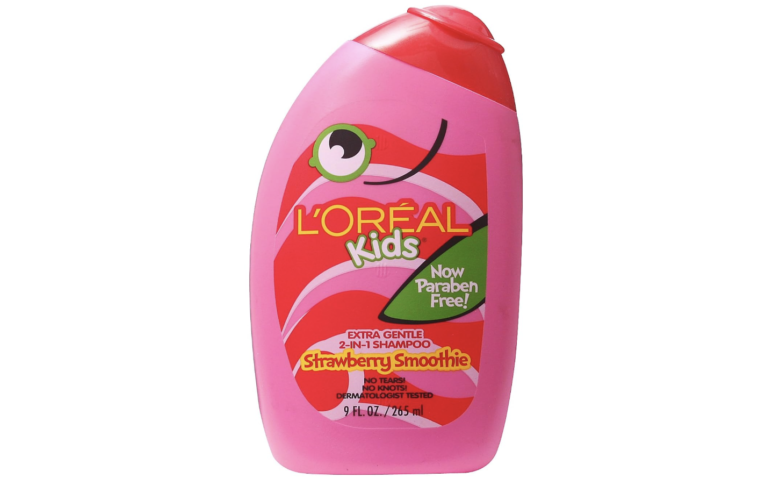
L’Oréal Kids shampoo
The fish-shaped bottle was a ’90s icon. L’Oréal’s own throwback recalls the ads, with kids running around “Camp L’Oréal” and bottles diving out of piles of fruit. It promised “no tears, no knots,” Mental Floss notes.
“No More Tears” belongs to Johnson’s, which has used it since 1953. The budget shelf was Suave and White Rain. Click Americana’s gallery shows White Rain Essentials ads from 1993 and Suave ads from 1996.
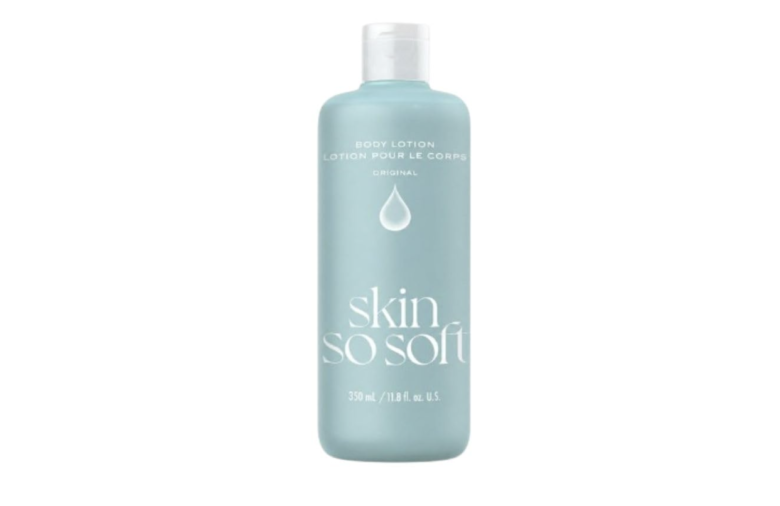
Avon Skin So Soft
The bath oil with a second career. For decades, the rumor held that it kept mosquitoes away. A 1993 Consumer Reports analysis found it ineffective. In 1994, Avon added a non-DEET repellent and a sunscreen and sold the result as Skin So Soft Bug Guard.
A 2002 study found the bath oil itself protected for 9.6 minutes on average.
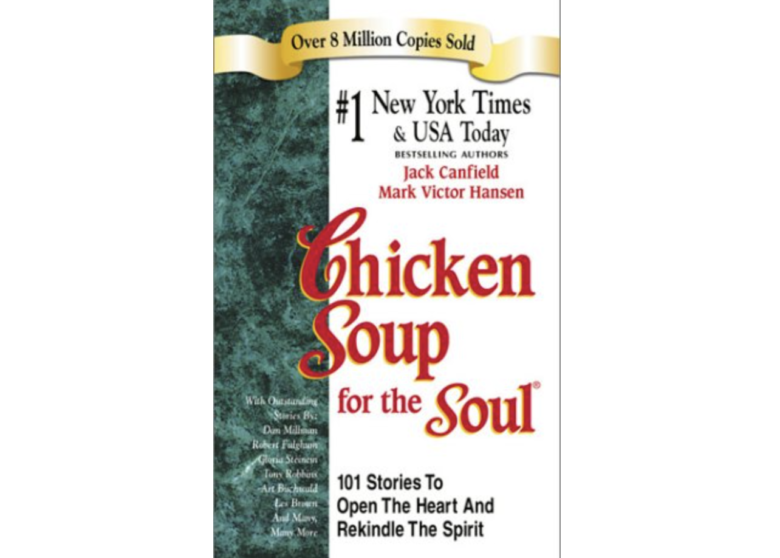
Chicken Soup for the Soul
A small Florida publisher took the book in 1993 and figured it might sell 20,000 copies. Seven million copies later, the authors were living happily ever after, TIME reported. The magazine noted many readers kept it in the bathroom, and that women bought 85 to 90 percent of the books.
Its neighbor on the tank was Uncle John’s Bathroom Reader. The first one came out in 1988, a collection of short articles built for a sitting.
The bottom line
The Energy Policy Act cut toilets to 1.6 gallons per flush on January 1, 1994. Avon added Bug Guard to its Skin So Soft line in 1994, after a 1993 Consumer Reports analysis found the bath oil ineffective.
Ask us! What questions do you have about content, strategy, pop culture, lifestyle, wellness, history or more? We may use your question in an upcoming article!
Related:
- Household rules from the ’40s that sound unbelievable now
- 8 places and discoveries where exploration has limits
Like MediaFeed’s content? Be sure to follow us.
This article was syndicated by MediaFeed.co.