The most controversial song the year you were born: Gen Z edition
Generation Z was born between 1997 and 2012 into a music landscape shaped by forces no earlier generation faced. YouTube and social media could turn a banned song into a global event overnight.
One song per year. One generation’s worth of things someone decided the public should not hear.

Born in 1997: “Barbie girl” by Aqua
Mattel sued MCA Records, claiming the song turned Barbie into a sensual object and led consumers to believe the toy company had endorsed it. According to Ranker, the lawsuit became one of the most publicized copyright disputes in pop music history. The Tenth Circuit Court of Appeals eventually ruled in favor of Aqua, finding the song was protected as a parody.
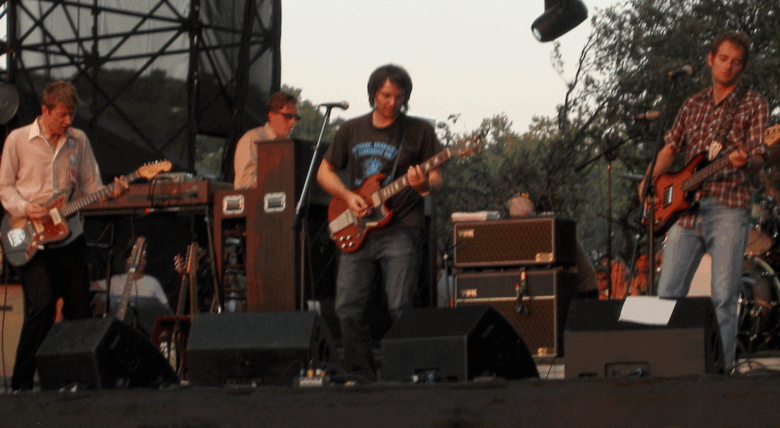
Born in 1998: “Eisler on the go” by Billy Bragg and Wilco
Stacker documents this Woody Guthrie lyric set to music, celebrated lifelong communist Hanns Eisler, making mainstream radio deeply uncomfortable.

Born in 1999: “Goodbye Earl” by The Dixie Chicks
Written by Dennis Linde, the song follows two former best friends who murder an abusive husband. When it broke, Stacker confirms numerous stations refused to play it for its comedic treatment of domestic abuse.
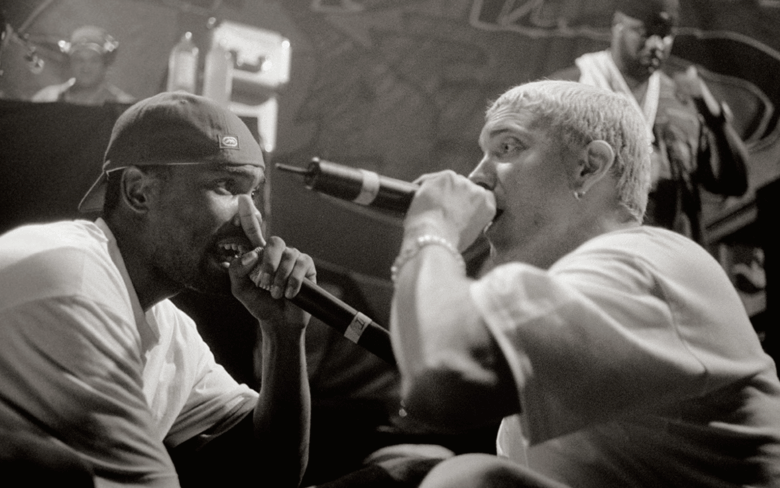
Born in 2000: “Kim” by Eminem
Eminem’s raw, violent depiction of murdering his then-wife Kim Scott was considered too extreme to receive any significant radio play. Kim Scott later sued over its existence. Ranker notes it was widely cited as one of the most disturbing recordings ever released on a major label.
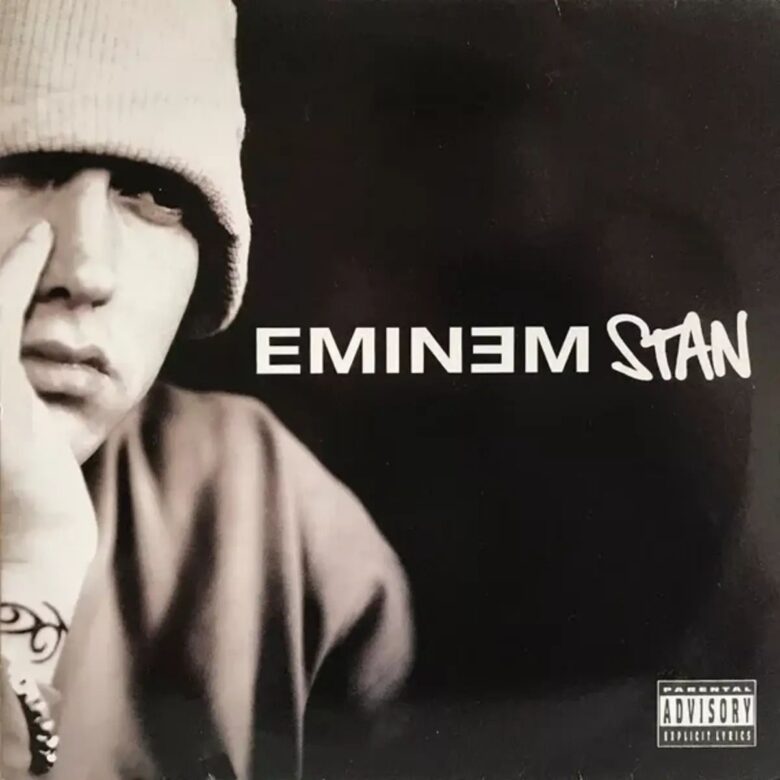
Born in 2001: “Stan” by Eminem featuring Dido
“Stan” introduced a word for obsessive fan behavior into the English language, which is not what made it controversial. Stacker documents that it drew criticism for depicting a fan who murders his pregnant girlfriend. The word “stan” has since entered Merriam-Webster.
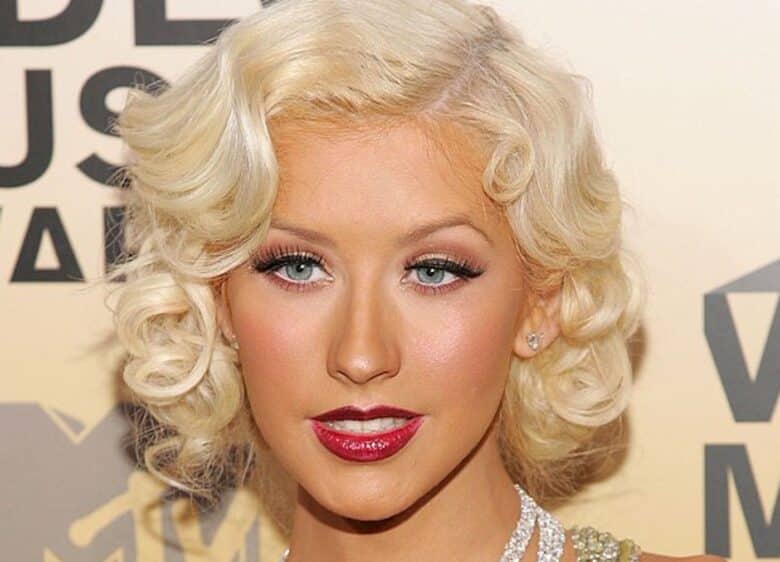
Born in 2002: “Dirrty” by Christina Aguilera featuring Redman
Christina Aguilera’s deliberate reinvention away from her pop-princess image produced a music video that MTV placed in late-night rotation only. Ranker notes it drew condemnation from parent groups. Aguilera said the controversy was the point.
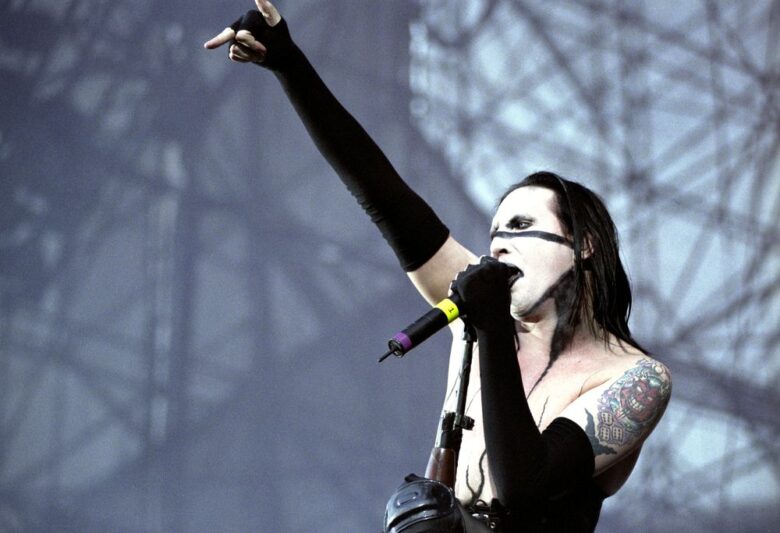
Born in 2003: “mOBSCENE” by Marilyn Manson
Manson’s own label banned the video before it generated any public backlash.
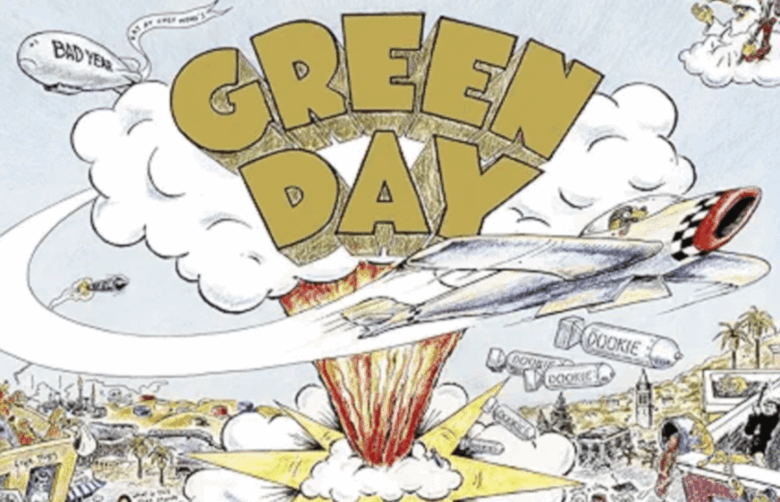
Born in 2004: “American idiot” by Green Day
Conservative stations refused to play it for its post-9/11 critique of media manipulation, Ranker documents. Green Day said someone had to say it.
The Dark Lord of Wiki / Wikimedia Commons
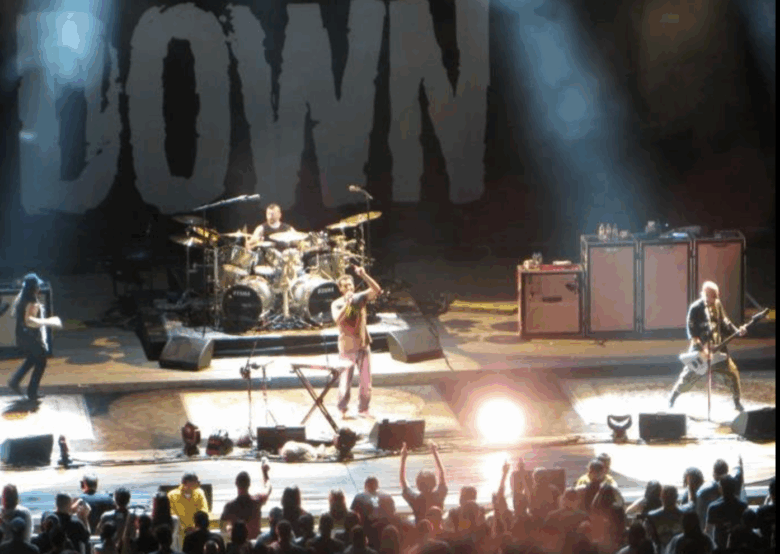
Born in 2005: “B.Y.O.B.” by System of a Down
Two years into the Iraq War, Stacker confirms it asked why politicians who start wars never fight them. It won a Grammy. Several broadcasters still declined to play it.
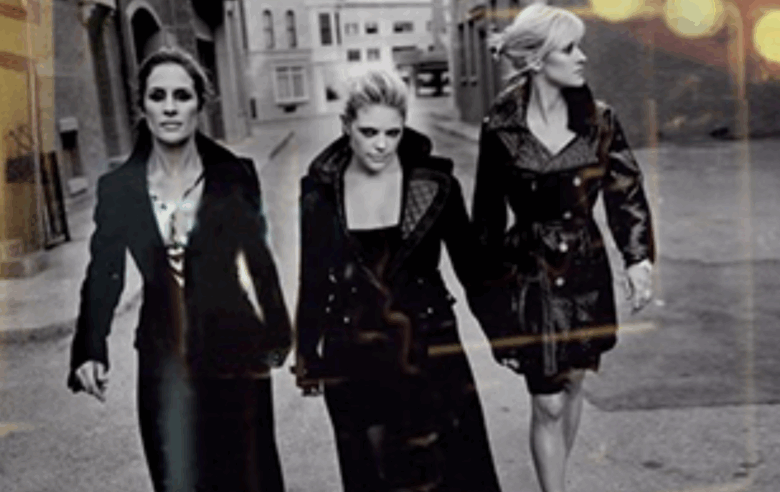
Born in 2006: “Not ready to make nice” by The Chicks
When Natalie Maines made critical remarks about George W. Bush in 2003, the backlash nearly ended the band. Stacker documents that their unapologetic comeback generated a second wave of country bans. It won five Grammys, including Song of the Year.
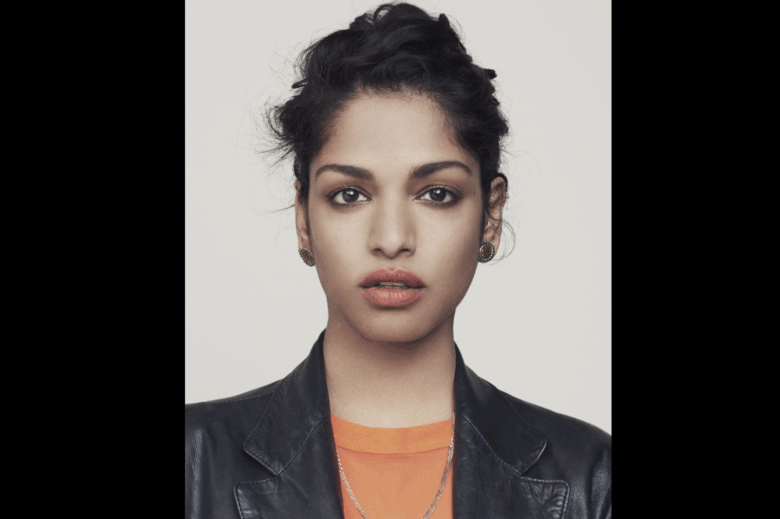
Born in 2007: “Paper planes” by M.I.A.
According to Stacker, MTV and radio muted the gunshot sounds during airplay. It was still the track that brought M.I.A. international attention.
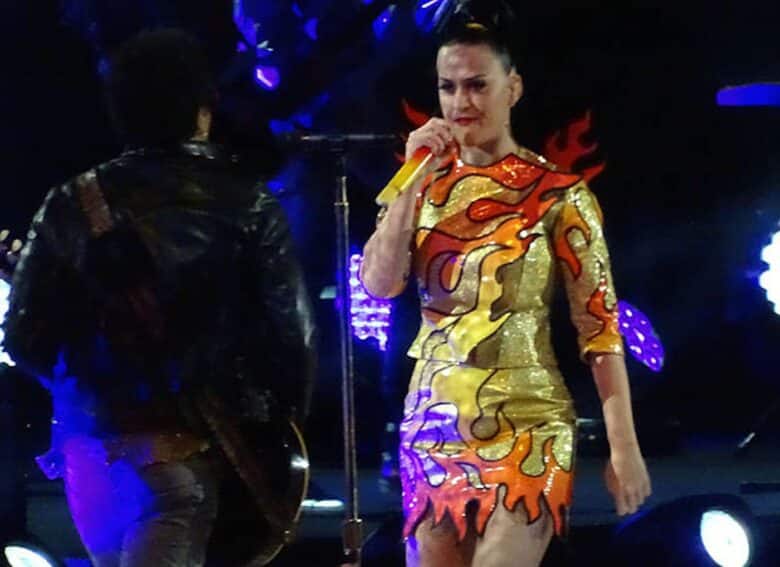
Born in 2008: “I kissed a girl” by Katy Perry
Katy Perry launched her pop career by leaving her Christian music background behind. Stacker highlights it was Perry’s appropriation of gay culture that drew the most criticism. The debate about whose stories pop has the right to tell was forming.
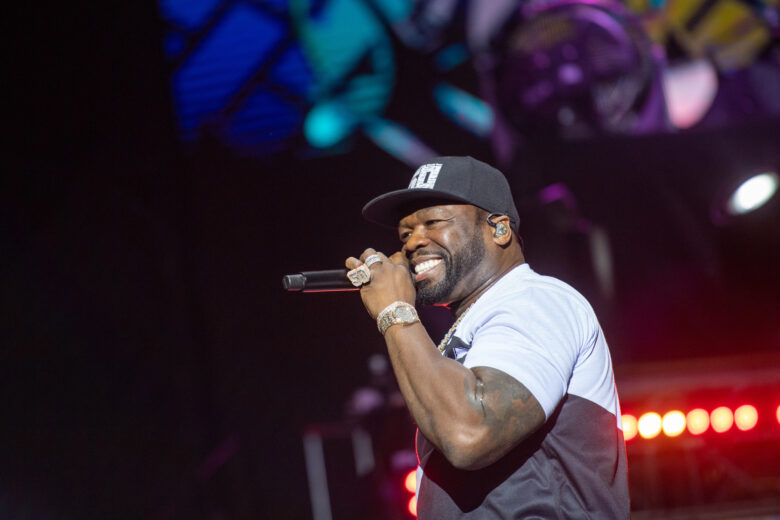
Born in 2009: “Crack a bottle” by Eminem, Dr. Dre and 50 Cent
It debuted at number one with minimal radio play, Ranker notes, illustrating how completely the internet had changed the relationship between controversy and sales.
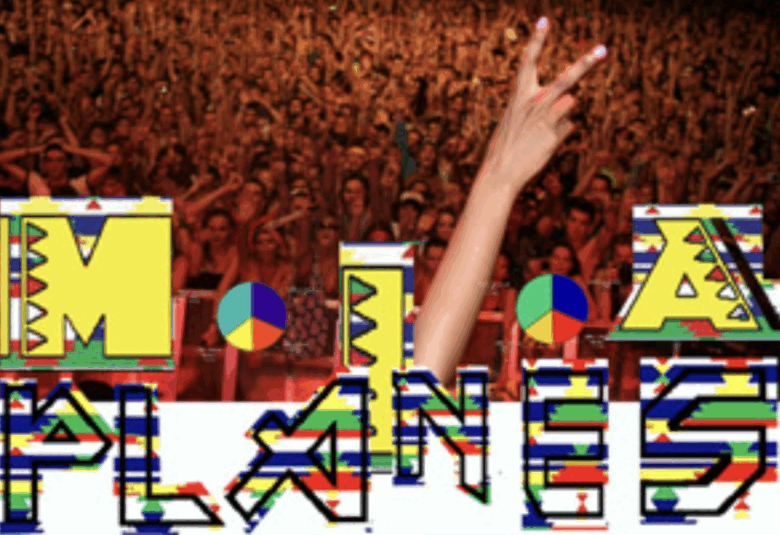
Born in 2010: “Born free” by M.I.A.
The nine-minute video depicted a world in which redheads are rounded up and executed in what many read as a commentary on ethnic persecution. According to Ranker, most websites and broadcast networks refused to air it. It received both praise and condemnation, illustrating how quickly the internet had replaced the television network as the primary arena for music censorship debates.
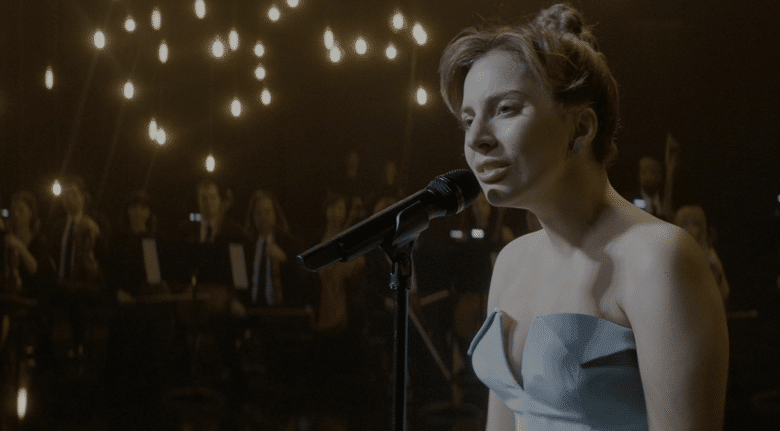
Born in 2011: “Born this way” by Lady Gaga
Lady Gaga’s anthem for LGBTQ acceptance drew fire from religious groups for its explicit affirmation of gay identity and its challenge to the idea that sexual orientation could or should be changed. Parade confirms Malaysian radio banned it for affirming gay and transgender identity. It debuted at number one in 18 countries anyway.
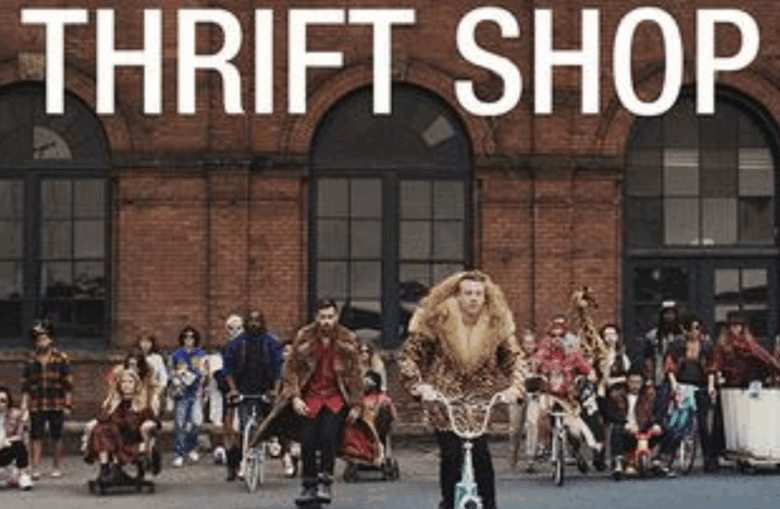
Born in 2012: “Thrift shop” by Macklemore and Ryan Lewis
The song was considered too profane for broadcast radio in its original form, requiring an edited version for airplay. Ranker states that it was read as a critique of hip-hop’s relationship with luxury brands, generating internal genre debate. Six weeks at number one.

Wrap up
Sixteen years, sixteen songs, and a controversy machine that got faster every year. Not one ban worked.
Ask us! What questions do you have about content, strategy, pop culture, lifestyle, wellness, history or more? We may use your question in an upcoming article!
Related:
- The most controversial songs of the ’50s: Do you agree?
- The most controversial songs of the ’60s: Do you agree?
Like MediaFeed’s content? Be sure to follow us.
This article was syndicated by MediaFeed.co.