
10 subtle signs your body may be missing an important nutrient
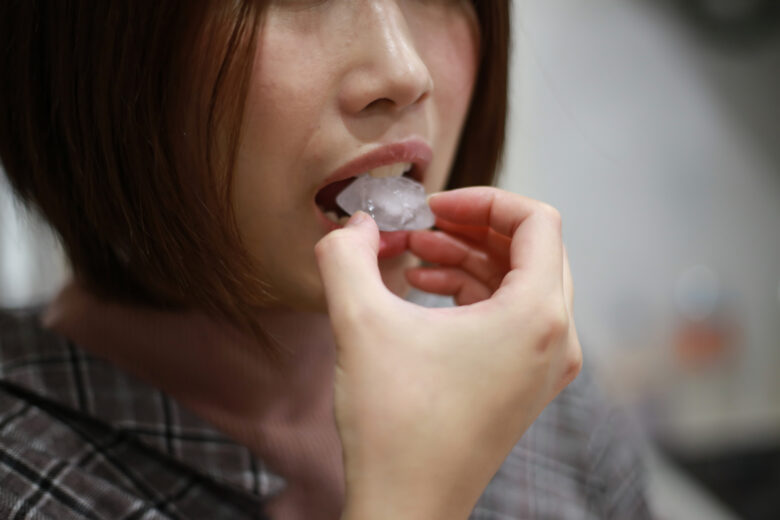
Chewing ice is the kind of habit people shrug off. Cleveland Clinic doesn’t. It lists a craving for ice as one of the quiet signs of low iron.
That’s the pattern across all ten items here. Each sign is small enough to ignore and specific enough that a doctor will ask about it. None proves anything on its own, and most nutrient shortfalls are uncommon in the United States.
This isn’t medical advice. If something below sounds familiar, tell your doctor before you buy a single supplement, because too much of some can do harm.
Chewing ice, and not stopping
Pagophagia. That’s the medical word for compulsive ice chewing. Low iron can trigger the craving, and the habit itself can damage teeth and cause jaw pain. A chronic habit, or one that appears suddenly, is a reason for a provider to check iron levels with bloodwork. Your jaw may complain before your lab results do.

Fingernails that curl up like little spoons
Look at your nails from the side. Flat, then indented, then scooping upward? Doctors call that koilonychia, and Cleveland Clinic says it most commonly points to iron deficiency anemia, though other causes exist.
Soft or brittle nails can also go with low iron.

A 62-year-old’s hands went numb in two months
Pins and needles in his hands came first. Then trouble walking, severe joint pain, yellowing skin, and shortness of breath. The cause, in a Massachusetts General Hospital case report that Harvard Health recounts, was too little vitamin B12.
Diet can do it, as with vegan or vegetarian eating. So can absorption problems after weight-loss surgery, or with aging. A blood test confirms it.
Is that a mouth ulcer or a message?
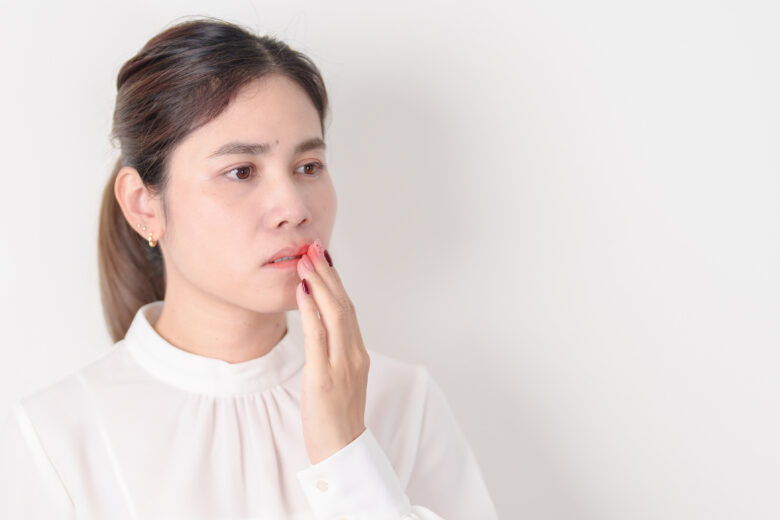
Everyone gets mouth ulcers. Recurring ones are worth a mention, though, because mouth ulcers show up on the National Council on Aging’s list of B12 clues, next to tingling hands and feet and mood changes. Harvard Health adds a swollen, inflamed tongue.
The pattern matters more than any single sore.
Calf cramps: the NIH is more cautious than the internet
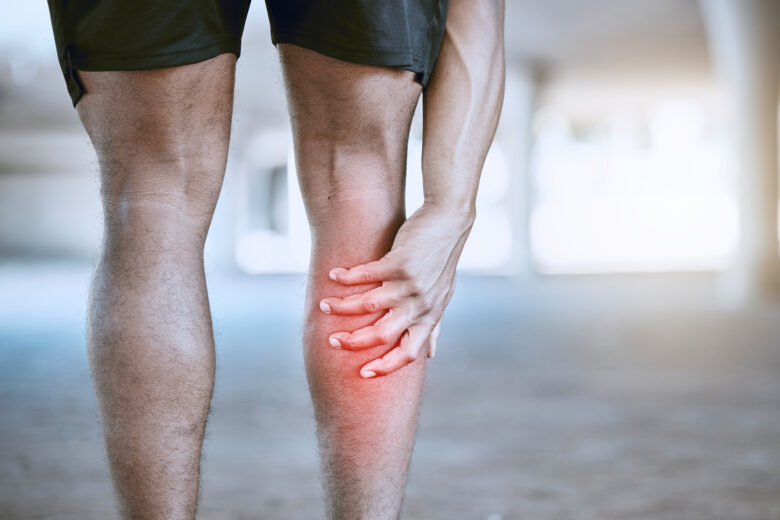
In the short term, too little magnesium produces no obvious symptoms. That’s the NIH’s line.
Early signs are loss of appetite, nausea, vomiting, fatigue, and weakness. Severe magnesium deficiency can also cause cramps and tingling. People with digestive diseases, type 2 diabetes, or long-term heavy drinking are at higher risk, and so are older adults. Supplements above the upper limit can cause diarrhea, nausea, and cramping.
Test first. Buy later.

Bleeding gums
Scurvy sounds like a sailor’s problem. It’s rare in the U.S., the NIH says. When it does develop, the main cause is not eating enough fruits and vegetables, and the first symptoms take a few months to appear. The gums are swollen, bleeding, and sometimes purple and spongy.
Gums can bleed for many dental reasons, so start with the dentist.
Cuts that heal slower than they should
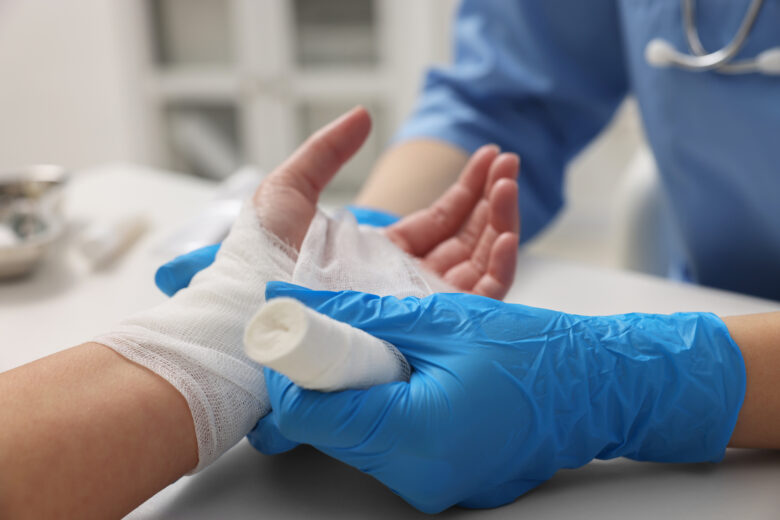
Collagen helps skin pull itself back together, and the body needs vitamin C to make collagen. Poor wound healing is on the NIH’s list of scurvy signs.
Slow healing has many other causes. It’s a reason to mention it, not to diagnose it.

Seeing worse in the dark
Walking from a lit hallway into a dark bedroom shouldn’t feel like blindness. In vitamin A deficiency, vision loss often begins as night blindness, a problem adjusting to the dark. In bright light, vision looks normal, the American Academy of Ophthalmology says.
Cleveland Clinic notes the deficiency is rare in the United States. Doctors diagnose it with an eye exam and medical history. New trouble in the dark is an eye-exam question first.

Aching bones, weak muscles
Osteomalacia. Soft bones. In adults, severe vitamin D deficiency causes weak bones, bone pain, and muscle weakness, MedlinePlus says. Too little in the diet, poor absorption, and not enough sun can all cause it. A blood test measures it. The NIH also points out that very high levels almost always come from supplements.
The ceiling matters as much as the floor.
Cracked corners
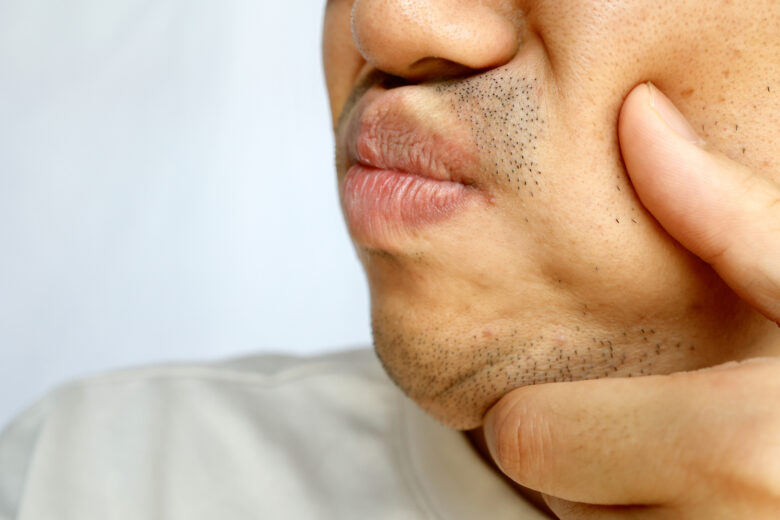
Cheilosis. Fissures at the mouth corners are listed among the nonspecific signs of iron deficiency, along with pale skin and spoon nails.
Chapped lips from dry weather are far more common. So: probably the weather.
The bottom line
Cleveland Clinic lists ice cravings and spoon-shaped nails as possible signs of low iron, and a blood test can confirm it. The NIH says vitamin C deficiency is rare in the U.S., and that very high vitamin D levels almost always come from supplements.
Ask us! What questions do you have about content, strategy, pop culture, lifestyle, wellness, history or more? We may use your question in an upcoming article!
Related:
- Small lifestyle changes that quietly improved these celebrities’ health.
- 15 foods that seem healthy but often aren’t
Like MediaFeed’s content? Be sure to follow