
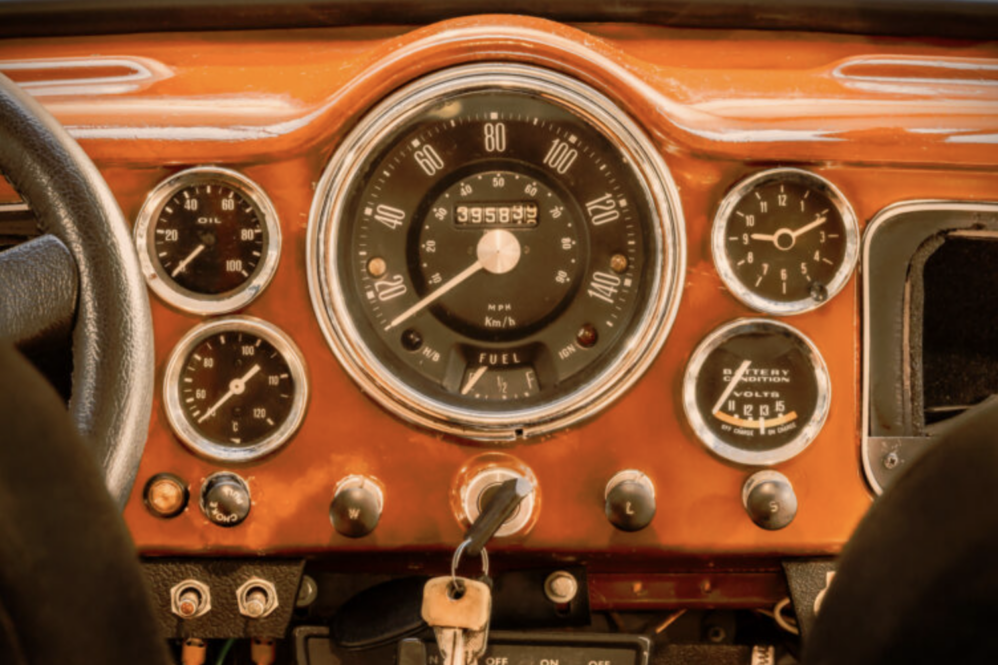
Car safety features that sounded smart but turned out to be disasters
Car designers have always promised that the next big innovation would make driving safer, smarter, and nearly foolproof. From buzzers that scolded distracted motorists to high-tech gadgets meant to outthink human error, many features arrived with enormous confidence—and glossy marketing campaigns to match. But not every “breakthrough” aged well. Some systems proved confusing, others created new dangers, and a few became legendary for failing in exactly the moments they were meant to help. Looking back, these well-intentioned ideas reveal how tricky it is to engineer safety around real human behavior. What sounded brilliant in the lab sometimes turned chaotic on the open road, leaving drivers to wonder how such concepts ever made it past the drawing board.
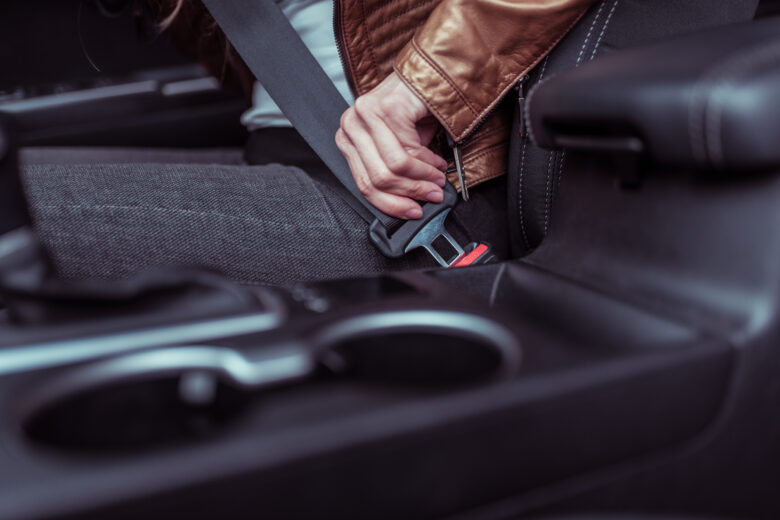
Automatic seat belts
Motorized seat belts seemed brilliant when introduced in the late 1980s as a cheap airbag alternative. The shoulder belt automatically moved across your chest when you closed the door. The problem? Seventy percent of drivers never bothered fastening the manual lap belt, letting them “submarine” under the shoulder strap during crashes.

Rear automatic emergency braking
Modern backup cameras promised to eliminate backing accidents. AAA testing revealed rear automatic emergency braking with cross-traffic detection failed to prevent crashes 97 percent of the time. Half the time, systems couldn’t even detect a stationary child behind the vehicle.
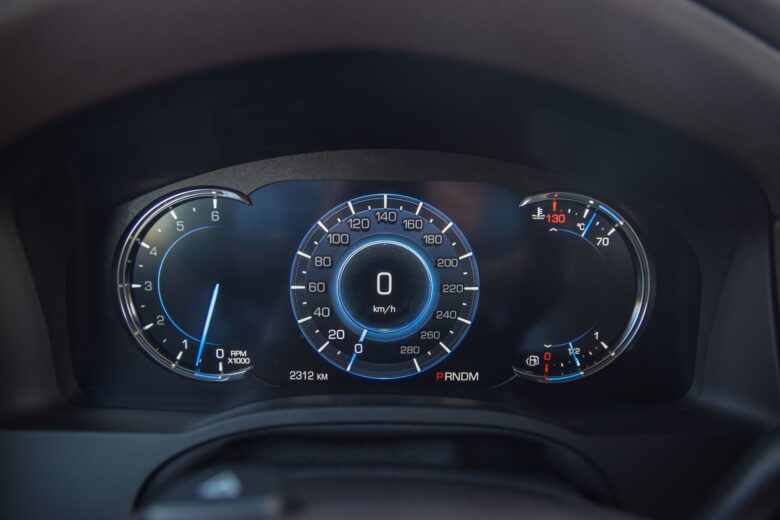
Lane departure warnings
These alerts beep when you drift from your lane without signaling. Studies show 21 percent of all safety feature malfunctions involve lane departure systems. Cameras mistake faded construction zone markings for active lanes, causing sudden, unexpected steering corrections that startle drivers into overcorrecting and losing control.

Blind spot monitoring
Eighty percent of drivers believe blind spot monitors detect motorcycles, bicycles, and pedestrians. They don’t. The systems only work for vehicles traveling at similar speeds. Drivers who stopped physically checking blind spots because they trusted the technology caused accidents that the feature was designed to prevent.

Seat belt tension relievers
Manufacturers added comfort features in the 1970s that let passengers pull slack into their seat belts. NTSB concluded these “window shade devices” dramatically reduced belt effectiveness during crashes. General Motors phased them out in 1990 after research proved occupant restraint systems with tension relievers consistently caused more severe injuries than systems without them.
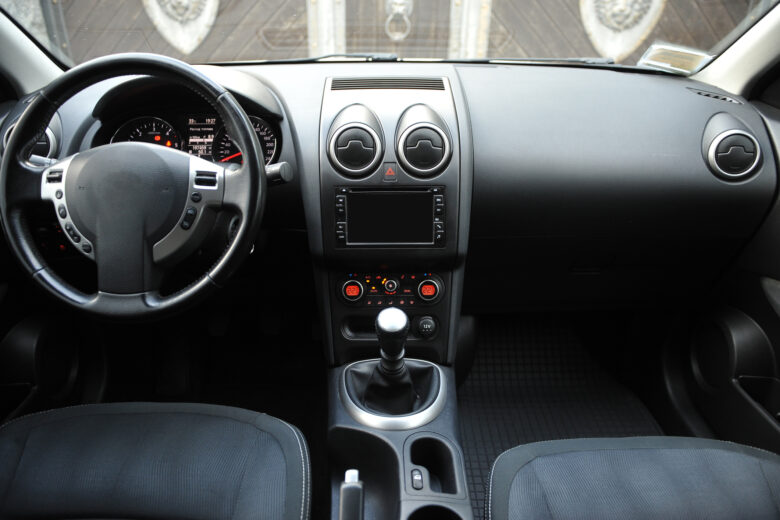
Forward collision warning
These systems alert drivers about potential front-end collisions. However, one in four drivers now disables at least one safety feature because constant false alarms become unbearable. Nearly 30 percent of drivers report warning sounds are actually distracting rather than helpful, creating the exact problem they’re supposed to solve.

Takeaway
Safety technology works best when it genuinely complements driver attention rather than replacing it entirely. Features that encourage complacency or false confidence often create significantly more danger than they prevent.
Related:
- 2025 car models with some of the highest safety rankings
- Automotive trends from the ’60s and ’70s that would never pass inspection today
Like MediaFeed’s content? Be sure to follow us.
This article was syndicated by MediaFeed.org.