
Creepy discoveries made in ordinary houses
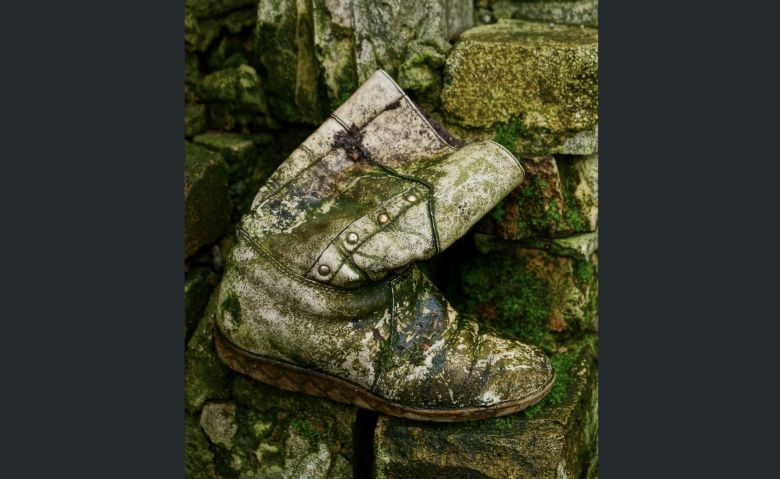
In the late 1950s, a curator named June Swann noticed something odd. At Northampton Museum in England, people kept bringing her single, worn shoes they’d found in chimneys, roofs, and inside walls. She started an index.
Some of the creepiest finds in ordinary houses weren’t accidents. Someone put them there on purpose.
Six discoveries follow, from seventeenth-century hearths to a 2014 mailbox in New Jersey. We stick to what’s documented, and we say where the explanation is a theory.
A single shoe in the chimney
The museum’s index now holds just over 2,000 find locations and nearly 3,000 shoes, and two or three new finds still come in each month. About 26 percent turned up in chimneys.
Almost half belonged to children, per SATRA. Archaeologists found one adult shoe from the 1620s in the plaster halfway up a wall in Devon, which could not have happened by accident.
The leading theory: protection against spirits entering at a house’s weak points.
Cats in the walls
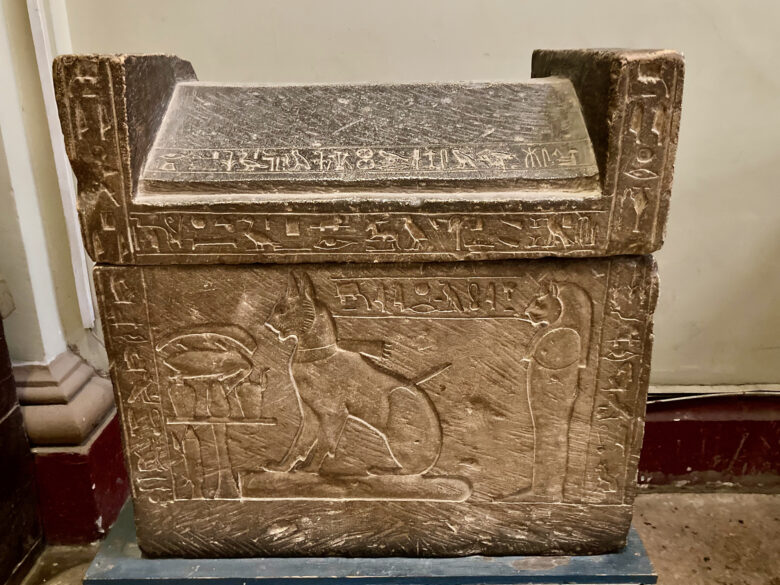
Mummified cats turn up in the roofs, walls, and floors of old houses. One count had 139 documented in England as of 2004. They’re an extremely common find in what researchers call apotropaic archaeology: objects hidden to ward off harm.
Nobody wrote down why. The theory is protection again.

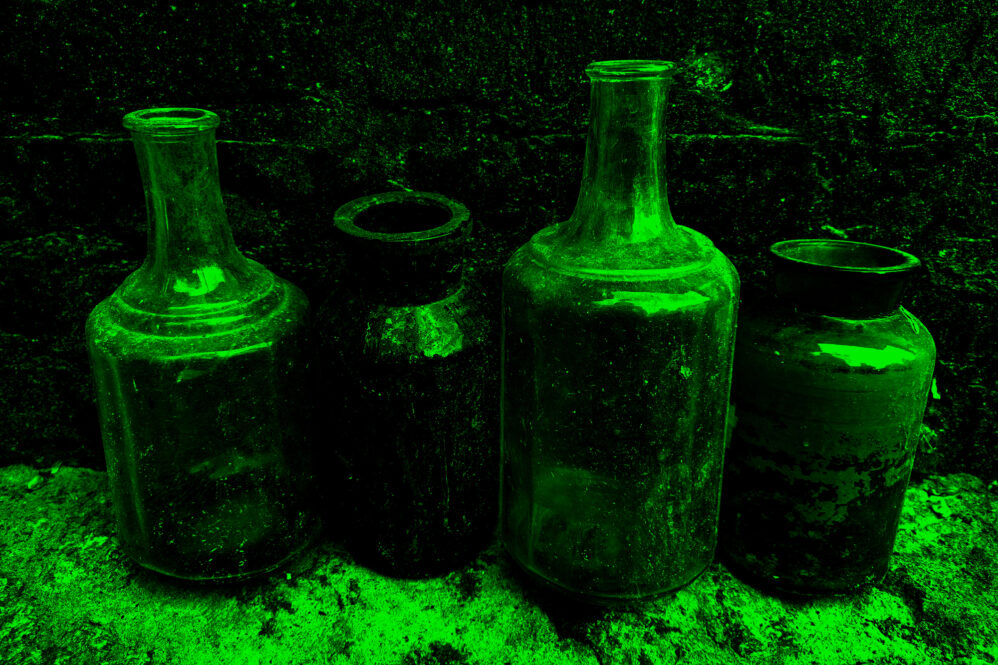
A bottle under the hearth
By 2019, England had 294 documented witch bottles. Half were under the hearth, where people thought constant heat kept the charm working.
One account says sixteenth- and seventeenth-century homeowners filled jugs with bent pins, nails, hair, and urine to trap a curse or turn it back on whoever cast it.
A wall in a basement
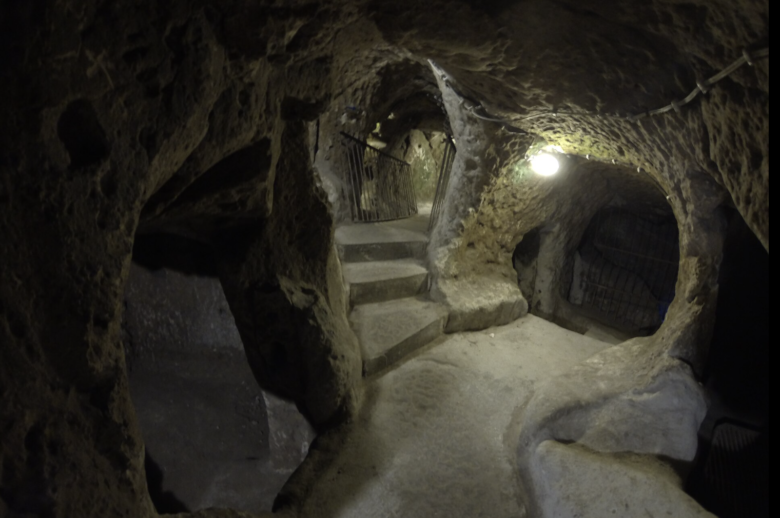
In 1963, a man in the Turkish town of Derinkuyu was renovating his house. He knocked through a basement wall and found a room he’d never seen. Behind it, more rooms.
It was an underground city, about 18 levels deep, large enough to shelter up to 20,000 people, according to Dark Atlas. It’s part of a UNESCO World Heritage site.
Square La Bruyère, 2010
Olivier Choppin-Janvry is an auctioneer. In 2010, he was sent to inventory an apartment in Paris’s 9th arrondissement that had been locked for 70 years.
“There was a smell of old dust,” he said. He walked past a stuffed ostrich and a pre-war Mickey Mouse toy to a dressing table. Boing Boing reported that Marthe de Florian’s love letters were still tied with ribbon.
Her granddaughter had locked it in 1942 and never returned. A Boldini portrait of de Florian sold for €2.1 million.

“The New Owner”
June 2014. Derek Broaddus checked the mailbox of the house he’d just bought in Westfield, New Jersey, three days after closing. Inside was a handwritten letter addressed to “The New Owner.”
Over the next two years, more came, signed “The Watcher.” They named the family’s children. The Broadduses never moved in. They sold the house in 2019, at a loss of about $400,000.
A private investigator and a former FBI profiler couldn’t identify the writer.

The bottom line
Northampton Museum still gets two or three new shoe finds a month. The Watcher has never been identified.
Ask us! What questions do you have about content, strategy, pop culture, lifestyle, wellness, history or more? We may use your question in an upcoming article!
Related:
- Historical “discoveries” that turned out to be elaborate hoaxes
- Some of the most surprising record deals in music history
Like MediaFeed’s content? Be sure to follow us.
This article was syndicated by MediaFeed.co.